Jun, 2026
Together with partners, we held a medical day in Zarqa to make medicines and healthcare accessible to vulnerable communities in Jordan.
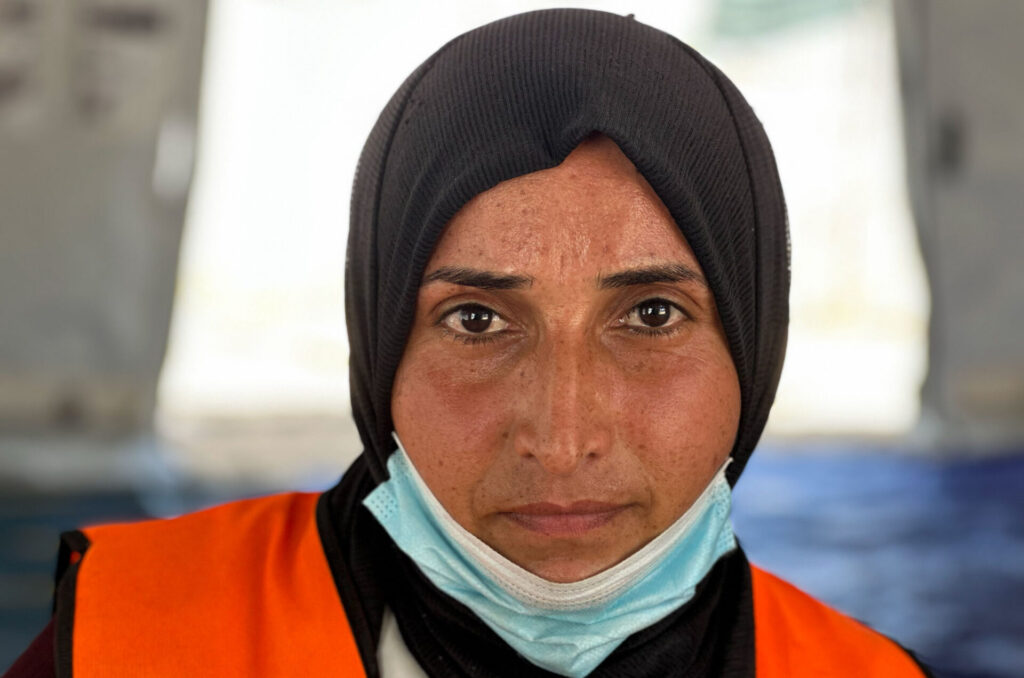
For months, Sua’ad* noticed a small but steady change. Reading messages on her phone became difficult. The words blurred unless she held the screen at arm’s length. She knew she needed glasses, but like many families in her community, she kept postponing it — there were always more urgent expenses, and no clear path to getting care.
Turns out she didn’t have to wait long. Sua’ad heard about an upcoming medical day in Al Hashemiya, Zarqa. And so on a Saturday in late May, she joined neighbors waiting to see a doctor. An hour later, she walked out with new glasses and a clearer view of the world.
For families in Al Hashemiya, the barrier to healthcare is rarely awareness. It is access. A consultation, a prescription or something as basic as reading glasses can be out of reach when every dinar is already needed for other expenses.
Bringing Care Closer to Home
To close that gap, Anera and its local partner, Nobles for Sustainable Development, organized a medical day for families with limited means.
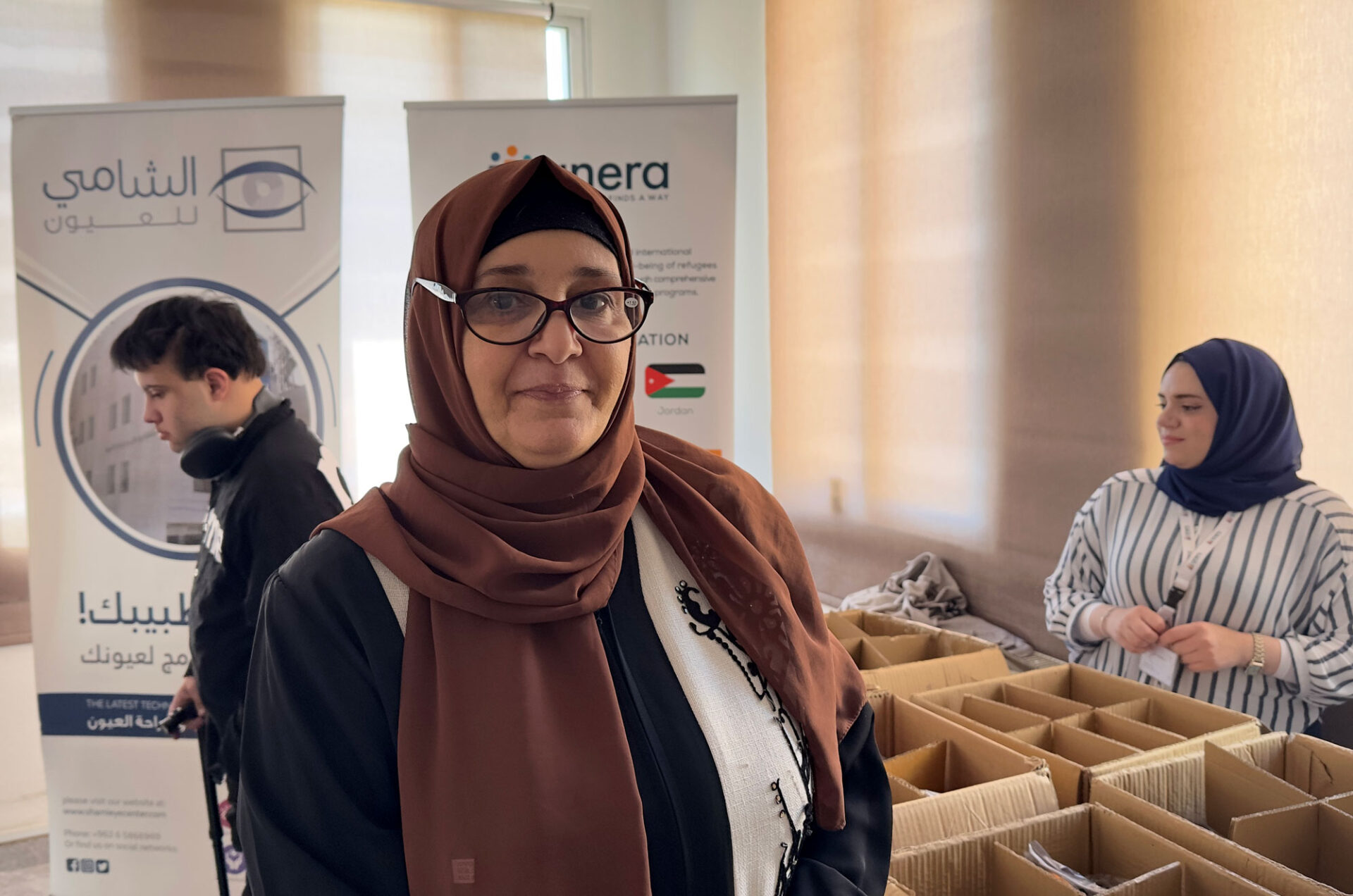
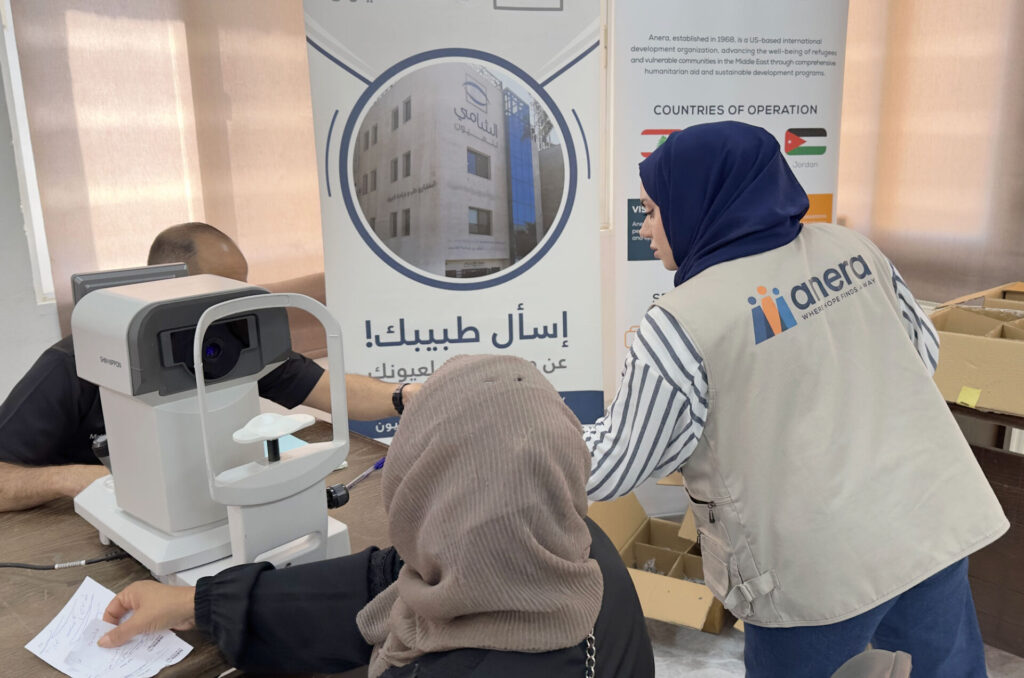
Doctors across specialties met with patients, listened to their concerns, and provided treatment plans and referrals.
Making Medicines Available
Doctors prescribed 106 treatments and, with support from International Health Partners, patients were able to receive essential medications on the spot, including antibiotics, pain relievers, iron and folic acid supplements, and multivitamins.
One man, Ayman, arrived with a clear medical need. After surgery, he had developed iron and ferritin deficiencies that caused muscle spasms. His doctor had already prescribed supplements, but consistently getting them was another challenge entirely.
On Anera’s medical day, that gap closed for Ayman. He received the vitamins and folic acid he needed and could finally follow the treatment plan already set out for him.
“I got the vitamins and folic acid my doctor recommended. It has really helped me take care of my health,” he said.
For Ayman, the solution wasn’t complex. The care existed. What was missing was reliable access to it.
A Clearer View of the World
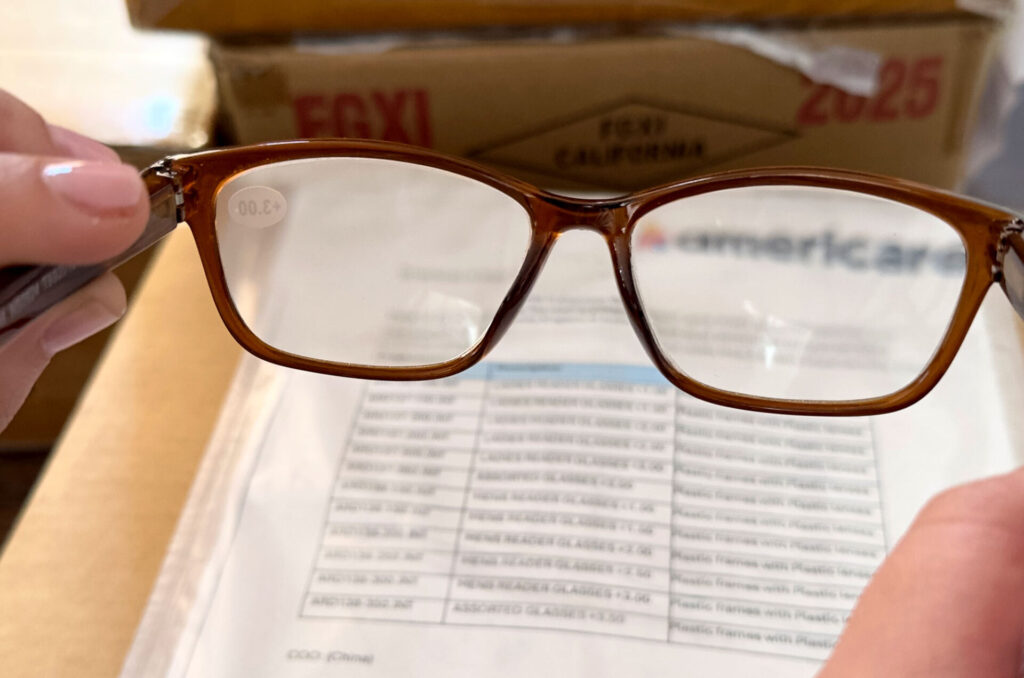
During the same medical day, 32 patients received free reading glasses donated by a long-time Anera donor of medical aid.
Saleem was among them. Living with diabetes and high blood pressure, he had also been struggling with worsening vision. Reading had become a strain, and everyday tasks were increasingly difficult.
After a simple eye exam during the medical day, he received a pair of glasses. The change was immediate. “I’m so happy I can see more clearly!”
What may seem like a small intervention — a pair of reading glasses — can make a meaningful difference when it restores the ability to read medication instructions, manage health conditions or navigate daily life.
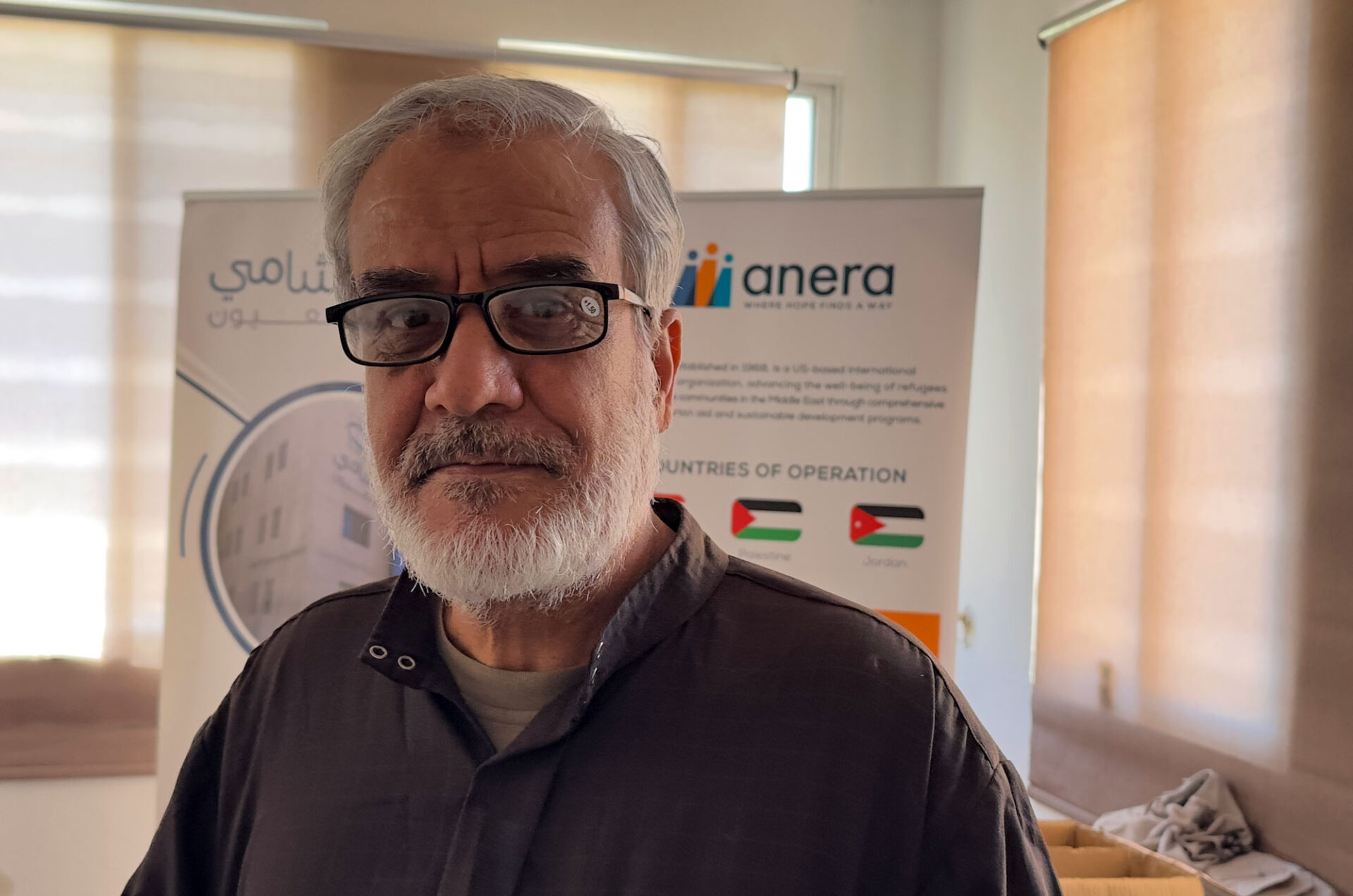

“I’m so happy I can see more clearly!”
Care That Reaches People Where They Are
For Sua’ad, Ayman and Saleem, the medical day was not defined by statistics or service counts. It was defined by tangible changes: clearer vision, needed medication in hand, and the reassurance of speaking with a doctor who could respond directly to their needs.
Improving health outcomes is not always about new systems or complex infrastructure. Sometimes it is just about ensuring that existing care reaches people in time, in place, and in form they can actually use.
For the families in Al Hashemiya, that Saturday did exactly that.
*Names have been changed to protect identities.