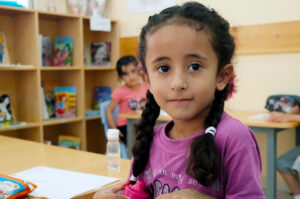
Anera supports refugees and vulnerable Jordanians through programs in education, health, livelihoods, agriculture and humanitarian relief.
Our teams work from Amman and collaborate with communities across multiple governorates. The focus is on practical, community driven solutions that improve wellbeing and expand opportunities.
What Anera Does in Jordan
Education and Skills Training
Anera runs vocational and life skills programs across Jordan to help young people prepare for employment. Training centers in different regions host courses in hospitality, culinary arts, digital tools and other sectors with real job potential. Many graduates earn accredited certificates and legal work permits, giving them access to safer and more stable employment.
Anera also supports youth in camps such as Souf and Gaza Camp, providing opportunities that strengthen long term economic stability.

Health and Medical Support
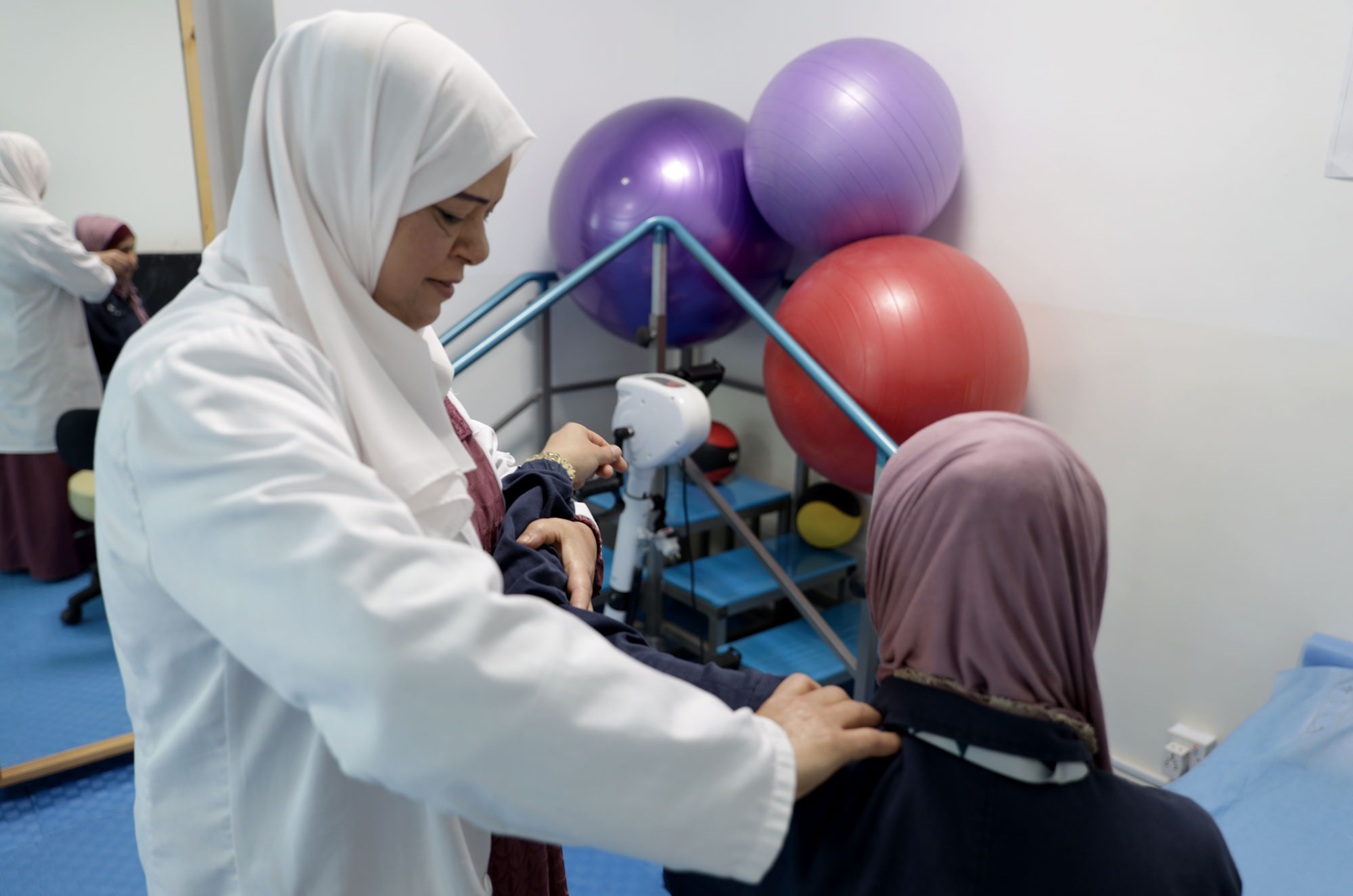
Anera expands access to healthcare by distributing essential medicines, including antibiotics, chronic disease treatments and pain management supplies. Medical support missions across Irbid, Aqaba, Mafraq, Jerash and northern Amman provide treatments to refugees and underserved Jordanians who face barriers to consistent care.
Anera also delivers hygiene supplies, mobility aids and other essential items that support primary healthcare servicesin clinics and community centers.
Agriculture and Food Security
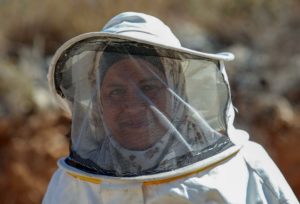
Anera’s agriculture programs help families grow food, improve nutrition and reduce household expenses. Community members learn small scale farming, composting and practical food production techniques. Anera also supports rooftop gardens, giving families in crowded urban areas the ability to grow vegetables and herbs even without land.

Humanitarian Relief
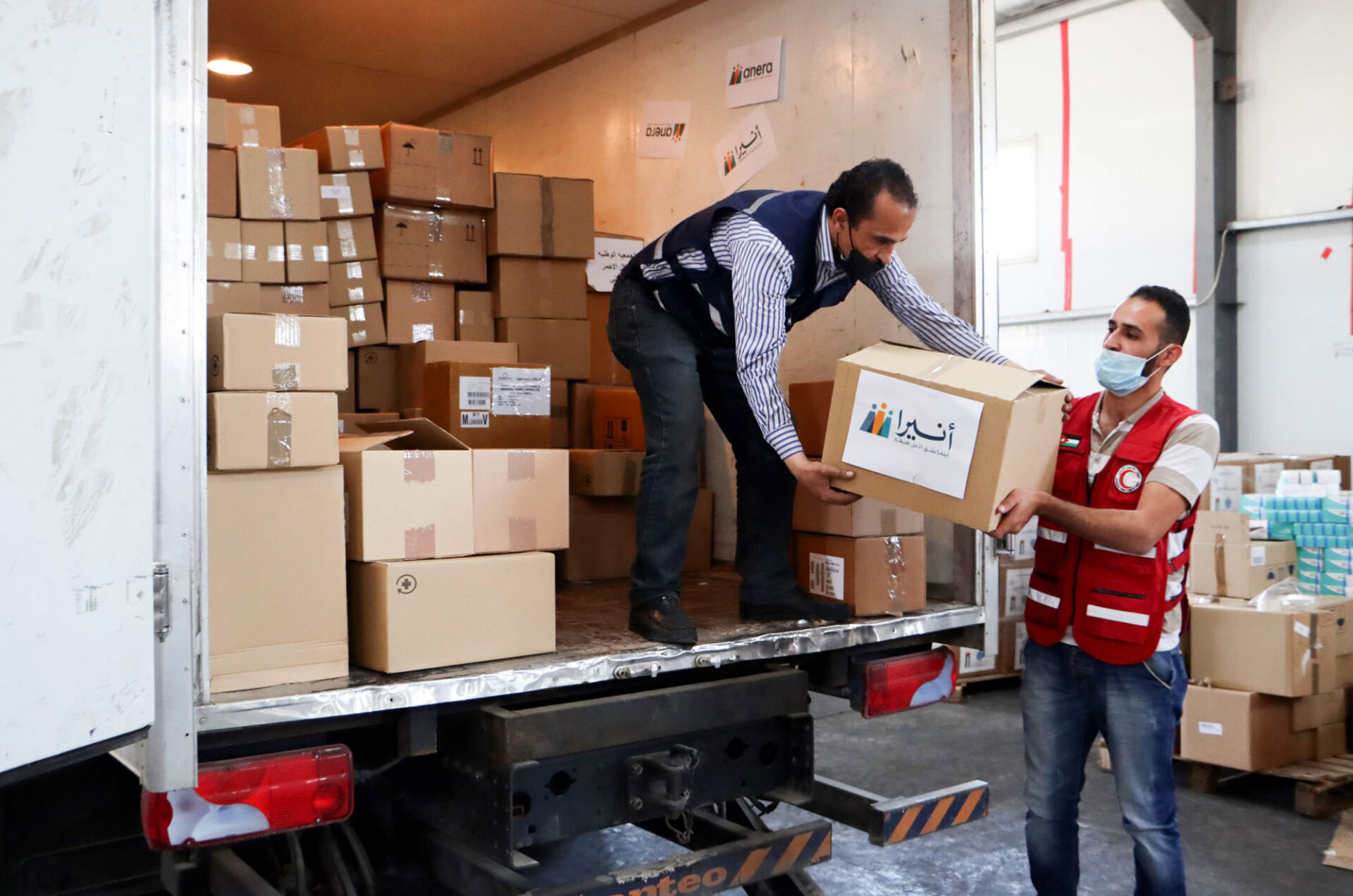
Anera distributes school kits, hygiene kits, food parcels, blankets and other essentials to families facing difficult conditions. These relief efforts are designed to reach both Jordanians in need and refugee families, ensuring no community is left behind.
Supporting Gaza Patients in Jordan
Since the start of the war in Gaza, hundreds of severely injured Palestinians have been medically evacuated to Jordan for life saving treatment. Hospitals in Amman provide trauma and surgical care, but long term recovery requires consistent access to essential medications, wound care supplies and chronic disease treatments.
Family members who accompany patients also face hardship because of untreated illnesses, limited income and restricted access to basic needs.
In partnership with the Jordan Hashemite Charity Organization, Anera is supporting Gazan evacuees in Jordan with a coordinated package of life-saving and essential services over the next 12 months. Working with JordanRiver Foundation, Tkiyet Um Ali and Dar Abu Abdullah, Anera helps evacuees access urgent care, meet basic needs, and receive safe, dignified support.
- Providing urgent medical care and continuity of treatment for evacuees already in Jordan and for new arrivals, including critical treatment-related and temporary hosting support for families.
- Delivering targeted food assistance for households without reliable access to food support.
- Providing seasonal winterization support during the cold months to reduce exposure risks and protect dignity.
- Offering health and psychosocial support, including safe referrals and specialized services where needed.
- Supporting education continuity through safe learning and child-friendly activities to reduce learning loss.
- Strengthening safe service delivery by training volunteers and frontline staff on trauma-informed care, safeguarding, and referral procedures.

JORDAN STORIES
Our Impact
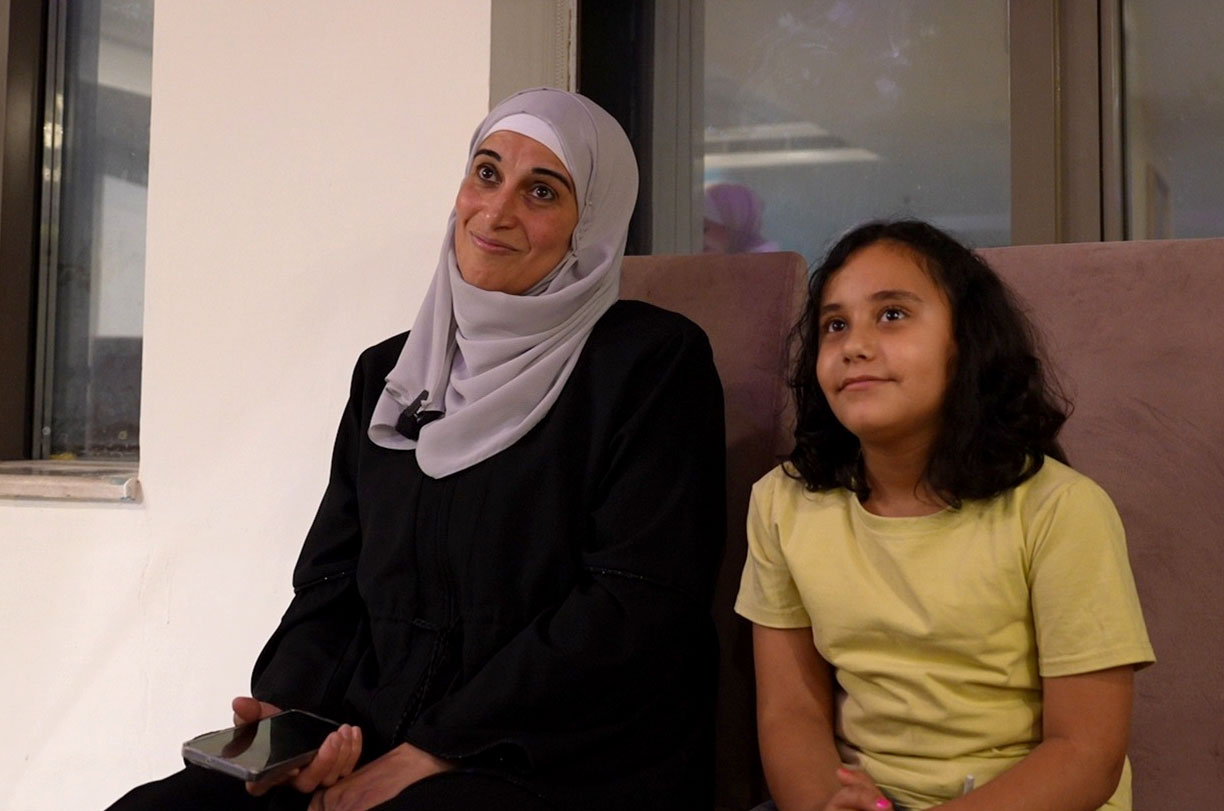
Two Mothers From Gaza Share Their Journeys

Healing Invisible Wounds
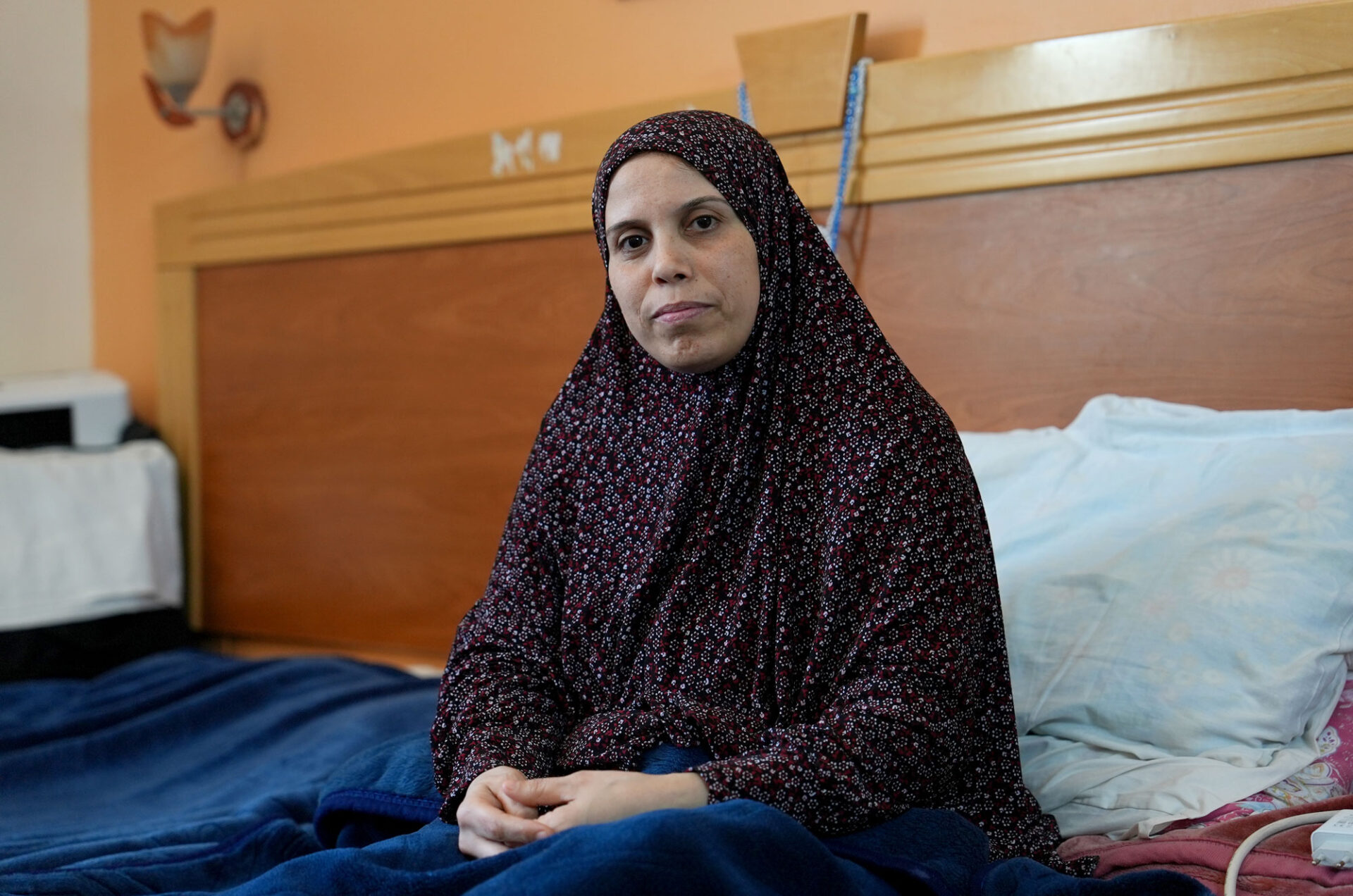
In Jordan, Najwa Finally Receives the Care She Needs
Anera's History in Jordan
Anera has a long and meaningful history in Jordan that spans nearly two decades. Our earliest work dates back to the early 2000s, when Jordan was receiving large numbers of Iraqi refugees fleeing violence and instability. Anera responded by delivering humanitarian supplies, medicines and hygiene items, while supporting community centers that offered safe spaces, literacy activities and basic services for Iraqi families seeking stability.
From 2004 to 2011, Anera operated a full time office in Amman that ran programs benefiting vulnerable Jordanians, Palestinian refugees, Iraqi refugees and other displaced people.
These early years built strong relationships with communities and local institutions. Anera’s work during the arrival of Iraqi refugees strengthened our capacity to support future waves of displacement and demonstrated our commitment to serving all vulnerable populations, regardless of nationality.
Today, Anera continues this legacy by serving refugees and vulnerable Jordanian families equally, responding to changing needs with programs that focus on opportunity, dignity and resilience.
Jordan Today
Jordan is a stable and strategically important Middle Eastern nation with a long history of welcoming people displaced by regional conflict. With a population of about 11 million people, the country faces pressure from water scarcity, rising living costs and limited natural resources.
Even with these challenges, the people of Jordan continue to support neighbors, relatives and newcomers, contributing to the country’s tradition of hospitality and solidarity. Anera’s programs reflect this spirit by serving both vulnerable Jordanians and refugee communities.

Refugees in Jordan
Jordan hosts one of the largest refugee populations in the world.
Palestinian Refugees
More than 2.39 million registered Palestinian refugees live in Jordan. While many have citizenship, a significant number experience high poverty and limited access to education, stable employment and healthcare. About 18 percent live in ten official camps, including Baqa’a, Marka, Jabal el Hussein, Talbieh, Jerash, Souf and others.
In camps like Jerash, where most residents are 1967 refugees without full rights, families struggle with restrictions in civil documentation, work opportunities and access to services.
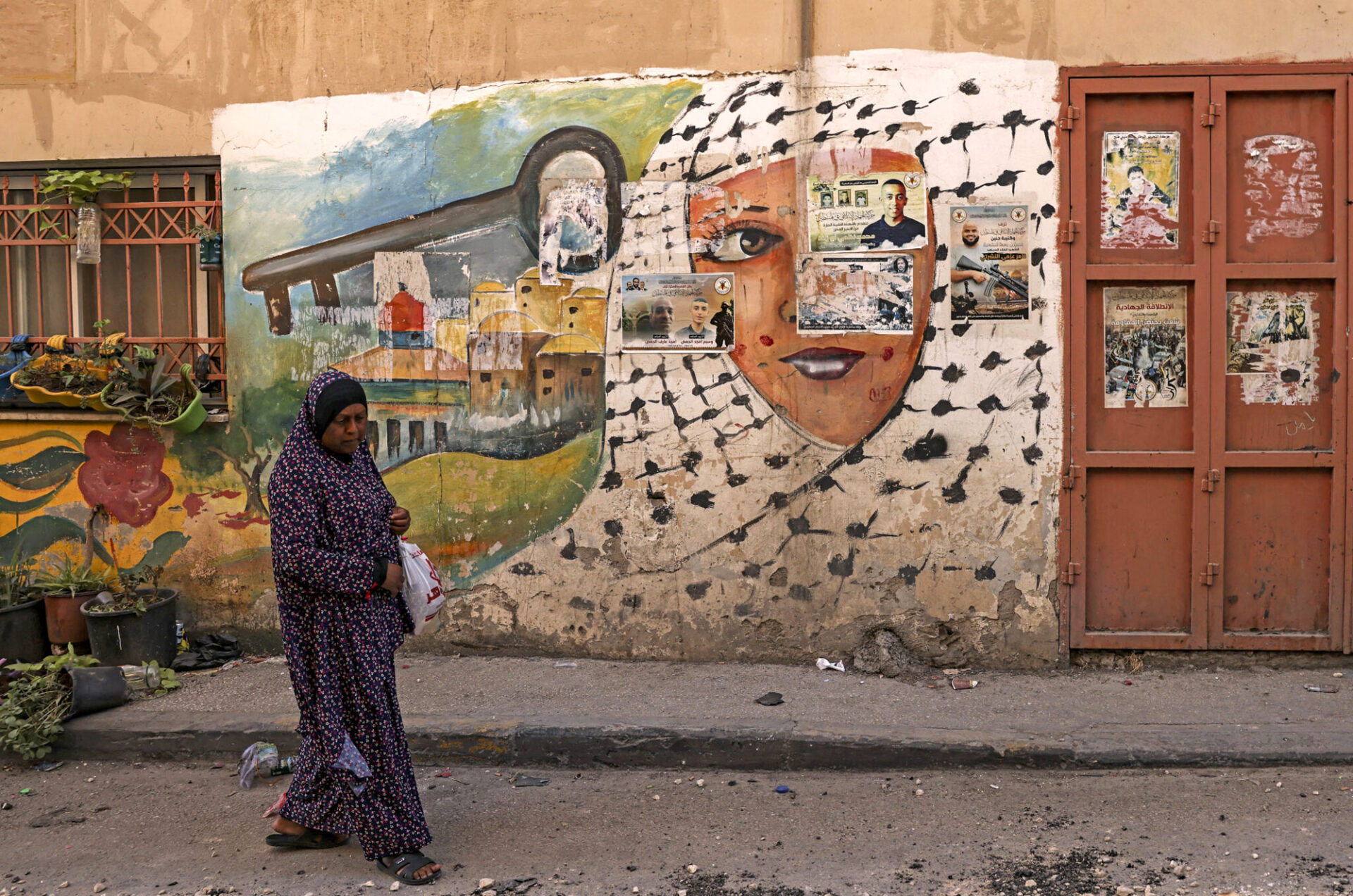
Syrian Refugees
Jordan hosts nearly 1.4 million Syrians. Most live in cities and towns, where high rent and low wages create major obstacles. Children face high levels of poverty and barriers to education and healthcare.
The Za’atari Camp, with around 78,800 residents, functions as a self contained community. Anera delivers essential medicines to support health needs in camps like Za’atari.
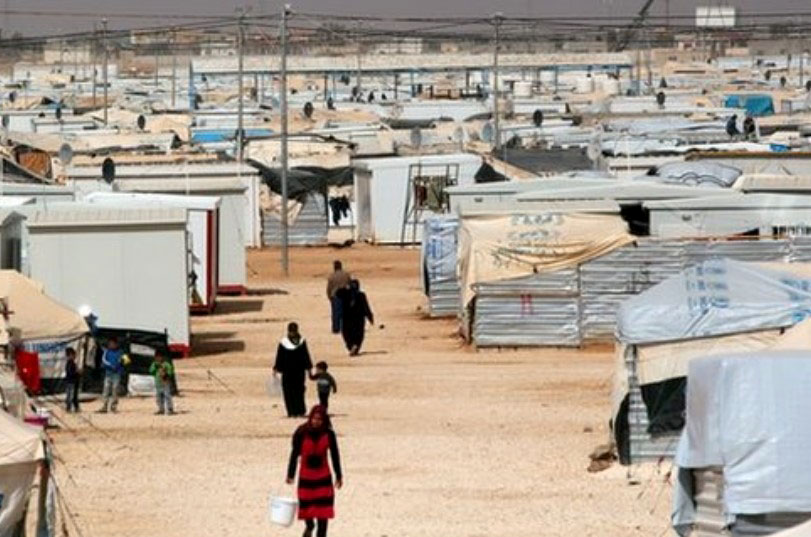
Other Refugee Populations
Jordan is also home to refugees from Iraq, Yemen, Sudan and Somalia. As of 2024, about 710,000 refugees are registered with UNHCR, with 82 percent living outside formal camps. Nearly half are children, making access to healthcare, protection and education an ongoing priority.

Refugee Camps in Jordan
Jordan hosts one of the largest refugee populations in the world, but most refugees do not live in camps. As of 2025, approximately 587,000 refugees are registered with UNHCR, and about 81 percent of them live in towns, cities and rural communities rather than formal camps. The vast majority are Syrian nationals, with additional groups from Iraq, Yemen, Sudan and Somalia.
Beyond UNHCR-registered populations, Jordan is home to more than 2.39 million registered Palestinian refugees, the largest number anywhere in the region. While many have Jordanian citizenship, significant numbers continue to face poverty, limited job opportunities and restricted access to essential services. About 18 percent of Palestinian refugees in Jordan reside in ten official UNRWA-recognized camps:
- Talbieh Camp
- Jabal el Hussein Camp
- Marka Camp
- Jerash Camp
- Baqa'a Camp
- Zarqa Camp
- Amman New Camp
- Husn Camp
- Irbid Camp
- Souf Camp
Conditions vary widely between camps. Jerash Camp, for example, is home primarily to 1967 refugees who do not hold full rights. Many families there face barriers to civil documentation, public schooling, healthcare access and formal employment.
Jordan also hosts two major Syrian refugee camps supported by the international community:
- Za’atari Camp, near the Syrian border, which is home to about 78,800 Syrian refugees and functions as a small city with its own market, schools and community services
- Azraq Camp, another formal settlement housing tens of thousands of Syrian refugees
While these camps provide safety and structured services, most Syrians in Jordan live outside them in urban areas, where they face high living costs, unemployment and difficulty accessing healthcare.
Across all camp settings, Anera provides essential medicines, hygiene items and humanitarian support to help refugee families maintain health, dignity and stability.
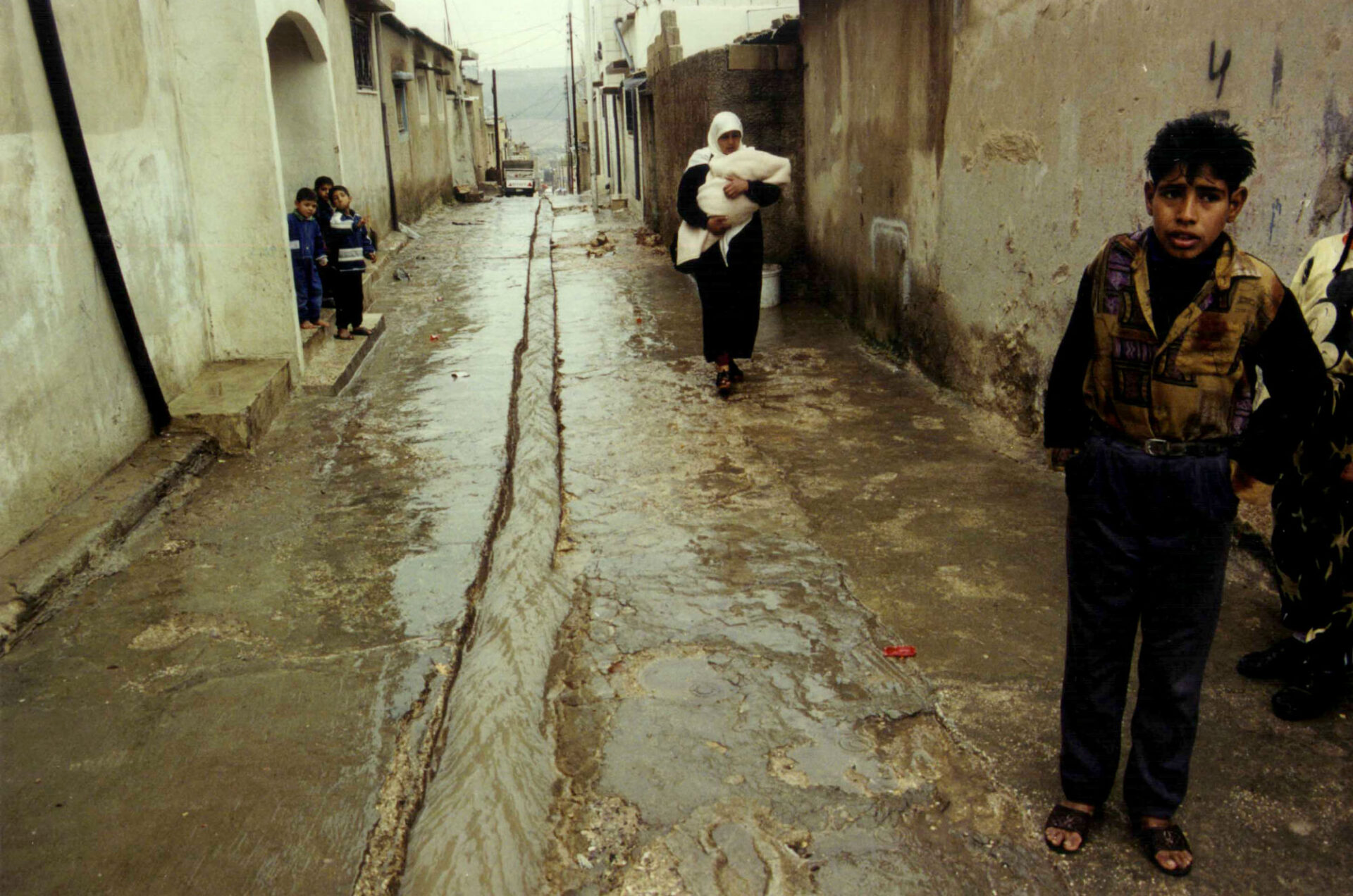
Jerash Palestinian Refugee Camp
Jerash Camp, also known as Gaza Camp, is located in northern Jordan and is home primarily to Palestinians displaced during the 1967 war. Most residents lack full Jordanian citizenship, which limits their civil rights and restricts access to many public services. Without national identification numbers, families face barriers to formal employment, mobility and enrollment in certain government-supported services.
Today, an estimated 37,000 refugees live in Jerash Camp, making it one of the most economically vulnerable Palestinian refugee camps in Jordan. Poverty rates are among the highest in the country’s camp communities, and many households struggle to meet daily needs.
Despite these challenges, Jerash Camp maintains strong community networks. Children have access to UNRWA schoolsinside and near the camp, ensuring that most students receive basic education. Families also rely on a combination of UNRWA services, charitable clinics and NGO support to meet healthcare needs.
Anera plays an active role in supporting Jerash Camp residents. We deliver essential medicines and health supplies to help fill gaps in care for chronic illnesses, respiratory conditions, infections and other common health needs. In addition to medical support, Anera implements agricultural and economic resilience initiatives, including rooftop garden programs that allow families to grow vegetables and herbs at home. These gardens reduce household food costs, strengthen nutrition and offer opportunities for supplemental income.
Through these programs, Anera supports education, health and economic stability for families in Jerash Camp, helping residents improve daily life and build greater resilience for the future.
Za'atari Syrian Refugee Camp
Around 65,000 Syrian refugees currently live in the Za’atari refugee camp in northern Jordan near the border with Syria, making it one of the largest Syrian refugee settlements in the country. The camp opened in July 2012 as a temporary response to displacement, but over time it has evolved into a more permanent settlement with structured sections, community spaces and economic activity. As flows of refugees from Syria have slowed and some families have moved elsewhere or returned home, the registered population has declined from earlier peak figures.
Za’atari has grown beyond a collection of tents into a functioning community with informal markets, shops and services that help residents meet daily needs. While much of the camp’s economy operates informally, this activity reflects residents’ efforts to build livelihoods and support daily life.
Anera has provided medicines and health supplies to Za’atari camp, including antibiotics and medicines to treat asthma and parasitic infections, contributing to improved access to basic health care for families living in displacement.
BY THE NUMBERS
The Situation in Jordan
2.39 million
Palestinian refugees live in Jordan
A large percentage live below the national poverty line and lack access to quality education and health care.
1.3 million
refugees from Syria
live in urban poverty and lack access to jobs or educational opportunities.
16%
of Jordanian citizens
live below the national poverty line.