From Policy to Practice
 by Anera
Posted in: News
Exploring How the EU Pact for the Mediterranean Can Deliver for Communities in the Levant
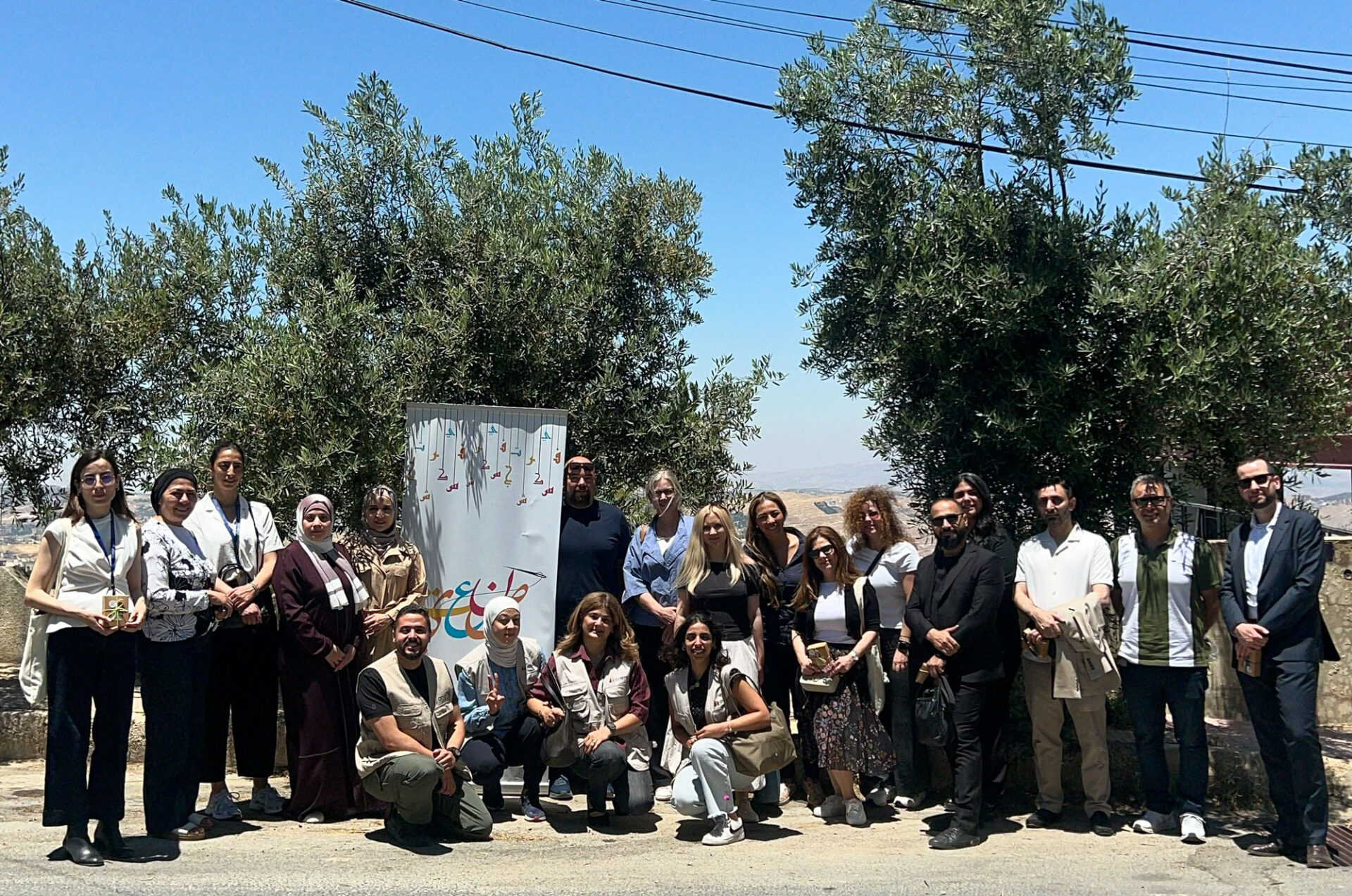
Government representatives, development actors, civil society organizations and private sector leaders gathered in Amman on June 8, 2026, for a regional workshop examining how the European Union’s Pact for the Mediterranean can be translated into practical action across Jordan, Lebanon, Syria and Palestine.
Co-hosted by Anera and the Swedish Dialogue Institute for the Middle East and North Africa, the event focused on one central question: how can regional policies on livelihoods, employability and skills development create meaningful opportunities for the communities they are intended to serve?
Opening remarks were delivered by H.E. Ann Mawe, director of the Swedish Dialogue Institute; Derek Madsen, chief development officer at Anera; H.E. Pierre-Christophe Chatzisavas, ambassador of the European Union delegation to Jordan; and Dr. Ibrahim Saif, former cabinet minister in Jordan.
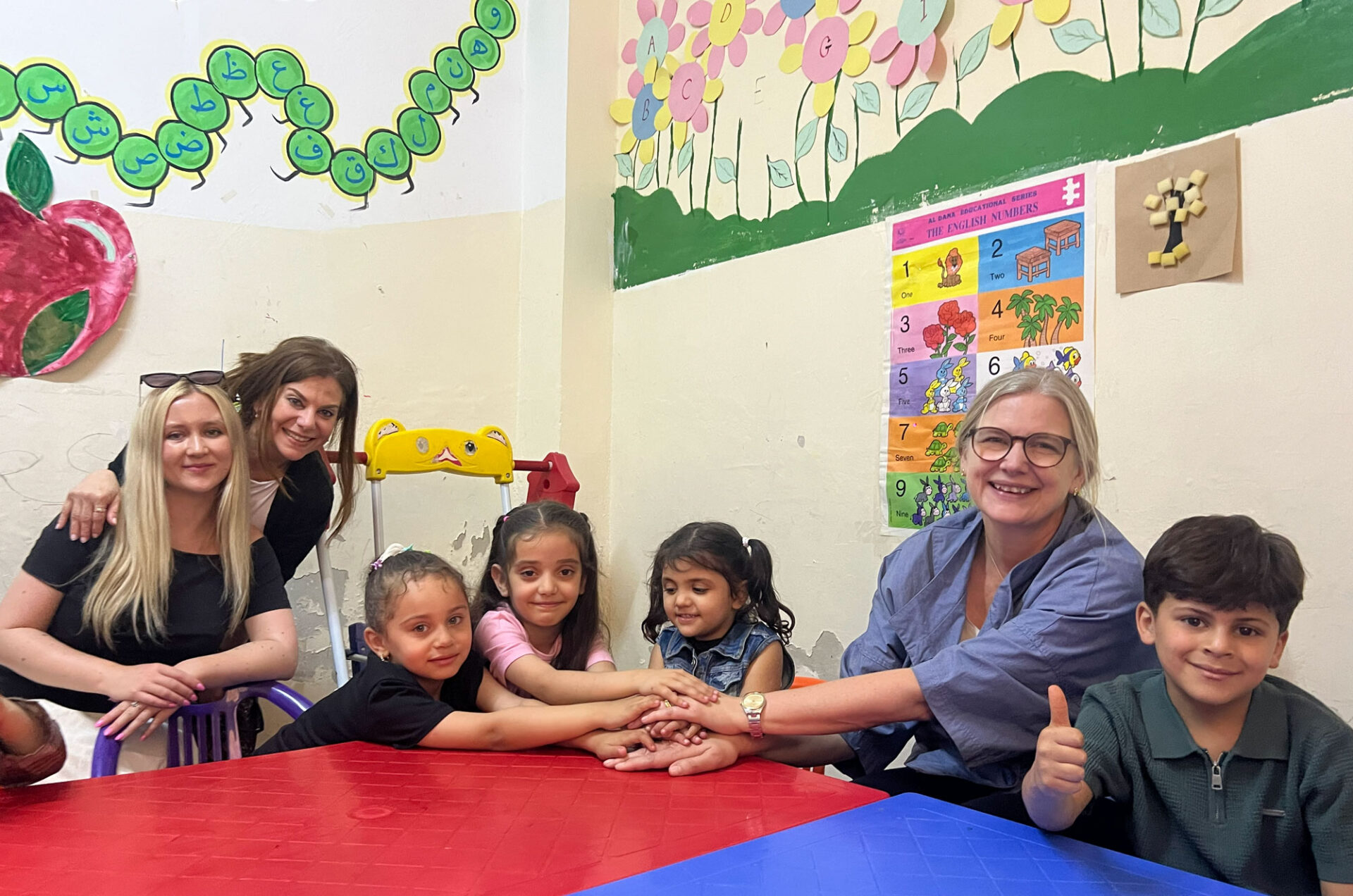
The discussions come at a time when communities across the Levant continue to face significant economic challenges. High unemployment rates, shrinking economic opportunities and the long-term impacts of displacement have made access to decent work increasingly difficult, particularly for young people and women.
“The Pact for the Mediterranean presents an important opportunity to connect regional policy with local realities,” said Madsen. “For these efforts to succeed, we must invest in partnerships that place communities at the center of the solution and leverage the experience of organizations already delivering results on the ground.”
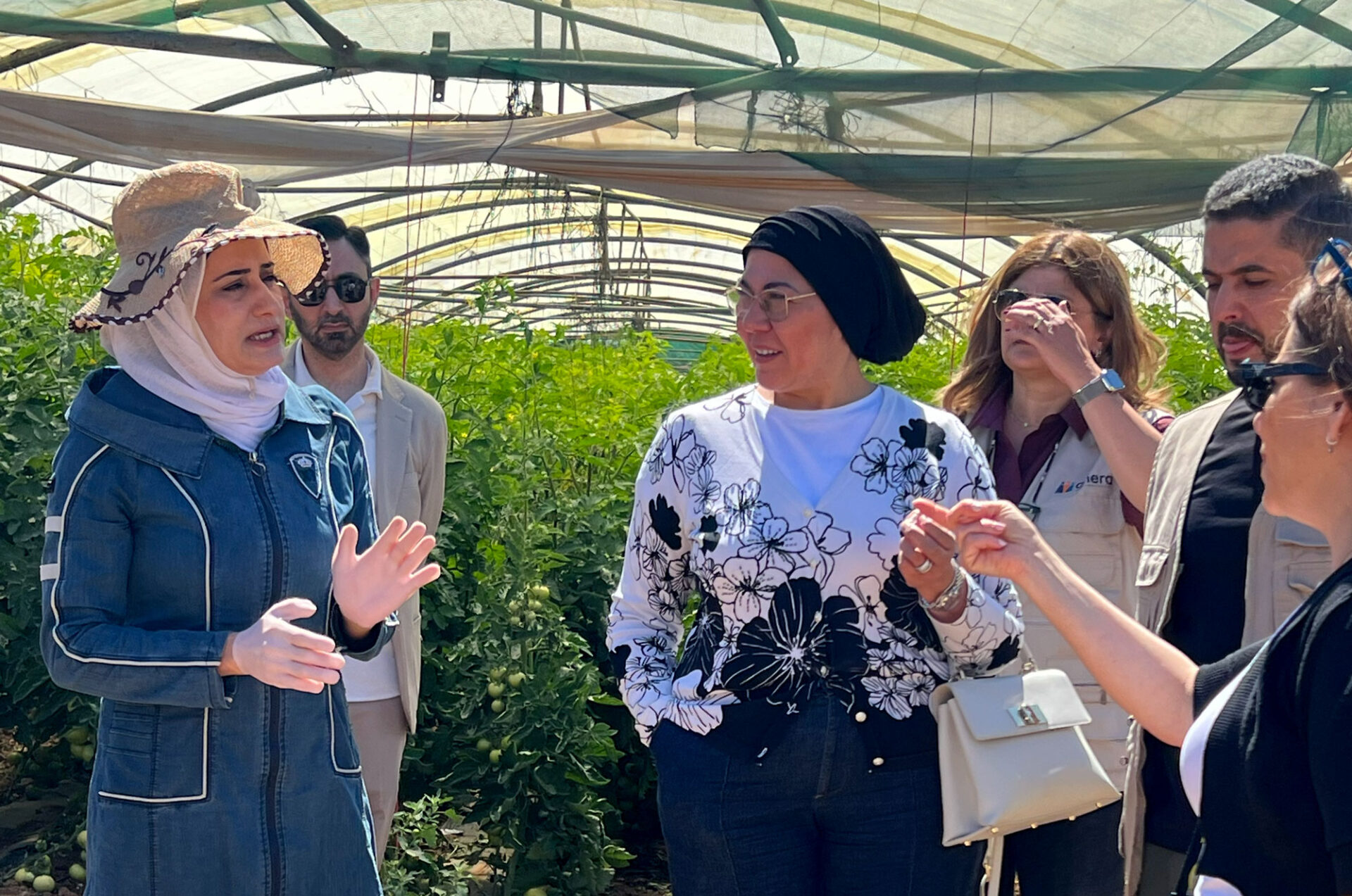
Throughout the day, panel discussions and working groups explored how the Pact’s priorities can be implemented in ways that respond to realities on the ground. Participants reflected on lessons learned from existing programs, the role of local partnerships and the importance of ensuring that investments in skills development and vocational training are closely linked to labor market needs.
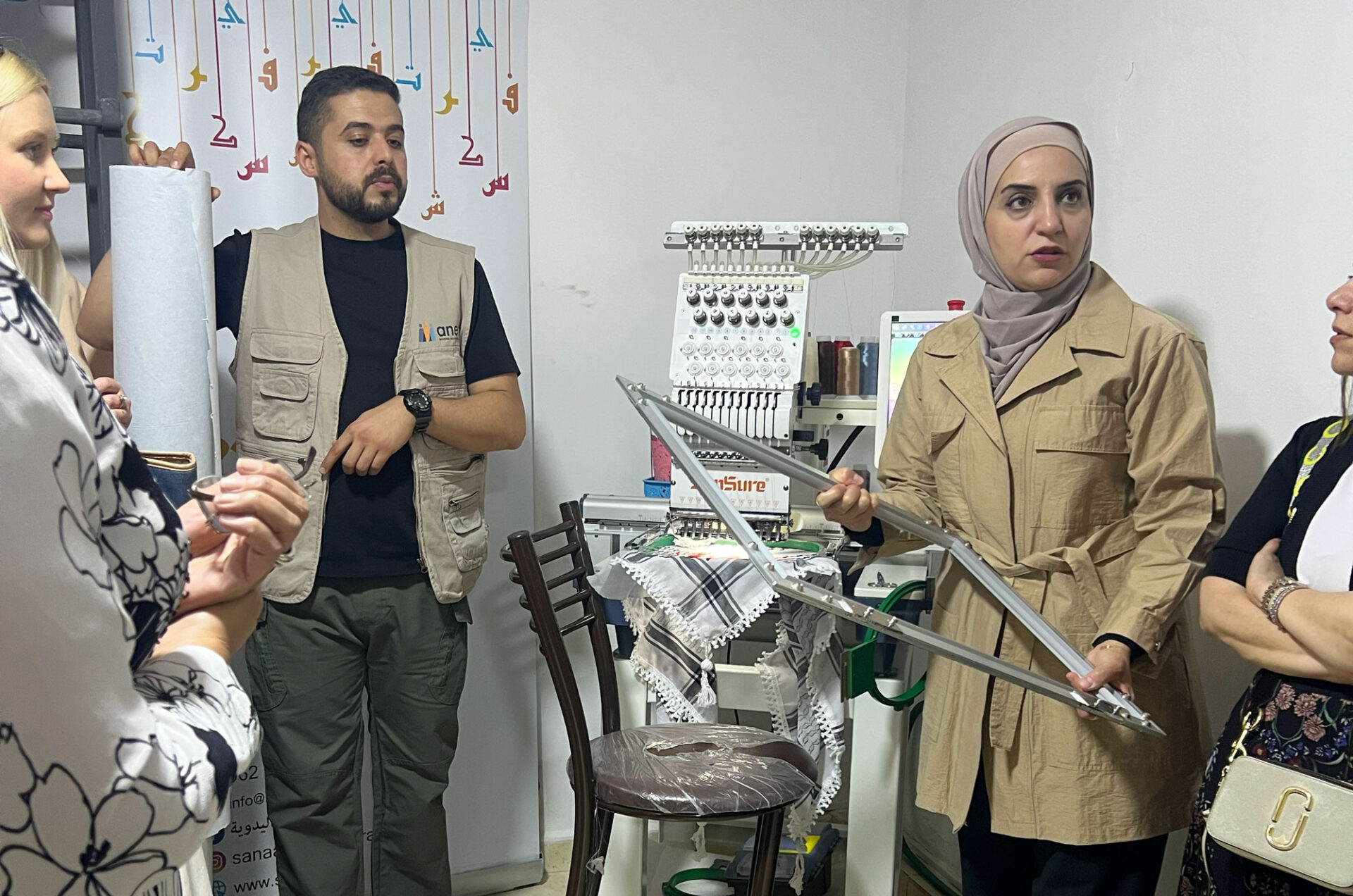
Speakers from organizations including the International Labour Organization, UNICEF, GIZ, Ibtikar Fund and other regional institutions shared experiences from projects aimed at strengthening employability, supporting entrepreneurship and expanding economic opportunities for vulnerable communities.
The workshop also brought together a diverse group of participants from organizations and institutions including ARDD, International Blue Crescent, the Center for Conflict and Humanitarian Studies, UNHCR, WFP, UNICEF, the Syrian Arab Red Crescent, the Lutheran World Foundation, BPWA, Safadi Foundation, Berytech Foundation and the Arab Trade Union. Representatives from the European Union Delegation to Lebanon, the French Embassy, GIZ and private sector partners such as Mövenpick Hotels & Resorts and the Issam Hashwi Bakery School also contributed to the discussions.
A recurring theme throughout the workshop was the value of local partnerships. Participants emphasized that successful implementation of the Pact will depend on close collaboration with community-based organizations, local institutions and businesses that understand the challenges facing communities and can help shape effective responses.
Private sector engagement was another key focus. Discussions highlighted the need to create stronger links between training programs and employment opportunities while ensuring that young people are equipped with skills that match evolving market demands.
The event concluded with participants identifying practical recommendations for advancing the Pact’s implementation in the Levant, including strengthening coordination between stakeholders, investing in locally driven solutions and building on successful models that have already demonstrated impact across the region. These recommendations will be captured in a report to be shared with participants and other interested parties.
“At the Swedish Dialogue Institute,” Måwe said, “we believe that dialogue is most valuable when it helps bridge the space between policy ambition and lived realities. The EU Pact for the Mediterranean offers an important framework for cooperation, but its impact will depend on how closely implementation is shaped by local knowledge, cross-sector partnerships, and the voices of those working directly with communities across the Levant. This workshop created space for that exchange (between policymakers, development actors, civil society and the private sector) so that future efforts can be more grounded, coordinated and responsive.”
As the Pact moves from policy discussions to implementation, workshops such as this provide an important opportunity for those working across the region to exchange experiences, identify challenges and ensure that future investments translate into tangible opportunities for the communities that need them most.