
Humanitarian Leaders Convene at Anera’s Offices in Washington to Launch New Council of Presidents as part of the Global Health & Recovery Initiative
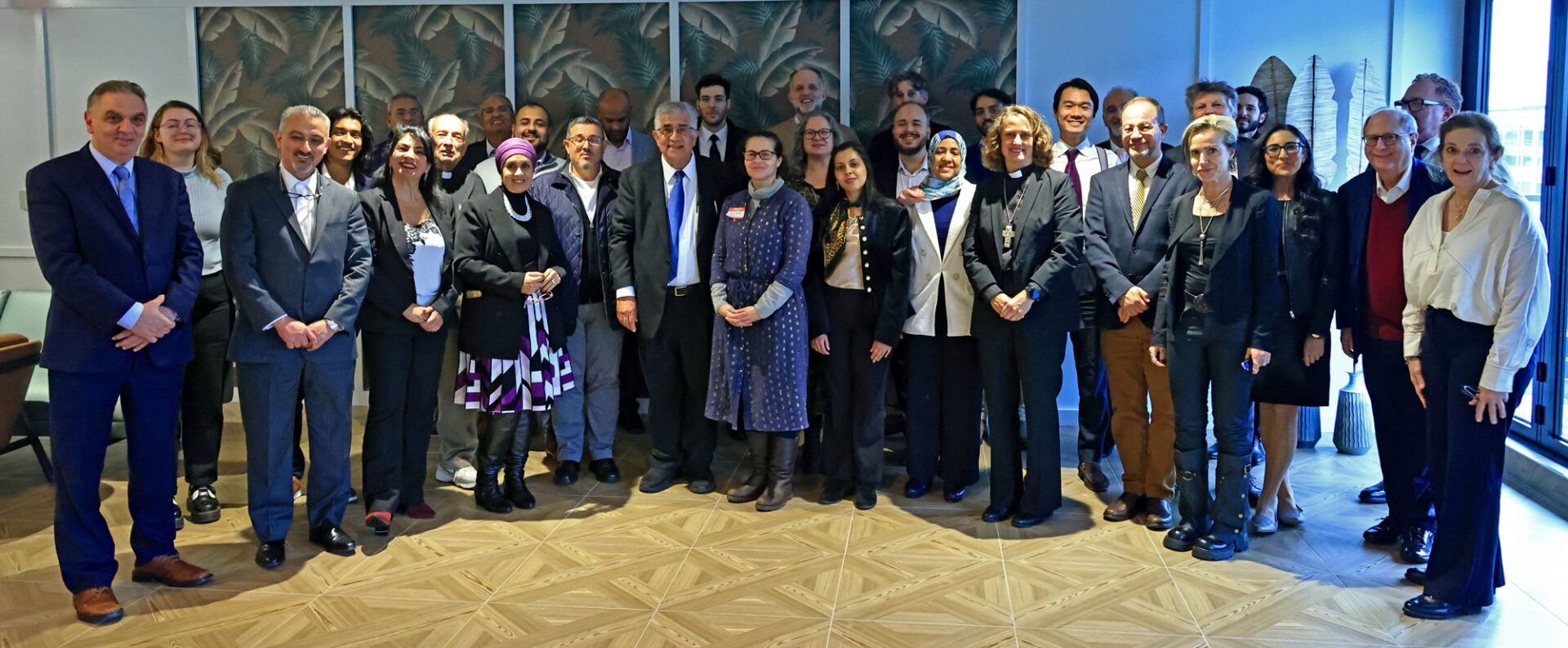
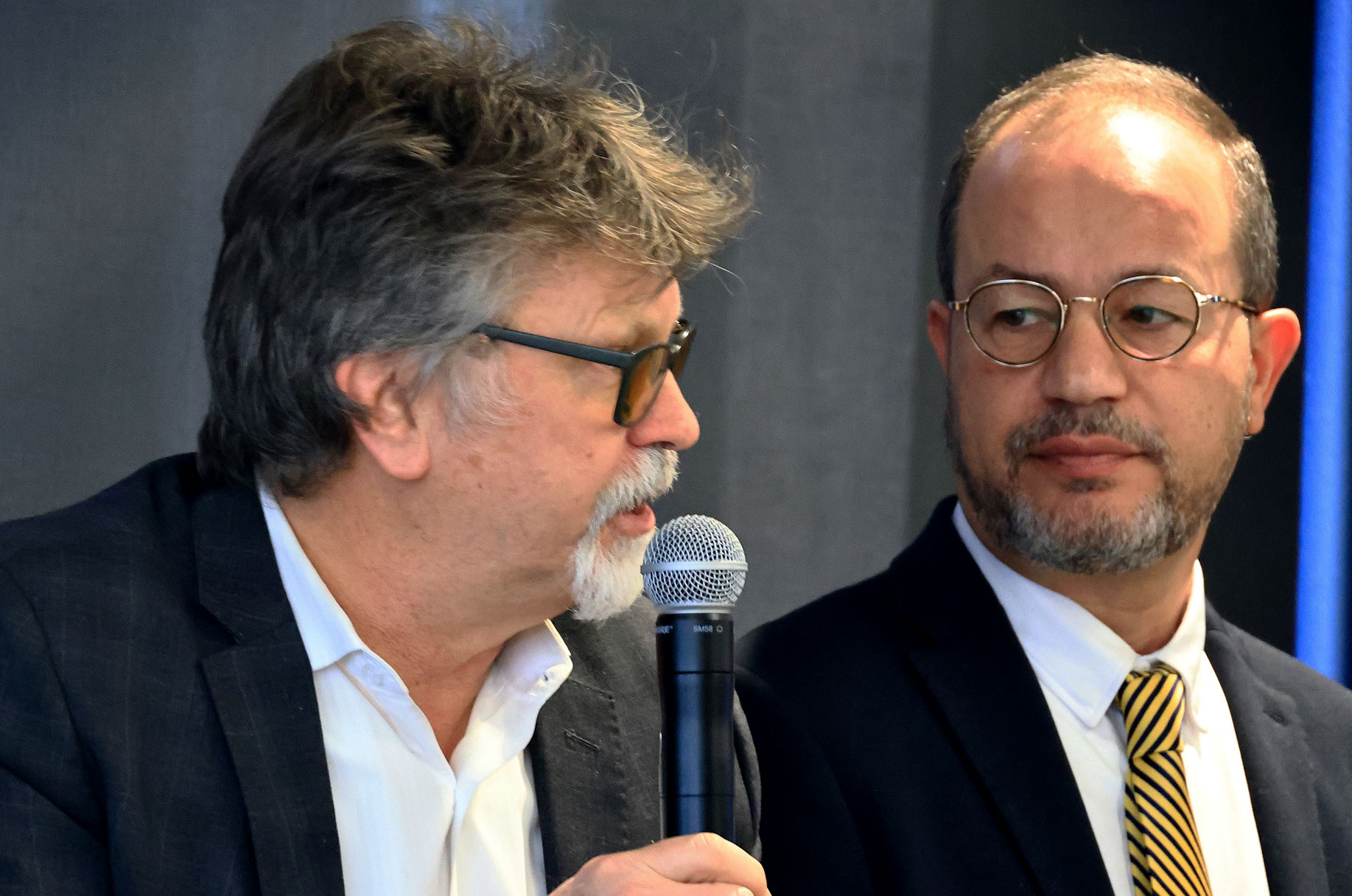
WASHINGTON (Dec. 15, 2025) — On Saturday, December 13, humanitarian leaders from across the Middle East, North Africa and the United States gathered at Anera’s offices in Washington, D.C., for a landmark roundtable designed to strengthen coordination and chart a path toward large-scale rebuilding efforts in some of the world’s most crisis-affected regions.
Prompted by the catastrophic events in Gaza, the West Bank, Lebanon, Syria and other affected areas across the region, and building on the convening and partnerships of the Gaza Health Initiative (GHI), the Global Health & Relief Initiative (GHRI) and the National Arab American Medical Association (NAAMA) convened this day-long forum to initiate a coalition dedicated to collaboration and to supporting institutions and organizations committed to humanitarian service, education and rebuilding. The effort reflects a growing consensus among association presidents and leaders eager to work together to promote improved education, exceptional and accessible healthcare, and durable civic institutions that advance well-being and peace.
“Anera is pleased and honored to have hosted this fourth meeting of what is a very robust coalition, and first meeting of its new Council of Presidents,” said Sean Carroll, Anera’s president and CEO. “The caliber of the participants – highly successful doctors as well as health, education and humanitarian leaders, many of them originally from the countries in crisis, shows the world what can be done when the right people, who understand the contexts and the challenges, and know and have the capacity to deliver the right solutions, come together to work to restore humanity and hope for a better future.”
The convening marks the first step in establishing the Council of Presidents & Rebuilding Leaders, a new collaborative body committed to advancing coordinated humanitarian action in Gaza, the West Bank, Lebanon, Syria, Sudan and other regions in urgent need.
The roundtable brought together presidents and other senior leaders for keynote remarks, structured discussions and thematic working sessions focused on long-term recovery. Participants outlined a shared vision to rebuild hospitals and strengthen local health systems; restore schools, universities, and educational opportunities; reconstruct homes and community infrastructure; expand nutrition and food security programs; develop a coordinated orphan sponsorship framework; and promote care and assistance for injured civilians. This initiative reflects a commitment to shared responsibility and collective impact at a moment when the scale of humanitarian need continues to grow.
The gathering focused on forward-looking, impartial humanitarian planning – free of advocacy or fundraising – to strengthen cooperation and elevate collective capacity.
Participants agreed to establish the Council of Presidents and adopt common guiding principles of humanity, neutrality, independence, partnership, accountability, inclusivity and sustainability. They also launched six thematic working groups covering health, education, orphans and child protection, nutrition and food security, infrastructure and rebuilding, and partnerships and coordination.
Central to the meeting’s outcomes is the announced 2026 Unified Humanitarian Campaign, which aims to rebuild 100 schools, provide 20,000 orphan sponsorships, reconstruct two hospitals and rehabilitate two universities in Gaza.
This special event represented a rare and timely opportunity for unity among humanitarian leaders committed to restoring dignity and rebuilding lives in communities devastated by conflict. Participants underscored the importance of trust, respect and professionalism as they begin this long-term collaborative effort.
SEAN CARROLL IS AVAILABLE FOR A LIMITED NUMBER OF INTERVIEWS
For more information or to arrange an interview:
In Washington
Steven Fake
Media Relations Officer
202.266.9719
[email protected]
(UTC-05)
About Anera
Since 1968, Anera has helped refugees and others hurt by conflicts in the Middle East live with dignity and purpose. Anera, which has no political or religious affiliation, works on the ground with partners in the West Bank, Gaza, East Jerusalem, Lebanon, and Jordan. We mobilize resources for immediate humanitarian relief and for sustainable health, education, and economic development efforts. Our staff are from the communities they serve, navigating the politics that constrict progress to get help where it’s needed most. We will keep building better lives until hope finds its way in the Middle East.