Jul, 2025
Thanks to medical aid from Direct Relief, we're delivering paliperidone and other essential medications to help Lebanon’s largest psychiatric hospital close a dangerous treatment gap.
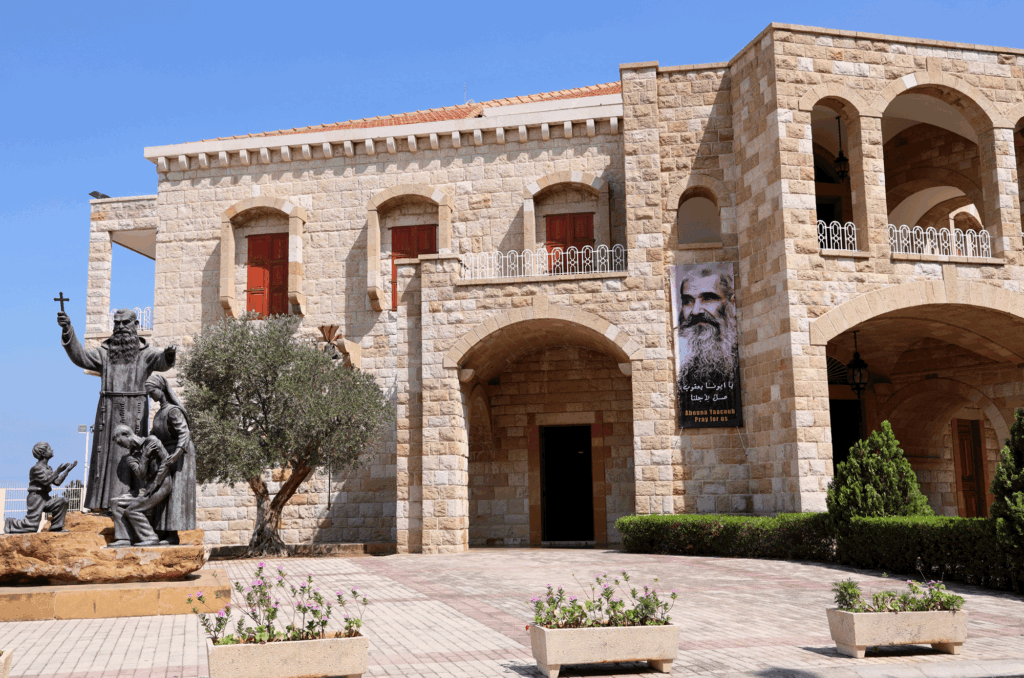
At the Psychiatric Hospital of the Cross (also known as Deir Al Salib), the halls carry the weight of illness — but also stories of resilience. Nestled on the outskirts of Beirut, this hospital is where psychiatrists, doctors, nurses, and pharmacists face daily challenges as they care for some of Lebanon’s most vulnerable patients: adults and children living with severe psychiatric conditions, many of whom have nowhere else to turn.
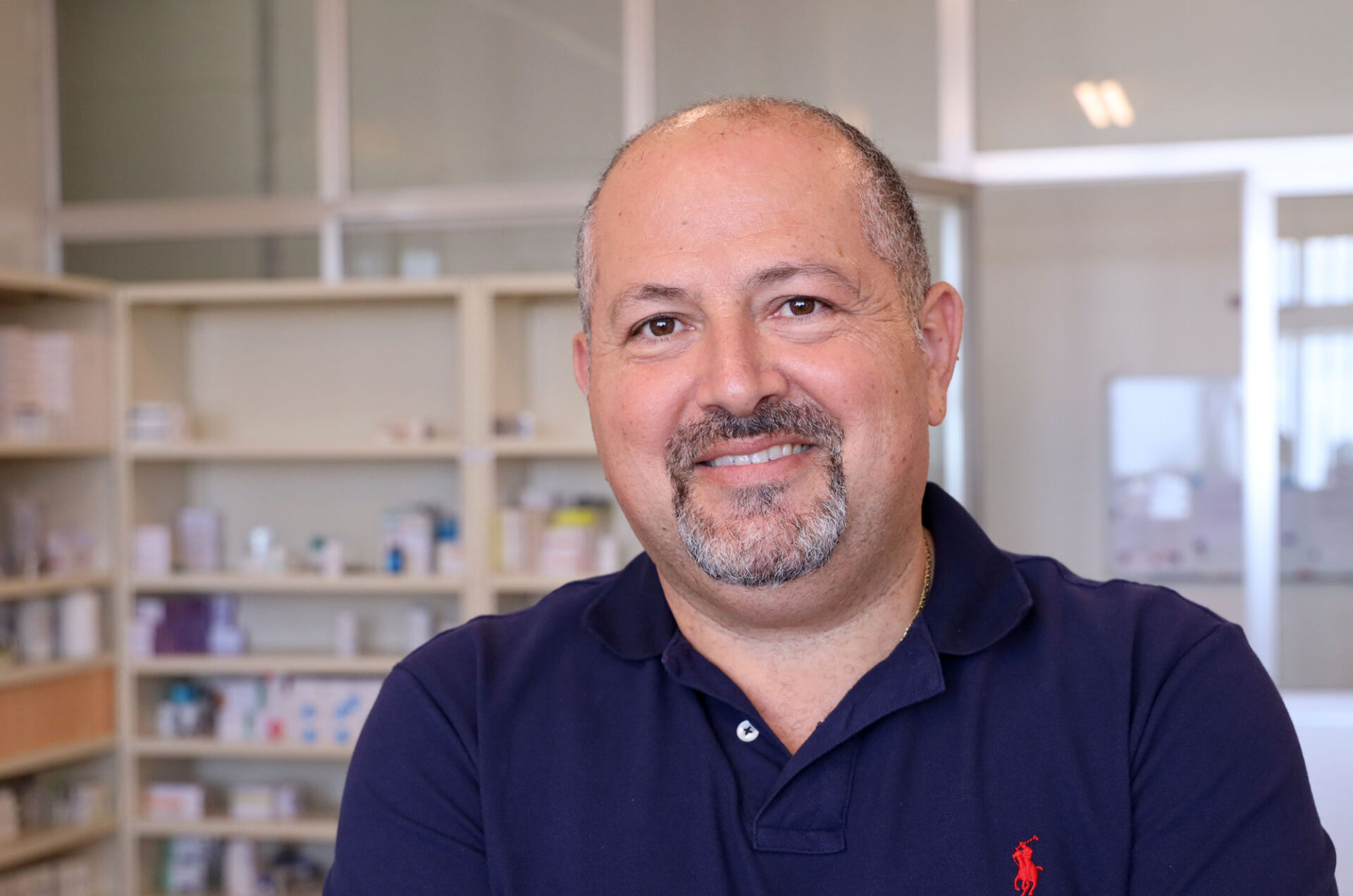
“For most of our patients, especially those with schizophrenia, treatment is not optional — it’s essential for survival,” says Fouad Tahan, a psychiatrist at the hospital. “But we face a major challenge: people with schizophrenia often lack awareness of their condition. When their medication runs out, or they simply stop taking it, they relapse and the cycle begins again.”
This situation nearly took a sharp turn for the worse. Due to Lebanon’s ongoing economic crisis and the Ministry of Public Health’s limited resources, supplies of a life-saving antipsychotic, paliperidone, were running dangerously low at the hospital.
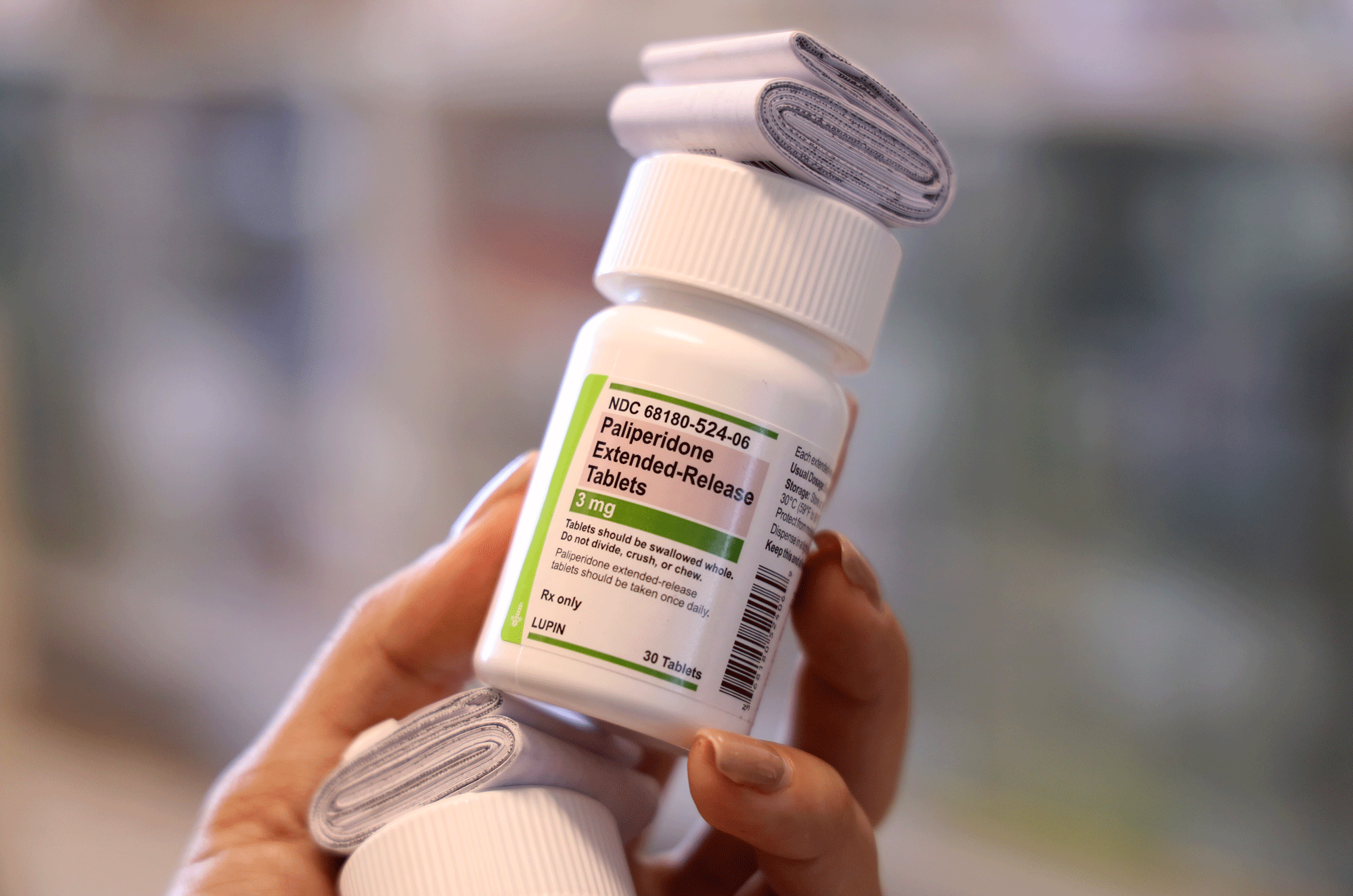

"[Paliperidone] reduces relapse, improves quality of life, and has fewer side effects than older medications."
Paliperidone is no ordinary medication. It's a modern antipsychotic used to treat schizophrenia and bipolar disorder. It helps in reducing hallucinations, mood disturbances, and disorganized thinking with an efficacy that health professionals consider a game changer.
“It helps patients stick to their treatment plans,” Tahan says. “It reduces relapse, improves quality of life, and has fewer side effects than older medications.”
But the cost of a box of 28 pills far exceeds the reach of most families. And without access to this medication, patients face increased hospitalizations, worsening symptoms, and lost chances at recovery.
That's when help arrived.
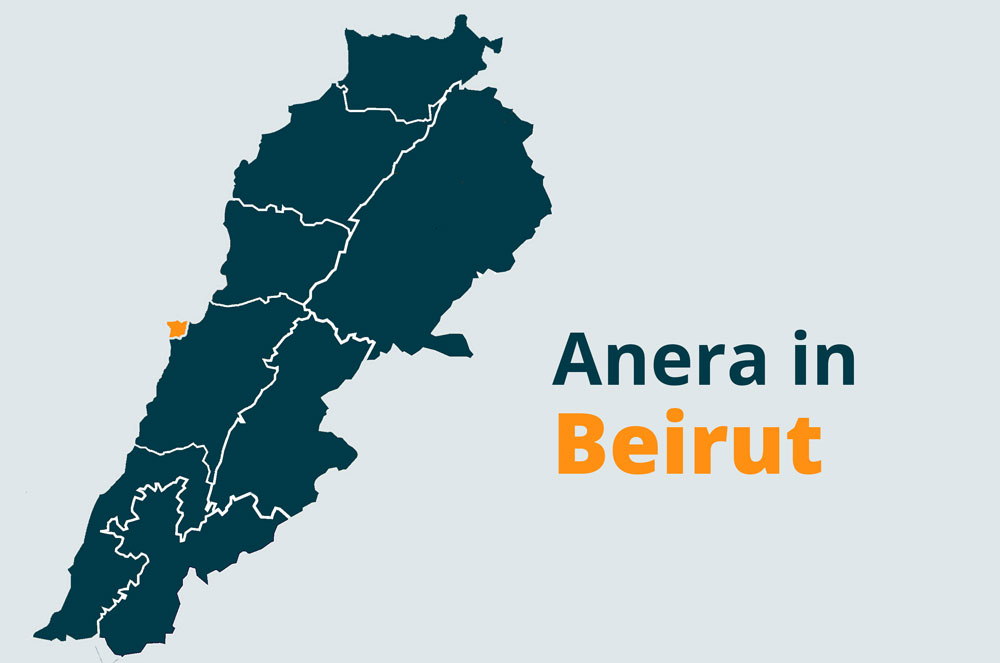
Anera, with support from Direct Relief, delivered a shipment valued at $120,000 to five public hospitals across Lebanon, including the Psychiatric Hospital of the Cross. The donation included paliperidone in various dosages, along with other psychiatric medications, surgical supplies, and treatments for chronic conditions like diabetes. In total, the medicines will benefit more than 3,000 patients across the country.
“It came at a critical moment,” says Rose Salemeh, head pharmacist at the hospital.
“We were nearly out of paliperidone. Patients covered by the ministry typically receive older-generation medications, which are less costly but often come with more side effects. Thanks to this donation, they now have access to a newer, more effective treatment.”
For Rose, every donated box is a lifeline. “If patients don’t get paliperidone, they relapse. But when they do receive it consistently, many can live stable, functional lives.”
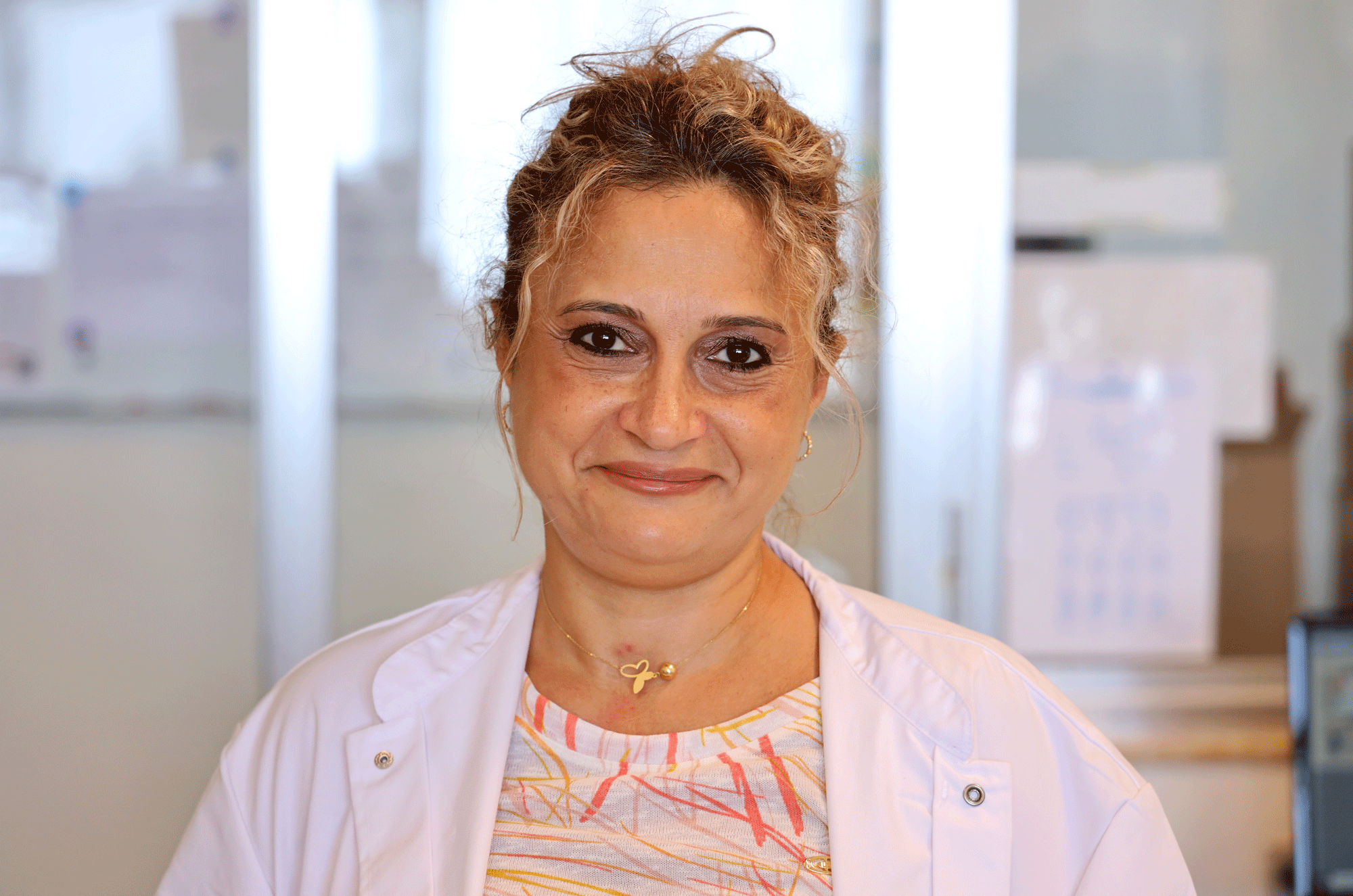
"Thanks to this donation, [patients] now have access to a newer, more effective treatment.”
The shipment also allows the hospital to extend inpatient and outpatient care. “When they can't afford the medication, we now have something to offer them,” Tahan adds. “And for patients who experienced harsh side effects from older drugs, paliperidone gives them a second chance.”
These donations are a lifeline for families, a support to the overburdened healthcare workers, and a reminder that even amid war, collapse, and uncertainty, dignity in care is still possible.
But the needs are growing. Lebanon’s mental health system, already under-resourced, now shoulders even more strain in a time of national crisis. Continued support is vital.
“We are doing everything we can,” Rose says, “but we can’t do it alone.”

Our Partner

Anera and Direct Relief are members of