Aug, 2025
Youth in Lebanon reclaim their futures through competency-based training programs.
This program is supported by UNICEF.

In the wake of the recent war, communities across southern Lebanon are not yet able to start rebuilding. For many young people living in camps, recovery means not only repairing homes, but also reclaiming their futures.
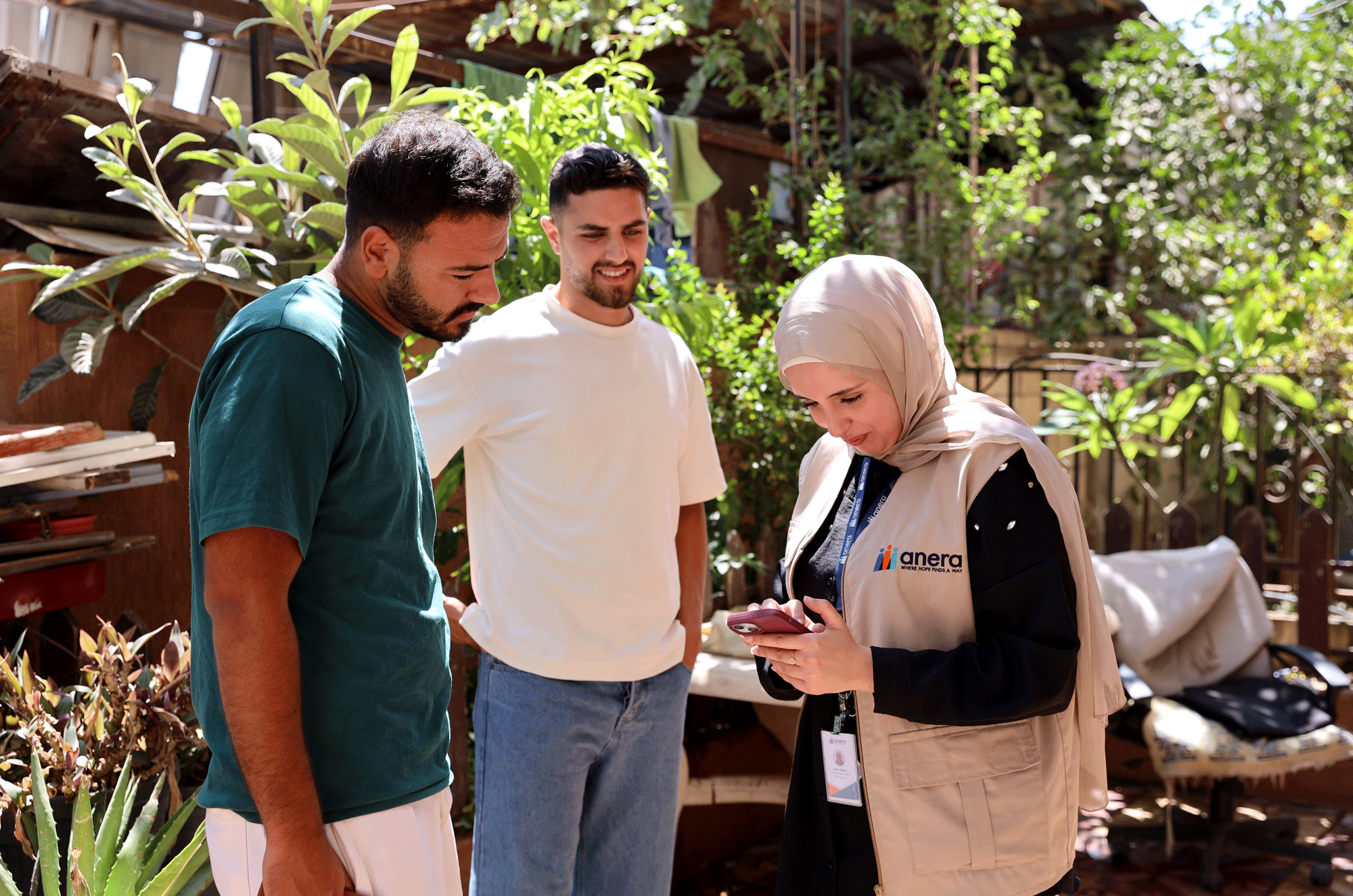
Through the Learning to Earning and Cash for Work program supported by UNICEF and implemented by Anera, Knowledge for Progress competency-based training programs were launched in the south. The goal is to equip youth with practical skills in Microsoft Office, ethical surveying, and basic data analysis tools that empower them to collect meaningful, accurate data to shape recovery planning and meet urgent community needs, including support for persons with disabilities. These efforts help inform the delivery of critical services such as food kits, hot meals, beds, and mattresses for vulnerable families.

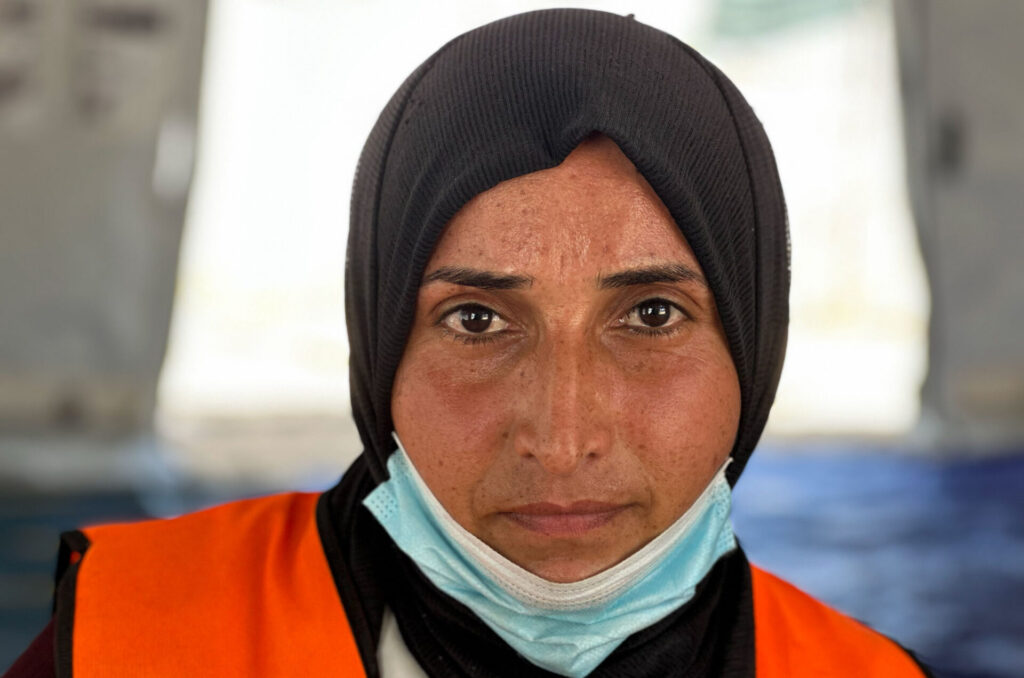
"I realized the importance of accurate data collection in our daily lives..."
For Nagham, a 21-year-old participant, the training was transformative. "I participated in a short course on data collection, where I learned how to gather information in an organized and accurate manner,” Nagham says. “I realized the importance of accurate data collection in our daily lives, not only as a technical skill but also as a way to improve the services provided to our community.”
This competency-based training program began with technical training in data collection, coupled with life and employment skills training. The life skills component covered four key areas: self-awareness, understanding others, effective communication, and identifying local service gaps. These competencies equipped participants to lead social cohesion efforts, a critical part of Lebanon’s post-war recovery in which rebuilding trust, unity, and shared purpose is vital for long-term stability.
The training quickly shifted from theory to impact. The participants used their new skills to conduct surveys across the communities, documenting living conditions and the pressing needs of their neighbors, including persons with disabilities.
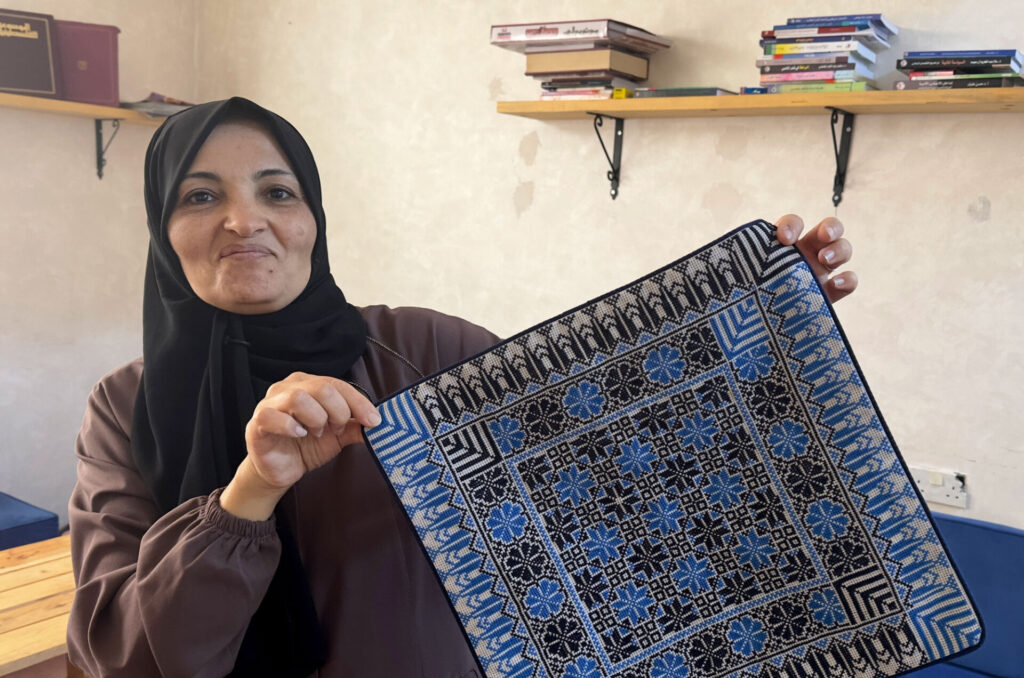
“It wasn’t just about filling out forms,” Nagham explains. “We were amplifying people’s voices and making sure their needs would finally be heard by the associations that can support them. This work built my self-confidence and taught me how to approach people with empathy and respect.”

"This work built my self-confidence and taught me how to approach people with empathy and respect."
For Iman, a 22-year-old youth, the training offered a chance to overcome personal barriers. “I joined this course to gain real-life experience and to challenge my social anxiety,” Iman says. “It taught me how to communicate with people on the ground and how to problem-solve when things get tough. These are skills I will carry into my career.”

Iman also saw the training as an opportunity to reconnect with her community. “We walked into homes where people lacked the most basic necessities – no fridge, no gas, nothing. They were right next to us, and we didn’t see them. This built a sense of empathy in us.” This eye-opening fieldwork motivated Iman and her peers to document these stories carefully, knowing the data would help organizations plan better services. “We filled out each questionnaire hoping it would bring real help to those who need it,” she says.
"I feel ready to face challenges in the field and beyond."
Over 40 days, youth collected up-to-date data across locations in the South. Their work is now contributing to a reliable information system that enables local organizations to plan targeted programs, distribute aid more effectively, and reach those who are often overlooked. In return for their efforts, each participant is enrolled in UNICEF’s Cash for Work program, earning $600 in income, which provides meaningful livelihood support in a time of crisis and need. More importantly, these young people are gaining skills, confidence, and a renewed sense of purpose while becoming agents of change within communities affected by war.
“This experience gave me professional, practical, and personal growth,” says Nagham. “I feel ready to face challenges in the field and beyond.” Iman agrees, “We learned to communicate, to lead, to show up for people who have been invisible for too long. This is what real impact looks like.”

Lebanon
South Governorate
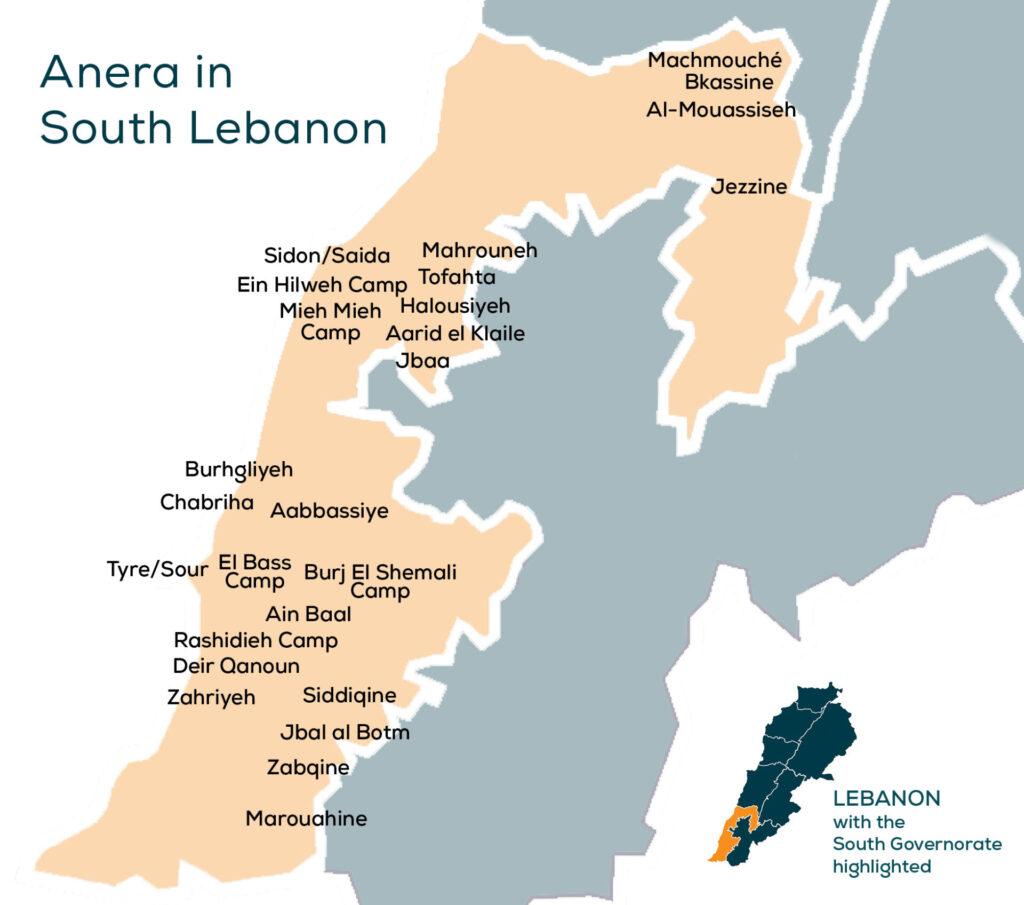
The South Governorate of Lebanon is a beautiful place with white beaches, archeological ruins, bustling old souks, fertile fields of citrus and banana trees, and a deep history. Its residents are from different religions: Shia and Sunni Muslims, Druze, Eastern Orthodox, Maronite, Protestant, and Greek Catholic Christians. Its biggest cities are also the third and fourth largest in the country, Saida and Tyre.