
Winter Storms Put Gaza Displaced Families at Greater Risk
 by Anera
Over the past week, the world witnessed the devastating impact of flooding in Gaza. A major storm that struck Gaza between November 6 and 8 flooded displacement sites across the Gaza, damaging or destroying thousands of makeshift shelters, and leaving families struggling to salvage what little they had left. Many spent nights exposed to rain and cold, with mattresses, blankets, clothing and other essential belongings soaked or ruined.
Flooding in Gaza is not new. But the ability of humanitarian organizations to respond to the growing needs is severely limited. Shortages of essential supplies, restrictions on bringing materials into Gaza and limited operational resources all constrain what organizations can do.
As Anera’s Palestine country director, Khaled Rajab, explains: “Anera, like other international humanitarian organizations operating in Gaza, is closely monitoring the evolving situation and coordinating efforts to respond to urgent needs. Our teams remain committed to supporting affected communities and doing everything possible with the resources available. However, the severe shortages of essential supplies and limited operational resources continue to constrain the capacity of all humanitarian actors to respond at the scale needed.”
When the Rain Comes in Gaza, There is Nowhere To Go
According to a preliminary November 8 update from the UN Shelter Cluster, approximately 152,662 people, or 26,321 households, were affected by the storm. Some 6,136 shelters were destroyed and another 17,400 were damaged. Nearly 4,000 families were left sleeping outdoors.
After three years of destruction and repeated displacement, the flooding is yet another devastating setback. Many displaced families live in tents or makeshift shelters set directly on the ground. Without proper drainage or raised foundations, rainwater quickly seeps inside. Bedding is soaked, clothing is ruined, and families lose the few household items they have managed to keep through repeated displacement.
Standing water and overflowing sanitation systems also create serious health risks. Flooding can increase exposure to contaminated water and contribute to respiratory infections, skin conditions, and other illnesses.
Children, older people, and people with disabilities face particular risks from prolonged exposure to cold and damp conditions. And the storm damage comes on top of an already severe humanitarian crisis, with families struggling to access clean water, adequate sanitation, food and safe places to live. With more rain expected throughout the winter, the need for better shelter and protection is urgent.
4 Ways Anera Plans to Help Gaza Families This Winter
Anera’s five-month winter response plan will help displaced families withstand the cold and rain by combining emergency assistance with practical improvements to shelters and displacement sites. The goal is not simply to help families get through the next storm. It is to improve the places where they are living so they have greater protection from the weather throughout the winter by focusing on four areas:
#1: Building safer, more weather-resistant family shelters
Anera plans to construct 200 improved family shelters using locally available materials. Each shelter will provide approximately 44 square meters of covered living space for a family of six to 10 people. Unlike conventional tents, these structures will have raised, drained floors, waterproof walls and roofs, and a pitched roof to help rainwater run off. The design includes two bedrooms, a central kitchen and bathroom, and provisions for basic lighting, plumbing, and sanitation where safe and feasible.
The shelters are designed to offer families a more protective temporary home, particularly those whose previous shelters have been destroyed or made uninhabitable.
#2: Reducing flooding in displacement sites
Keeping water out of individual shelters also requires addressing the conditions around them. Anera plans to make drainage improvements at 20 displacement sites, clearing blocked drains, creating surface drainage channels and improving pathways and drainage outlets to help move rainwater away from shelters.
Anera also plans to raise the foundations of approximately 200 existing tents, using compacted fill, gravel and waterproof floor layers. These improvements will help keep rainwater from entering tents and protect families’ bedding and belongings.
#3: Providing emergency shelter repairs and winter supplies
Many families are living in damaged tents that can be repaired. Anera plans to distribute 3,000 emergency shelter repair kits containing waterproof tarpaulins, ropes, fasteners, and patching materials. These supplies will help families repair roofs and walls, seal openings, and reinforce their shelters against rain and wind.
Another 2,000 families will receive winter household kits or vouchers for essential items such as blankets, mattresses, warm clothing and protective coverings. Priority will go to families living in makeshift shelters and overcrowded displacement sites, especially households with children, older people, people with disabilities, and women-headed households.
#4: Helping families access healthcare and medicine
Cold, wet conditions and overcrowded living spaces increase the risk of illness during winter. Respiratory infections, waterborne diseases, and skin conditions are particular concerns for people living in flooded or poorly protected shelters.
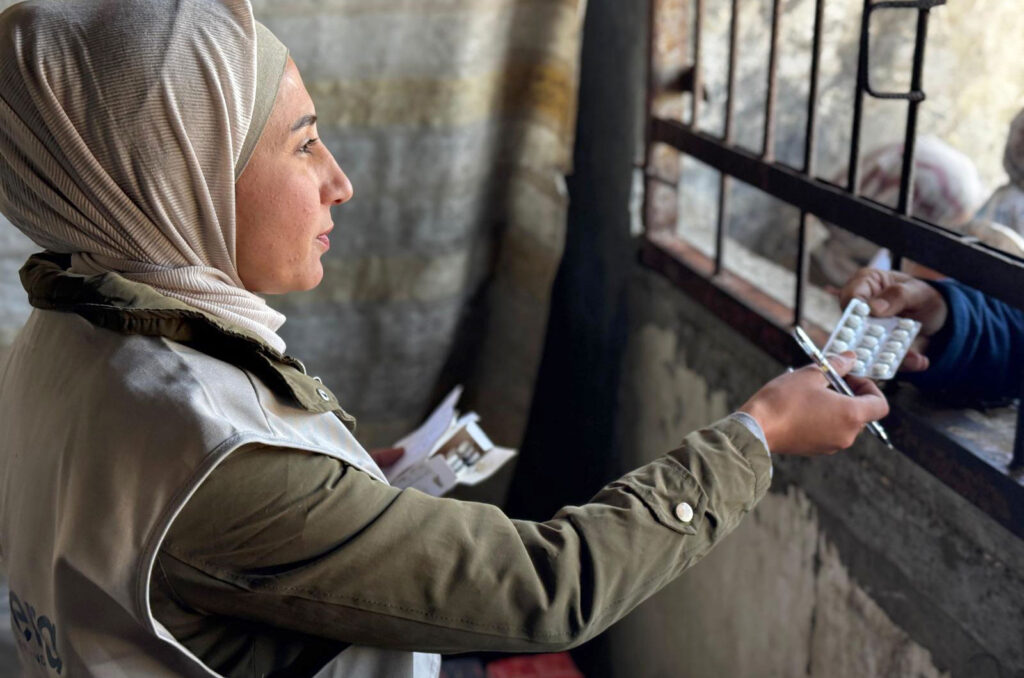
Anera plans to allocate $150,000 for essential medicines at three Anera-supported clinics in Deir Al Balah, Khan Younis, and Gaza City. The additional supplies will help the clinics respond to increased winter-related health needs and continue treating patients who are especially vulnerable to the effects of severe weather.
Helping families face the months ahead
For displaced families in Gaza, winter is not simply a change in season. Every storm brings the risk of losing shelter, belongings, and what little sense of safety they have left.
Anera has developed a winter response plan that would provide safer shelters, improve drainage, deliver essential winter supplies, and help clinics treat winter-related illnesses. Using locally available materials and addressing both household and community needs, this work would help families better withstand the months ahead.
But this plan depends on raising funds to make it happen. Families should not have to face the rain and cold without protection. Please give today to help Anera provide safer shelter, warmth, and healthcare to families in Gaza this winter.
OUR BLOG
Related
 by
Last week, I returned from a two-week trip to visit Anera’s country offices in Palestine, Lebanon and Jordan. It was the first chance I’d had to visit all three back-to-back, and it let me see with different eyes. Each of…