
Staying With Communities Through the Layers of Displacement
 by Alicia Phillips Mandaville
Posted in: Voices from the field
Last week, I returned from a two-week trip to visit Anera’s country offices in Palestine, Lebanon and Jordan. It was the first chance I’d had to visit all three back-to-back, and it let me see with different eyes.
Each of Anera’s country teams faces different contexts, needs, and constraints. Each requires different relationships, resources, and strategies to achieve our goals. But seeing them sequentially really drove home that Anera’s greatest strength is meeting the needs of the displaced, whatever that may look like and however that may change.
This diversity of need, experience, and evolution of the displacement experience is easy to miss when we talk about displacement as a single event. In reality, displacement is a life-altering, ongoing process.
Leaving home can mean losing access to a doctor who knows your history, a reliable income, or the neighbors who help care for your children. It can mean starting over in any number of ways. But it’s not a one-time event: losses accumulate when people are forced to move repeatedly.. Over time, new needs emerge alongside the original ones, and recovery is often asymmetrical. A family can still need food assistance years after fleeing home, even as a parent builds a business or a child resumes learning. The risk of another displacement or setback hangs over everything.
Throughout this trip, I kept thinking about these layers of displacement, and how much of Anera’s work is about recognizing and responding to them. Anera is a relative constant across deeply difficult and unpredictable experiences.
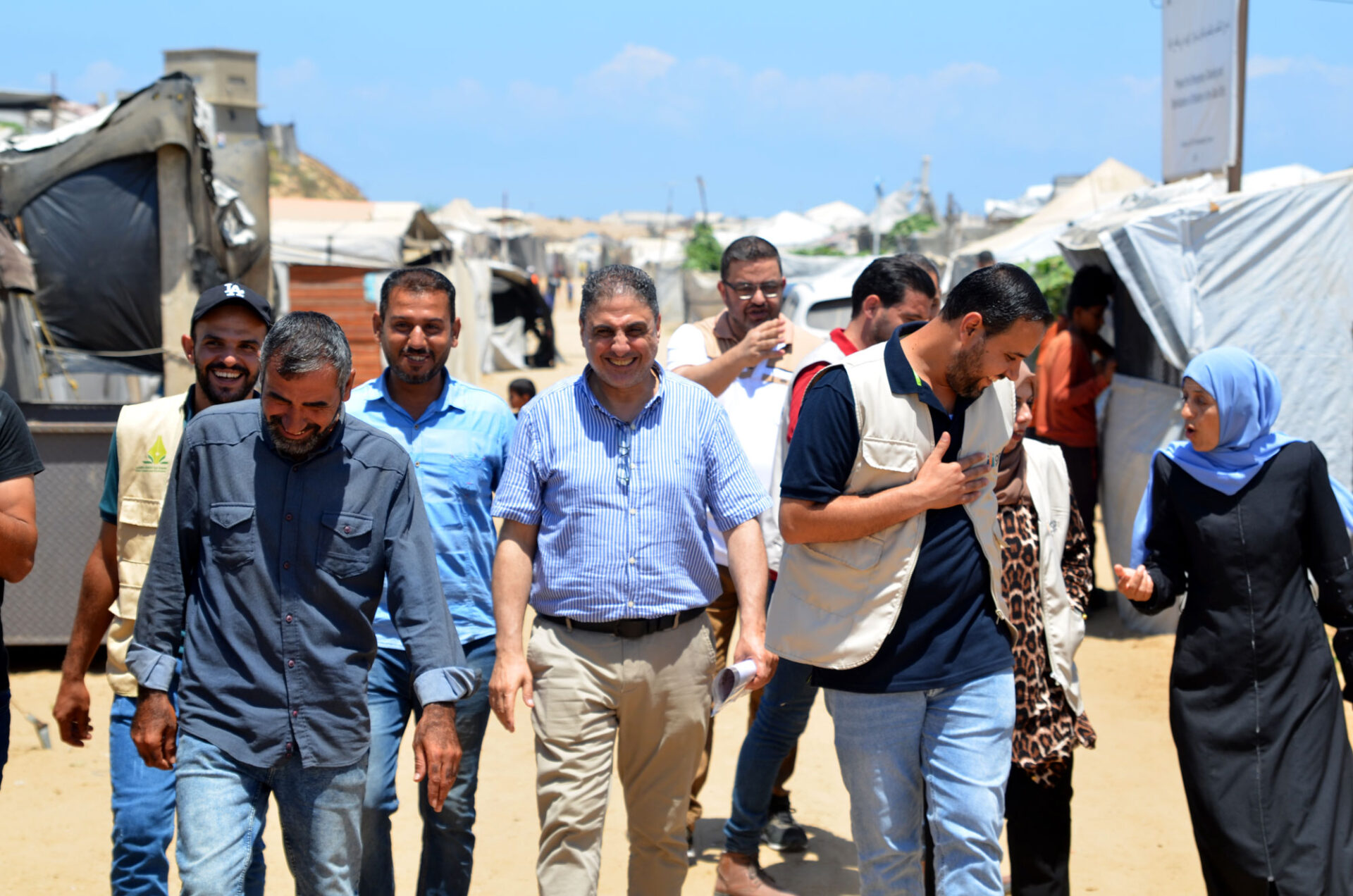
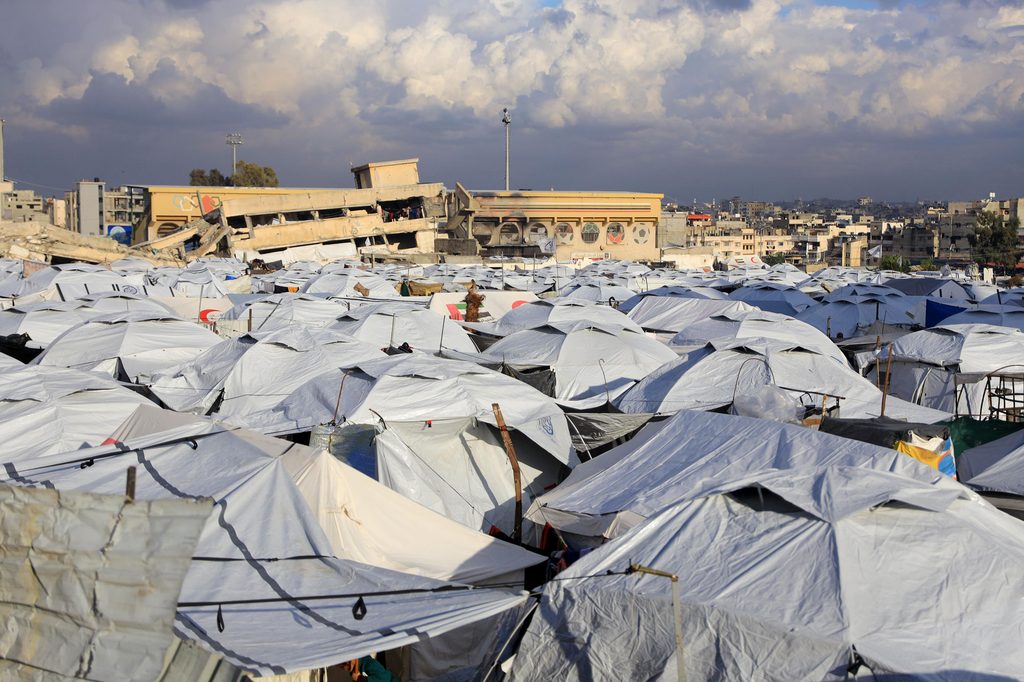
In Gaza, families have been forced to move again and again, carrying what they can and starting over with less. Through our integrated shelter program, Anera provides food, clean water, medical support, sanitation and other essential services together in the places where displaced families are staying. When people are able to remain in one place, we can begin to help rebuild the community taking shape around them.
That means thinking about daily life beyond aid distributions. Children need opportunities to learn. Families need access to healthcare and safe sanitation. People need ways to participate in decisions affecting the places where they live. These needs are connected, and our response must account for that.
While some families feel they are regaining some footing, another family may have just lost the tent that was their only shelter. For them, the urgent need is once again food, clean water, and a dry place to sleep. Our teams have to respond to that emergency while continuing to serve families whose needs have evolved. Both realities can exist in the same community, on the same day.
Displacement also affects the institutions people rely on.
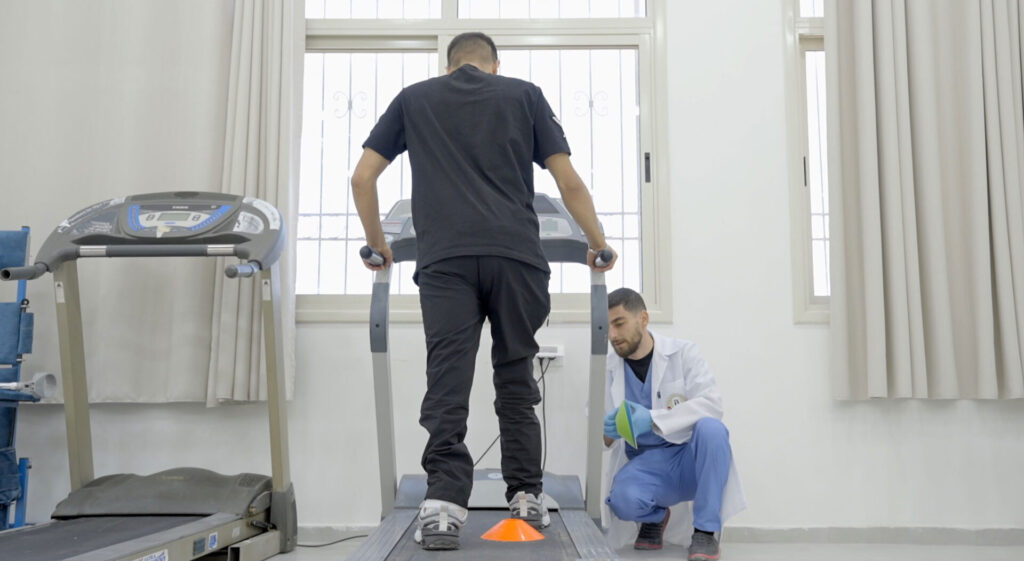
In the West Bank, a medical center that had served the Jenin refugee camp for decades was itself forced to relocate. The Al Jaleel Society for Care and Rehabilitation continued its work from a new location outside the camp, even as violence and displacement increased the need for its services.
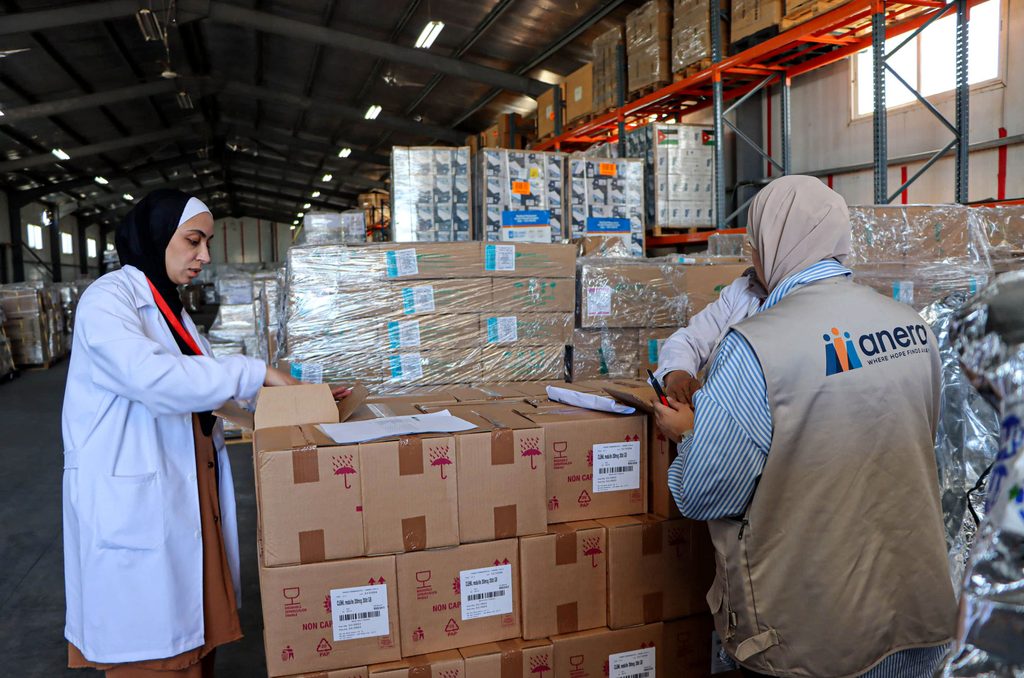
Anera helped equip the rehabilitation room and supported services for people living with injuries and hearing loss. Through a mobile clinic, the center is also able to meet the broader community where it is. When patients are scattered or cannot easily travel, care has to find another way to reach them.
The Al Jaleel Society’s adaptation resonates with me. A community’s ability to recover depends in part on whether the organizations that have cared for it can keep functioning. Supporting a displaced medical center helps preserve relationships and expertise built over many years. It gives people somewhere to turn when so much else has become unfamiliar.
In Lebanon, another example brought the passage of time into sharp focus. A man displaced from Syria more than four years ago has built a sewing business. With Anera’s help, he has received financial and technical support. But while his business now has four walls and electricity, he returns home each day to the tent he has lived in since he and his family left Syria.
That is an uncomfortable reality, and a useful reminder of how unevenly life moves forward during displacement. An opportunity to earn a living can make a real difference, without resolving every other hardship. His business supports his family and serves many in his neighborhood. Supporting its growth recognizes his skills and the contribution he is already making to his community. But it doesn’t mean the array of other difficulties he faces are near resolution.
In Jordan, Anera is working with people temporarily evacuated from Gaza for medical treatment, along with the relatives accompanying them. Patients and their families are staying in designated accommodations during treatment, but their ability to move freely in Amman is limited and all are uncertain about when they can return home.
Medical care is essential. So is attention to what happens during the hours between appointments, especially for children and caregivers living far from familiar people and places.
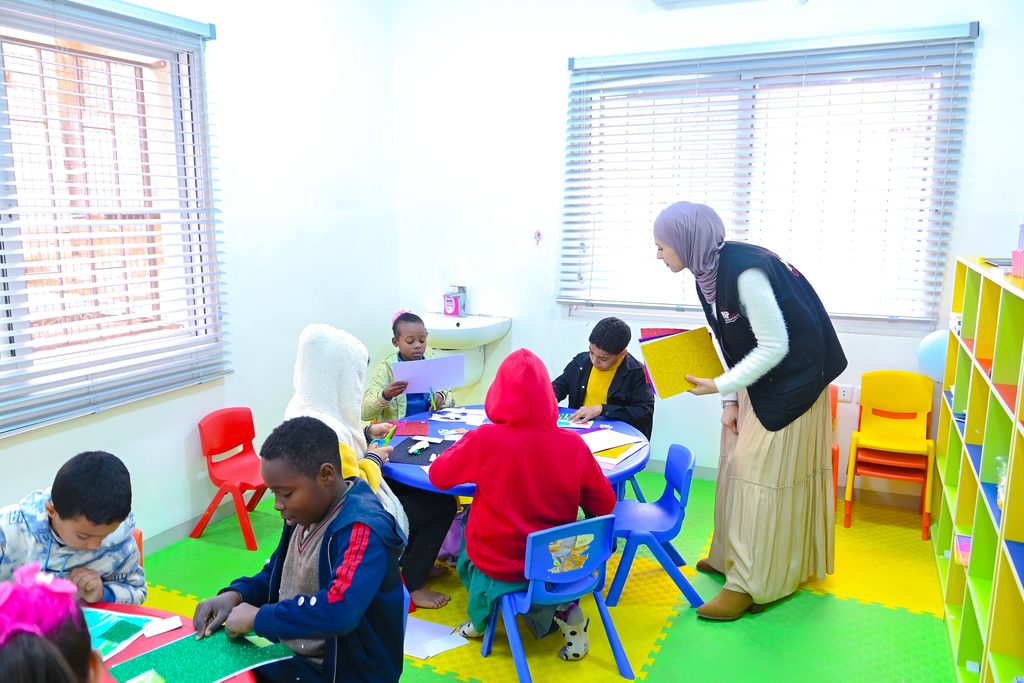
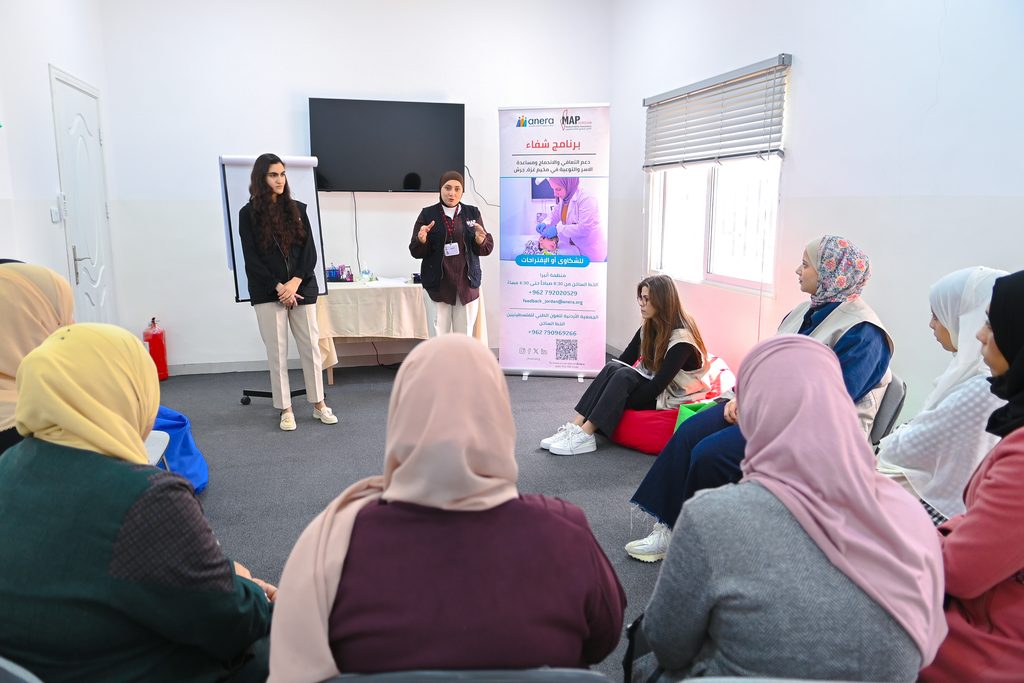
Anera has therefore focused on creating a community space where these families can spend time together. We’re providing psychosocial support for patients and their relatives. There is room for children to play and learn, and for adults to connect with others who understand something of what they are experiencing.
For a parent caring for an injured child, or a child accompanying a relative through treatment, those opportunities matter. Recovery involves the whole family: the people providing care need support too. The uncertainty of being away from home does not disappear when an appointment ends. And the impacts of displacement – and thus the needs of the displaced – span the entire mosaic of a person’s and a family’s life.
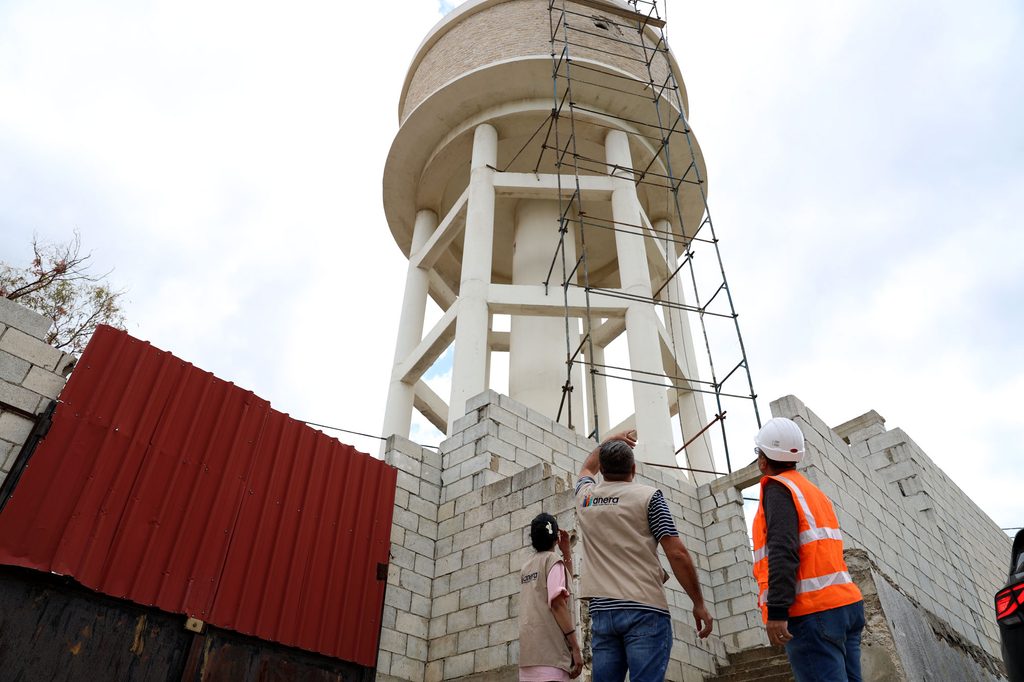
Then there are the layers of displacement that extend across an entire town or region. In southern Lebanon, Anera is working with water utility managers to adapt to the impacts that displacement has had on local systems. When people move to Tyre or nearby communities, the water network must serve more households, which are already operating under difficult conditions.
Helping that system function serves families who have arrived seeking safety and the people who were already living there. It is a practical way to respond to a shared need. The effects of displacement reach well beyond the place where a family takes shelter, and directly impact those communities absorbing the displaced.
Taken together, these examples explain why emergency relief and longer-term development are so closely connected at Anera. A person may need food to feed their family that day, as well as training and support long-term. A clinic may need help rebuilding its services, while also responding to new injuries. A town’s water system may become part of an emergency response overnight.
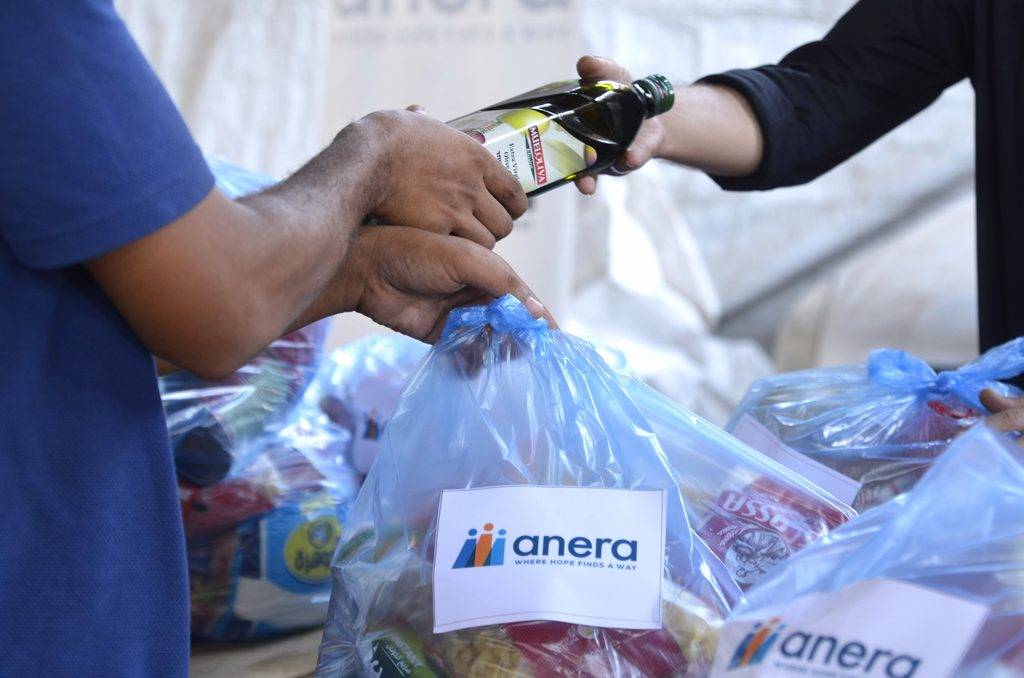
The people living through these circumstances understand those connections because they navigate them every day. Our responsibility is to listen carefully enough, and work flexibly enough, to respond to the lives they are actually living.
Anera’s longstanding presence in these communities makes that possible. It allows us to work with local partners through an immediate crisis and remain engaged and adaptable as needs change.
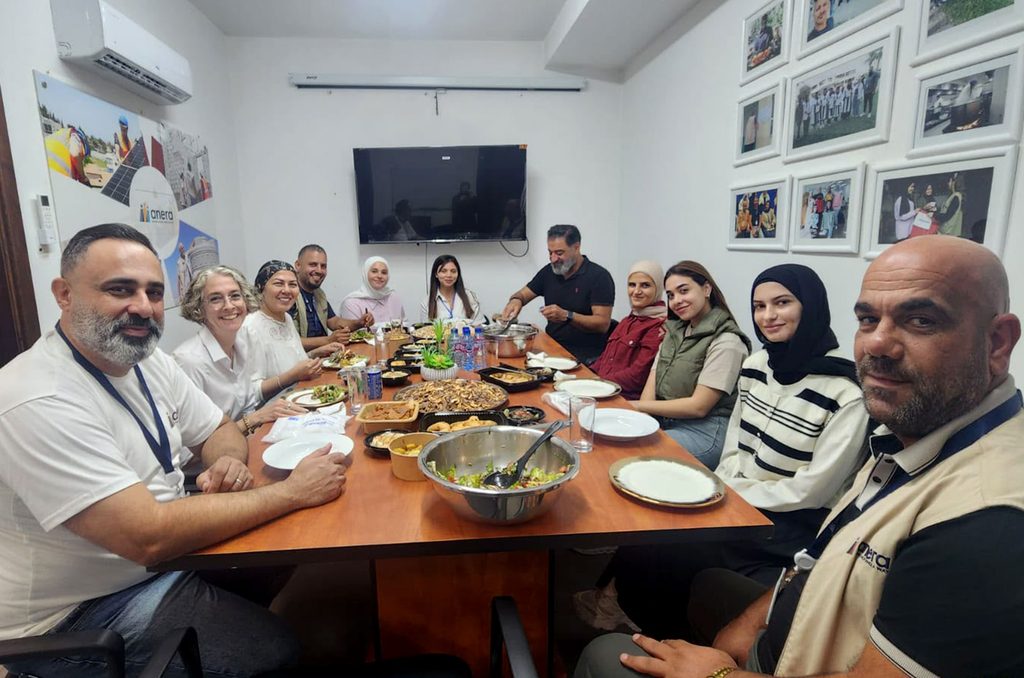
Which brings me to one final point of Anera pride. Across all three country offices, I saw colleagues and partners extraordinarily committed to serving the communities they come from. I saw an organization continuing to adapt to the many layers of displacement, staying close to people as their needs change.
For nearly six decades, that has been Anera’s mission. The needs may change – Anera’s commitment to meeting them is as steady as ever.
OUR BLOG
Related
 by Anera
Macklemore makes history with his sold-out benefit tour for Palestine. iframe> div> Macklemore makes history with his sold-out benefit tour for Palestine. Palestinian culture and joy were on full display, but not without acknowledging the ongoing dehumanization Palestinians face on…