
How War Is Devastating Lebanon’s Agricultural Sector
 by Anera
From destroyed farmland to rising food prices, the impact of conflict on farmers is spreading across the entire country.
Since 2023, the war and ongoing escalation in Lebanon have displaced communities and directly disrupted the country’s agricultural system.
Agriculture, already strained by years of economic crisis, is now facing widespread damage across the South and the Bekaa, with ripple effects reaching farmers nationwide.
According to Lebanon’s Ministry of Agriculture, around 23% of agricultural land, nearly 52,000 hectares (128,500 acres) — roughly nine times the size of Manhattan — has been affected, with heavy damage concentrated in the South, Nabatieh, border areas and the Bekaa. More than 10,000 agricultural holdings have been impacted. Entire seasons have been lost as farmland became inaccessible due to shelling, insecurity and unexploded ordnance.
The human toll is equally severe: 77% of farmers in the South have been displaced, while 78% have stopped agricultural work altogether, disrupting local production at scale.
Livestock losses have compounded the crisis. According to the Ministry of Agriculture, an estimated 1.9 million livestock and poultry have been killed, weakening already fragile dairy and meat supply chains. The South, which accounts for nearly 70% of Lebanon’s citrus production, has also seen large portions of its output disrupted.
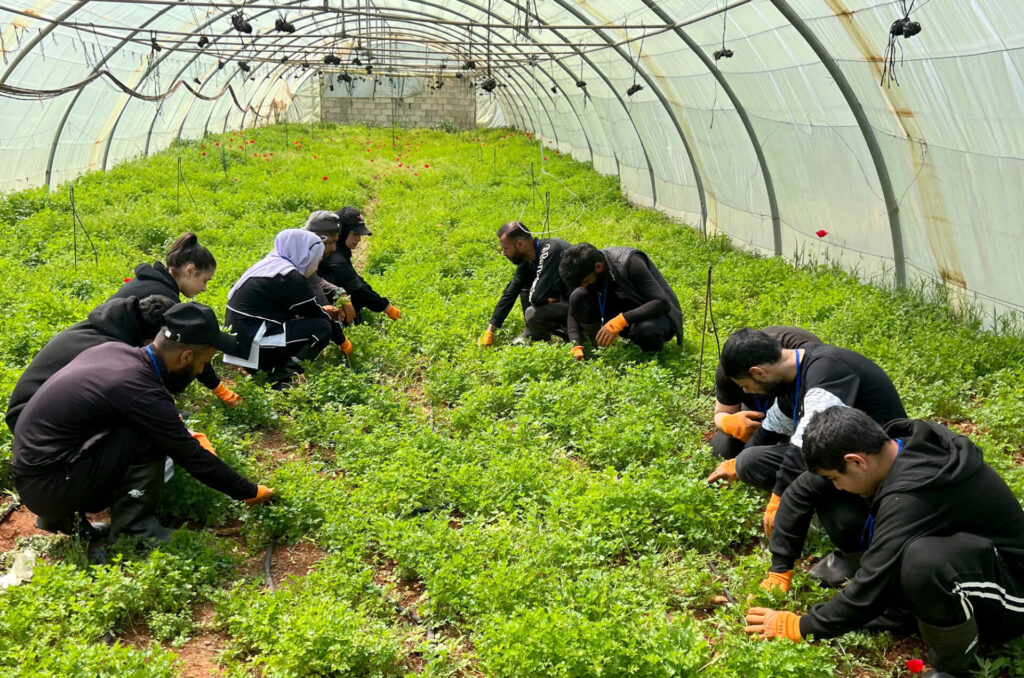
A System Under Pressure
For farmers who remained, production has become increasingly difficult.
Daily crops such as tomatoes, cucumbers, and zucchini require constant harvesting. With shelling and road closures, many crops were left to rot in the fields. Even when harvesting was possible, transportation breakdowns and market disruptions meant farmers often had no way to sell their produce.
At the same time, costs have surged.
Fertilizers, seeds, pesticides, veterinary medicines, fuel, and agricultural inputs are almost entirely imported and are priced in cash dollars. Rising global prices and supply chain disruptions caused by the wider regional war have pushed costs beyond what many farmers can afford. Feed prices have also increased sharply, forcing some livestock farmers to sell animals at a loss. This has directly weakened poultry, dairy and meat production capacity.
Production is not shifting to safer areas. It is shrinking.
Beyond Destruction: The Land Itself
The impact of war extends beyond what is immediately visible.
Large areas of farmland have been left uncultivated since 2023 due to displacement and insecurity. Over time, this abandonment affects soil health, fertility, and long-term productivity.
“Some agricultural land has been left uncultivated for years due to war, fear, and displacement,” says Anera’s agricultural engineer Amany Deeb. “Over time, this neglect is accelerating soil degradation and reducing the land’s long-term productivity.”
The level of damage varies across regions.
“Lands close to the border and exposed to shelling or white phosphorus are in much worse condition,” Deeb explains. “Their rehabilitation is far more difficult and significantly more costly than other areas.”
Contamination and Recovery Risks
In heavily affected areas, restoring land is not immediate.
Conflict can leave behind remnants that affect soil safety and usability, including debris, unexploded ordnance, heavy metals and potential contamination from munitions. This raises concerns about soil quality, crop safety, and long-term agricultural viability.
“A farmer cannot return to work if the land is still unsafe,” says Deeb. “Clearing unexploded ordnance and assessing soil conditions are essential first steps.”
Recovery timelines remain uncertain.
“Some lands can be rehabilitated relatively quickly, while others require much longer periods depending on the level of damage,” she adds.
From Fields to Markets
The impact is already reaching beyond farms.
With reduced production in key agricultural areas, supply is tightening. The disruption of citrus production, tobacco and olive oil in the South, combined with livestock losses, is putting pressure on food availability and pricing.
Lower supply, coupled with high production costs, is expected to drive higher food prices, increasing reliance on imports and placing additional strain on households already facing economic hardship.
Food Security Under Pressure
These disruptions are directly affecting Lebanon’s food security.
As local production declines, the country becomes more dependent on imports at a time when global prices remain volatile, and the national currency is weak. This increases vulnerability to external shocks and limits access to affordable food, especially for low-income households.
With fewer farmers producing and higher costs across the supply chain, food is becoming less accessible for many families across the country.
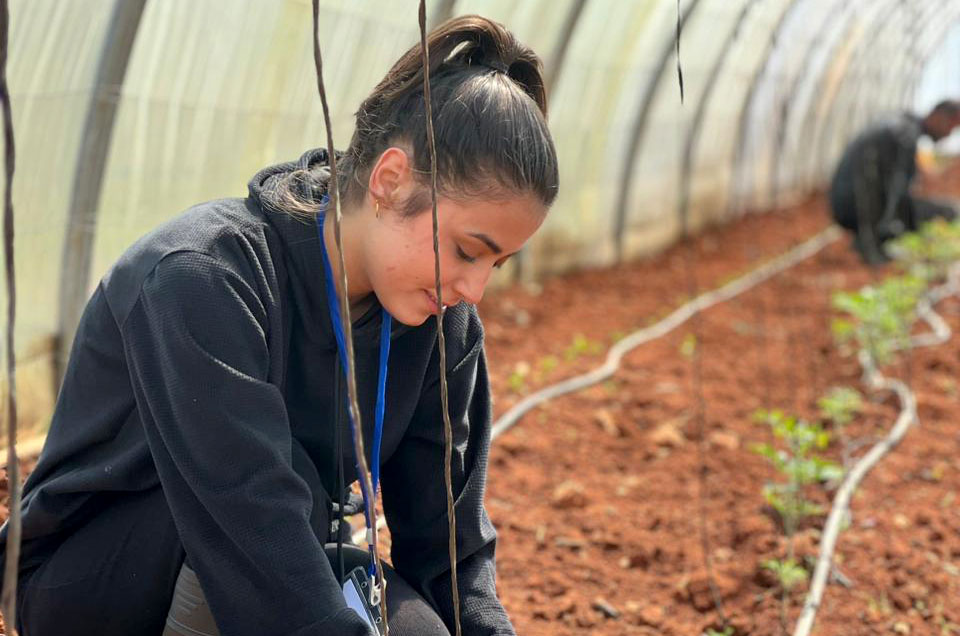
Supporting Farmers to Sustain Production
Restoring agricultural production will require both time and targeted support.
Farmers need access to essential inputs, including seeds, fertilizers, and feed, as well as financial support to restart operations after months or years of disruption.
Anera, in full coordination with the Ministry of Agriculture, is supporting 200 farmers through targeted cash assistance and agricultural inputs across all fronts: those who remained, those who were displaced, and those trying to continue production in safer areas, to help them secure feed, seeds and essential agricultural inputs so they can sustain production and keep it going.
The Cost Beyond Today
The damage to Lebanon’s agricultural sector is not limited to lost harvests.
It is affecting the land itself, the farmers who depend on it, and the systems that ensure food reaches markets.
Without sustained support, the risk is reduced production in the short term and a longer-term decline in the country’s ability to produce its own food.
Supporting farmers today is essential to protect food security in Lebanon.
To learn more about Anera’s work across Lebanon, check Lebanon’s activity log and consider making a donation.
 by
by