
I Give Because I Believe in the Future
 by Abby White
Posted in: peopleofanera
As a Jewish teen growing up in Newton, Massachusetts, a trip to Israel after high school felt like a rite of passage. In 1977, I spent seven weeks on a kibbutz in the Galilee, waking at four in the morning to weed cotton fields, trim banana trees, and work in a mirror factory. What drew me most was the kibbutz’s radical equality: a factory manager earned the same as a woman cutting potatoes in the kitchen. I loved that.
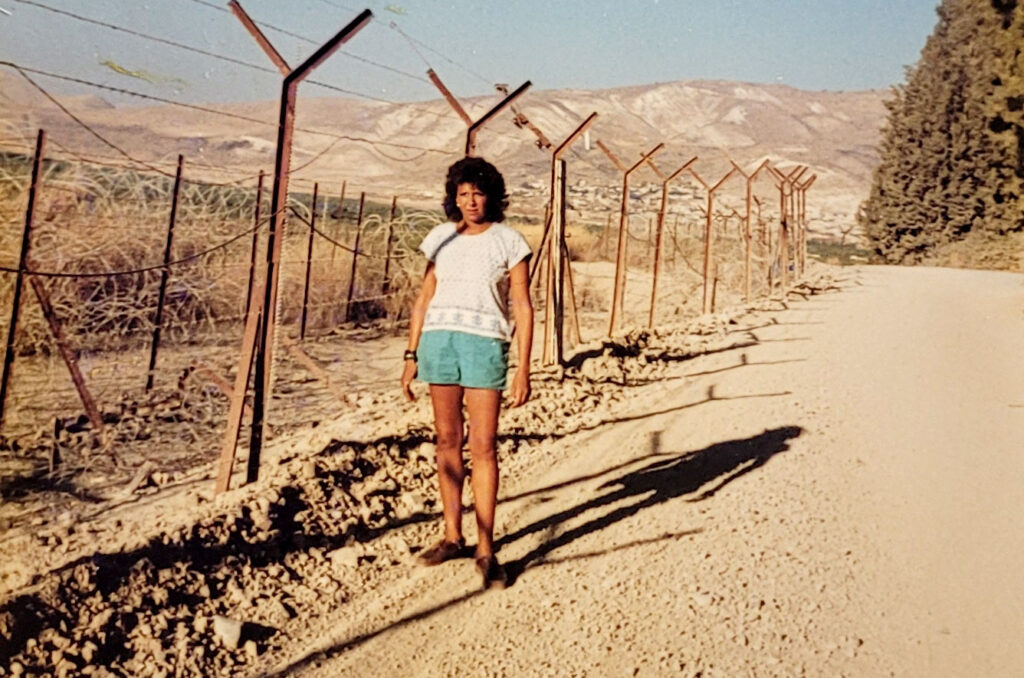

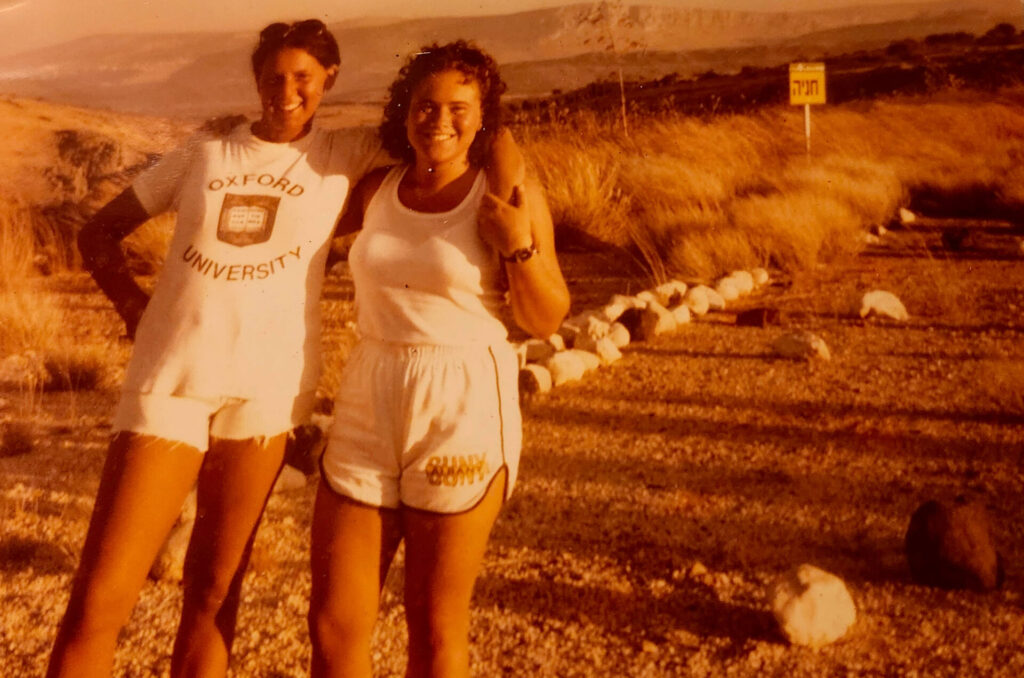
I returned to Israel and Palestine ten years later, in 1987, full of hope, but found something different. The First Intifada had just begun, and what had once felt like uneasy coexistence had hardened into something I didn’t recognize. I came home saddened and disillusioned.
The Oslo Accords were a source of immense joy and gave me back some of that hope. I saved the photograph of Arafat and Rabin shaking hands on the White House lawn. I didn’t know then that it would be the last time things felt that close to peace.
After 9/11, I realized something uncomfortable: I had taken two trips to Israel without ever really coming to know any Palestinians. That sent me online, to Arab chat forums, where I struck up a friendship with a young college student named Mo’ath from Salfit City in the West Bank. We talked for years. Through our discussions I learned more about the everyday lives of Palestinians and the struggles they face. We exchanged gifts and he sent me a guidebook to Gaza and the West Bank — a book I still have, though it breaks my heart to look at it now.
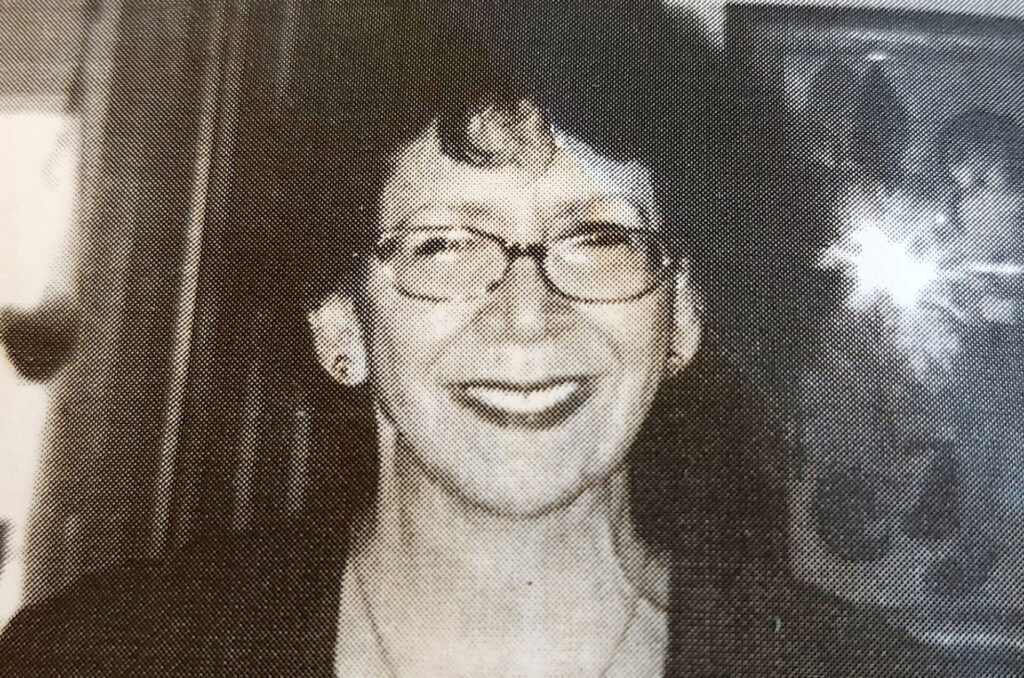
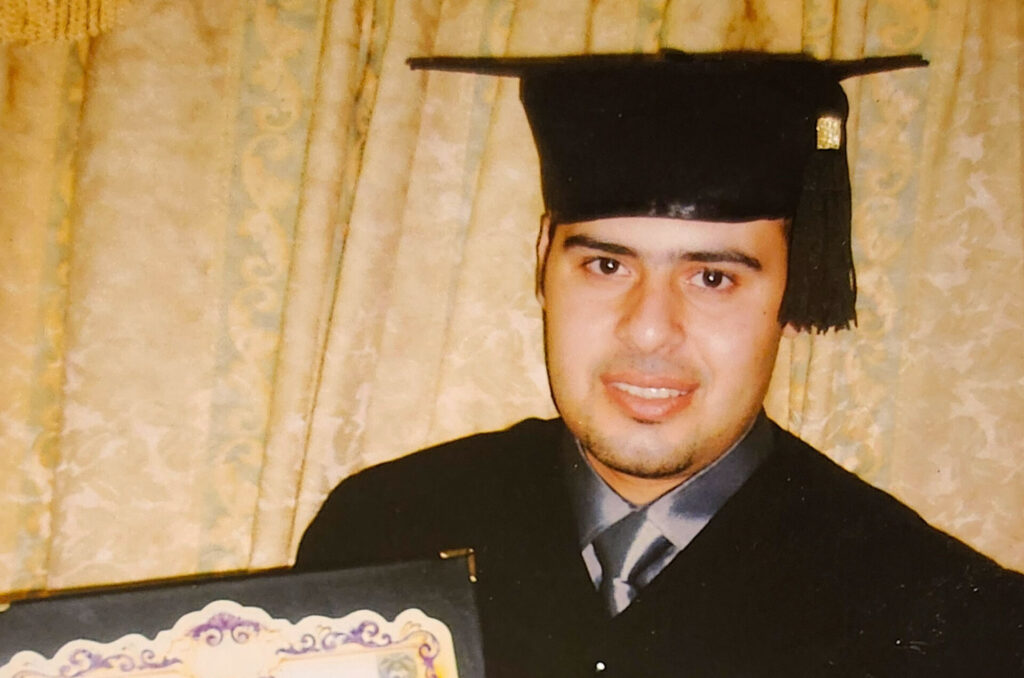
Then, in 2023, came the war in Gaza. I cannot explain how it affected me. I have followed politics obsessively my entire life, but I stopped watching TV and following the news almost entirely. I decided shortly after the war began that from then on I would do everything I could to improve the lives of the Palestinian people, especially in Gaza. I couldn’t volunteer on the ground, but I knew I could support the people who do.
I went looking for an organization I could trust, one that was actually on the ground, actually delivering, and accountable. Through my research, Anera kept rising to the top. What set it apart was clear: Anera employs local staff who are from the communities they serve. They understand the culture, they know the people, and they were there long before the cameras arrived, and will be there long after they leave. That matters enormously to me.
I also wanted to know exactly how my money was being used, not just to write a check and hope for the best. Anera’s transparency gave me that confidence.
It never feels like enough. But I keep coming back to something I believe deeply: the world has failed the Palestinian people not only in moments of crisis, but in all the years between them. What was missing was never only emergency relief, it was hope. Schools, hospitals, parks, museums, farmland, infrastructure, job opportunities, the building blocks of a life worth living and a future worth imagining.
That is what drew me to Anera, and why I continue to support its work. Yes, Anera shows up in emergencies, delivering food and water and medicine when there is nowhere else to turn. But Anera also builds. It builds kindergartens and vocational training programs and greenhouses and water systems. It invests in people and communities for the long term. I think about Mo’ath sometimes when I give — about the guidebook he sent me, about the Gaza he knew, about the future he deserved. I give because I believe in that future. Not just surviving today, but having something to live for tomorrow.
 by
by