
Lebanon’s Youth at the Frontlines of Recovery
 by Sarah Hachem
Posted in: Voices from the field
by Sarah Hachem, Anera Education/Livelihood Program Manager in Lebanon
Over the past year, I’ve had the privilege of leading one of the most challenging and most rewarding projects of my career. In the wake of the war in Lebanon, and under UNICEF’s leadership, Anera’s teams mobilized quickly to deliver emergency relief and begin recovery. Today, I am proud to say that we not only completed this ambitious project but also achieved every one of our intended outcomes, a milestone worth celebrating.
What made this effort truly remarkable was the role of young people at the forefront. More than 3,300 youth – many previously trained in fields like sewing, construction, and agro-food – stepped up as the front liners of recovery. Through UNICEF’s cash-for-work youth recovery program, they supported their own livelihoods while rebuilding their communities. Even more inspiring, one in four of these young people went on to secure sustainable employment thanks to the skills and experience they gained.
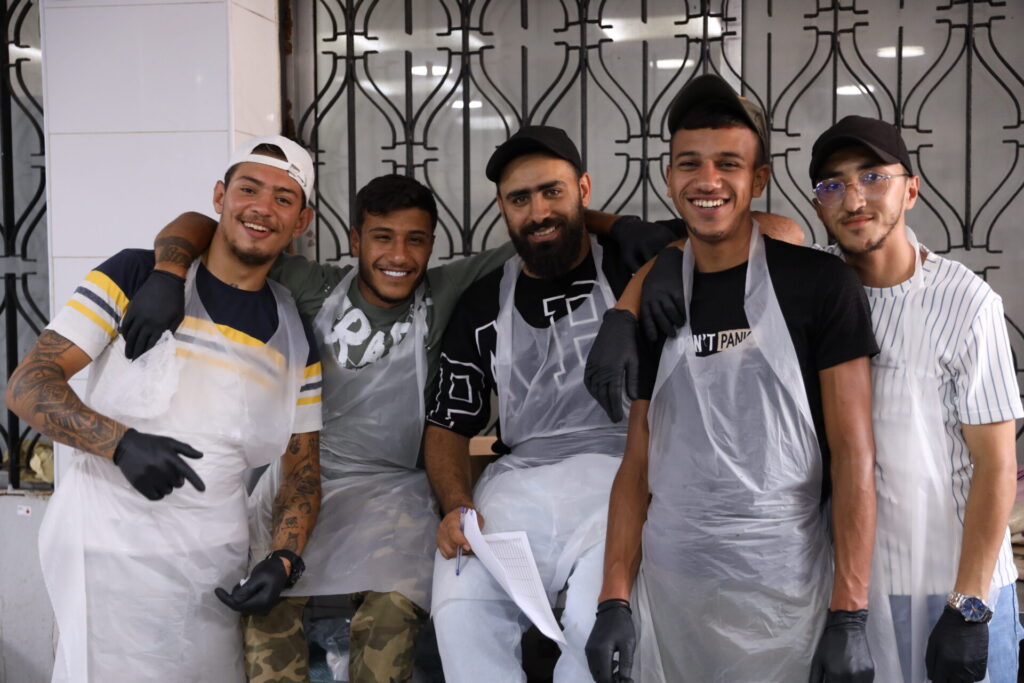
The impact of their work has been extraordinary. Together, through the youth involvement, we:
- Equipped 12 public vocational schools with renewable energy systems.
- Installed 600 solar street lamps and 90 solar panels across war-affected areas.
- Repaired 30 public buildings, including 20 vocational schools and several municipal facilities.
- Rehabilitated one irrigation canal, restoring essential infrastructure for 10,000 farmers.
- Produced and delivered 80 mattresses, 71 sofa beds, 218 closets, and 9 tables for displaced families.
- Distributed 25,000 clothing kits and served 300,000 hot meals.
- Supported 2,000 psychosocial sessions, helping over 10,000 people cope with loss and trauma.
- Empowered 80 youth-led initiatives to identify and address community needs while fostering leadership, civic engagement, and social cohesion.
These numbers tell a story of scale, but behind each figure are people whose lives were touched. I remember walking through war-damaged towns during our initial assessments. The streets were in darkness and families were struggling to reclaim normalcy. Their stories guided our response, from crafting furniture for families with nothing to store their belongings in, to repairing schools so children could safely return to learning.
This was not just a response to urgent needs. Under UNICEF’s leadership and in partnership with communities, we invested in long-term recovery: renewable energy, youth employment and infrastructure rehabilitation woven together into a holistic model of resilience.
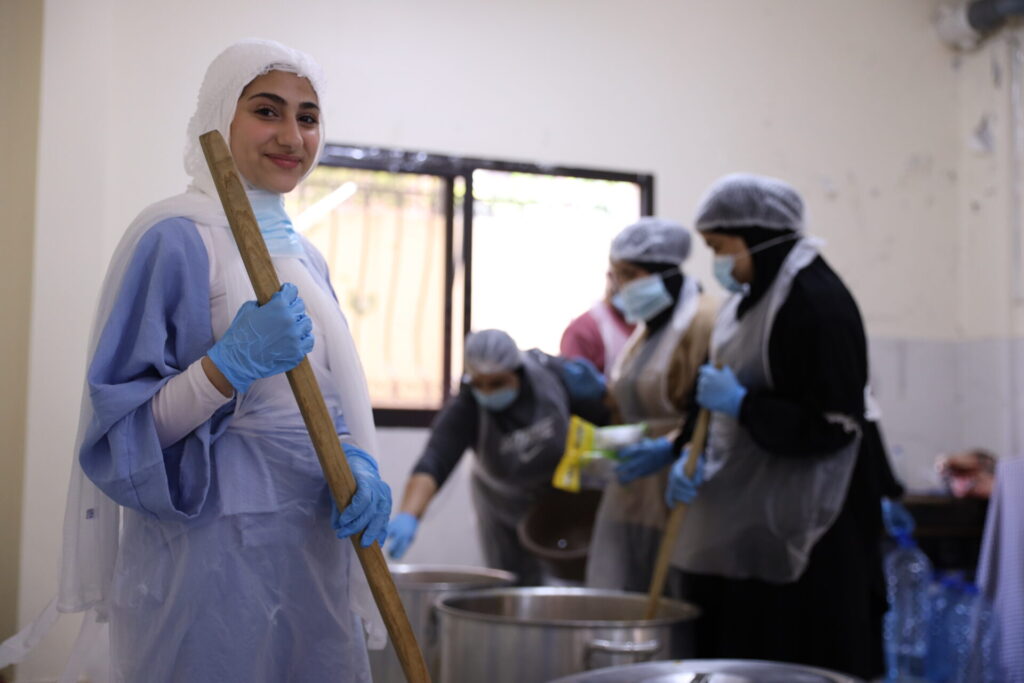
It wasn’t easy. At the start, even we wondered how a program of this magnitude could be delivered in just three months. But we did it, together. Our teams worked hard, youth persevered with determination, and communities reminded us daily why this work matters.
What was once broken is being rebuilt by Lebanon’s young people. This project stands as proof of what’s possible when we invest in youth, listen to communities, and act quickly with compassion and resolve.
To my colleagues, our partners, and especially the youth who made this recovery possible: thank you. You have turned despair into hope, and destruction into renewal.


 by
by