
When Leaving Becomes the Easier Choice
 by Karl Osta
Posted in: Society & culture
Why Keeping Lebanon’s Youth at Home Matters
For generations, Lebanese people have built lives across the world. Migration is not new to Lebanon. What is different today is the scale and urgency of the decision to leave.
Since Lebanon’s economic crisis escalated, the country has experienced a sharp increase in emigration. Data on Lebanese departures show that 729,000 Lebanese left the country between 2020 and 2026, nearly 15% of the Lebanese population and four times the number who left between 2012 and 2019, according to Annahar newspaper. Most of those emigrating are between 25 and 35 years old, highlighting the disproportionate loss of young, working-age people.
In a 2024 Arab Barometer survey, 58% of Lebanese aged 18–29 said they would like to leave the country, compared with 29% of those aged 30 and above. Among people with a university education, 46% expressed a desire to emigrate. Economic conditions were the leading reason.
This matters because when young people leave, Lebanon loses workers, entrepreneurs, teachers, healthcare professionals, engineers and future community leaders. It also loses years of education and investment that were made in Lebanon’s young people but increasingly benefit other economies.

A country becoming harder to afford
The decision to leave is not simply about wanting higher salaries. It is also about the growing gap between what people earn and what everyday life costs.
Lebanon has experienced one of the most severe economic collapses in modern history. The World Bank estimates that the country’s real GDP contracted by nearly 40% between 2019 and 2024. Inflation reached extraordinary levels during the crisis, with annual consumer-price increases exceeding 150% in 2021 and 2022 and 220% in 2023. Although inflation has slowed substantially, prices remain far higher than they were before the crisis.
That economic difference can be hard to ignore for Lebanese who stayed while watching relatives and friends build lives abroad, and even more striking for those returning to visit.
Today, some everyday costs in Beirut can compare unfavorably with major European cities. A July 2026 comparison by Expatistan, for example, estimated Beirut’s overall cost of living to be more than twice that of Paris.
The comparison is especially painful because Lebanese salaries have not kept pace with the cost of living. Expenses for a meal, rent, transportation, education, or healthcare that may seem manageable to someone earning a European salary can become significant burdens when paid from income earned in Lebanon.
For a young person deciding where to build a career, the question becomes increasingly difficult: why stay when opportunities abroad can offer higher wages, greater stability and a clearer path forward?
The cost of the brain drain
The effects are visible across Lebanon’s workforce.
Healthcare is one of the clearest examples. Lebanon has long been known for the quality of its medical professionals, but the crisis has placed enormous pressure on the sector. WHO estimates that nearly 40% of doctors and 30% of nurses have left Lebanon, either temporarily or permanently.
That means fewer experienced professionals available to care for patients, train the next generation and keep hospitals functioning. It also means that a young Lebanese person who wants to become a nurse or doctor may look abroad not only because the salary is higher, but because the professionals they hoped to learn from are already leaving.
The same dynamic affects other sectors. Skilled tradespeople, technicians, engineers, business professionals and other workers are part of an economy already struggling to recover. When trained workers leave, businesses have a smaller pool of talent to hire. When businesses struggle to find skilled workers, their ability to grow is constrained. And when young people see fewer opportunities around them, more of them consider leaving.
It becomes a cycle: fewer opportunities encourage migration, and migration can make it harder to create opportunities.
Giving young people a reason to stay
Breaking that cycle does not happen overnight. It requires investment in the people who are still here. At Anera, we believe that supporting Lebanon’s youth means more than helping them through today’s crisis. It means helping them build a future in their own communities.
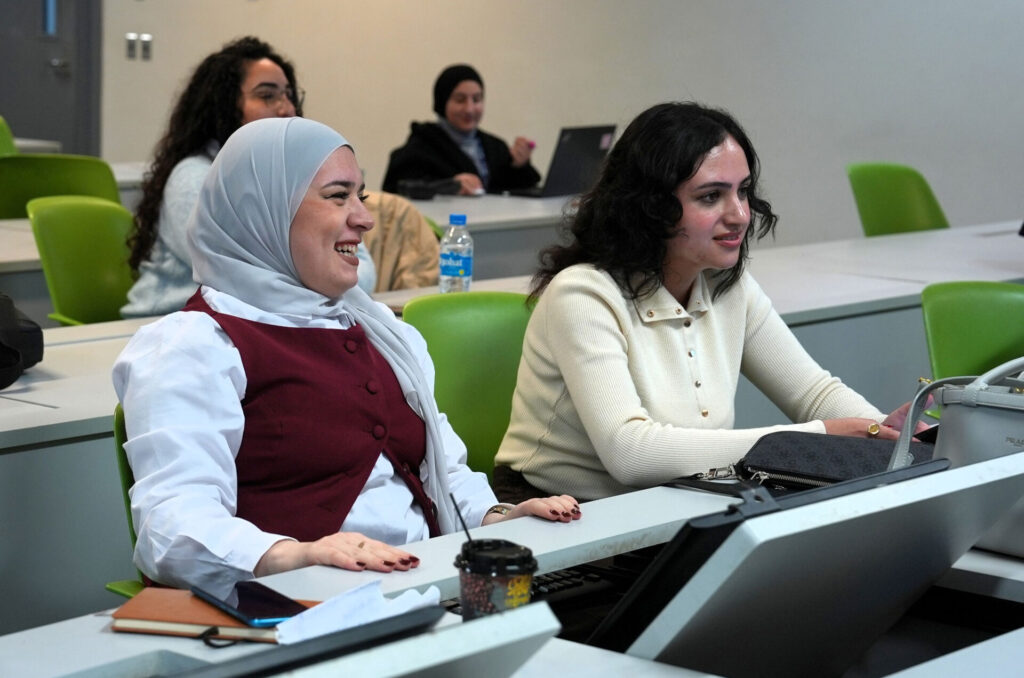
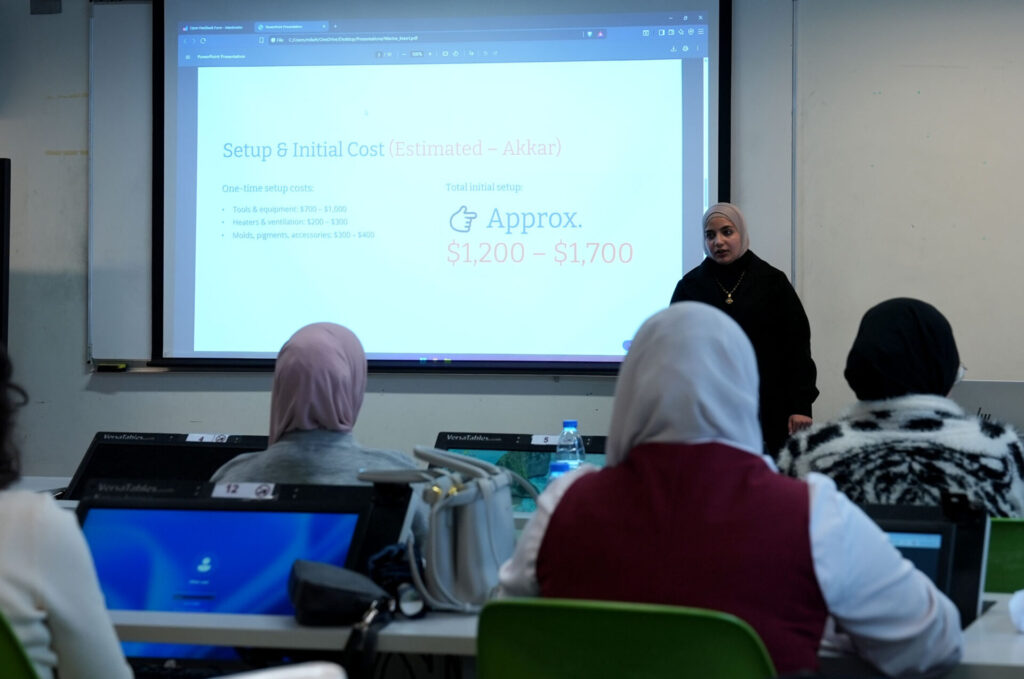
Through vocational and competency-based training, Anera helps young people gain practical skills connected to demand in the Lebanese labor market, from healthcare and hospitality to construction, agriculture, sewing, information technology, electrical work and renewable energy. We also connect participants with employers, internships and job placements, helping turn training into real opportunities. In the past two years, Anera has helped secure employment for more than 4,000 young people across sectors that are essential to Lebanon’s economy.
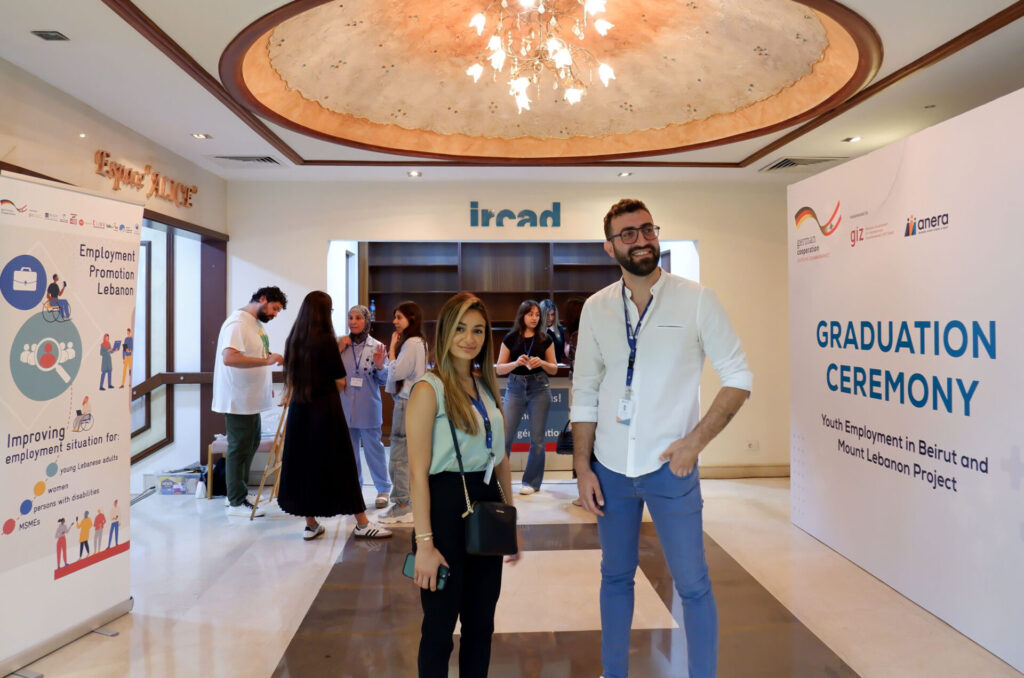
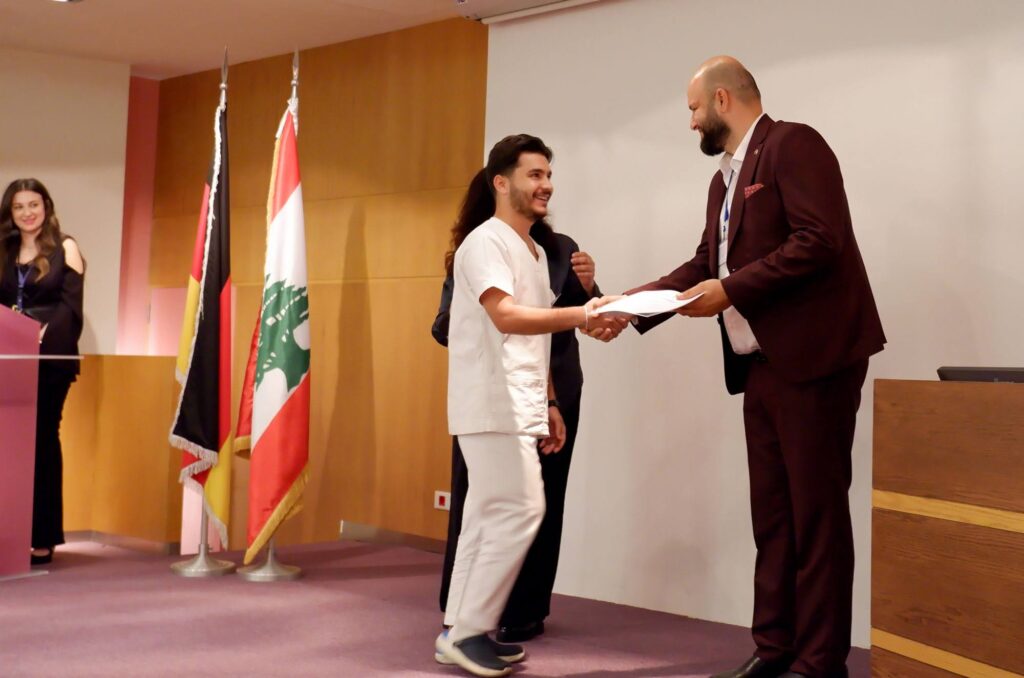
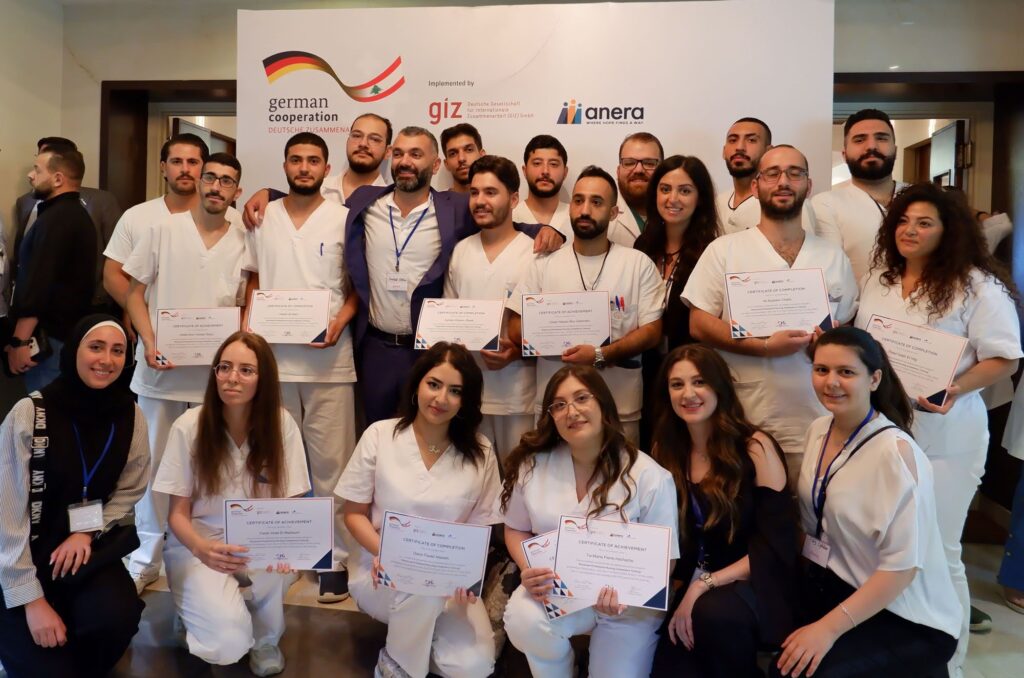
Anera also invests in the next generation of healthcare workers through nursing scholarships and training. Since 2013, our nursing programs have helped young people pursue their studies at vocational institutes and universities, while our Youth Employment in Beirut and Mount Lebanon project, implemented in 2023 and 2024, provided market-driven healthcare and hospitality training, practical experience and connections to employers. More than 300 participants secured employment by the project’s completion, including through nursing training delivered in partnership with hospitals.
But keeping young people in Lebanon also means addressing the conditions that make it difficult to study and work here in the first place. Reliable electricity is one of those conditions. Anera has installed solar energy systems at community and health centers, with young people trained through our programs helping with their installation and maintenance. We are also supporting municipalities with solar solutions that can reduce communities’ dependence on expensive private generators at a time when the cost and worldwide availability of diesel remain major challenges.
Together, these efforts create more than short-term assistance. They give young people skills they can use, jobs they can build on, and the infrastructure they need to study and work in their own communities. They are pathways for young people to see themselves not as people who need to leave Lebanon to build a future, but as part of Lebanon’s recovery.
A future worth staying for
Lebanon’s challenges are immense, and no organization can solve them alone. Creating a country where young people choose to stay requires economic reform, functioning institutions, reliable infrastructure, decent work and confidence in the future.
But there is also a more immediate question: what can be done today to make staying possible?
For Anera, the answer begins with people.
It means giving young people marketable skills. It means connecting training to real jobs. It means investing in nurses who can strengthen Lebanon’s healthcare system. It means bringing renewable energy to schools, health centers and communities. It means creating opportunities not only in Beirut, but in villages and towns across Lebanon so that young people can build their futures where they grew up.
Lebanon’s greatest resource has always been its people. The challenge now is making sure that young people have enough opportunity, stability and hope to build their lives here.
Because when a young person finds meaningful work in Lebanon, a family can remain together. When a nurse chooses to work in a Lebanese hospital, a healthcare system becomes stronger. When a student can study in their village because their school has reliable electricity, their community becomes stronger.
And when young people can see a future for themselves at home, Lebanon has a better chance of having one too.
OUR BLOG
Related
 by Anera
August 19 commemorates the annual World Humanitarian Day, a global observance of the violence, challenges, changes and hazards millions of civilians and volunteers in conflict-affected countries face every day with bravery, resilience, selflessness and sacrifice. World Humanitarian Day 2026 Today,…