Jul, 2026
Family from Gaza finds safety and medical care in Jordan
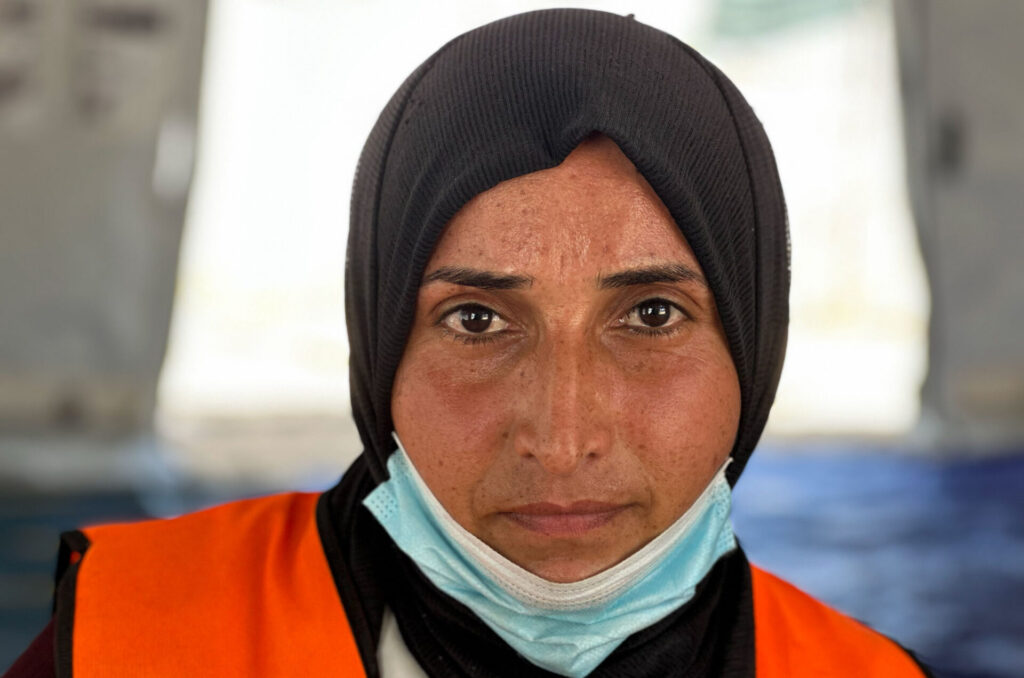
For months, Fatima’s world revolved around one goal: keeping her four children alive.
Originally from Jabalia in northern Gaza, Fatima endured relentless bombardment, repeated displacement, hunger, and unimaginable loss. During the war, she lost her husband, her brother, and other close family members. Every day became a fight for survival.
“There were moments when the bombing was so close that I believed our time had come,” she recalls. “I would look at my children and try to memorize what they were wearing, thinking that if anything happened, I would at least be able to recognize them.”
After her husband, Ata, went missing while trying to secure food for the family, Fatima waited for days with no answers. Determined to know his fate, she walked for two hours to Shifa Hospital, where she was ultimately able to identify his remains through his dental implants.
Just one month earlier, Ata had encouraged her to leave Gaza with their four children so their 10-year-old daughter, Hala, could receive the medical care she desperately needed.
“He told me, ‘You take them all. You bear the responsibility. God will help you,’” Fatima says.

“I would look at my children and try to memorize what they were wearing, thinking that if anything happened, I would at least be able to recognize them.”
As Gaza’s healthcare system struggles to accommodate increasing medical needs, Gazans with life-threatening conditions face a lack of access to essential care. As a result, Jordan has become a vital medical and relief corridor for evacuees in urgent need of medical treatment.
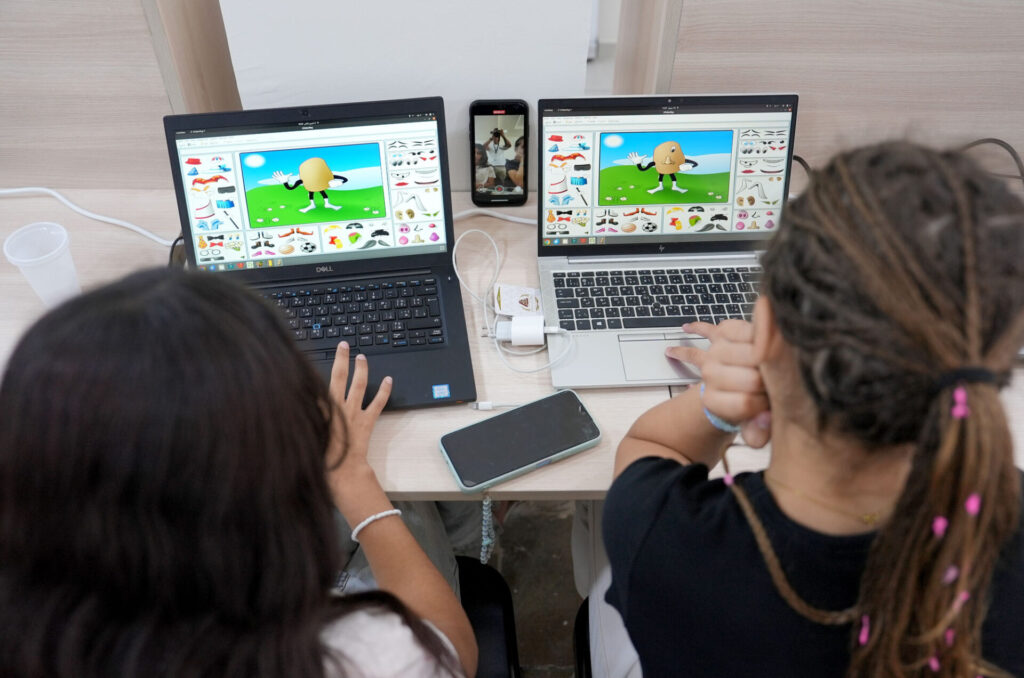
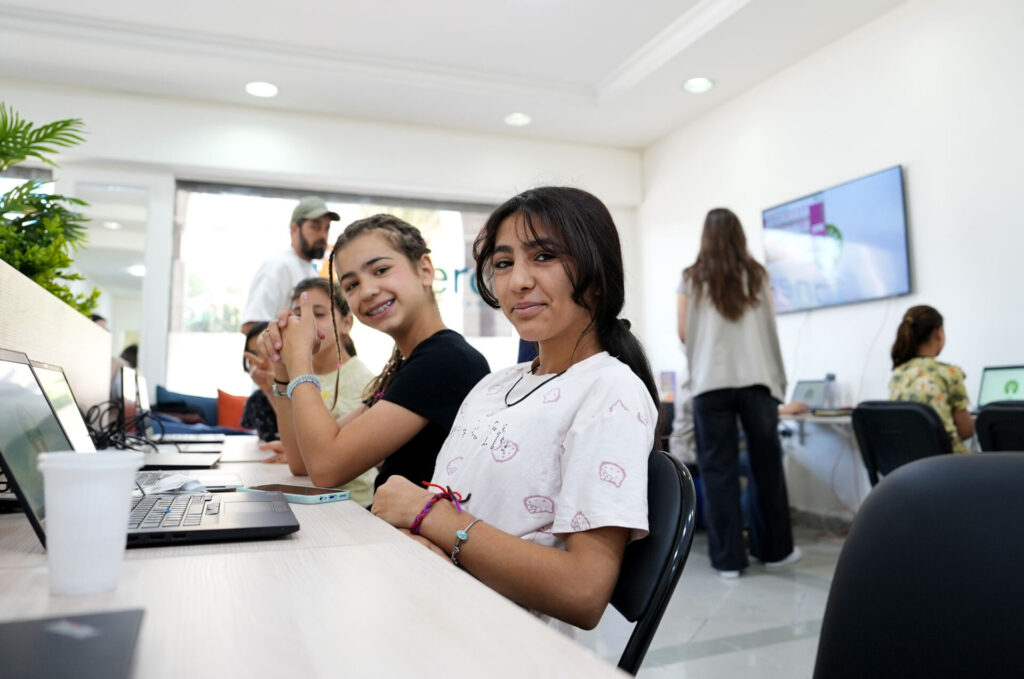
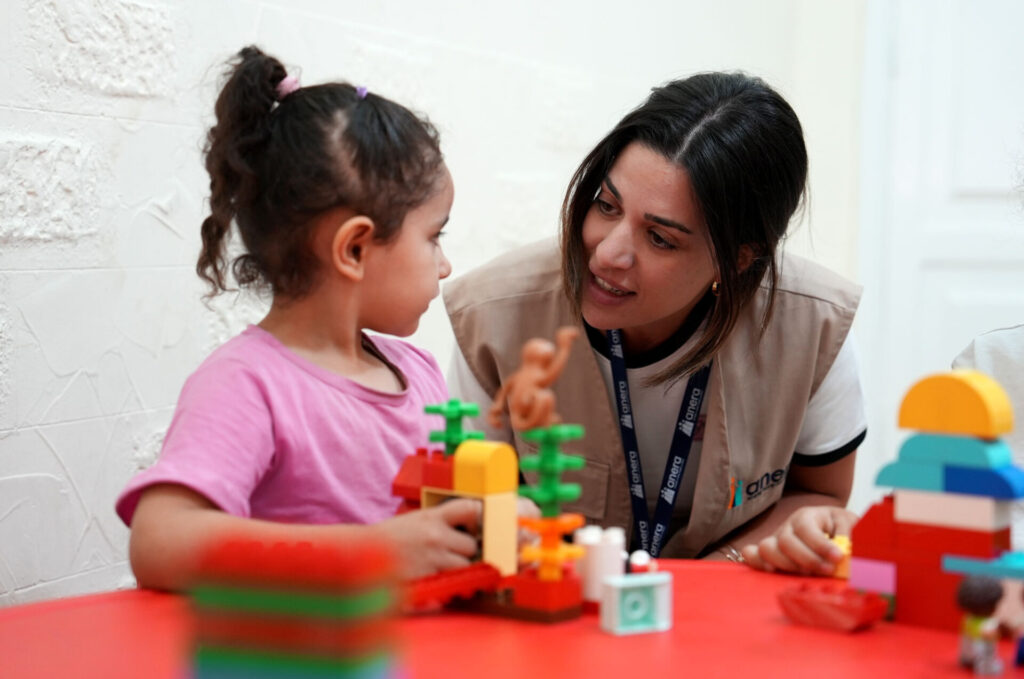
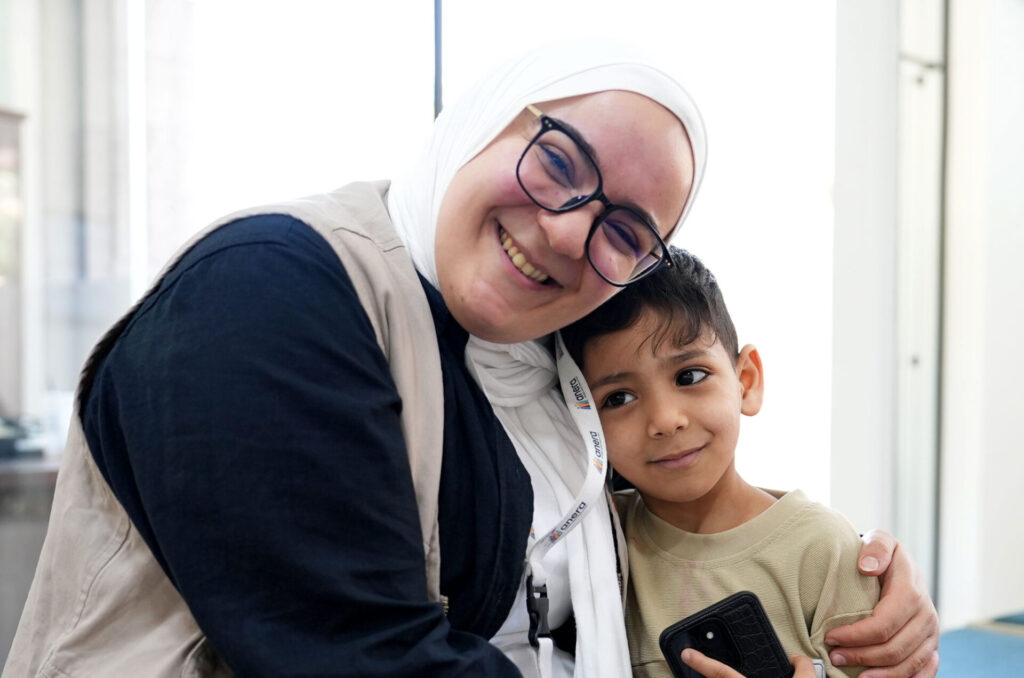
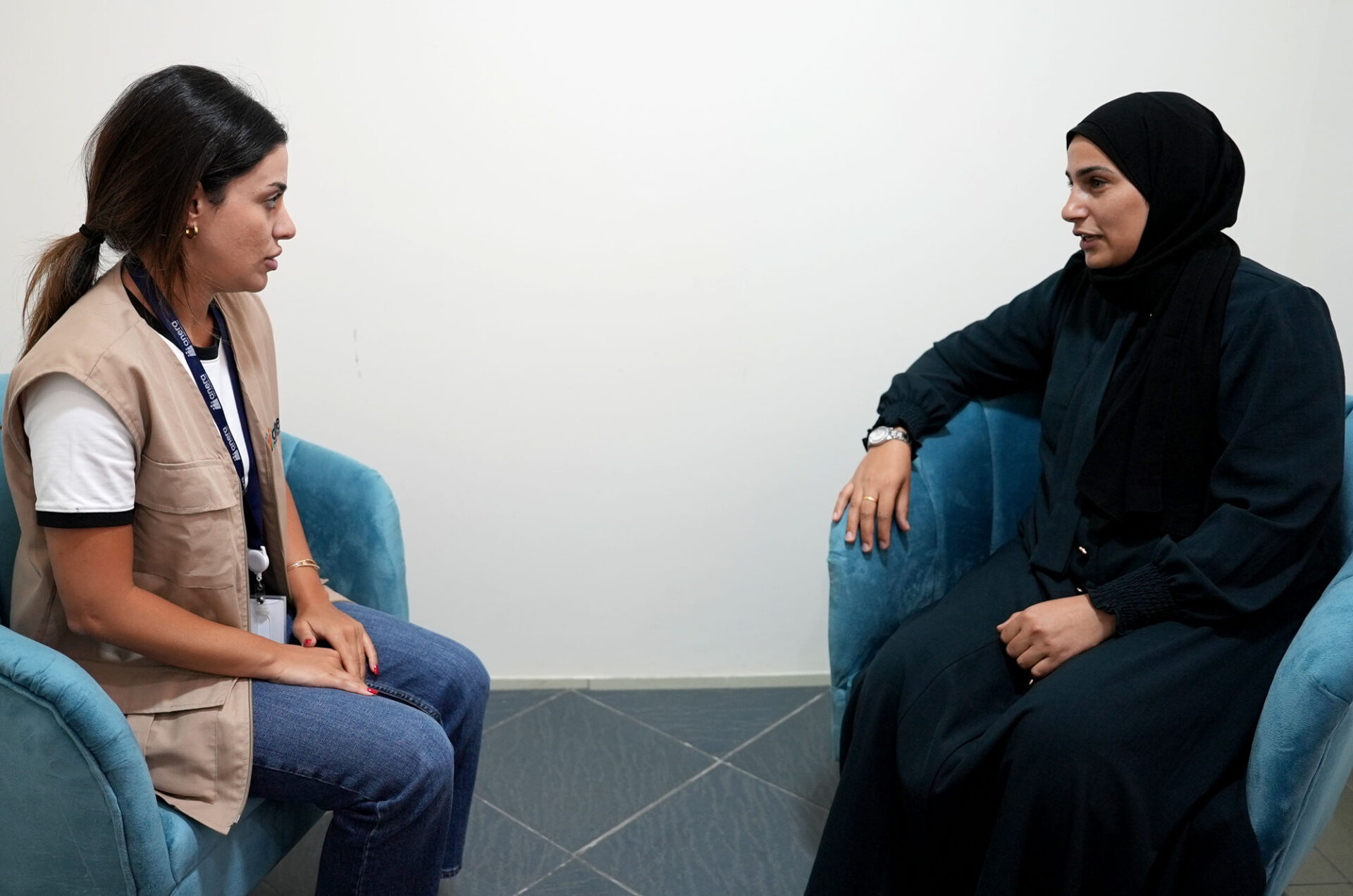
Since the medical evacuations began, Anera has supported Gazan patients and their accompanying family members in Jordan. In close collaboration with government institutions and humanitarian partners, Anera delivers a holistic package of assistance that extends beyond medical care to address families’ broader needs. This integrated support includes food assistance, psychosocial care, educational continuity activities for children, and recreational activities to restore dignity, promote well-being, and ease the hardships experienced throughout their recovery journey.
For Fatima’s family, the journey to Jordan centered on Hala’s urgent medical needs.
Hala had previously recovered from bone sarcoma in her hand, but during the war, she began suffering from severe headaches and dizziness. With hospitals overwhelmed and diagnostic services severely limited in Gaza, there was no way to determine the cause of her worsening condition. After arriving in Jordan, doctors discovered a 7.5-centimeter tumor on her skull.

“Our children carried heavy responsibilities, far beyond their age.”
Despite the grim prognosis, Fatima refused to give up. Hala underwent surgery to remove the tumor and part of the affected bone, which was replaced with an artificial implant, followed by chemotherapy and radiation therapy.
Today, her latest scans show no signs of disease.
While Hala’s recovery brought hope, the emotional wounds left by war were just as profound.
Even while she was ill in Gaza, Hala helped her family by collecting water from a charity kitchen and assisting with the laundry.
“Our children carried heavy responsibilities, far beyond their age,” Fatima says. “When I tell my friends about it, they think I am telling fictional stories because they cannot imagine that this was the reality we lived through.”
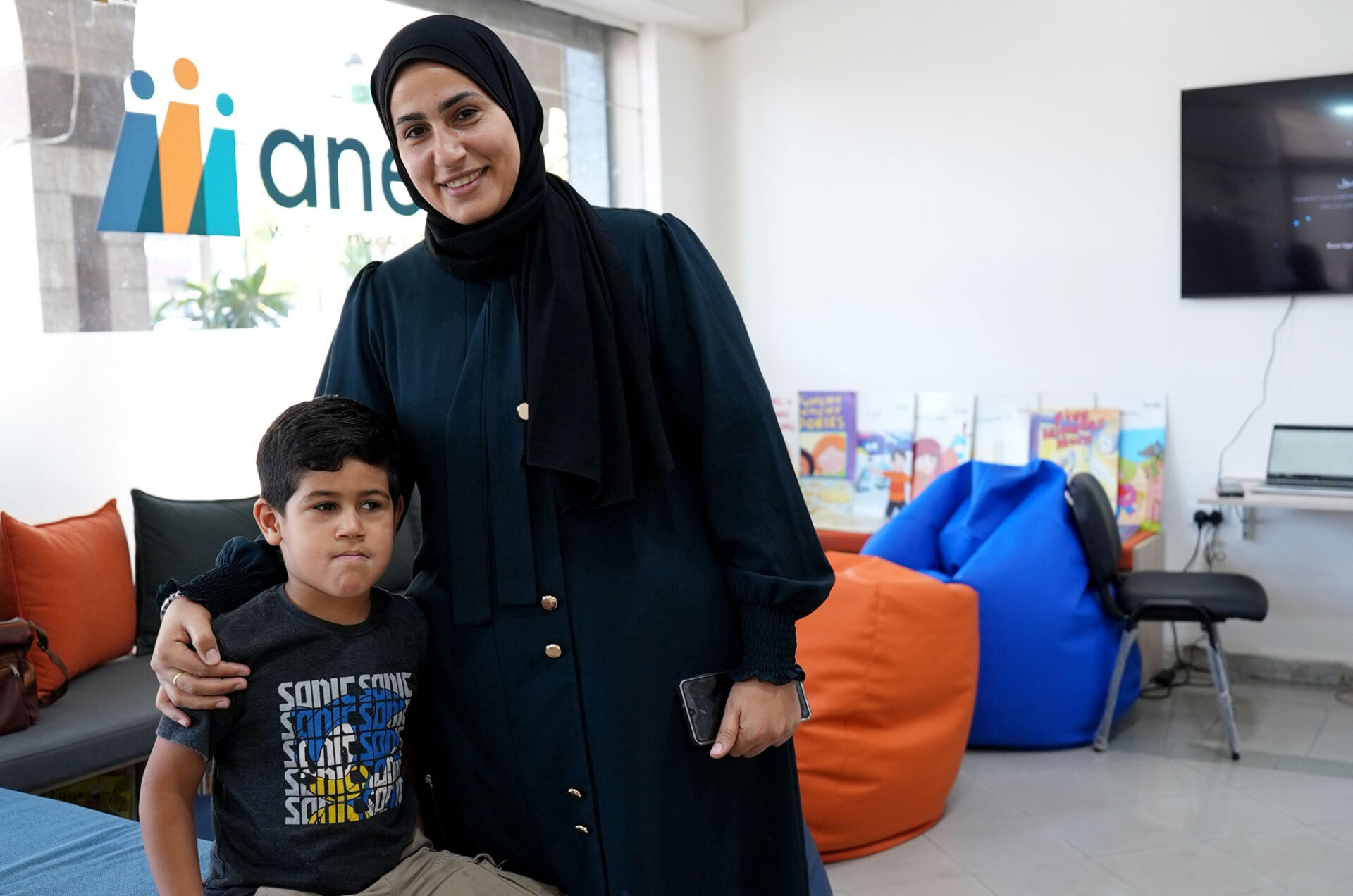
Her son Mohammad also struggled to adjust after months of living in survival mode. In Gaza, he fought through crowds to collect drinking water for the family whenever water trucks arrived. After being evacuated to Jordan for medical treatment, those survival instincts followed him into the classroom, where he became aggressive with classmates and frequently ran out of class.
As Mohammad began participating in Anera’s psychosocial and recreational activities, Fatima also worked to rebuild his sense of safety at home. When his teacher raised concerns about his behavior, she responded with reassurance instead of punishment.
“I contained him and gave him a hug, affection, and a sense of safety,” she says. “I told him, ‘Mohammad, we are proud of you. You are a brave boy. You have become so polite, and your teacher is happy with you.’”
Gradually, she saw her son regain his confidence and begin interacting more positively with those around him.
Fatima acknowledges that while her children are slowly healing, she is still carrying the weight of everything they lived through.
“I know this safe space is something I need to give to my son,” she says. “But on the inside, I haven’t healed yet. We never saw safety in Gaza, only fear, death, terror, blood, and body parts.”
"On the inside, I haven't healed yet."
Today, she finds comfort in seeing her children experience something they had been deprived of for far too long.
“When we first arrived in Jordan, my children looked around and said, ‘Mom, we’re in Jordan! Mom, we’re happy!’” she recalls. “It was an indescribable feeling.”
For families like Fatima’s, recovery extends far beyond medical treatment. By combining life-saving healthcare with psychosocial support, education continuity, and humanitarian assistance, Anera’s Gaza Patient Support Program in Jordan is helping families regain a sense of stability, dignity, and hope throughout their recovery journey, while preparing them for a safe and dignified return to Gaza.