May, 2026
In schools across Jordan, a simple idea is taking root.
Anera’s greenhouse project is helping communities in Jordan confront two growing challenges at once: food insecurity and the increasing impacts of climate change. By promoting sustainable agriculture and hands-on learning, the program equips students and communities with practical skills to grow food more efficiently and sustainably.
Implemented in public schools and community centers across northern and central Jordan, Anera is reaching students, teachers and underserved communities with limited access to agricultural training and reliable food sources.
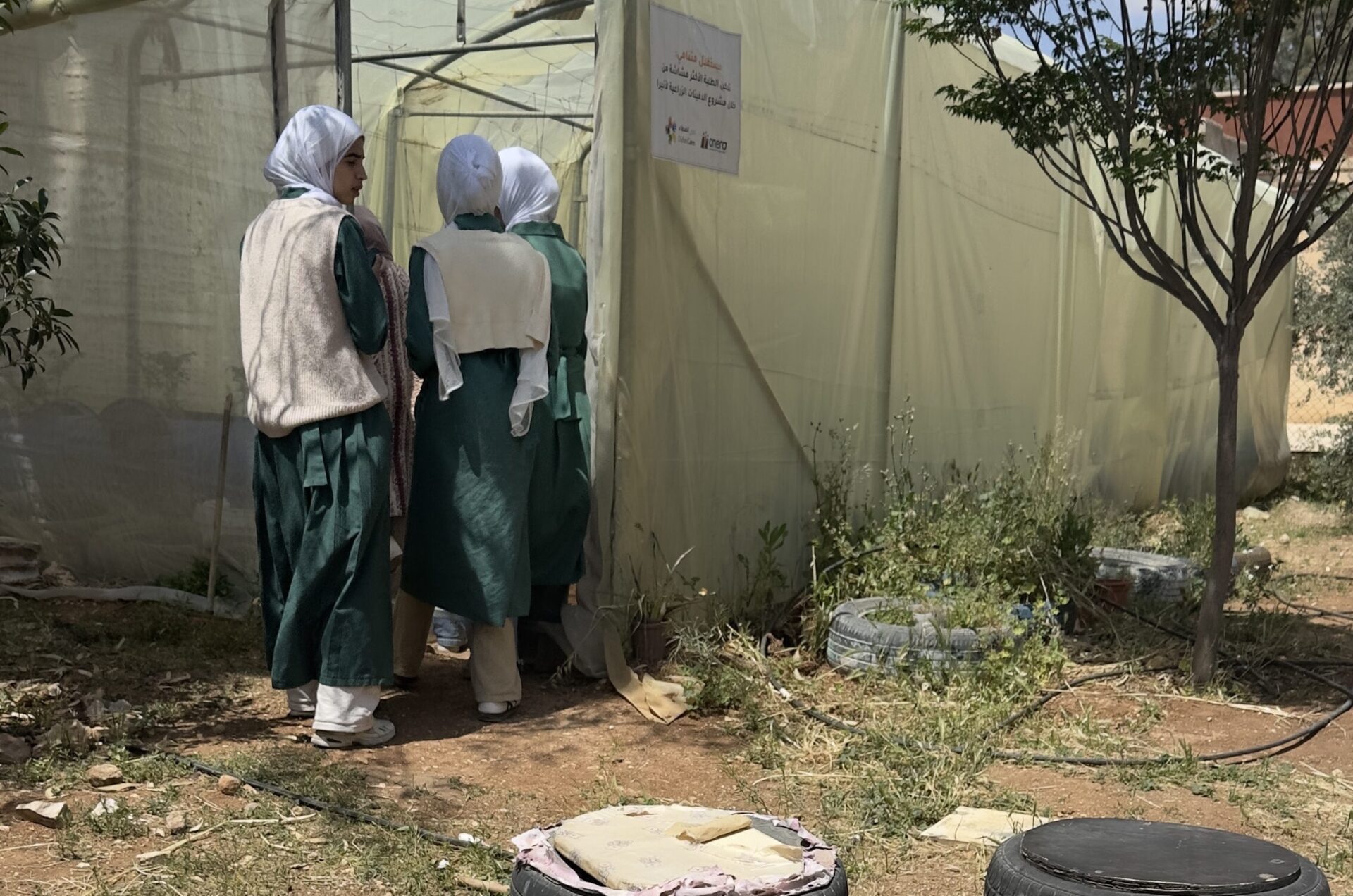
In partnership with three local organizations, the initiative transforms school spaces into living classrooms, where students learn directly through planting, cultivating and harvesting crops in order to build both environmental awareness and long-term food resilience.
Through this initiative, in the past six months, Anera has:
- Constructed 16 greenhouses.
- Provided training to 62 teachers and facilitators.
- Benefited more than 1,200 students via students’ clubs.
- Informed 416 people in the communities via awareness sessions.
- Generated more than 320 kilograms of produce.
Anera’s greenhouses teach children how to grow food while also growing their confidence, curiosity and sense of responsibility.
The real story lives inside the greenhouses

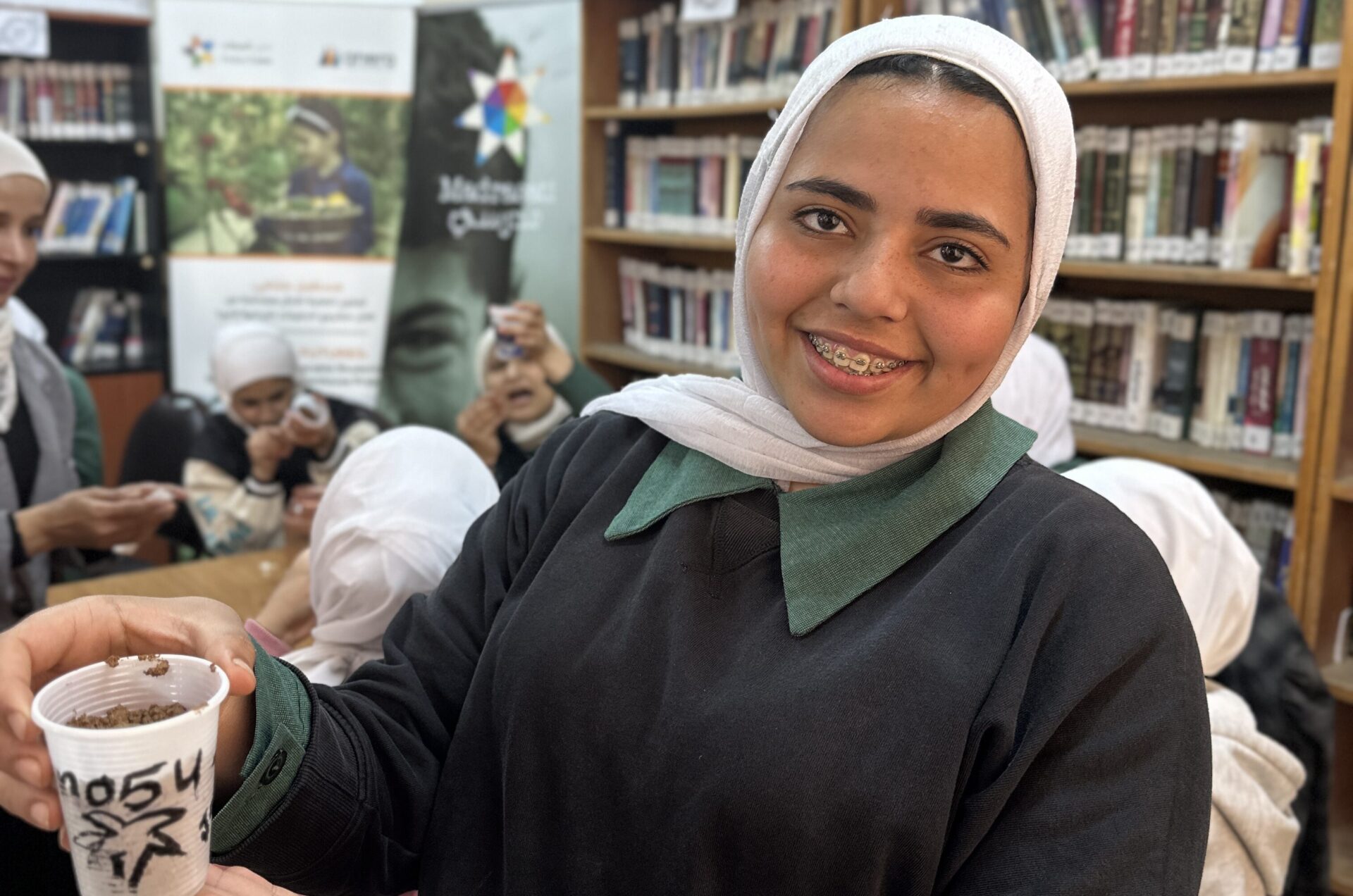
“When we had our first harvest, I was so excited I told everyone about it. The experience didn’t stay at school. I brought it home to my family!”
“I’ve learned so much about growing plants inside greenhouses,” says Shahid, a high school student participating in the student clubs. “It’s amazing to watch tiny seedlings grow into full plants just by using energy from the sun.”
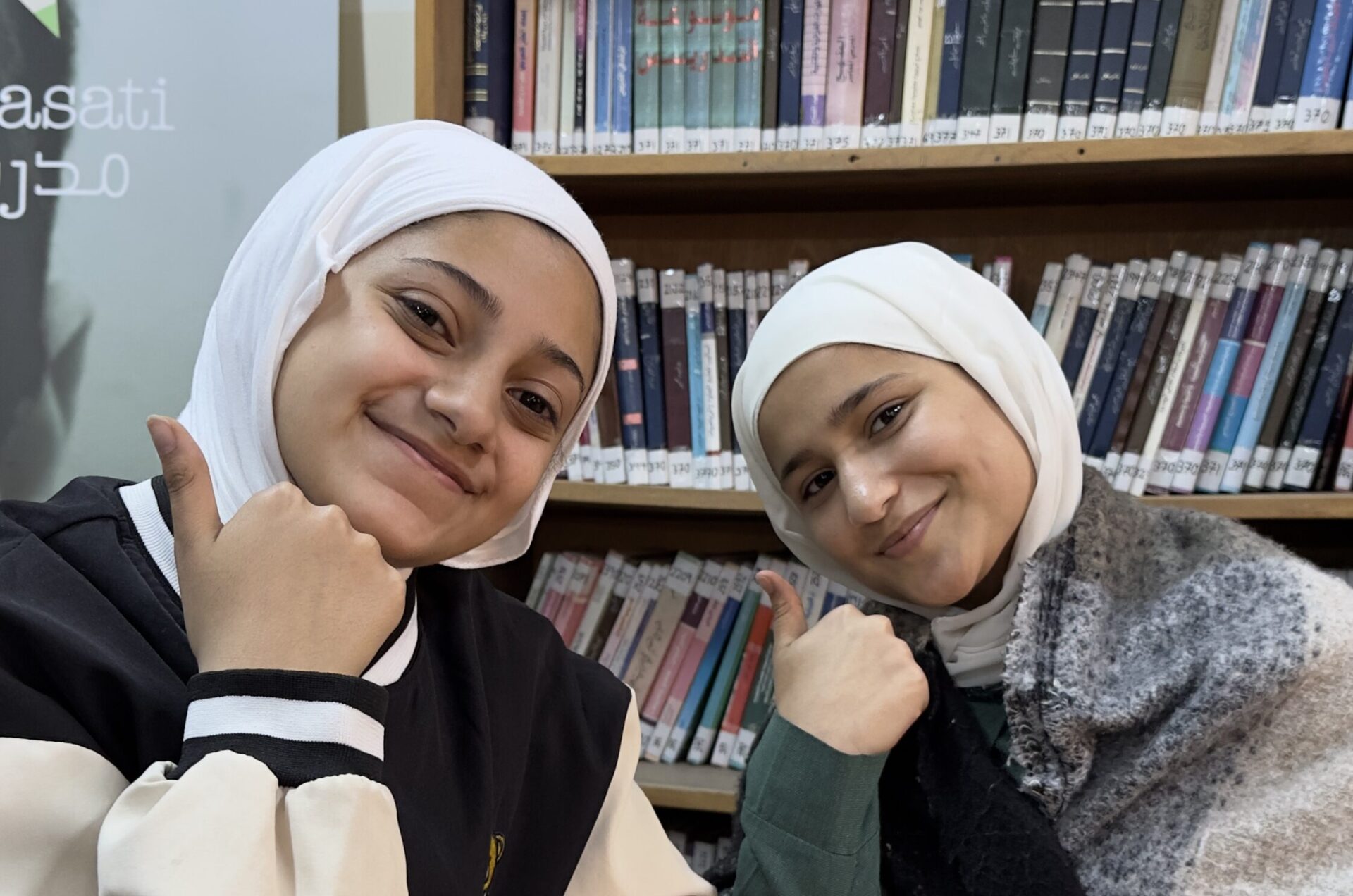
Before joining, many students had limited exposure to agriculture. “I didn’t know much about planting,” says Nada, another student. “Now I’ve learned how to protect plants from insects and from harsh weather.”
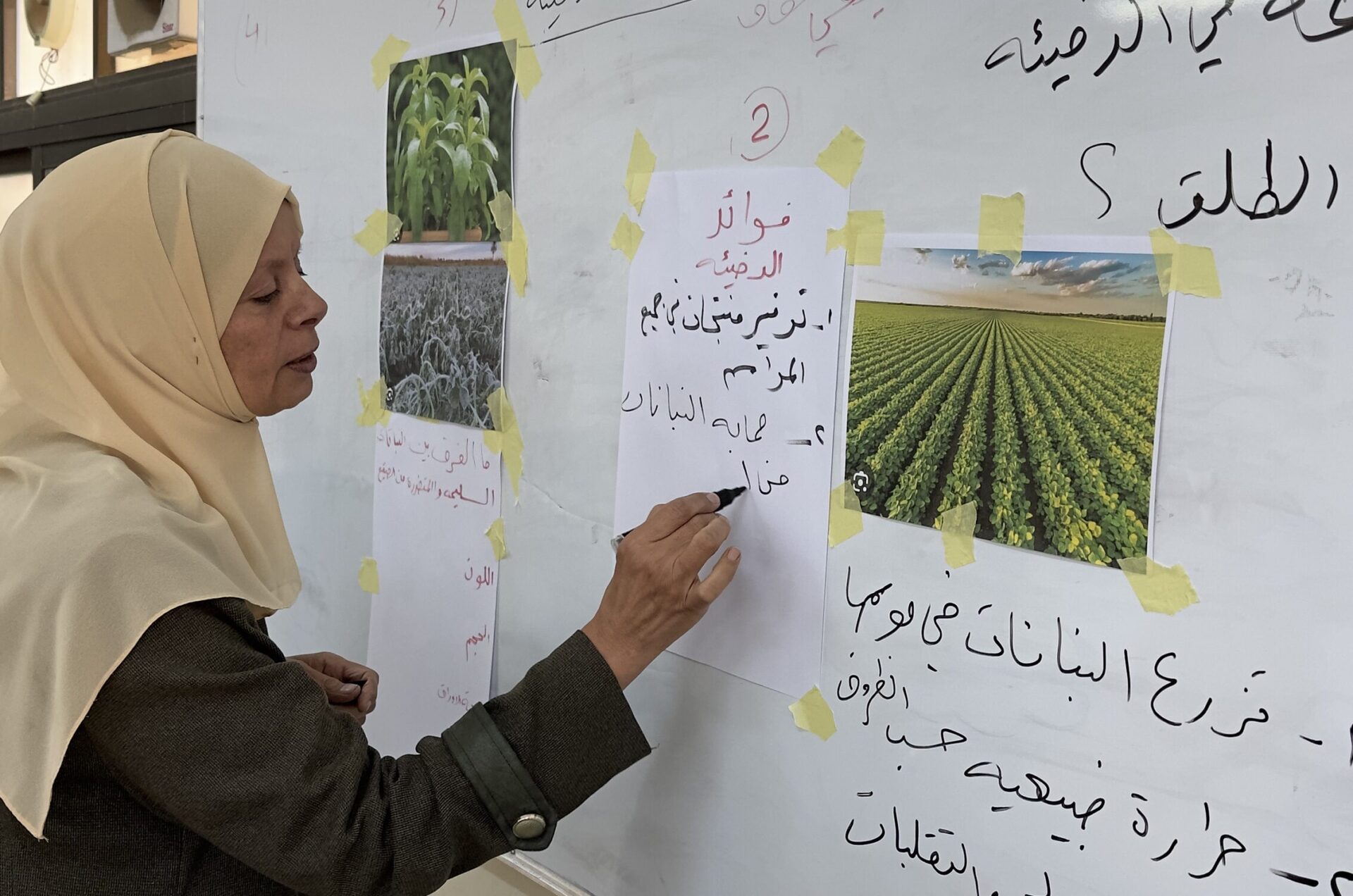
Shahid shares a similar sense of enthusiasm. “Being part of this made me want to learn even more. I’ve always wanted to grow something of my own, and now I feel much more confident doing it.”
Students aren’t just focused on results. They’re learning by doing. “I learned how to plant through hands-on activities,” says Fatima, another pupil. “It helped me understand how plants grow step by step, and how important it is to care for them along the way.”
That sense of ownership is spreading beyond the students themselves. “The greenhouse quickly became a shared space,” says one school principal. “It’s more than just a place to grow plants. It’s become a place to build a sense of community.”
“When we had our first harvest, I was so excited I told everyone about it,” says Tasneem, a former member of the students’ clubs. “The experience didn’t stay at school. I brought it home to my family!”
Across these schools, the greenhouses have become more than places where crops are grown. They are places where students learn by doing, take on real responsibility, and see the results of their work over time – from a planted seed to a shared harvest.
What begins inside the greenhouse doesn’t stay there. It shows up in how students talk about science, how they work together and how they imagine what they might be able to build next.