May, 2026
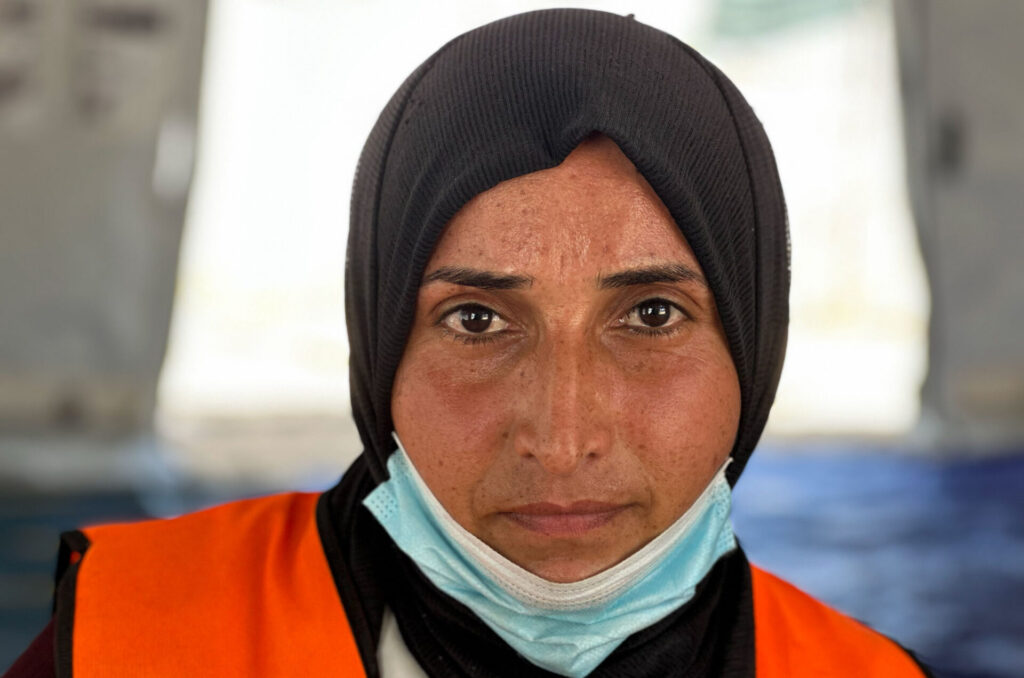
“I feel like the war didn’t only take over our streets. It took over my home, my mind and my child.”
Shurouq, originally from Shejaiya, now lives in Al Bahr camp with her three daughters, all under the age of four, and her parents after her husband left her and the girls. She says life was stable before the war, but everything changed once it began.
“Before the war, our life was normal,” she says. “After it started, everything became heavy, even inside the house.”
With no source of income, Shurouq, a single mother, and her children now rely on humanitarian assistance, including food and water distributions and community kitchens, to meet their daily needs.
“We depend on aid,” she says. “Without it, we couldn’t manage.”

The pressure of the war went beyond survival. Her husband, who was not violent before, became physically abusive after the war began and eventually left the family eight months ago, leaving Shurouq to care for her children alone in an unstable environment.
“There was anger and violence. Everything changed,” she says quietly.
It was in this context that her three-year-old daughter, Wafa, began to show the first signs of distress. When Shurouq brought her to Anera’s clinic, she was severely underweight.
“She was only 7 kilos,” Shurouq recalls.
Malnutrition was only part of Wafa’s struggle. She also began experiencing frequent episodes of uncontrollable urination, triggered by fear and ongoing exposure to violence. At first, Shurouq believed it was a physical illness, until medical tests and screening confirmed there were no underlying medical causes.
“I thought something was wrong physically,” she says. “But everything came back fine. They told me it was fear. It was from trauma.”
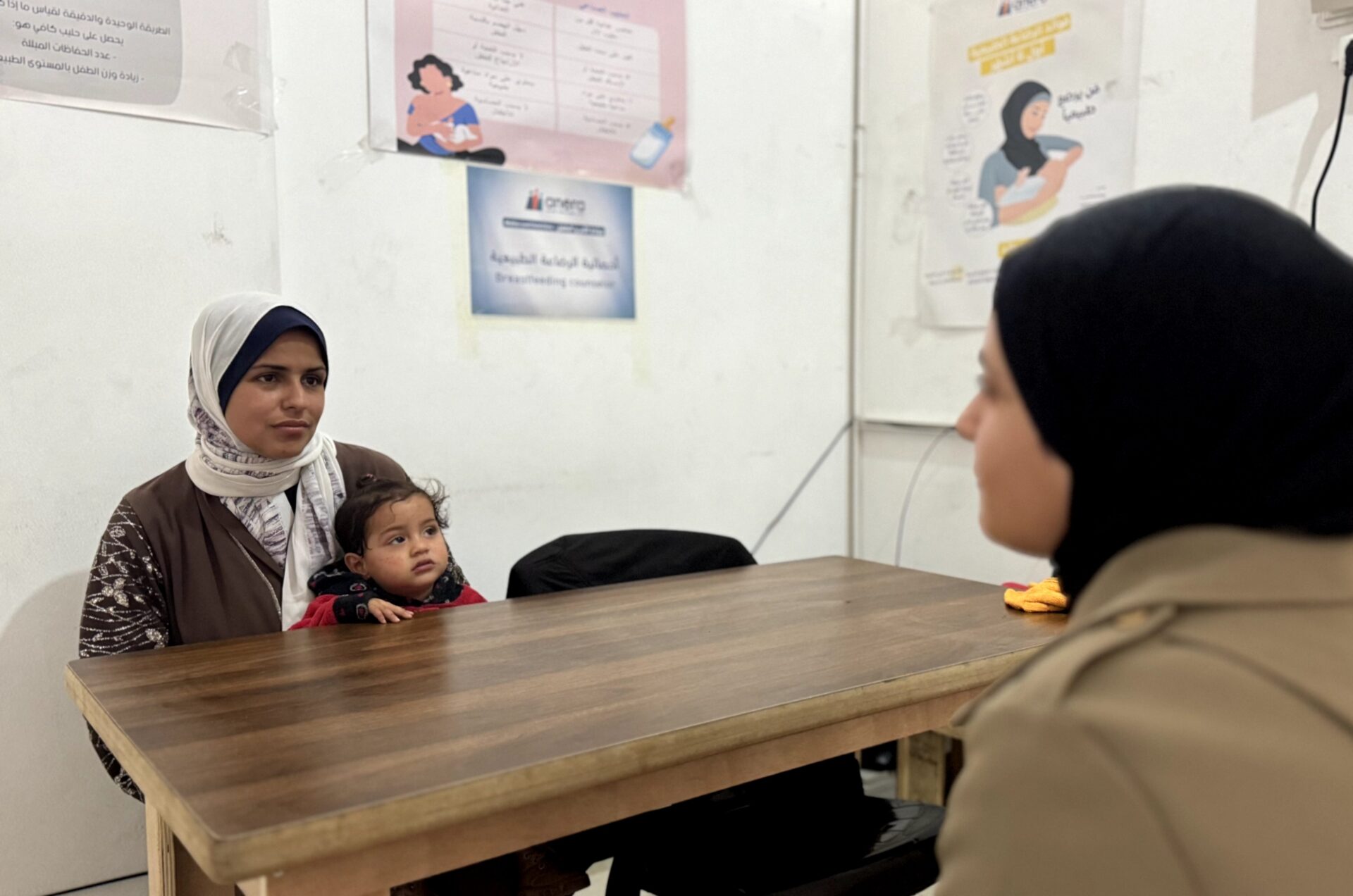

“But everything came back fine. They told me it was fear. It was from trauma.”
From there, Shurouq began to understand how deeply the war, combined with her husband’s violence and his subsequent absence, had affected Wafa’s emotional well-being. “She was always scared,” she says. “Even small sounds would affect her. It broke me.”
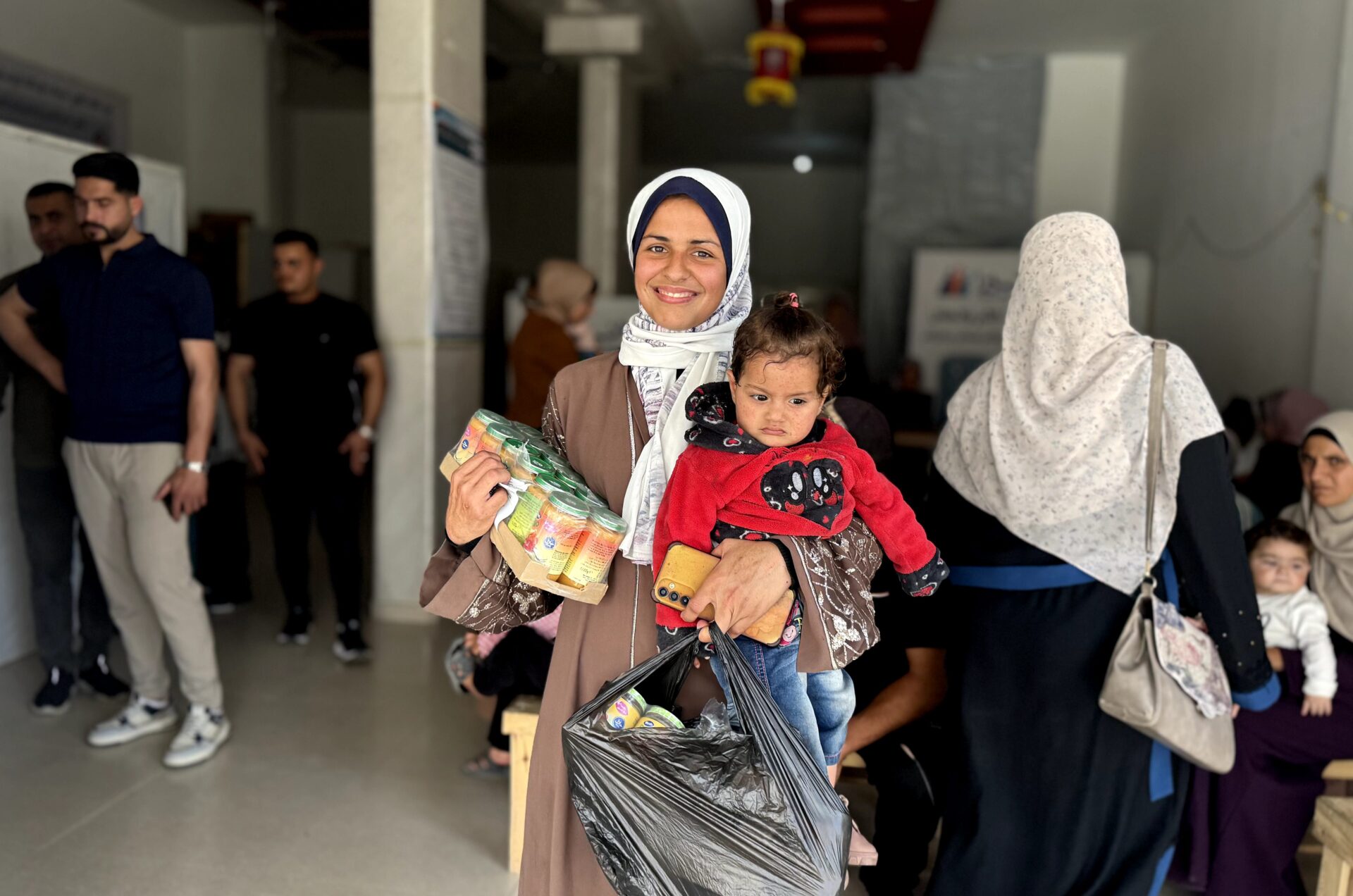
During four months of follow-up at Anera’s clinic, with financial support by ADRA, Wafa received regular nutrition care alongside psychosocial support. Gradually, her condition began to improve. She gained weight and the urination episodes stopped completely.
With Anera’s support, Wafa was given a special ready-to-use food that is very rich in energy, supplements and minerals to help her recover from malnutrition and regain strength.
Shurouq received counselling in simple, practical ways on how to feed Wafa using the food available at home. She was also guided on how to prepare healthy meals with limited resources, so she could continue supporting Wafa's recovery even in difficult living conditions.
“She started to improve slowly,” Shurouq says. “And then one day I realized, it had stopped completely. She seemed better, she seemed happier.”
Alongside the medical follow-up, Wafa received psychosocial support through Anera’s clinic and team designed to help her cope with fear and rebuild a sense of safety. Shurouq was guided to use simple, structured activities with her daughter, playing music, drawing, painting and encouraging her to express herself through play as part of her emotional recovery.
“I was carrying everything inside me,” she says. “And when I finally spoke, I felt something release.”
Shurouq says the war was not only physical destruction, but a deep emotional breaking point for families, especially children.
“I didn’t realize how much we were both carrying,” she adds softly. “But slowly, we started to heal in different ways.”


Gaza
Gaza City Governorate
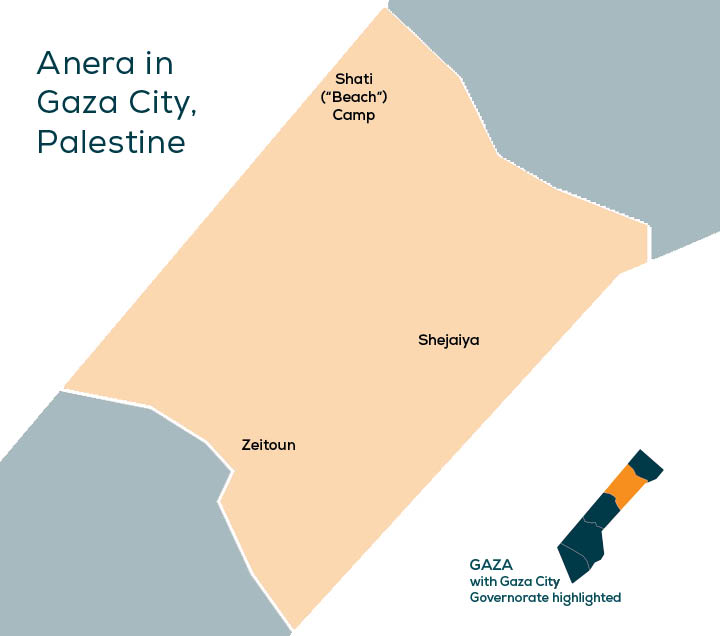
In 1984, Anera’s Gaza City office opened with three staff members. It is still at the same location today, but with 17 staff members. From that location, the team manages water and sanitation, education, healthcare, economic development, and humanitarian relief projects throughout Gaza.