Aug, 2026
A Holistic Response for Gaza's Medical Evacuees
A successful surgery can save a life, but recovery goes far beyond the operating room. For families who have fled Gaza to Jordan in search of medical treatment, healing also means coping with displacement, uncertainty and the emotional toll of being away from home. Parents are trying to hold their families together in unfamiliar surroundings, children are adjusting to a new reality, and every day is spent waiting for the moment they can safely return home.
Through the Gaza patient support program, Anera and its implementing partners are helping ease that burden by providing families with the support they need throughout their treatment journey.
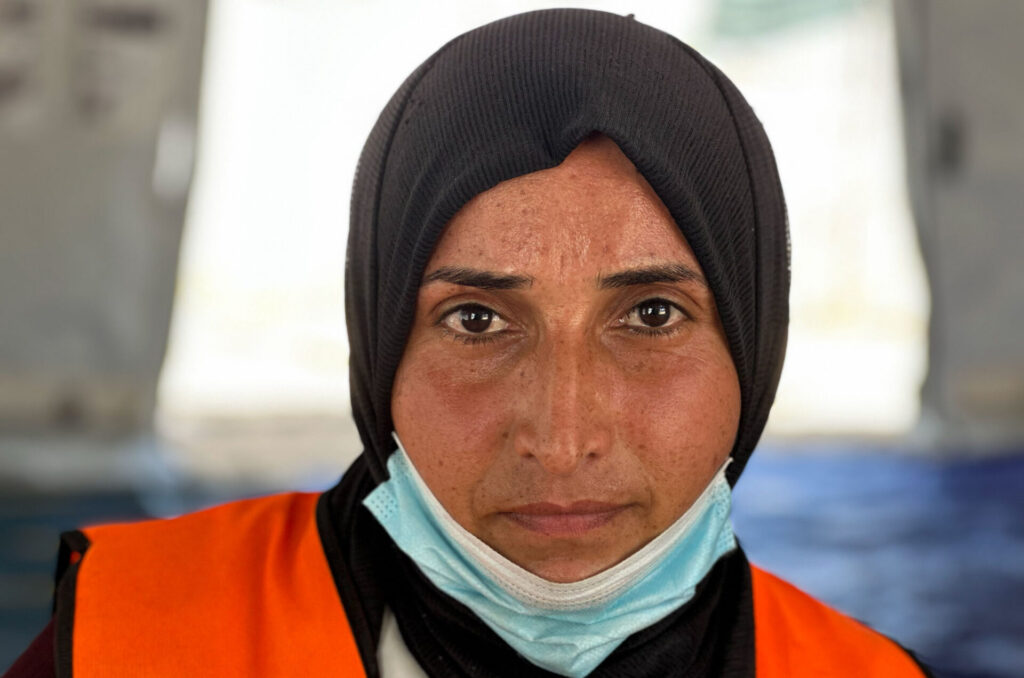
Sahar* and her children are among the many families supported through the program. Her story reflects the reality faced by countless Gazans forced to leave everything behind. She arrived in Jordan with her seven children after her daughter, Sara, was evacuated from Gaza to receive life-saving medical treatment.
"I could hardly believe we made it out," Sahar recalls. Life in Gaza had become unbearable. Fear was a constant presence, and every day was marked by uncertainty as she struggled to keep her children safe.
Beyond Sara's medical treatment, Anera provided support to the family that helped make daily life more manageable. Food parcels and clothing vouchers covered essential needs, while access to shared washing machines helped ease some of the practical challenges of living away from home. Sahar's children also took part in recreational activities and psychosocial support sessions, giving them a chance to learn, play and simply be children again.

Support provided through the program
- 24 medical evacuees received life-saving medical treatment, ensuring they could access the specialized care they urgently needed.
- 72 individuals received psychological support, helping them cope with trauma and supporting their long-term mental well-being.
- 95 families received food parcels, providing immediate relief and helping meet their daily nutritional needs.
- 115 escorts received medical referrals, ensuring family members accompanying patients could also access essential healthcare services.
- 47 families received clothing and hypermarket vouchers, giving them the flexibility to purchase the clothing and essential items they needed most while preserving their dignity and restoring a sense of normalcy.
- 265 individuals, primarily children, participated in recreational activities that provided safe spaces to play, learn, and begin to heal from the effects of conflict and displacement.
- 10 washing machines were installed across three locations, improving access to essential hygiene services and helping families maintain healthier living conditions.

"Honestly, it was a change in life"
After the organized activities began, "their behavior and mood got a lot better, much more so than when they were just staying in the [hotel] rooms upstairs," Sahar says. "Here [in the psychosocial and recreational activities space] they get a change of environment... and they learn."
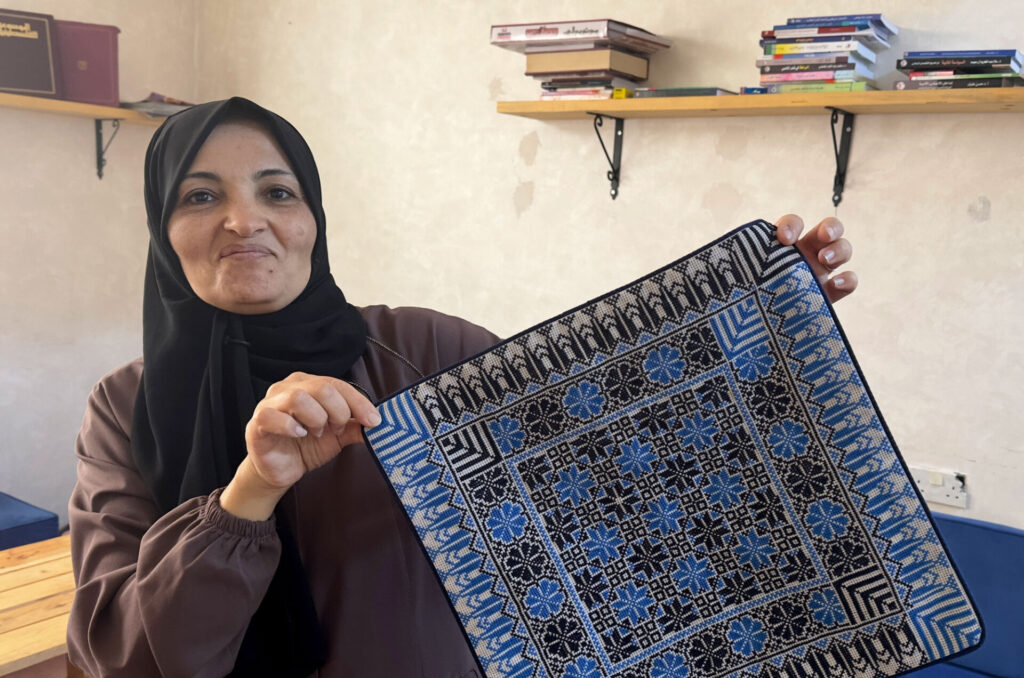
Sahar found support of her own through psychosocial activities for caregivers. Group discussions and art sessions gave her a space to connect with other mothers, share experiences and step away, even briefly, from the stress of displacement.
"Honestly, it was a change in life," she says. "It broke the routine. It broke the stagnation."
Although her thoughts are never far from home, Sahar says her family has found comfort in Jordan while they wait. For her family, healing has been about more than medical treatment. It has also meant finding stability, community and hope until the day they are able to return home.
I was afraid for my daughter... afraid of everything. But when we came here, we rested and became happy."
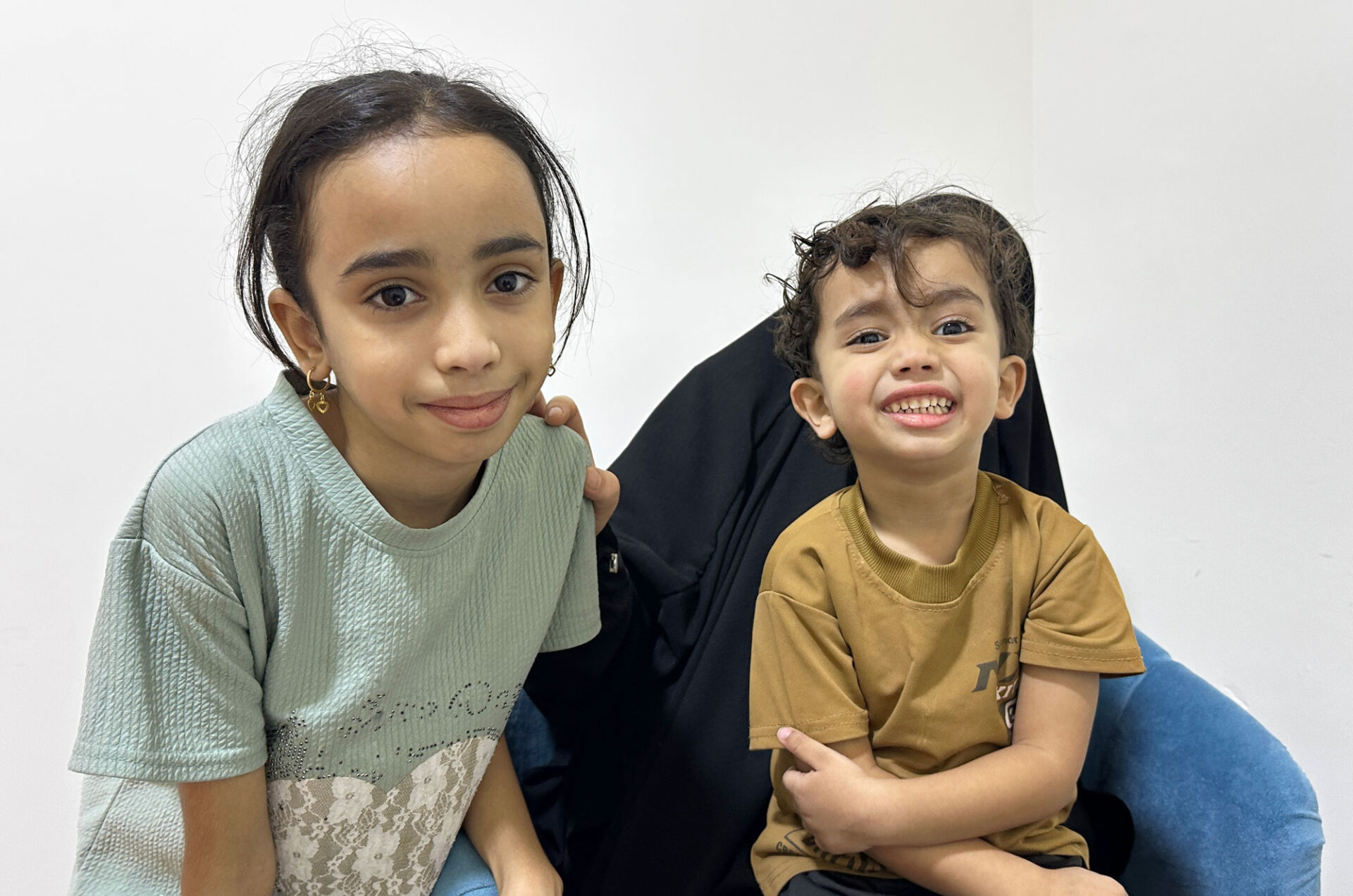
Moneera, a mother of seven from Gaza, arrived in Jordan with her daughter, Salam, who was evacuated for life-saving medical treatment.
Before the war, Salam’s father had applied for her medical referral. When the conflict began, everything changed. Afraid of leaving her other children behind, she delayed traveling until the family was allowed to evacuate together.
"I was afraid for my daughter... afraid of everything. But when we came here, we rested and felt happy."
While Salam recovered from her successful surgery, the family received holistic support that extended far beyond medical care. Food assistance, clothing vouchers, access to shared washing machines, and psychosocial support helped ease the challenges of displacement and restore a sense of dignity.
The children found joy in recreational and learning activities. Her youngest son, Baker, made new friends through play, while Salam enjoyed learning English and proudly spoke about her favorite teacher.
The support also helped Moneera. Through psychosocial and art sessions, she connected with other women who shared similar experiences.
"We come down, sit together... get to know each other," she says.
"I was afraid for my daughter... afraid of everything. But when we came here, we rested and felt happy."
Today, the family waits for the call to return to Gaza. "Here we are comfortable and happy," she says. "We think about now." Even as they hope to go home, the support they received in Jordan has given them space to heal, recover, and look toward the future with renewed strength.
For families forced to leave Gaza for medical treatment, recovery takes more than an operation. It also means having food, clean clothes, a safe place for children to play and emotional support. Through the Gaza patient support program, Anera and its partners provide holistic care, ensuring families receive the support they need to recover with dignity while away from home.
*Names have been changed throughout to protect identity.