Oct, 2026
From Despair to Healing: Stories of Survival and Recovery in Jordan
For families in Gaza, securing specialized medical care has long been an uphill battle — and became nearly impossible for many during the war. Below, two mothers share their powerful accounts of displacement, the agony of waiting for medical referrals, and the relief of finally receiving life-saving treatment for their children in Jordan.
A Mother’s Long Wait: Um Walid and her Son’s Battle with Hemophilia
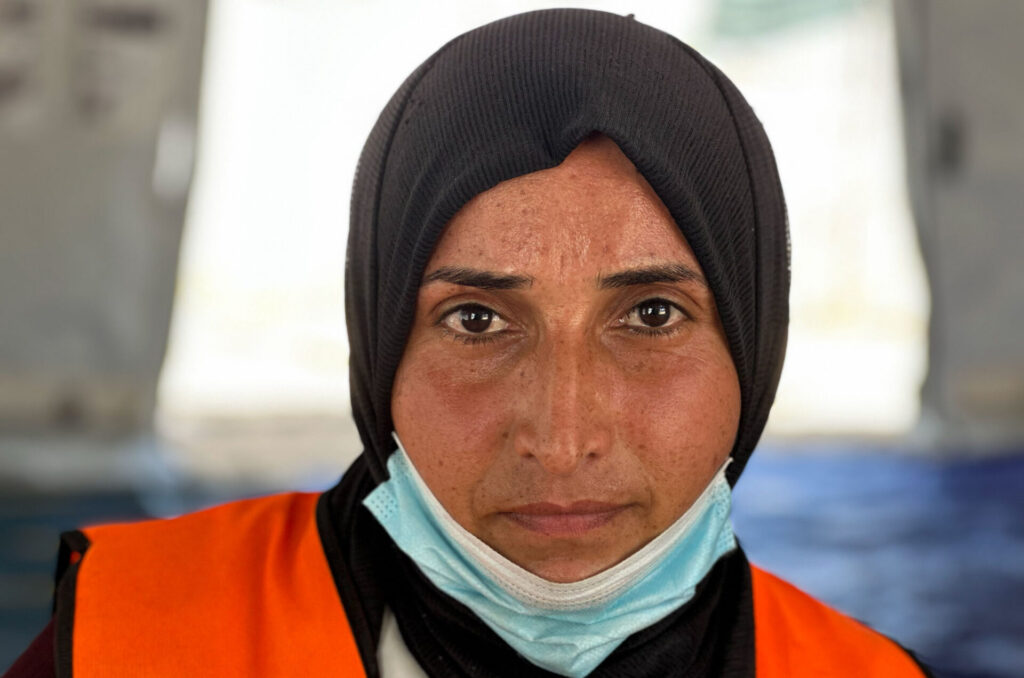
Um Walid is a mother of four from the Jabalia Refugee Camp. Nine times during the war, she and her family endured the terror of being displaced. Her biggest struggle, however, was keeping her son alive. He suffers from hemophilia A, a hereditary blood disorder marked by an inability to form clots, requiring lifelong weekly injections to prevent fatal hemorrhages.
Before the war, a sudden bleed meant a quick trip to a local hospital for a few days of treatment. During the war, with local hospitals destroyed or depleted of basic supplies, the specialized factor VIII injections were completely out of stock. Still, he stayed alive. Denied medical evacuations repeatedly over three years, Um Walid finally received the life-saving call she had prayed for: passage to Jordan.

"I had been waiting for a medical referral for three years."
Reflecting on her journey, Um Walid says:
“I had been waiting for a medical referral for three years. Thank God, this last time, they called me... and told me, 'You are going to Jordan for medical treatment.' I couldn't believe it; I swear, I started screaming out of joy, thinking, 'Finally, God has answered my prayers, and I can leave with my son.’ We arrived in Jordan, and they welcomed us and treated my son. He received his medication and his injections. Now, whenever he experiences bleeding, we have this injection [a blood clotter] available to give him."
Defying the Odds: Um Siwar’s Fight Against Brain Seizures
Um Siwar was evacuated to Jordan to save her young daughter, Siwar, who has suffered from a brain cyst for four years. While Siwar's condition was once manageable with medication, the stress and lack of resources during the war caused her health to deteriorate drastically. She began experiencing up to 15 severe, uncontrollable seizures every day.
In Gaza, the only treatment option available was to surgically implant a shunt (a drain tube) that Siwar would have to live with forever, exposing her to continuous lifelong complications. For two years of war she was unable to leave. Anera worked closely with her family to secure her transfer to Jordan, where pediatric neurosurgeons were finally able to perform a highly complex, major surgery to remove the cyst entirely from its roots.
Um Siwar describes the incredible relief of her daughter's successful surgery:
"Her surgery was very difficult... Fortunately, praise be to God, through the skill of the doctors, they removed the cyst from its roots.
“My daughter's health is good now. The cyst used to cause her to have continuous seizures.... But from the day they removed the cyst, all the seizures stopped.”
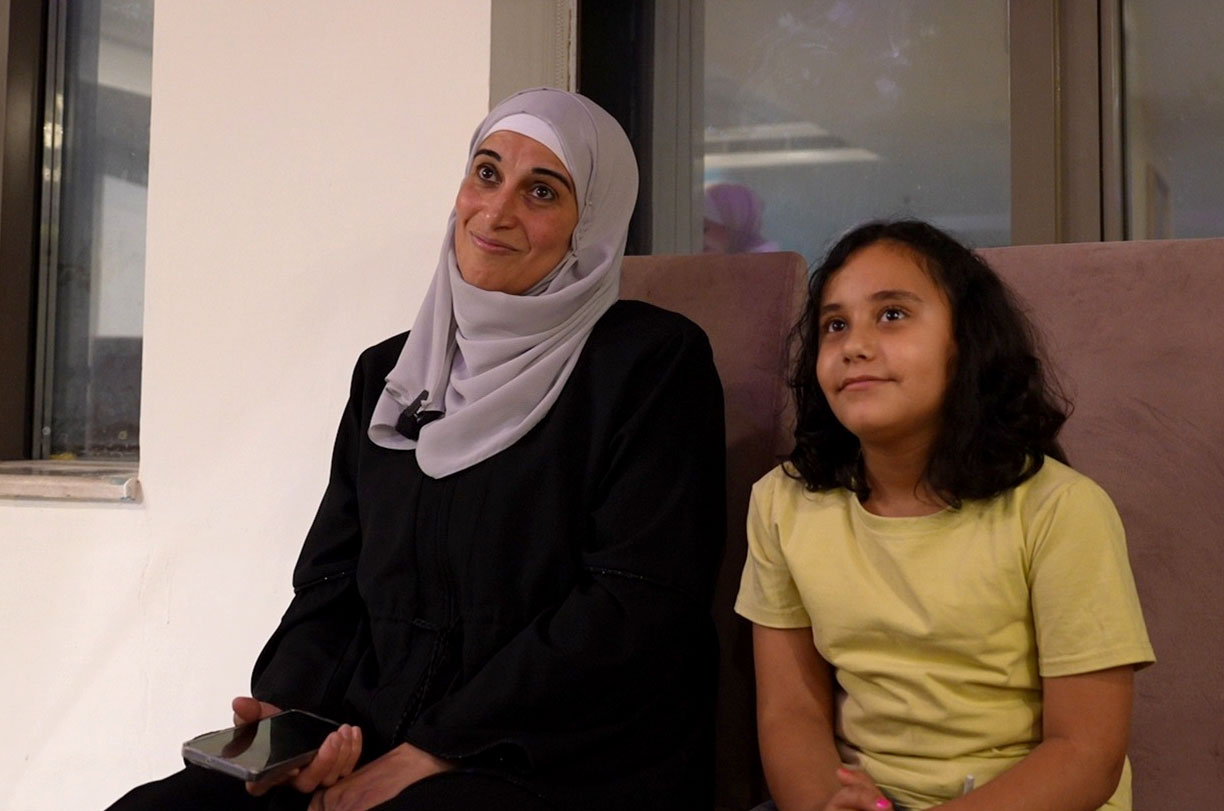
Two Stories, One Journey Toward Healing
The struggles of Um Walid and Um Siwar are just two stories among thousands of families facing catastrophic medical crises in Gaza. Behind every statistic is a child fighting for a chance at a healthy life and a family desperately seeking safety.
Anera’s support extends beyond the children receiving treatment to address the medical needs of their accompanying caregivers. Both Um Walid and Um Siwar had health issues of their own, and providing caregivers with the medications and healthcare they need has helped improve their quality of life and ease the burden of caring for their children.
To date, Anera has successfully evacuated 24 patients with their accompanying caregivers, totalling 65 people — to Jordan for specialized, life-saving medical treatment, coordinated in close partnership with official government bodies.
These operations are entirely dependent on collective efforts and support. By providing critical medical evacuations, specialized surgeries, and comprehensive patient care, we can continue to offer a pathway to dignity, healing, and hope for those who need it most.