Oct, 2026
Equipping maternity departments serving communities in and around Palestinian refugee camps in Lebanon with medical aid from Direct Relief
For women giving birth, having the right supplies available at the hospital can make an important difference. In Lebanon, where many families continue to face displacement, financial hardship and limited access to healthcare, keeping maternity departments equipped is especially important for communities living in and around Palestinian refugee camps.
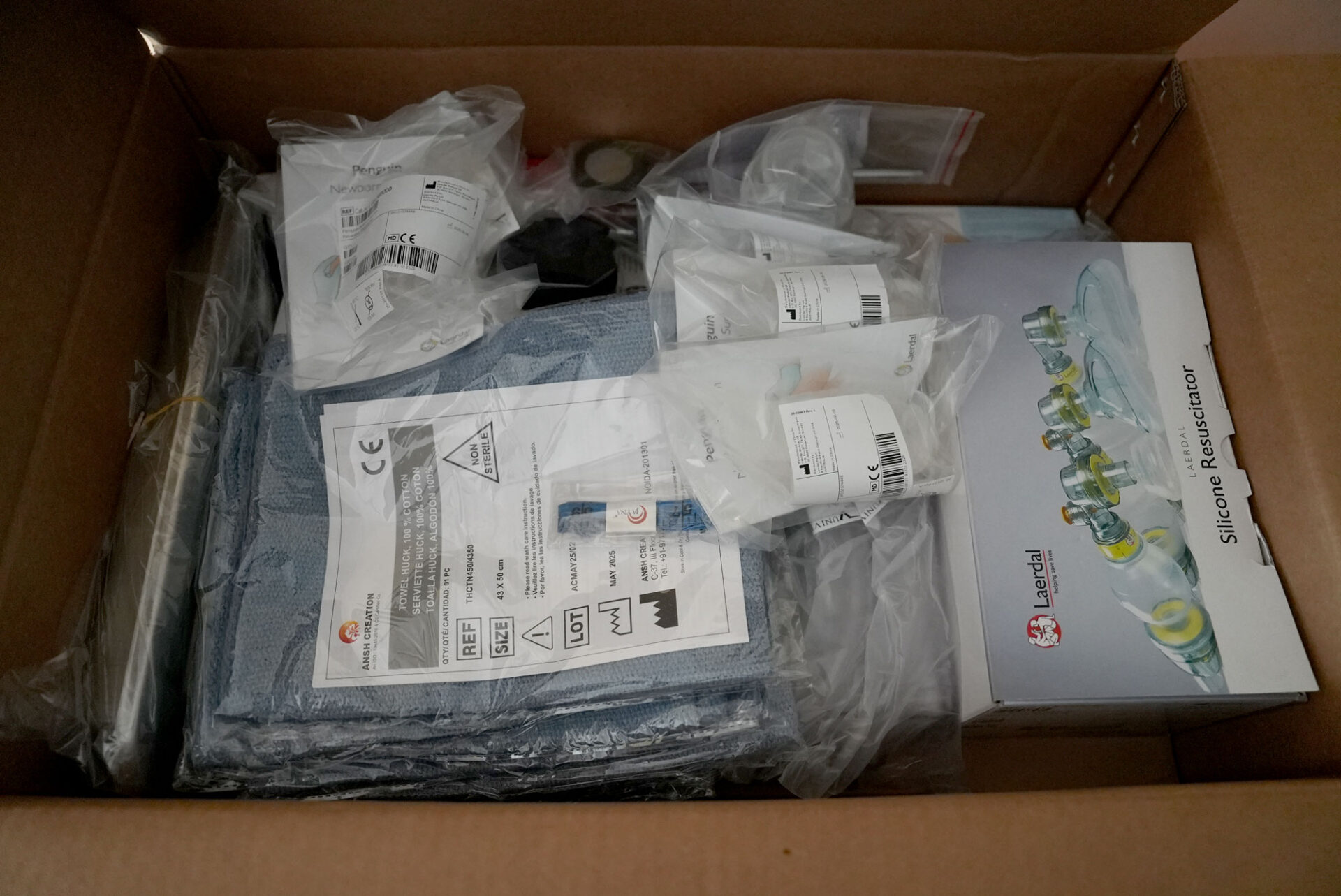
Through a medical aid donation from Direct Relief, Anera provided 31 reusable instrument kits and 56 consumable supply kits to strengthen maternal and newborn healthcare services across the five Palestinian Red Crescent Society hospitals and three public hospitals in Lebanon.
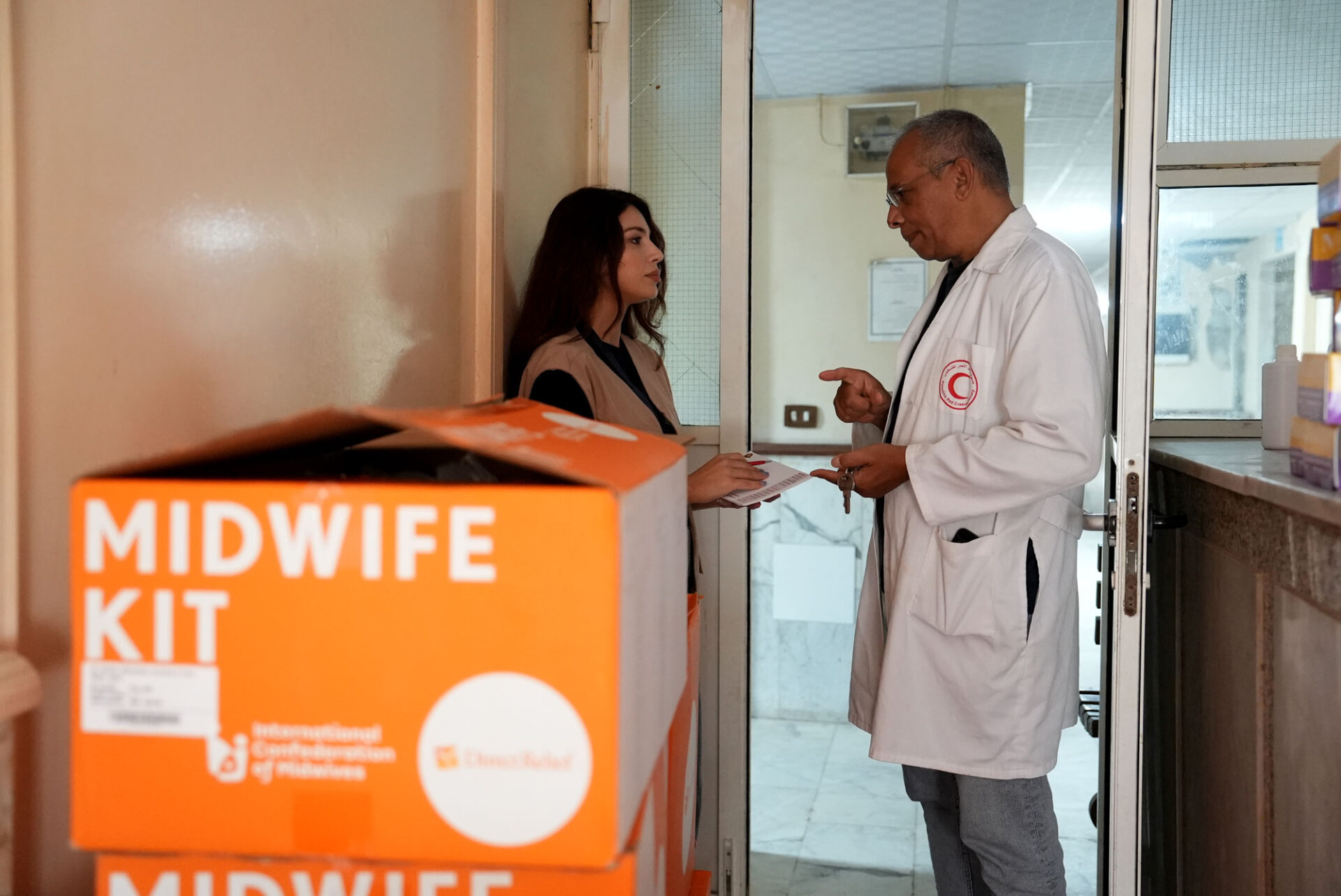
The shipment includes supplies used during normal deliveries and immediate care for mothers and newborns, including sterile gloves, umbilical clamps, gauze, syringes, IV supplies, sutures and infection-prevention materials. It also includes medicines such as misoprostol, magnesium sulfate, lidocaine, and iron and folic acid, as well as reusable equipment including blood-pressure monitors, stethoscopes, baby scales, neonatal resuscitation kits, suction devices and delivery instruments.
Each complete midwife kit supports at least 50 standard deliveries, expanding service capacity to approximately 1,550 safe births across the network.
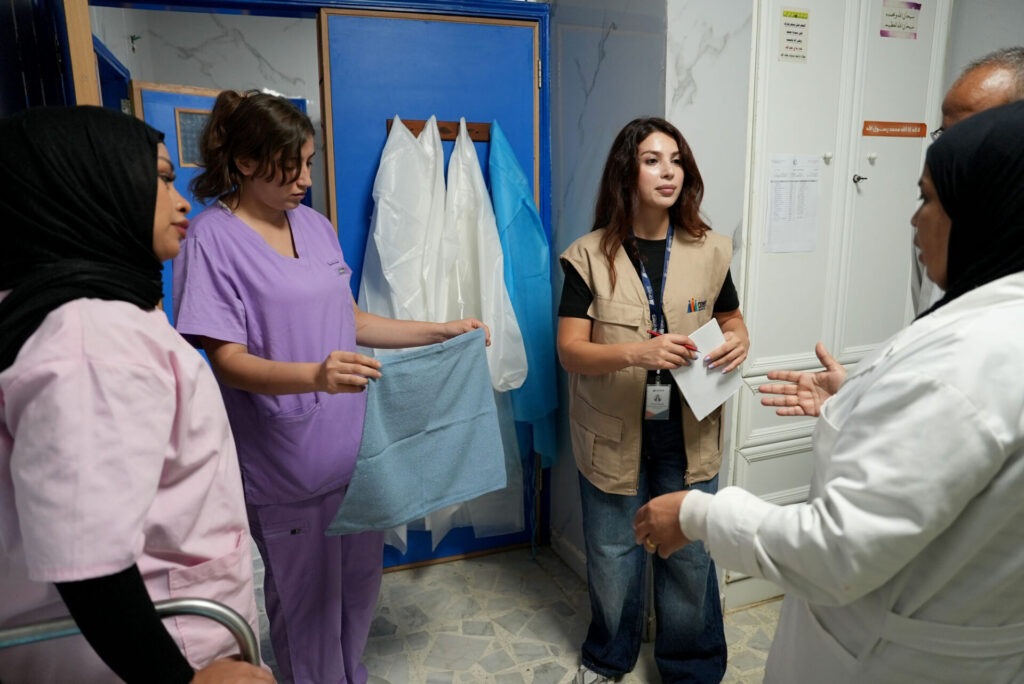
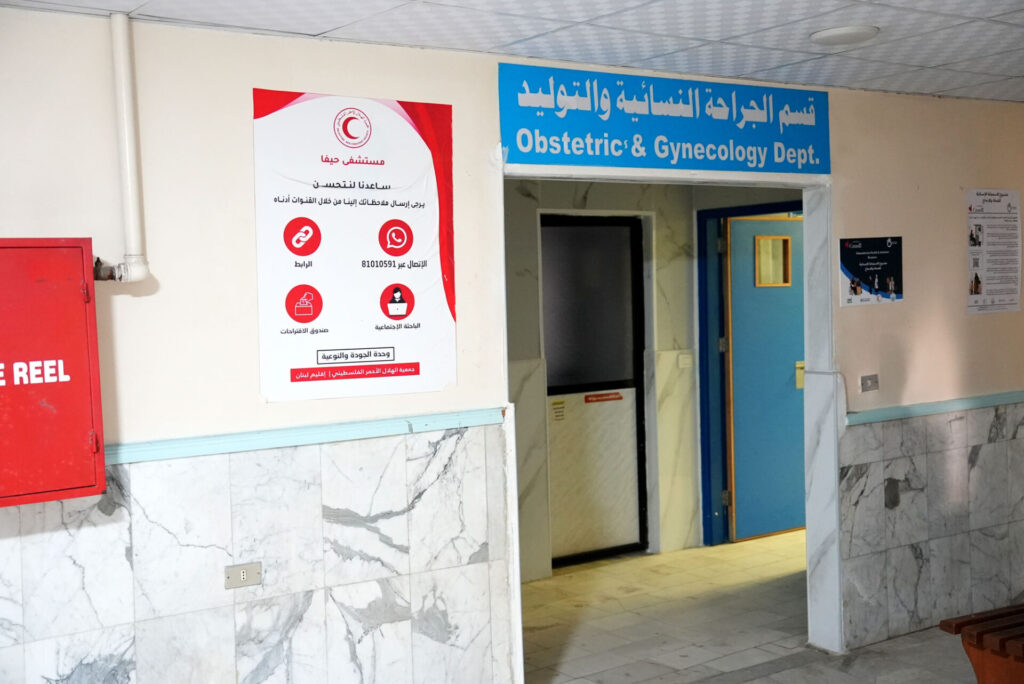
At Haifa Hospital in Beirut’s Burj El Barajneh Palestinian refugee camp, the donation is already being put to use.
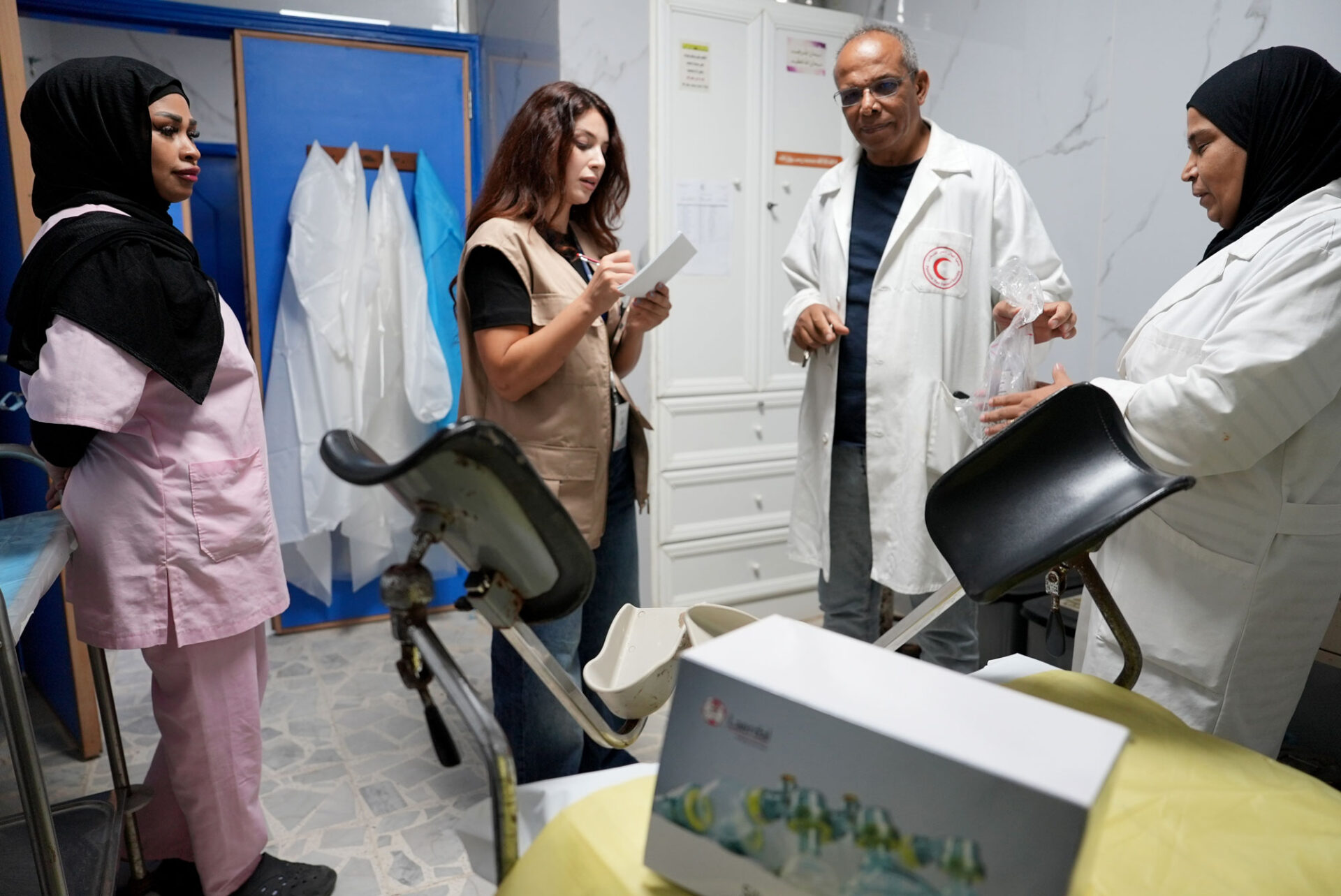
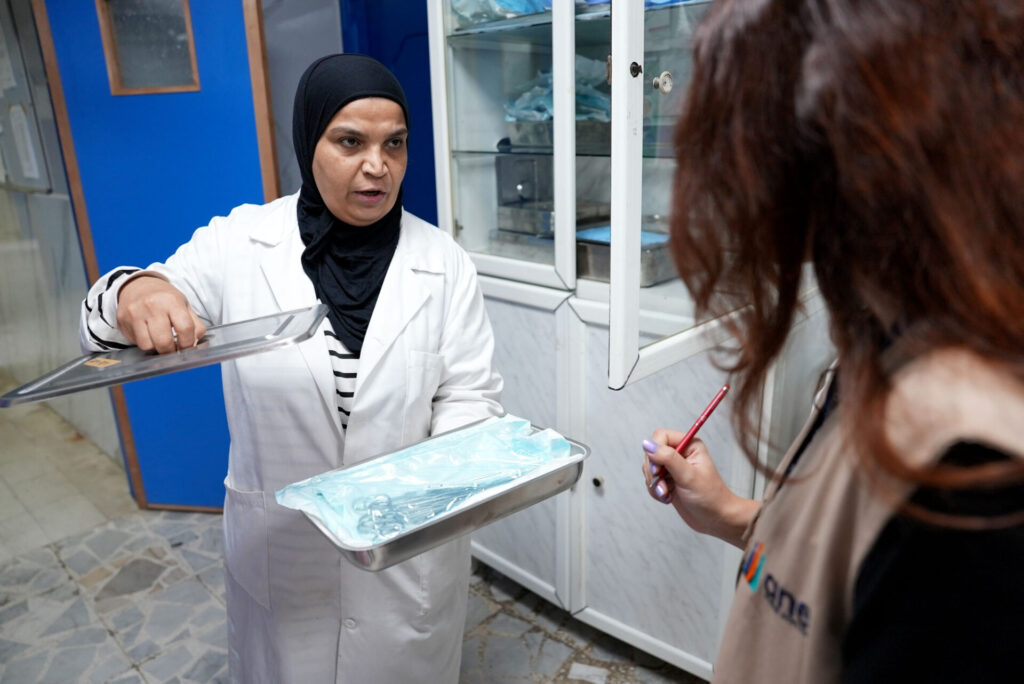
“The equipment we recently received has been wonderful,” said Khaldia Chabate, head midwife at Haifa Hospital’s maternity department, who has served the community for 37 years. “I put much of the new equipment straight into active use.”

"The equipment we recently received has been wonderful."
Keeping Maternity Care Available Close to Home
Haifa Hospital currently handles around 30 to 35 deliveries each month. The number has declined as the camp’s population has changed, but the maternity department continues to provide deliveries and maternal care to families in the community.
For women in refugee camps, local maternity care eliminates dangerous travel delays and financial burdens, particularly for those without private transportation.
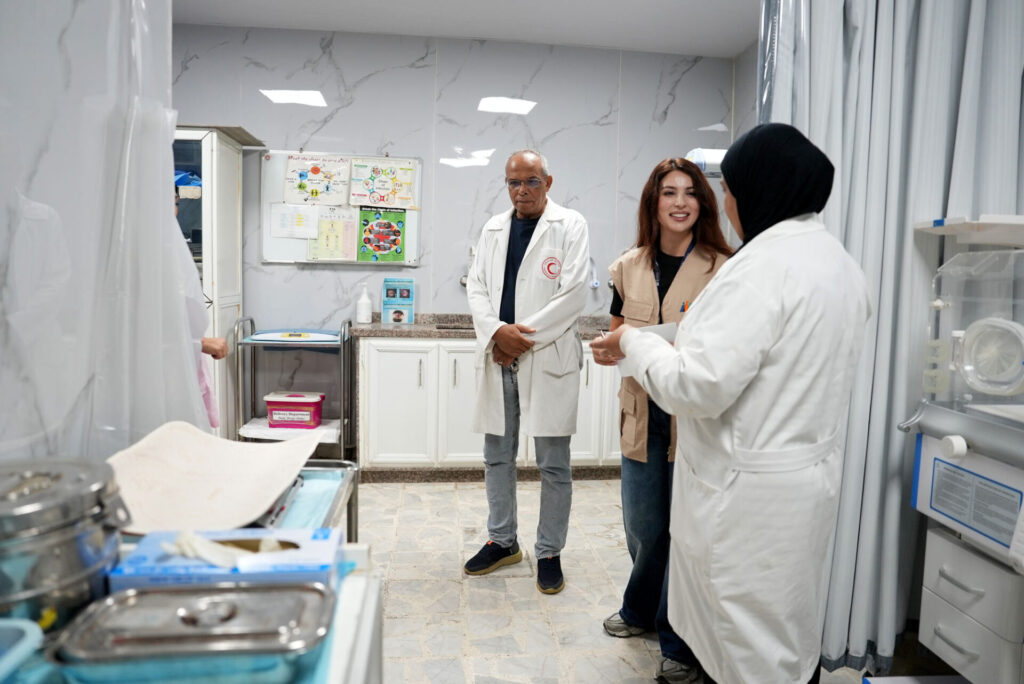
Khalil Mhawesh, a physician and the director of Haifa Hospital, said access to the hospital became particularly difficult during the war because of its location in the southern suburbs of Beirut.
“People were terrified to travel to the hospital,” Mhawesh recalled. “Reaching us during the height of conflict was fraught with fear.”
Despite the dangers, Haifa Hospital never closed its doors, providing round-the-clock emergency care. Medical personnel adapted by working extended 24-to-48-hour shifts to minimize movement through dangerous zones.
As the situation changed, Mhawesh said, rebuilding people's trust in the hospital and ensuring that services could continue became important priorities.
The maternity department is one of those services.
“We care about this section like the rest of the hospital departments,” Mhawesh said. “This is the ‘factory of generations.’ So, we always try our best to have very high capabilities available in the maternity department so we can provide very good services to people.”
"People were terrified to travel to the hospital"
Supplies that Go Directly to Patient Care
The financial pressure on hospitals makes maintaining these services difficult. Haifa Hospital operates almost free of charge. The money collected from patients does not cover the cost of providing care, including electricity, fuel, food services, medical supplies, staff salaries and contracts.
“The donations that came to us from Anera and Direct Relief are very good,” he said. “They contain several medications, medical supplies and medical equipment that we need in the maternity department.”
The benefit is directly felt by the patients, he notes.
“Every resource provided to the hospital goes straight to the patient,” Mhawesh says. “The more support we receive, the better care we can deliver.”
For Chabate, the value of the shipment is equally practical. Although the hospital has operated with more limited capacity than in previous years, she said the maternity team has continued to manage its current number of deliveries without regularly facing shortages of essential equipment.
The newly received supplies have helped reinforce that capacity.
“I have never experienced a time when we lacked essential equipment for a delivery,” she said, reflecting on her 37 years at the hospital. “The equipment we recently received has been wonderful.”
The maternity department does face gaps in other areas. Chabate explained that when a newborn requires specialized care, the hospital sometimes needs to arrange a transfer because it does not have a dedicated neonatal unit.
“Having a fully equipped neonatal unit of our own would transform our capabilities,” Chabate said. “It would allow us to save lives right here without the trauma and risks of urgent transfers.”
Every resource provided to the hospital goes straight to the patient”
The midwife kits donated by Direct Relief and distributed by Anera fulfill an urgent frontline need, supplying Palestinian Red Crescent Society medical teams across Lebanon with essential resources for routine childbirth.
Across the five Palestinian Red Crescent Society hospitals supported through the donation, the shipment is helping maternity teams maintain access to these basic resources for women and newborns, including families living in Palestinian refugee camps and communities in South Lebanon and North Lebanon.
For hospitals working under financial and operational pressure, keeping these supplies available is part of keeping maternity care available when families need it.