Aug, 2026
Our integrated humanitarian services are providing essentials like food, shelter, healthcare and education to displaced people in Gaza.
“The first thing I used to do every morning was drink coffee with my husband,” says Shadia. “I liked it sugar-free, with extra cardamom. I can still remember the smell of aromatic cardamom filling the house before the children woke up. We would sit together before the day started. I still think about those mornings.”
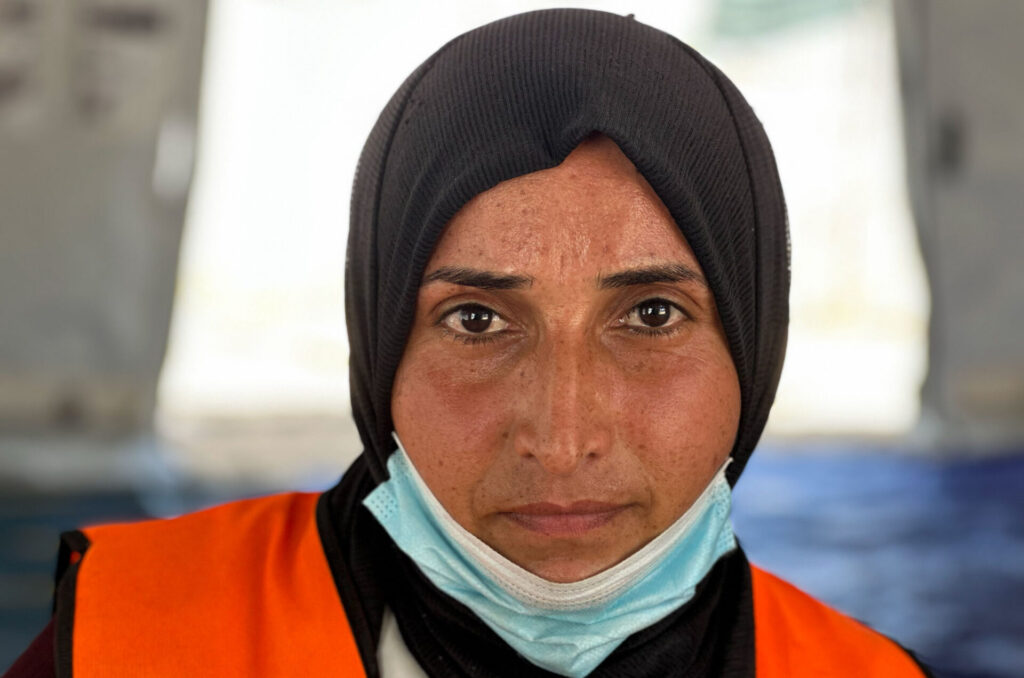
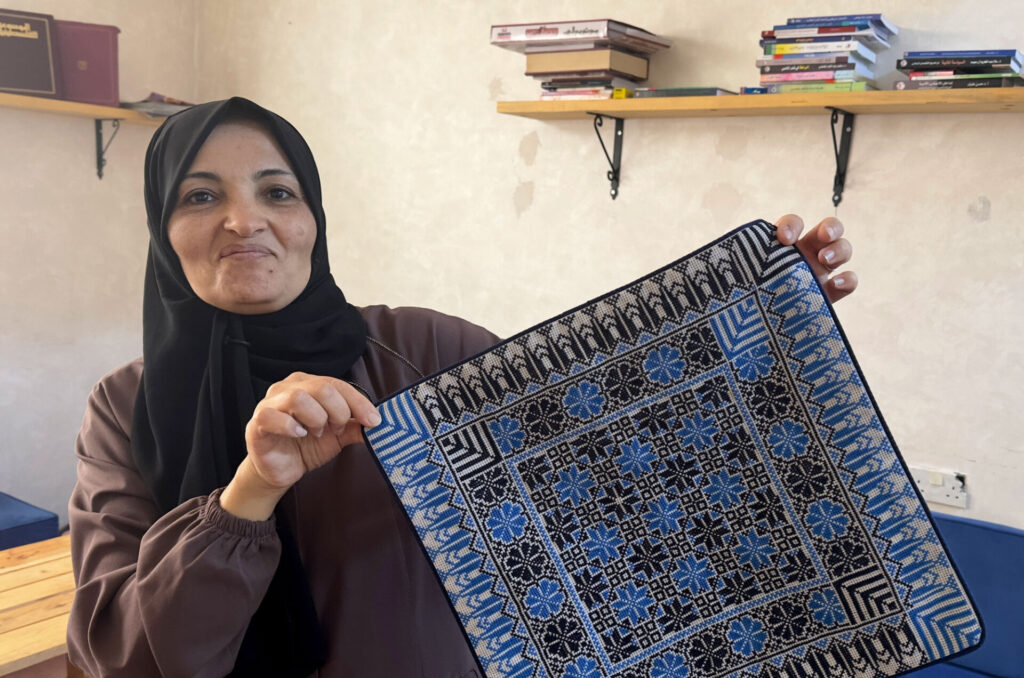
Shadia, 40, is originally from Beit Lahia in northern Gaza. She is the mother of five children. She lost her husband in December 2023, during the war.
Before the war, life felt predictable, shaped by routine and familiar patterns. Her husband worked and provided for the family. The house was noisy with the children running between rooms, arguing, laughing, and constantly asking for something.
“I was always busy,” she says. “Cooking, cleaning, taking care of the children. At night, we would sit together and eat. It was a simple life, but we were together.”
"Suddenly, I found myself carrying all the responsibility on my own.”
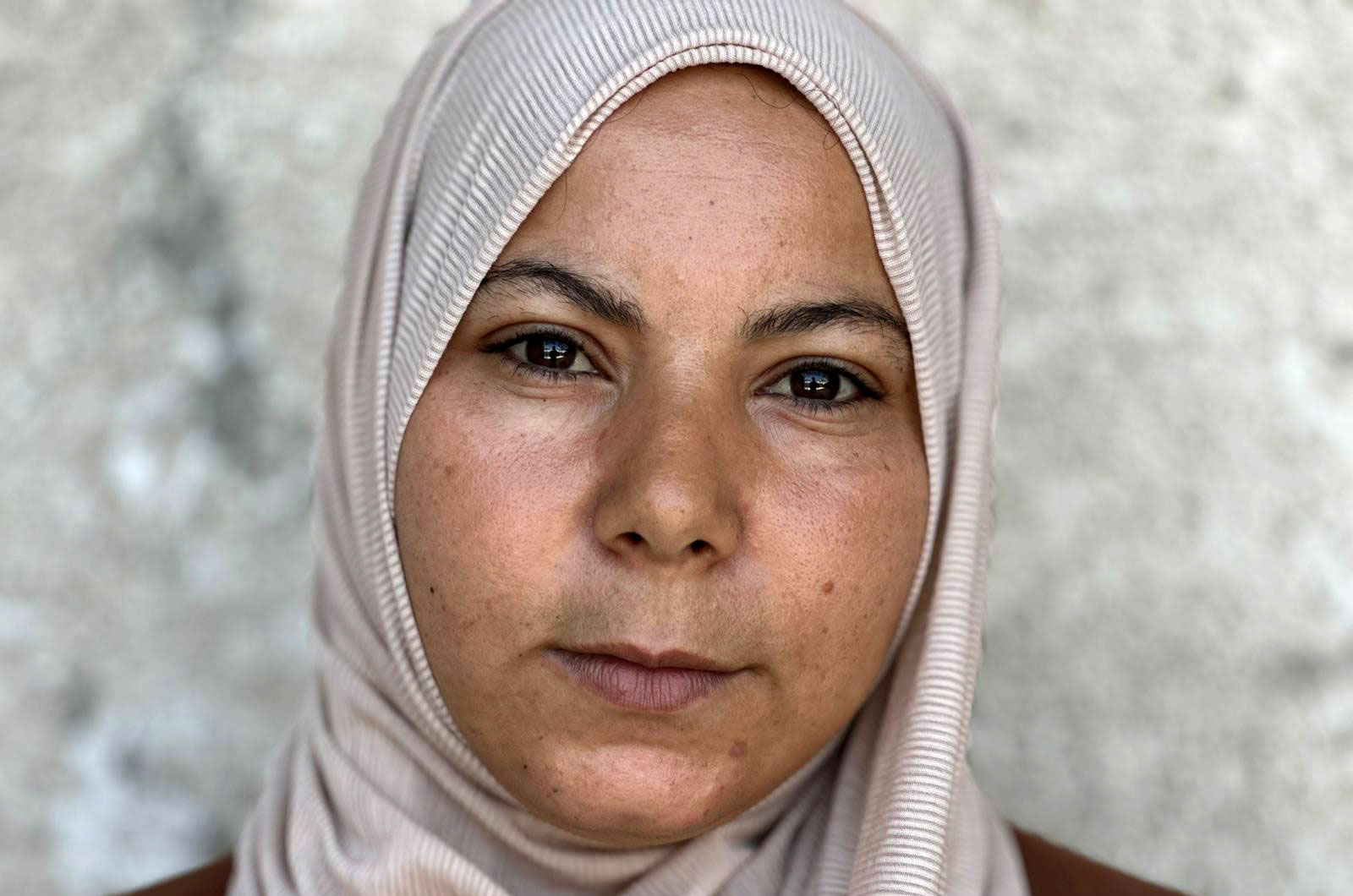

“When the sun came up, the first thing on my mind was food... I was trying to take care of five children on my own.”
As the war continued, Shadia and her children were displaced repeatedly. Each move meant starting over, finding a place to sleep, searching for food, securing water, and keeping her children safe.
“There was a time when I had nothing,” she says. “No husband, no income, no support. I was trying to take care of five children on my own.”
Every morning became a search for survival.
“When the sun came up, the first thing on my mind was food,” she says. “I would leave looking for a tekia (community kitchen) so my children could eat. After that, I would look for water. That was how I spent my days.”
As conditions worsened, her eldest son, Hisham, who was only 14, started looking for food himself.
One day, while trying to bring something home for the family, he was shot.
“He was bleeding for more than an hour before someone could reach him,” Shadia recalls. “The bullet was close to his spinal cord. He stayed in surgery for nearly eight hours.”
Hisham survived, but his recovery brought new worries. He still requires medical attention when he experiences seizures.
“[My son] was bleeding for more than an hour before someone could reach him.”

At the same time, Shadia was struggling to care for her 12-year-old daughter, Ameera, who has severe growth deficiency.
“Her bone age is only eight years old,” she says. “She needs a daily injection that costs 100 shekels (about $33). I cannot always afford it.”
When the family arrived at Al Jawazat camp, they had almost nothing.
“When we came back from the south, I did not have a tent, a mattress, or basic household items.”
"I had to decide whether to buy food or pay for my children's treatment.”
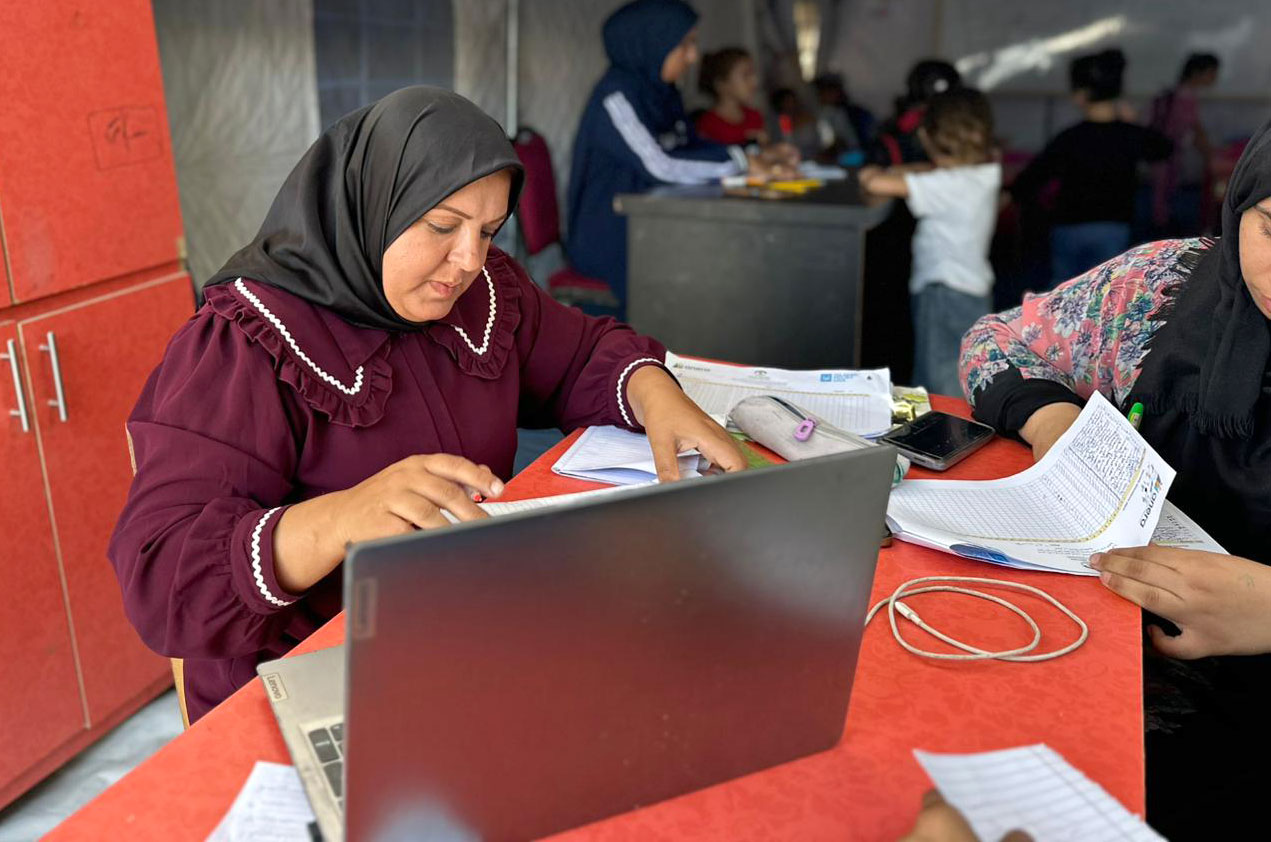
Through support provided by Anera, Shadia received integrated assistance in Al Jawazat camp, including safe shelter, bedding, hygiene kits, regular hot meals, fresh vegetables, and access to essential healthcare services.
For Shadia, the vegetables were more than food.
“We did not eat vegetables throughout the war,” she says. “The prices were too high. If I had any money, I had to decide whether to buy food or pay for my children's treatment.”
“We did not eat vegetables throughout the war.”
The camp's medical services also allowed Hisham to access care when needed.
“I am grateful my son can receive treatment here,” she says.
One of the changes that meant the most to her was seeing her children return to learning after months away from school.
“My children were deprived of education because of the war,” she says. “Seeing them learn again makes me happy.”
The support did not change what happened to her family. It did not bring back her husband or erase the years of hardship. But it gave her room to think beyond the next meal or the next bucket of water.
Today, her thoughts are focused on her daughter.
“Now, all I think about is Ameera’s treatment,” she says. “I hope she gets the chance to receive treatment abroad. That is my biggest wish.”
“Now, all I think about is Ameera’s treatment.”
Gaza
Gaza City Governorate
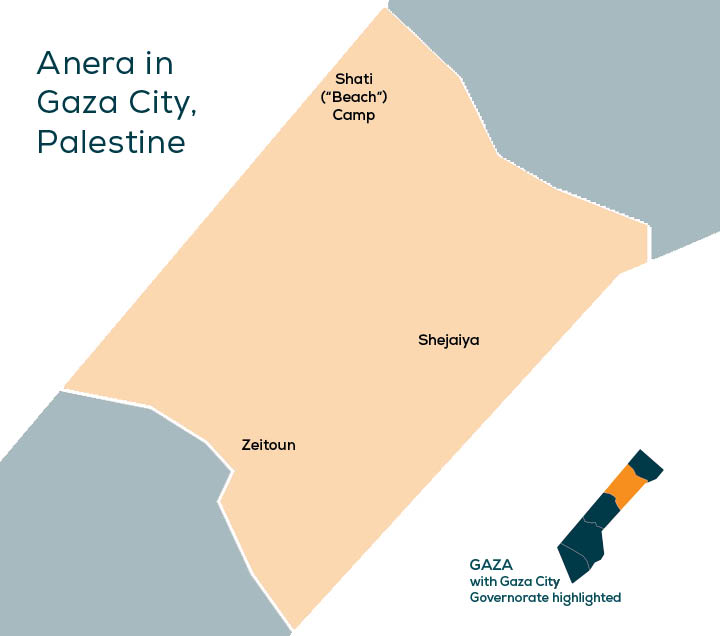
In 1984, Anera’s Gaza City office opened with three staff members. It is still at the same location today, but with 17 staff members. From that location, the team manages water and sanitation, education, healthcare, economic development, and humanitarian relief projects throughout Gaza.