Jun, 2026
“We eat from this land. It is our only source of life.”
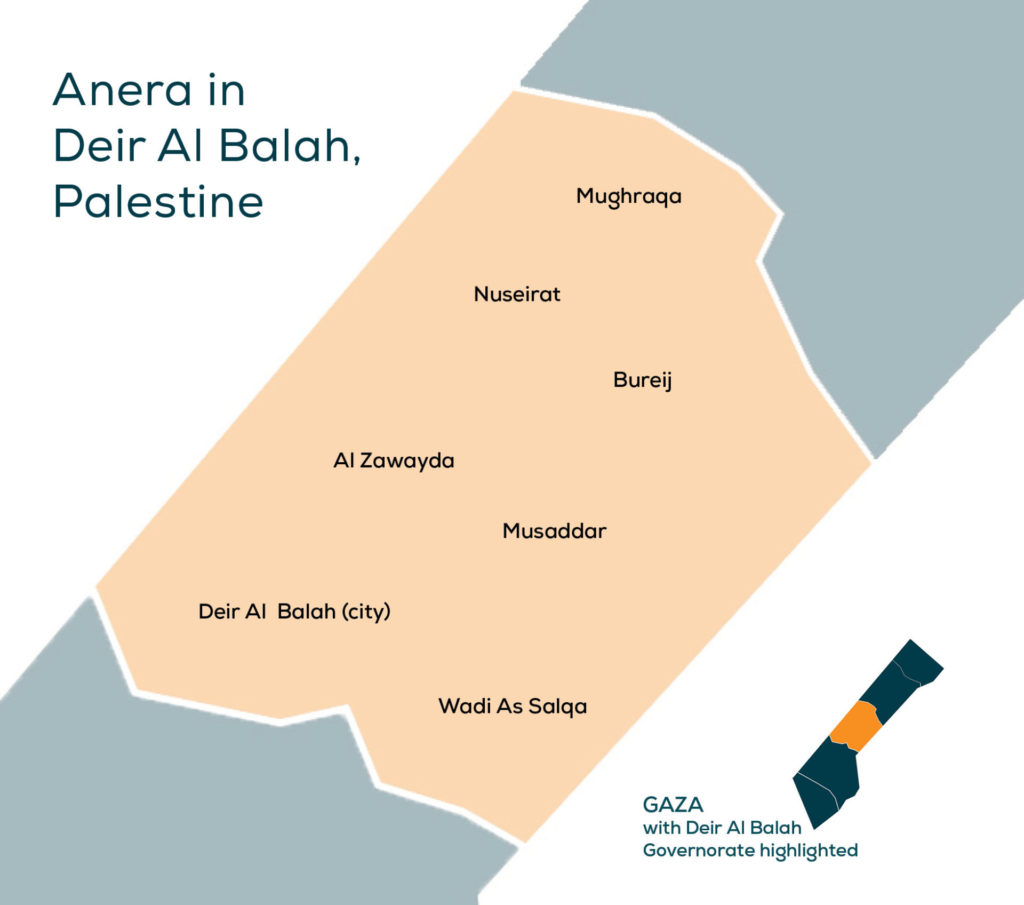
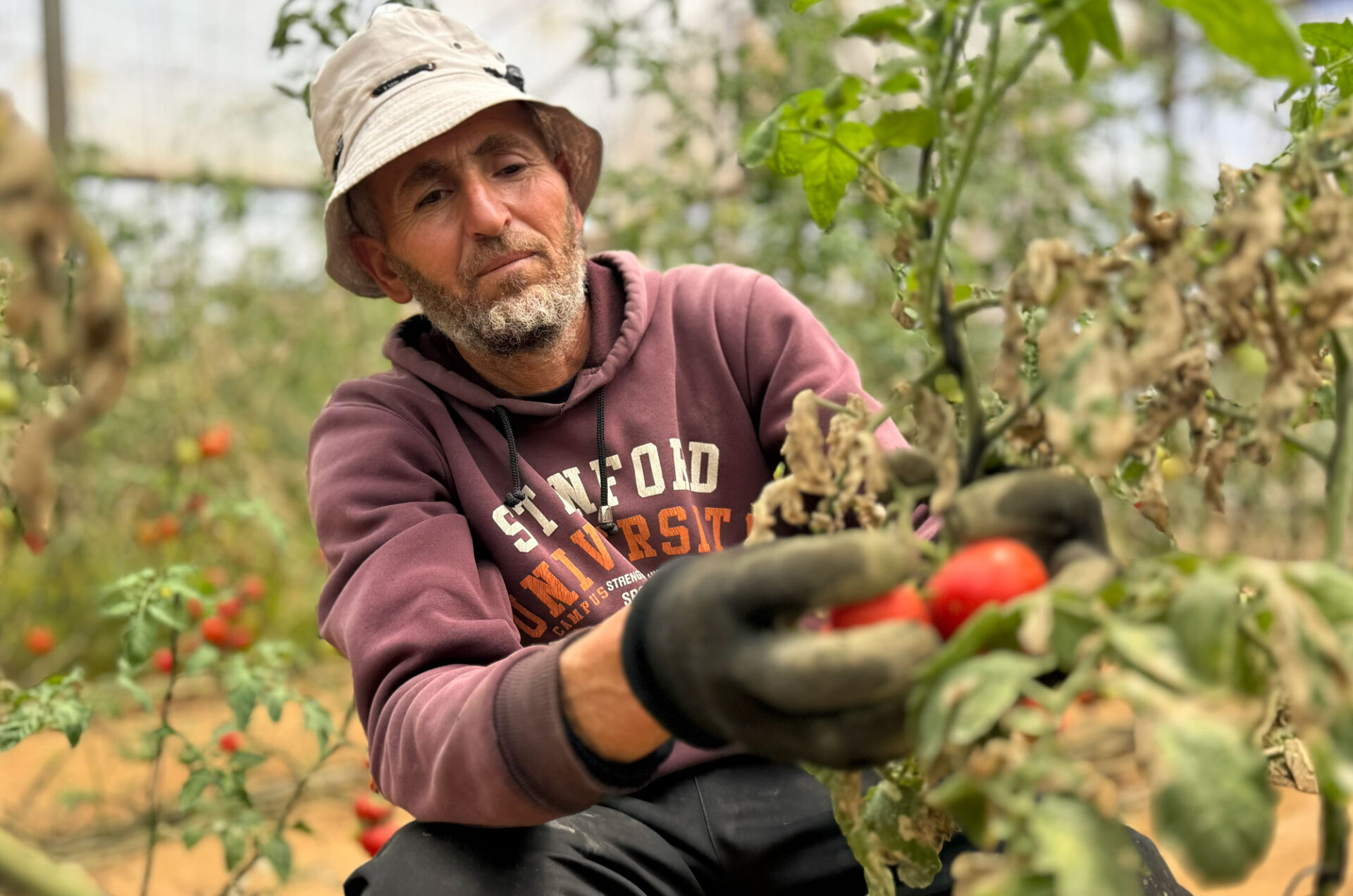
Mohammed is a 60-year-old farmer in Deir Al Balah, Gaza. His hands reflect decades of work. He farms land that was passed down from his father and will be passed on to his sons.
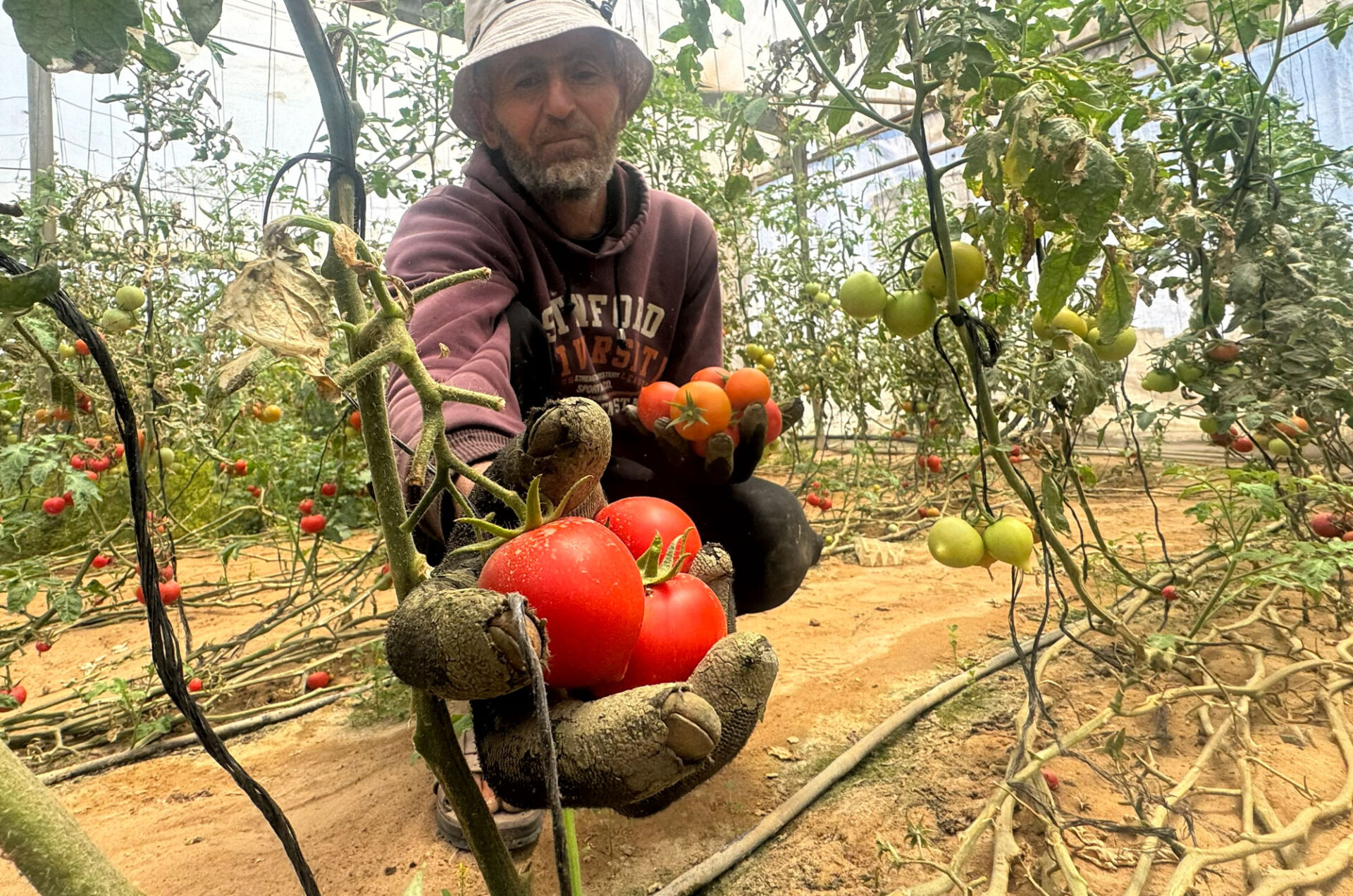
For him, farming is more than income. It is how he lives and connects to the land. It feeds his family and supports his community. He says, "We eat from this land, and we feed our neighbors from its bounty; it is our roots, our only source of life."
Closed borders have driven up farming costs. Seeds now cost up to ten times more. High-quality fertilizers are no longer available, and the plant treatments his crops need are blocked. He sprays what he can every other day, but pests keep spreading, turning farming into a constant fight.
“The specific treatment my crops need is blocked from entering,” he explains. “I spray my plants every other day with whatever ‘complementary’ medicine I can find, but the pests keep coming back. We’re fighting an invisible war against insects without the right tools.”

"Before the war, we lived well. Today, farming has become a daily struggle for survival.”
Mohammed’s path over the last year has been incredibly difficult. He’s been forced to displace four times, over the past year. During one displacement to Mawasi (along the coast), he left behind a vibrant, red, and ready-for-harvest tomato.
He spent three months in a tent, but his heart never really left those fields. When he finally made it back, he was met with total destruction. His tractors were gone, his car was smashed, and the solar panels for his well were shattered. Even his home had been leveled to the ground in an airstrike.
When things felt at their absolute worst, support came through Anera, with the backing of partners like The Big Heart Foundation. Mohammed was able to begin the slow, exhausting process of starting over.
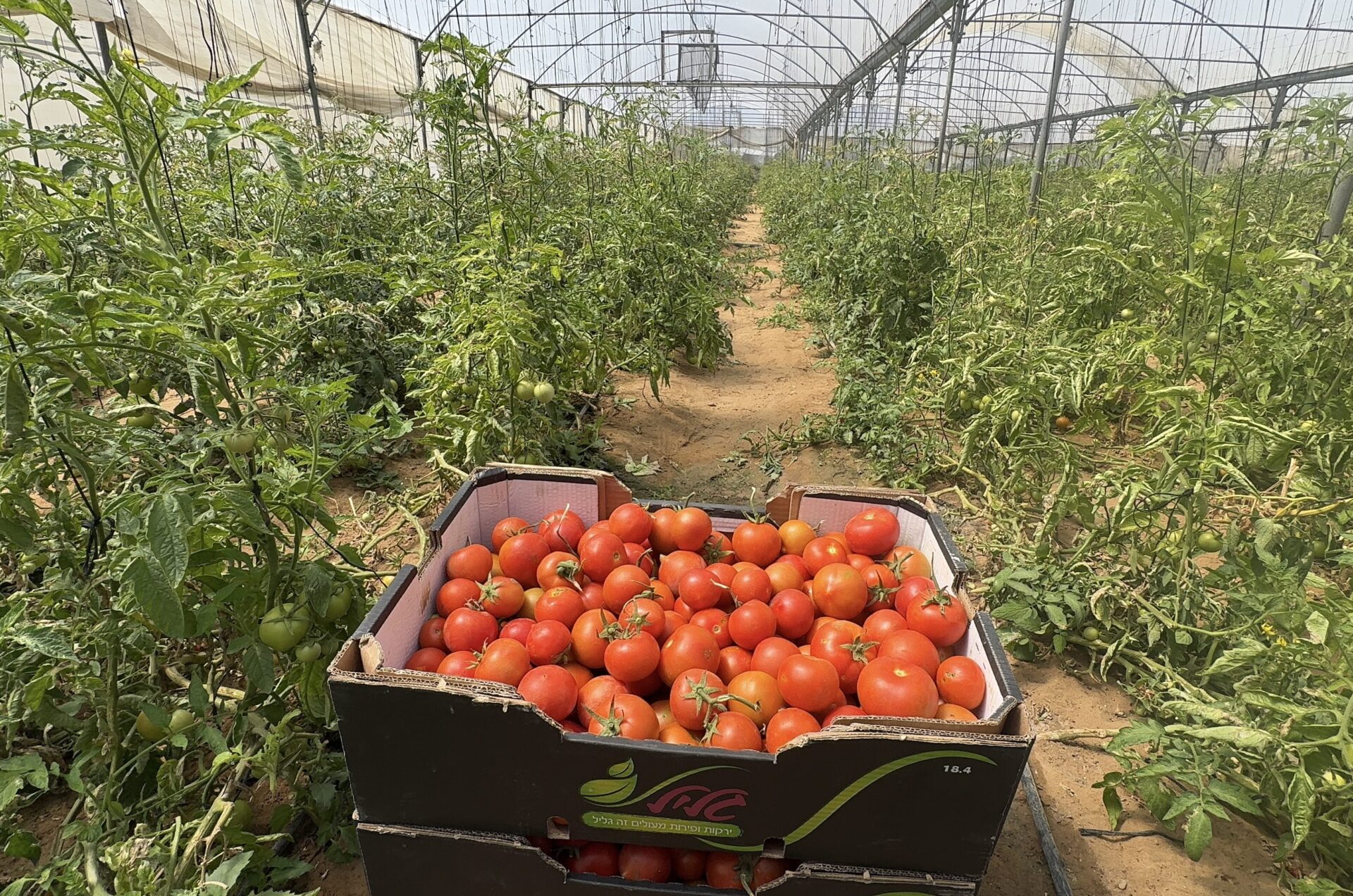
Plastic sheeting for his greenhouses was provided, along with fertilizers and plant medicines he could not afford. Gradually, the small patch of land he managed to save started to breathe again.
“My heart was broken seeing my life’s work destroyed,” Mohammed said. “But the Palestinian person is constantly renewed by hope. When I saw the land bloom again and the clusters of tomatoes beginning to hang heavy on the branches, my sorrow turned back into a dream.”
Mohammed isn’t asking for handouts. He is asking for the chance to work. Even today, his sons are in the fields with him, learning that the land is their greatest teacher.
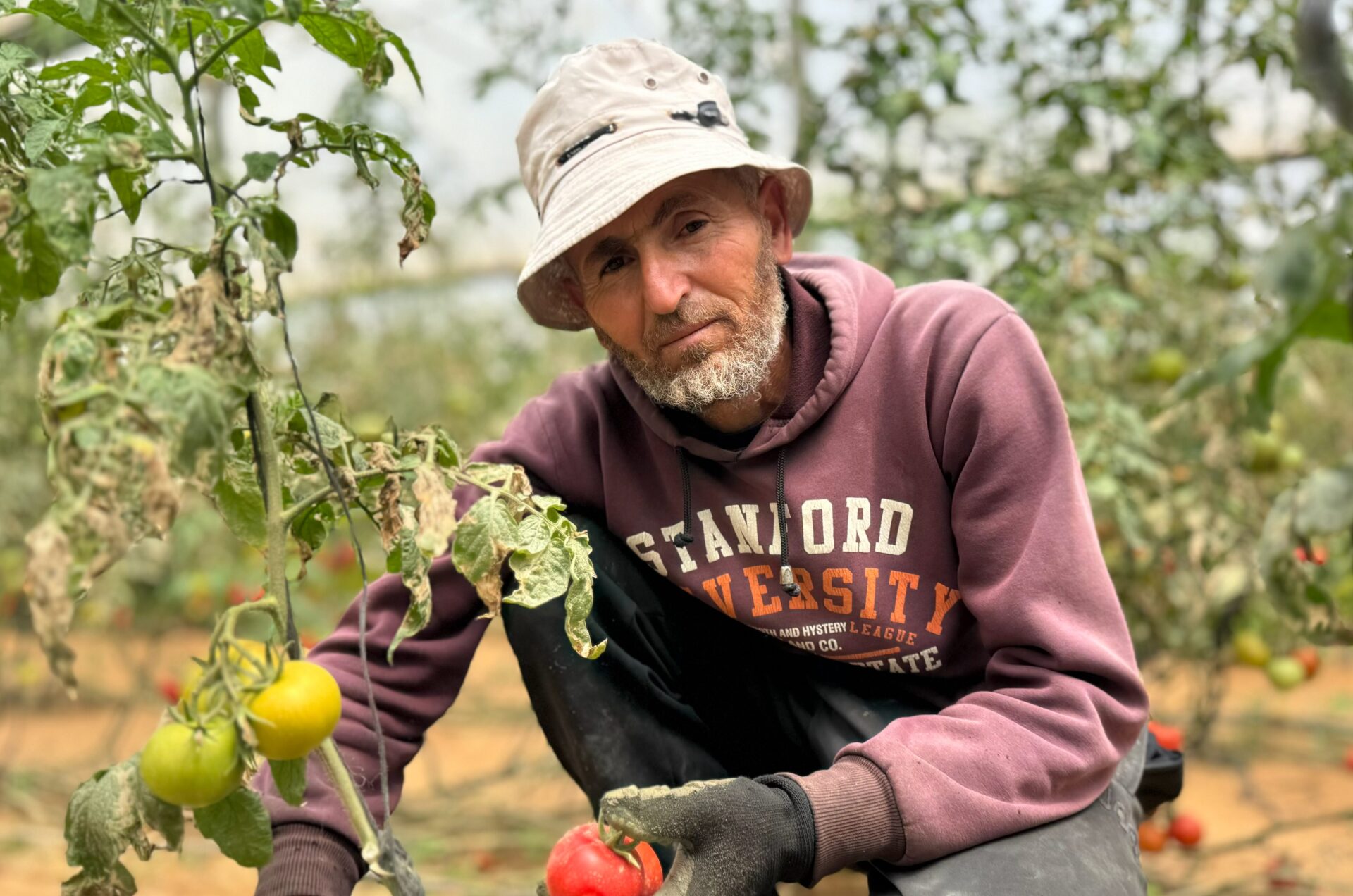
“We are people of peace, not war,” he said firmly. “We want to plant, to live with dignity, and to see the borders open so we can return to the life we knew. That is all we want.”
With this support, Mohammed is doing more than farming. He is, piece by piece, building a way forward for his family, making sure that despite everything that has been destroyed, they still have a path ahead.