Hydroponic Greenhouse at the CSSL Women’s Center in Beit Hanoun, Gaza
 by Anera
Posted in: Programs
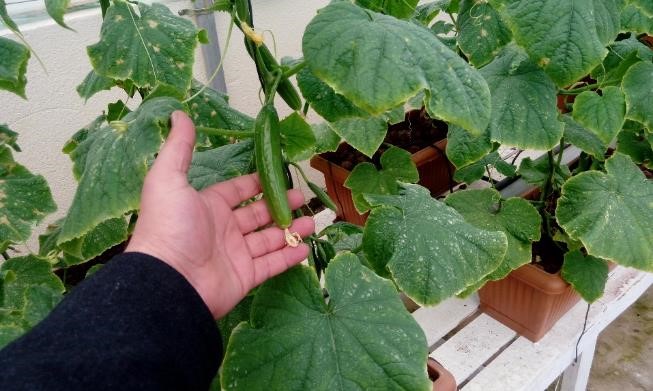
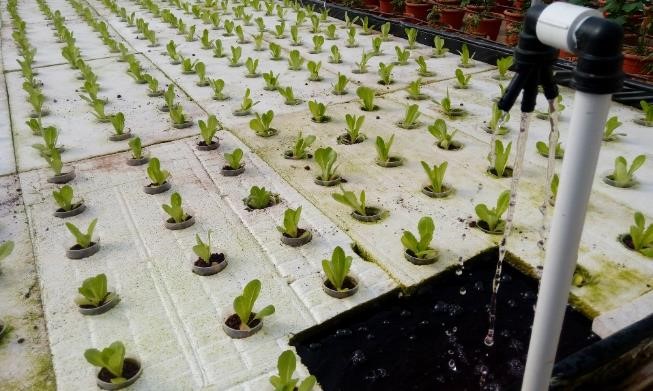
Anera recently built a hydroponic greenhouse to take advantage of the open space on the rooftop of the Cooperative Society for Saving and Lending (CSSL) women’s center in Gaza. They are now growing organic produce like lettuce, cucumbers, green peppers, leafy greens and herbs like mint. The hydroponic system allows them to grow food using less water than required by traditional cultivation methods. The hydroponic techniques also avoid the need for pesticides and the pollutants often present in the soil in Gaza.
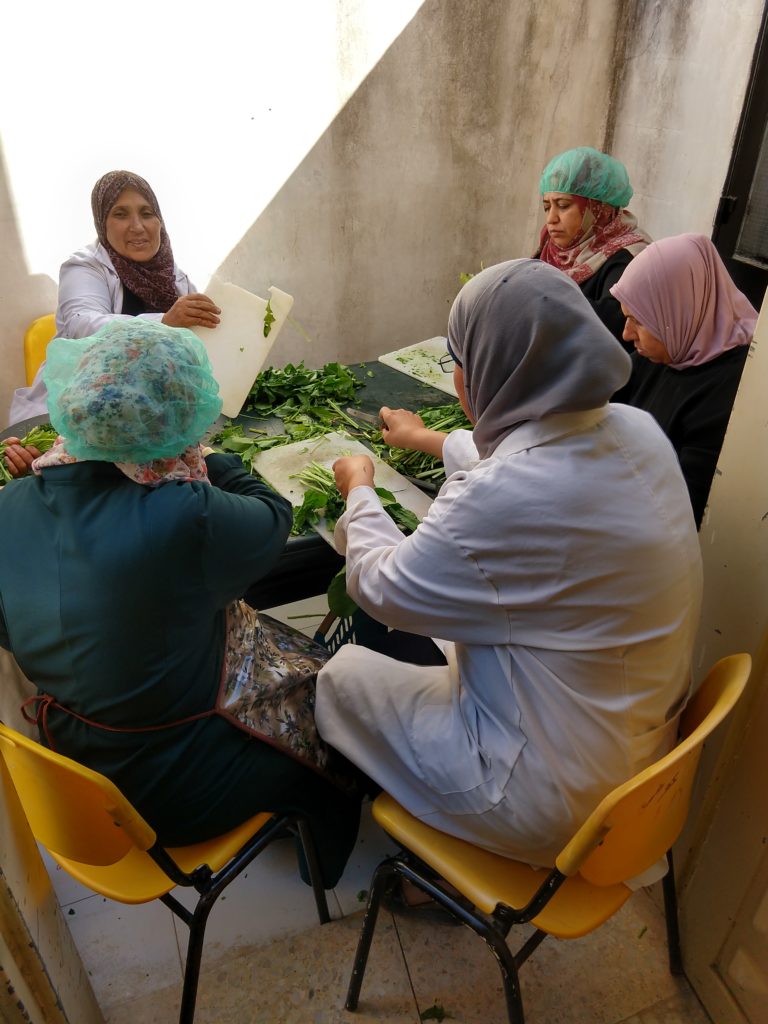
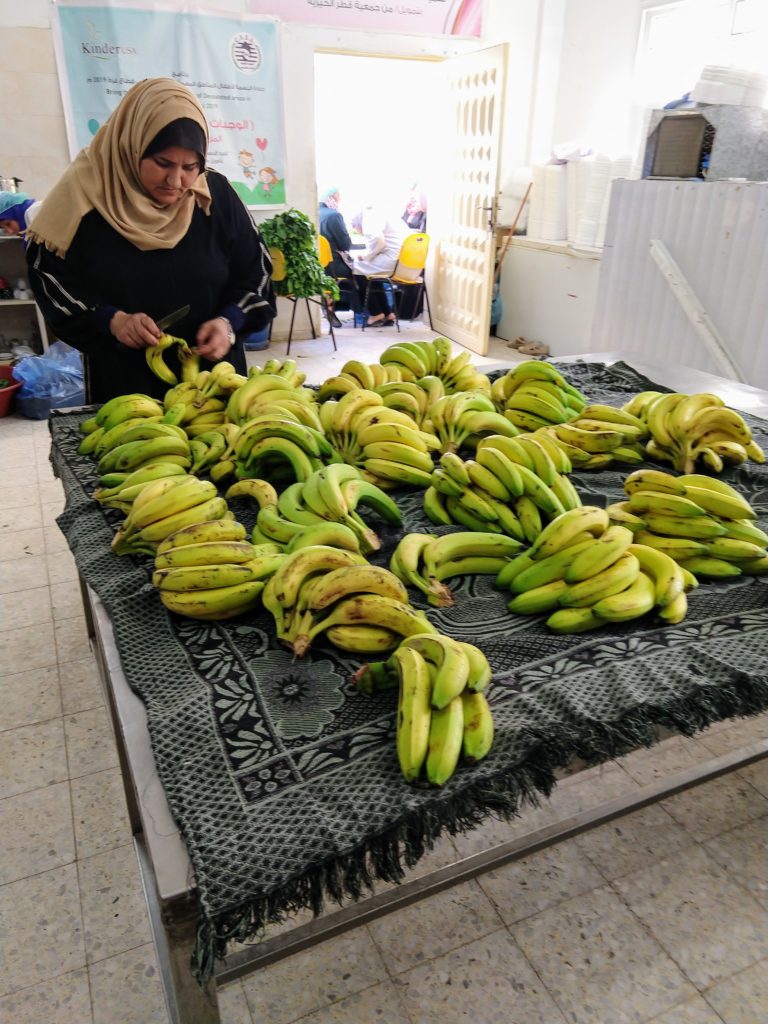
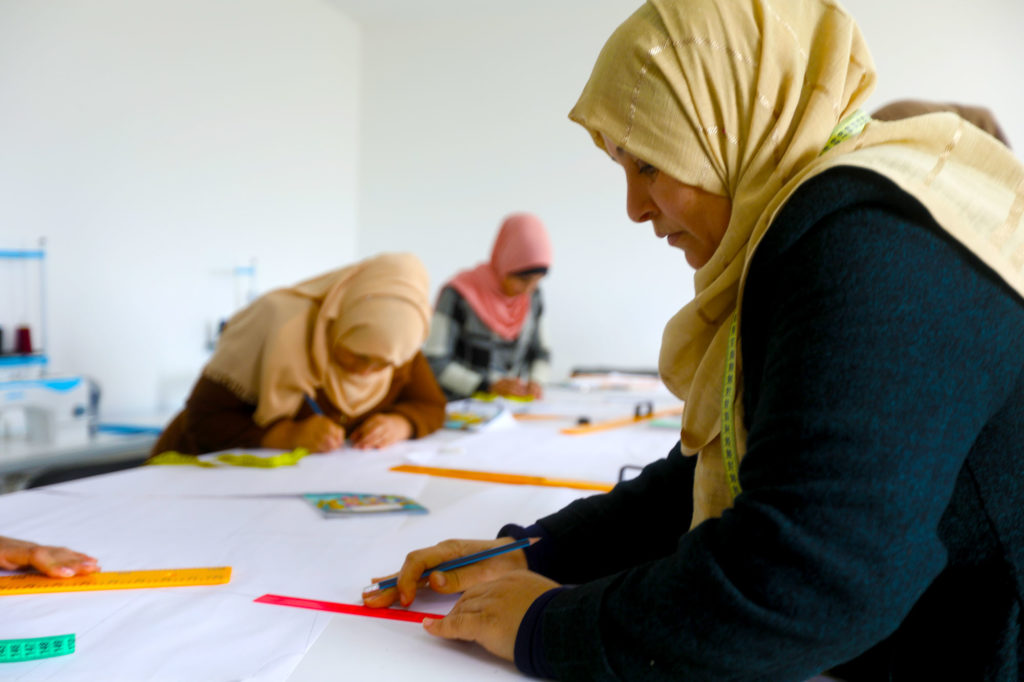
The women operate cooperatives providing catered food to customers and preschoolers. This fresh produce will form the main ingredients in healthy meals the women will prepare in the space’s kitchen for the local community.
Checking the hydroponic garden water’s pH on the roof of the CSSL building in Beit Hanoun, Gaza.
How Is Hydroponic Farming Sustainable in Gaza?
Since no soil is needed, hydroponic gardens can be built on rooftops and other non-arable areas. They can be used in very small areas like an apartment balcony or basement, as well as in greenhouses and home gardens. They can also be scaled up to the size of industrial farms.
An advantage of hydroponics of particular importance in Gaza is that water can be purified at a lower cost than soil. This is useful because much of the soil in Gaza is polluted with heavy minerals or is so high in salinity that few crops can grow.
Another crucial benefit of hydroponics is the lower water needs of the technique. In a region like Gaza where clean water is very scarce, conserving water is all-important. Hydroponic systems require only 10-20 percent of the water needed in traditional systems.