Oct, 2026
With support from Tearfund, regular deliveries of potable water are ensuring that Hamza and his neighbors in Gaza City have access to safe drinking water
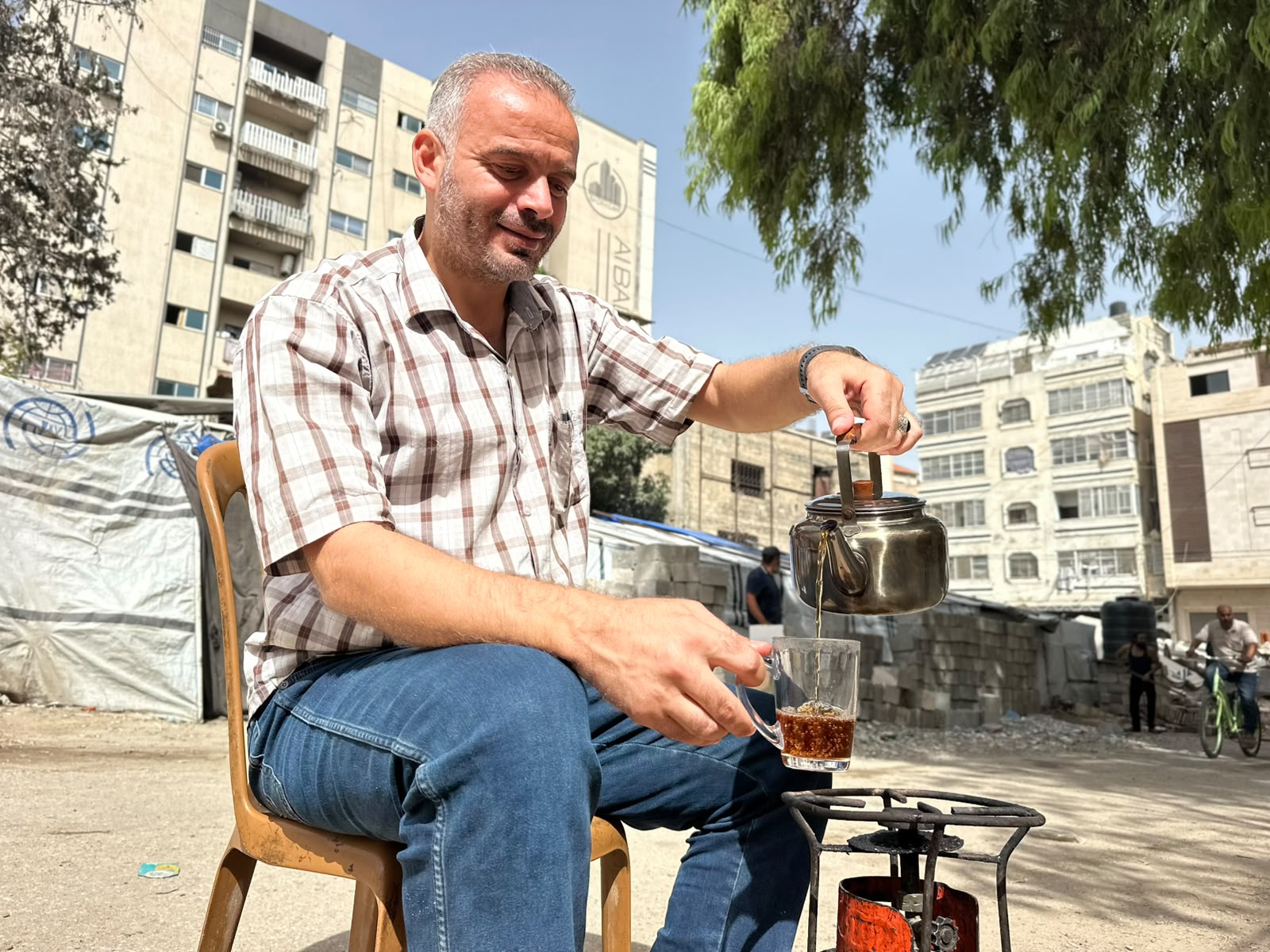
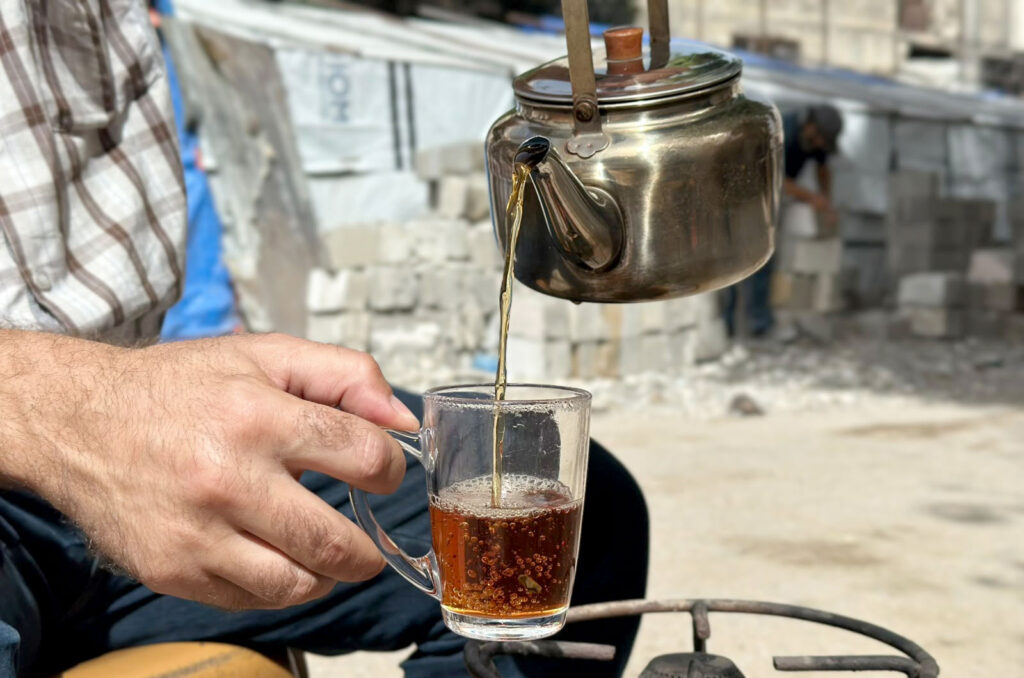
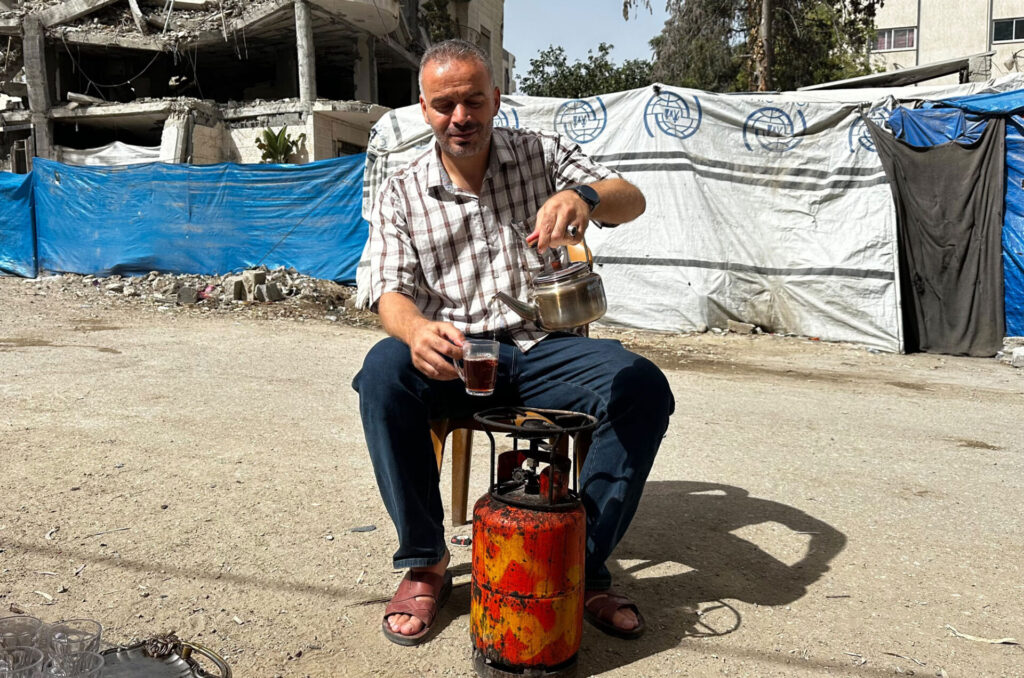
For Hamza, the proof that things had changed came in a cup of tea.
"To be honest, the first time I filled up with fresh water, I used it to make a cup of tea,” he says. “Because you can tell whether the water is good or not from a cup of tea."
It was a small moment, but it came after a long time of not knowing what was in the water he drank.
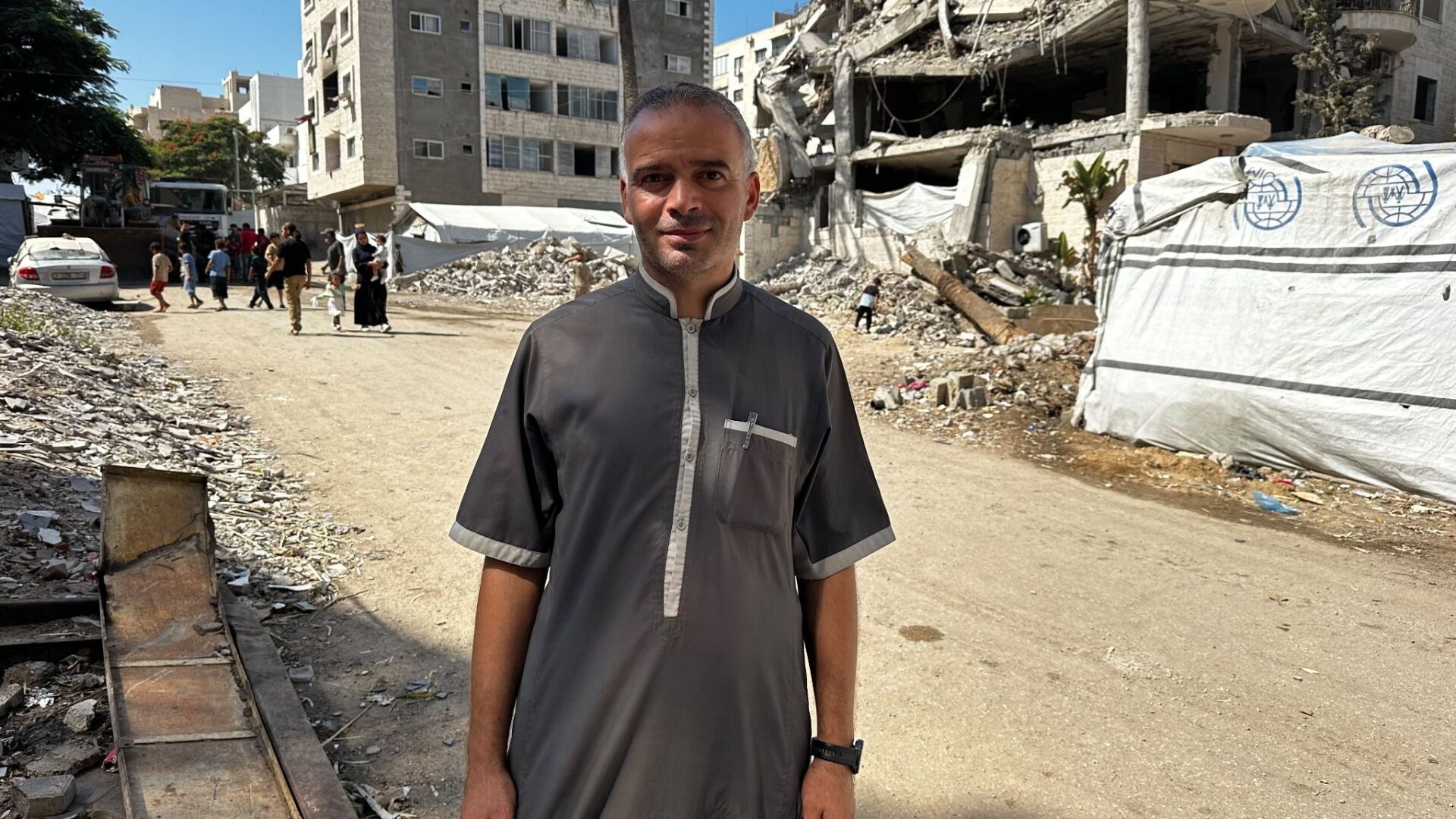
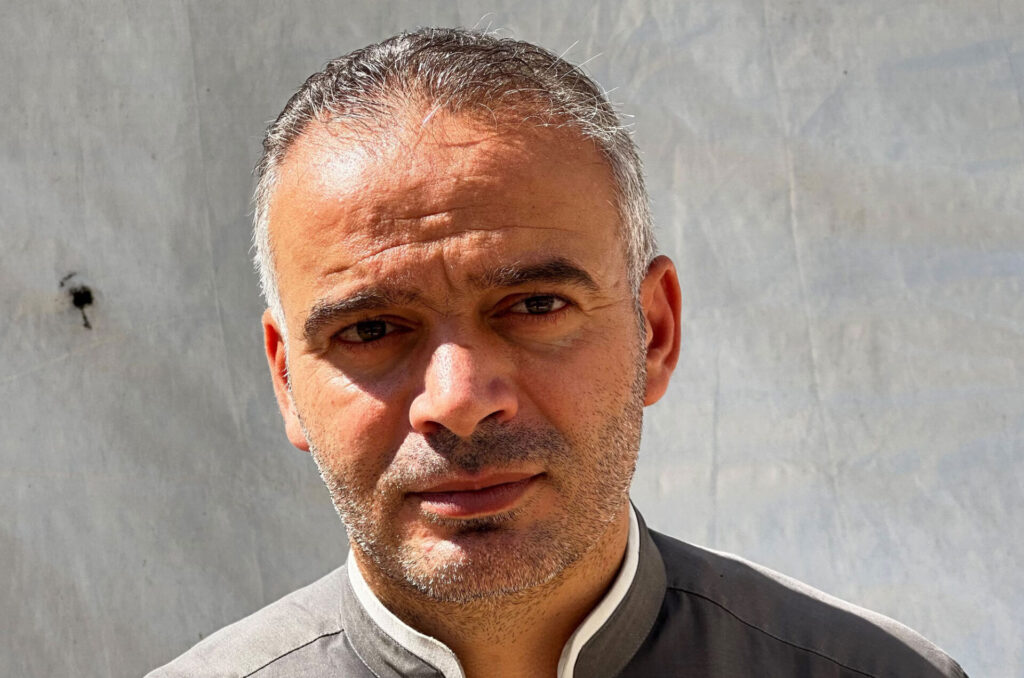
Hamza, 41, is from the Jabalia Refugee Camp in northern Gaza. He now lives in the Al-Shuhada Street area of Gaza City, in a building shared by displaced families from northern Gaza and Shejaiya. At the beginning of their displacement, safe drinking water was one of their biggest needs.
Water did arrive, but it was often salty and not fit to drink. And deliveries could be as rare as once every two weeks. To find safe water, families walked almost a kilometer to the port, or to the Rimal neighborhood. Women and men, girls and boys — all made the trip, again and again. Hamza himself sometimes walked to the Shifa area, about the same distance away.
It was the children he worried about most.
"If a child went, he would nearly die from the weight of the water containers," Hamza says. A child carrying 13 liters in each container (about 29 pounds), would struggle to manage the task. "It was a physical burden on the children. It would take an hour of walking, and they would have to stop and rest many times along the way."
"The children got tired. They were burned by the sun, and their feet were worn out from walking and carrying water. A child needs safe drinking water. A child's place is at school, playing and learning."

"It was a physical burden on the children. It would take an hour of walking, and they would have to stop and rest many times along the way."
At home, families divided what they had. Salty water was for washing dishes and bathing, while fresh water was kept in jerry cans and other available containers for drinking and cooking. Few had large barrels, so they managed from one day to the next, or two days at most.
The salty, polluted water took a toll on the youngest children. Hamza says: "I have a little girl who is one and a half. I hate that we sometimes were forced to bathe her with salty water, because we had no choice. She would develop a skin rash as a result."
"We reached a point where we would drink water without knowing what we were drinking."
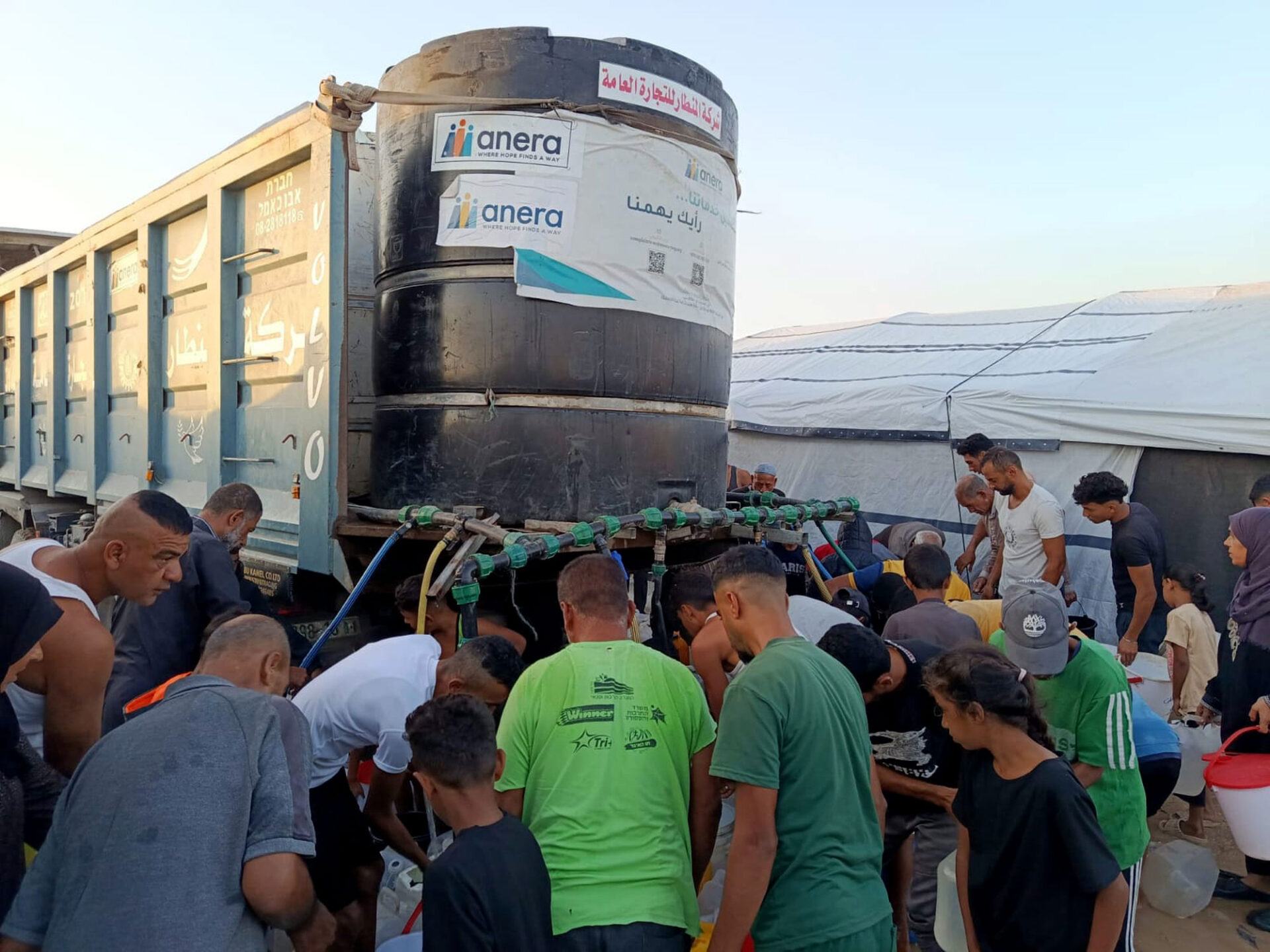
Then Anera came to the area, assessed the location and told residents that water would be delivered three days a week.
We reached a point where we would drink water without knowing what we were drinking."
At first, people did not believe it.
"No one believed it. None of the people or displaced families believed what they were saying. Is this truck really going to come to us every three days? Could that really happen?"
But the truck began arriving on the days they had been told it would.
"We started filling up for the day and not worrying about the next day, because we knew and were certain that they would come."
Anera’s water trucking program in Gaza is supported by Tearfund.
Today, when the truck arrives, everyone knows. "The truck comes and honks, and everyone is ready for the scheduled time,” Hamza says.
“The children, the mothers, everyone is waiting." Several hoses are set up so that people can fill their containers while minimizing overcrowding. The children no longer make the long walks for water, and they have time to play.
"Today, I don't worry about the water. We now know that there is water and that it will reach us."
Gaza
Gaza City Governorate
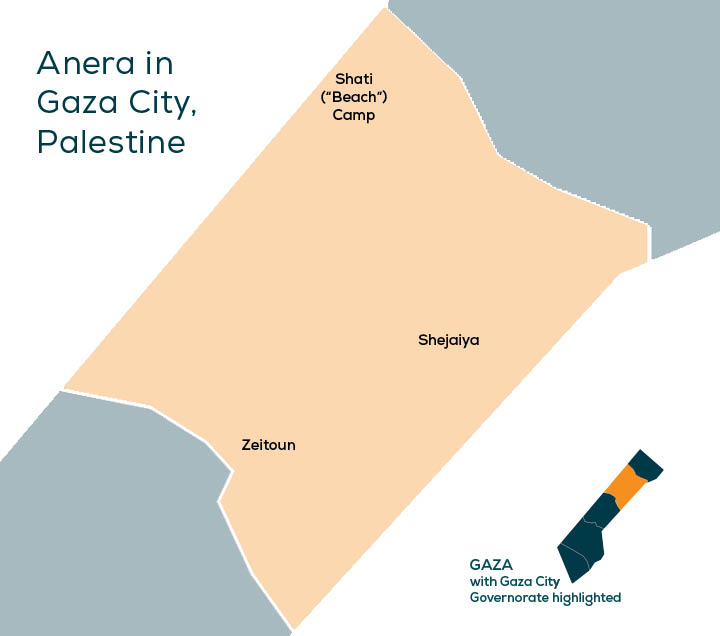
In 1984, Anera’s Gaza City office opened with three staff members. It is still at the same location today, but with 17 staff members. From that location, the team manages water and sanitation, education, healthcare, economic development, and humanitarian relief projects throughout Gaza.