Dec, 2025
“I didn’t want her. She came when I lost everyone I loved.”
While 27-year-old Nada was in labor at the hospital, she received devastating news: 13 members of her family — her mother, sisters and her brother, his wife and their children — had been killed in a bombing.
"The pain came all at once," she says. "I was giving life while losing everyone I loved."
Nada gave birth to her daughter, Zaina*, on October 28, 2023, just three days after the loss. She remembers feeling nothing.
"My body had gone numb from the news," she says quietly. "During labor, I didn’t scream. I didn’t feel anything, not even pain. The doctor kept asking if I could feel the contractions, but I couldn’t. I was empty."
What should have been a moment of joy became one of detachment and rejection. "I couldn’t look at her," she recalls of her daughter. "I didn’t want to hold her. I thought she brought bad luck. Her face didn’t feel familiar to me, it only reminded me of what I’d lost."


"I was giving life while losing everyone I loved."
She recognized she was experiencing postpartum depression. "I realized I wasn’t feeling what I was supposed to. I didn’t want to talk, or eat, or hold my baby. I didn’t want to see anyone. I felt nothing toward her, and that scared me," Nada recalls. The emotional numbness and the physical weakness fed into each other, leaving her exhausted and disconnected.
Only later did she begin visiting Anera’s mother and child clinic, where she met with a psychologist. “I talked to her, and she supported me so much,” Nada says. "I felt relief for the first time. Gradually, I began to heal."
That was two years ago, in the first weeks of the war. Life since has been harsh and uncertain, and the strain soon took a toll on both her body and mind. At the start of the year, Nada gave birth to her third child, a boy. The pregnancy was unplanned and conditions even harsher than before, as war and famine continued to grip Gaza.
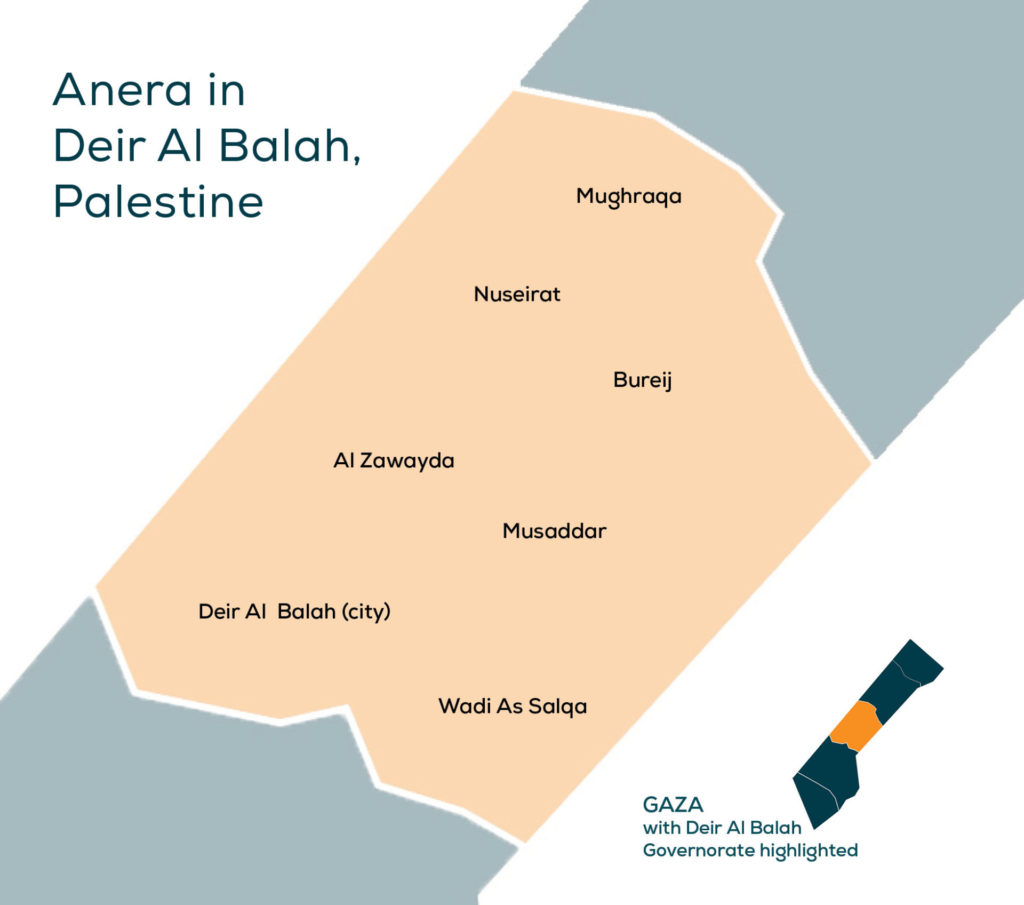
In recent months, Nada has been living in a tent in Zawayda, in central Gaza, with her husband and three young children, after being displaced several times from Jabalia camp in the north to escape the bombing.
Nada became severely malnourished; her milk dried up and her youngest son grew weak and thin. "I was truly starving," Nada recalls. "There was no food, no milk, no fruit. I used to faint from exhaustion. Moreover, we were walking long distances on foot while fleeing."
Nights were long and exhausting. "He cried through the nights,” she says. “I tried to feed him, but I had nothing to give.”
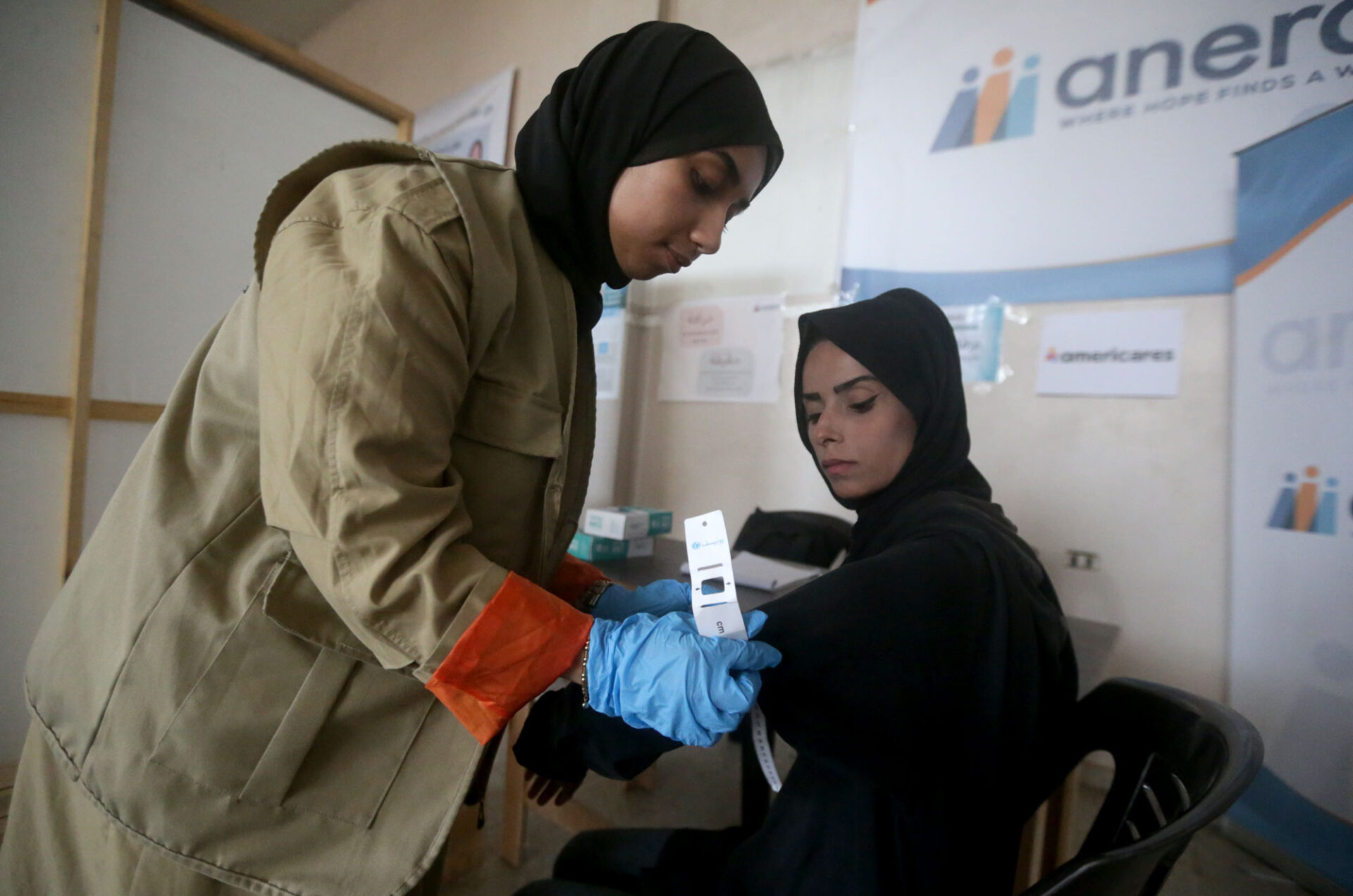
"I didn’t want to talk, or eat, or hold my baby. I didn’t want to see anyone. I felt nothing toward her, and that scared me."
Nada began visiting Anera’s mother and child clinic, currently funded by Americares, where she received regular medical and emotional care.
"With each visit, I register my name and my son’s, then they take our measurements. After that, I meet with the breastfeeding specialist, who gives me advice on how to care for my baby. Then I see the gynecologist, and afterward, the psychologist. Every week it’s the same routine," Nada says.
"Honestly, these Tuesday visits bring me so much comfort. They’re like a weekly breath of relief," she adds.
At the clinic, she learned natural breastfeeding techniques and how to rebuild her strength through small, frequent meals.
"They check [my son’s] growth and vital signs. They even prescribe supplements," she says. "I truly feel they care about us, not just as numbers, but as mothers."
The clinic provides comprehensive care for pregnant women and breastfeeding mothers, including medical checkups, psychological support and counseling on nutrition and lactation. "They treat us with humanity, they ask how we’re doing, they listen," she says. "Maybe the world has collapsed, but there are still people who care."
Nada hopes the clinic will expand its services to include baby essentials like clothes and diapers.
"We really need those things," she says. "It’s freezing by the shore and the kids get sick easily."
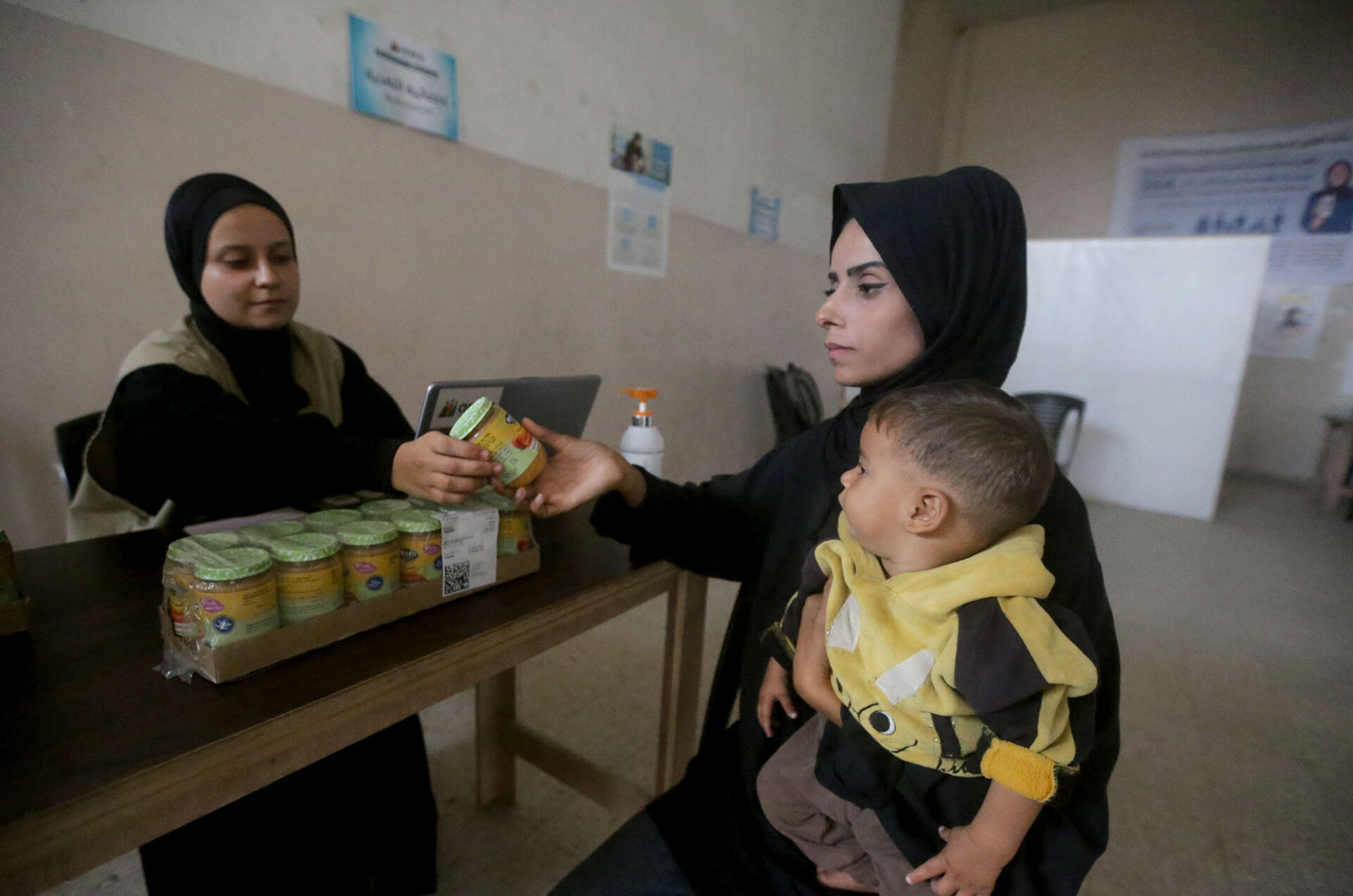
"I truly feel they care about us, not just as numbers, but as mothers."
Gradually, their health began to improve. "[My son] started to gain weight, and I began to eat again," Nada says. "I started to feel small things like hunger, warmth and even a bit of calm."
Months later, Nada still carries her grief, but it no longer consumes her days. "When I look at Zaina now," she says softly, "I still remember that day. I still remember the emptiness I felt. But now, I feel her breathing, her small hands, her presence. It doesn’t erase the loss, but it reminds me that life continues, even in the hardest moments."
NOTE: Name changed for privacy.
Our partner: Americares