Nov, 2025
“My breast milk dried up from hunger," Reem says. "I couldn’t feed my son, and I didn’t even have the strength to hold him. He cried, and I cried too. I didn’t know what else to do.”
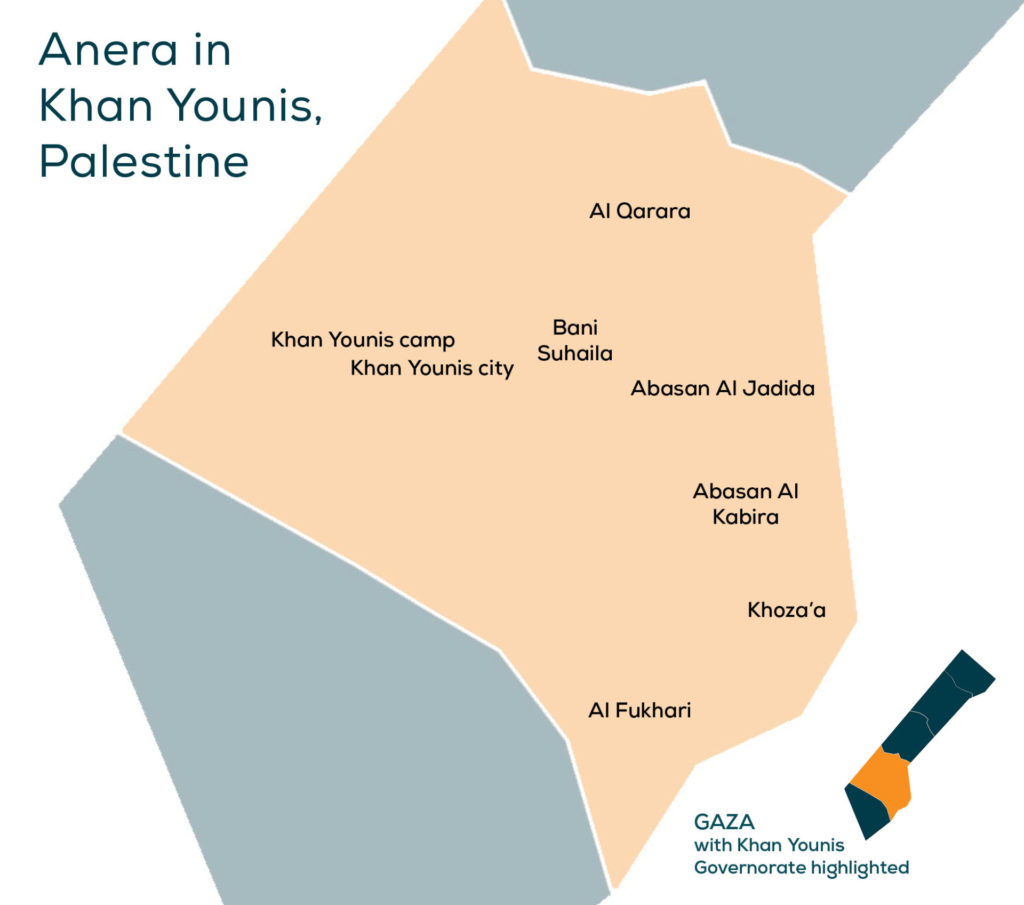
At 23, Reem fled her home in Beit Hanoun with her family, finding refuge in a tent in Al-Qarara, Khan Younis among hundreds of displaced families. Each day was a struggle to keep her children fed and safe.
“Food was scarce,” Reem recalls. “Some days, all we had were lentils. My husband and I would skip our meals so our children could have a little more to eat.”
The lack of food and clean water soon took a toll on Reem’s health.
“I fell ill from the contaminated water,” she says. “The doctors said it was a severe intestinal infection. There was no medicine available. They gave me an IV and sent me home. My weight dropped from 161 pounds to 116. I was dizzy all the time, I couldn’t even stand without feeling faint.”

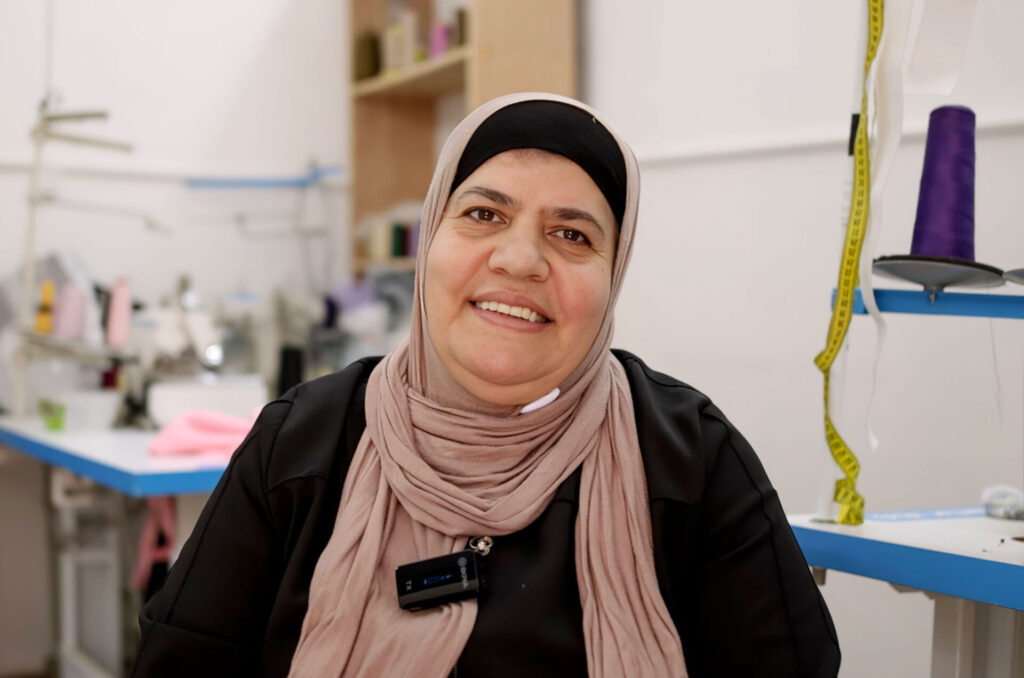
" I was dizzy all the time, I couldn’t even stand without feeling faint."
Life in the tent was grueling. The extreme heat by day and cold by night, combined with hunger and constant worry for her children’s health, left her completely drained. "Sometimes I thought I would never recover. I didn’t have the strength to even hold my baby," she says softly.
At a local Anera clinic supporting displaced families, Reem and her baby underwent a nutrition assessment.
“It showed that we were both malnourished,” she says.
“The doctors provided supplements and vitamins, explained everything carefully, and followed up regularly, every two weeks for me, every week for my baby. They never left us alone.”
Over the course of weeks, Reem regained her strength. Her baby’s health improved, and his cheeks began to fill out.
“Each visit from Anera’s team made me feel cared for,” she says. "After losing so much, being treated with dignity meant more than words can say.”
"After losing so much, being treated with dignity meant more than words can say."
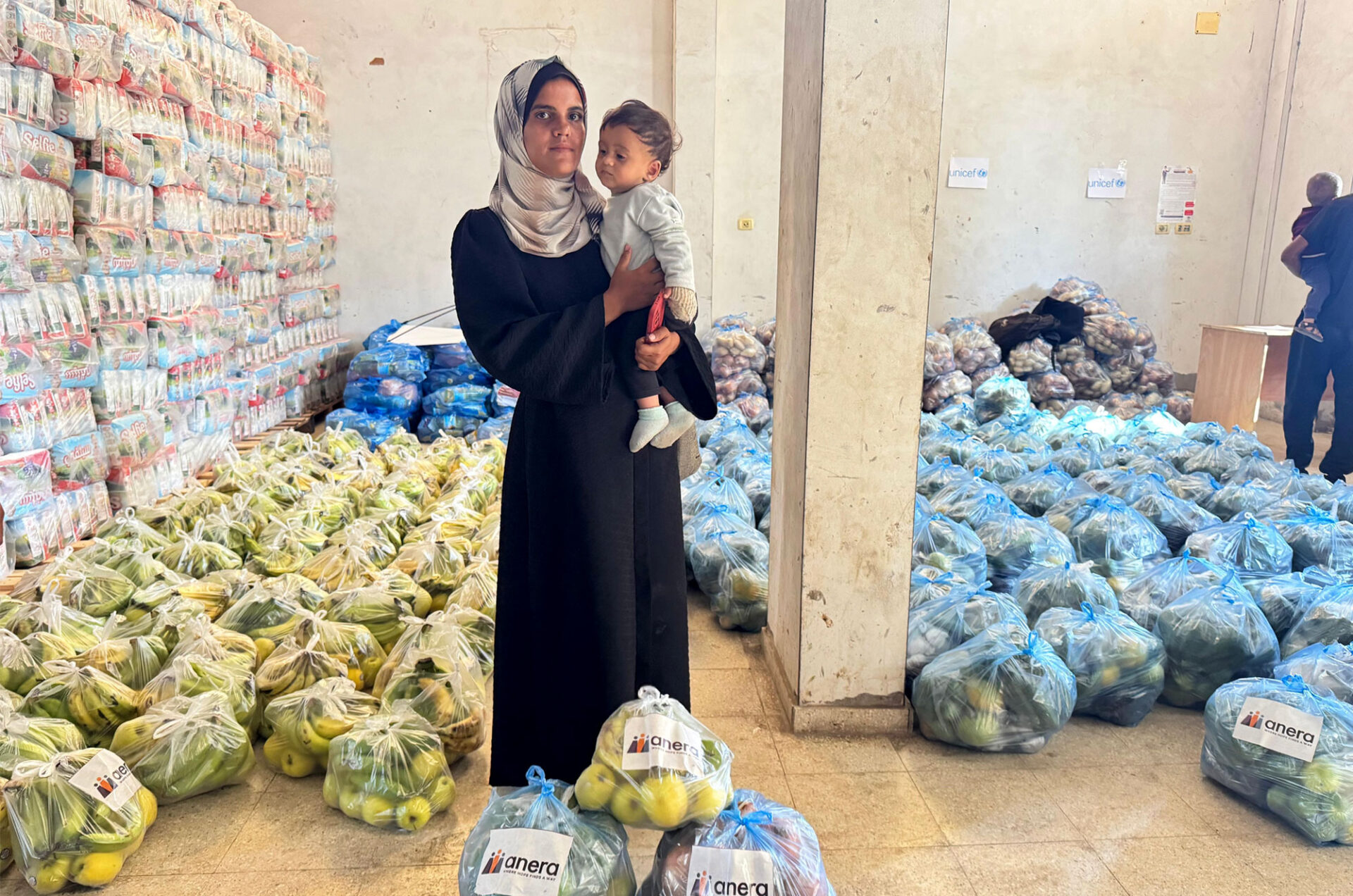
With support from a private foundation, Reem receives fresh vegetable parcels distributed by Anera. The month-long project sources produce locally within Gaza, providing nourishment for families and income for farmers.
Families at high risk of malnutrition are identified through Anera’s three primary healthcare centers and mother and child clinics. Each parcel feeds a family of five for two to three days, reaching more than 2,100 people. By procuring the fresh vegetables locally, the project strengthens Gaza’s farming communities while ensuring that families have the food they need, a cycle of support that helps the community endure together.

“These vegetables brought comfort to me,” Reem says. “Even now, when prices are a bit lower, we still can’t afford most of these foods. But when I hold my baby and see him fed, I remember how far we’ve come.”