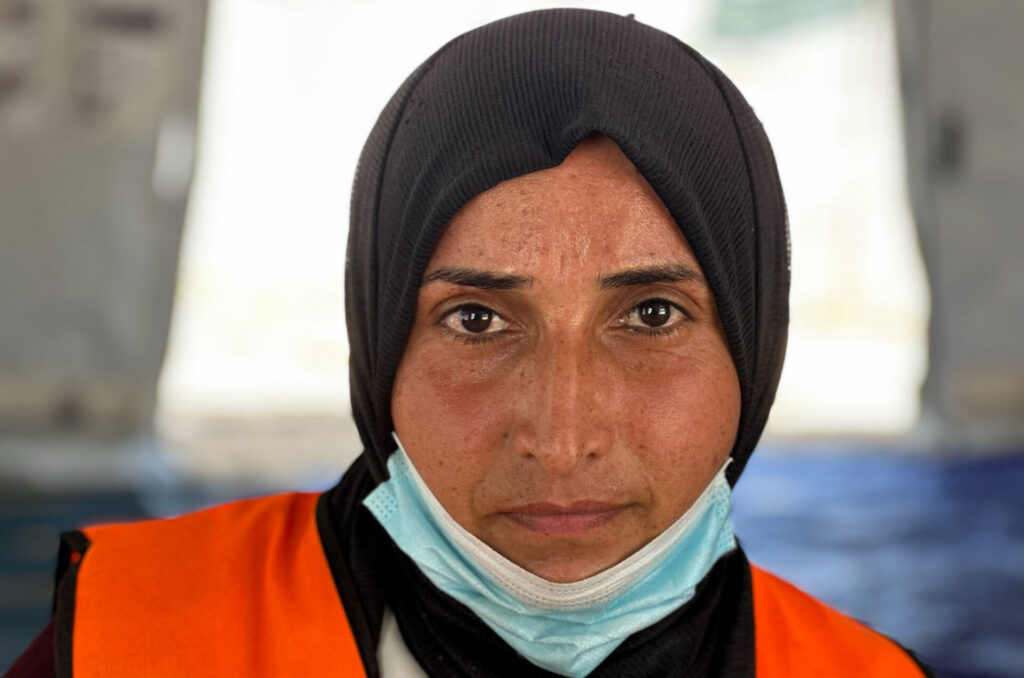
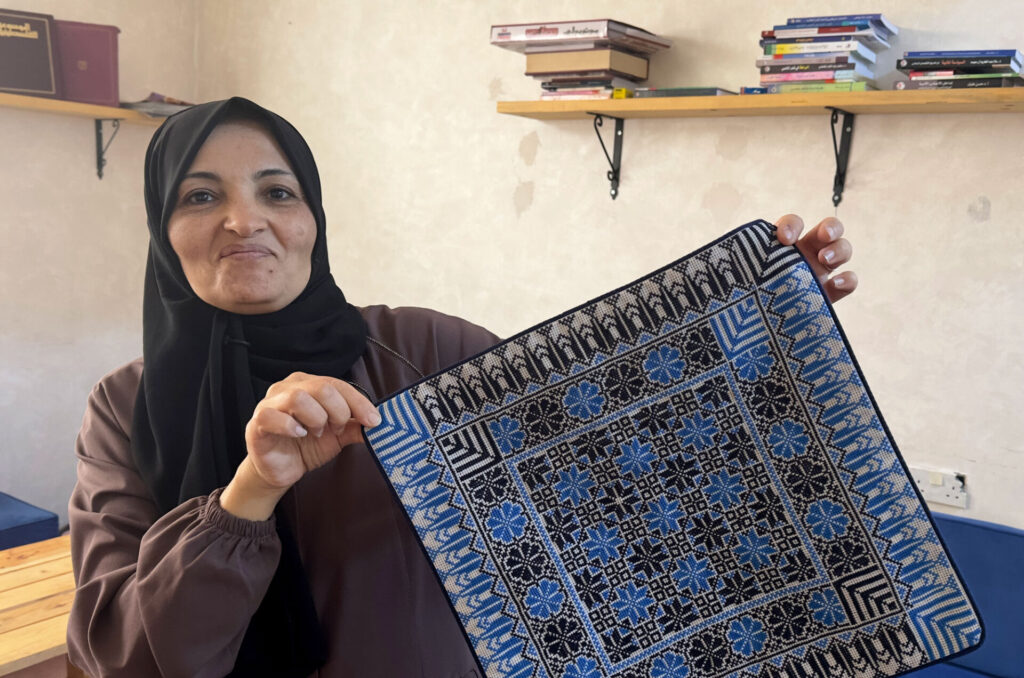
Nov, 2026
Before the water station was installed, Majed’s family started each morning trying to secure drinking water. Now his children can go to school instead of waiting for a water truck.
Nov 10, 2026
Majed Abu Tahoun, 37, lives with his wife and their three daughters and three sons in the Zeitoun neighborhood of eastern Gaza City, near the Yellow Line.
When the war on October 7 began, he stayed in Gaza City rather than evacuating south. At times, his family could not find water. “We would wait for the rain and put out our containers to collect it,” he says. “Sometimes we had to drink that water without knowing if it was safe.”
Later, the family relied on water trucks. Around 5 a.m., Majed would put the jerrycans in line while his younger son watched for the truck and held their place. The truck sometimes arrived at 6, and the family might wait two or three hours. Once it arrived, Majed or another son would help fill the jerrycans and carry them home. Some days, the truck did not reach their area.
Majed says drivers were sometimes reluctant to reach eastern Zeitoun because of security concerns and fear of gunfire near the Yellow Line. When a truck did not come, the family had to walk 500 meters or more to find water. “We had to organize the family around getting water.”


My children sometimes waited for water instead of going to school.”
Anera installed the water desalination station in eastern Zeitoun, serving several informal shelters near where Majed lives. Like many camps across Gaza, residents rely on water trucks, but deliveries can be inconsistent.
He remembers the day it was installed: “The feeling among people in the camps was indescribable.” Displaced families living in nearby camps beside their destroyed homes also rely on the station.
For Majed, the most important change is knowing that water is available when his family needs it. “Even if I have to walk farther, I can fill the jerrycans and come back without waiting in a crowd,” he says. The family can now collect water at different times, even at night.
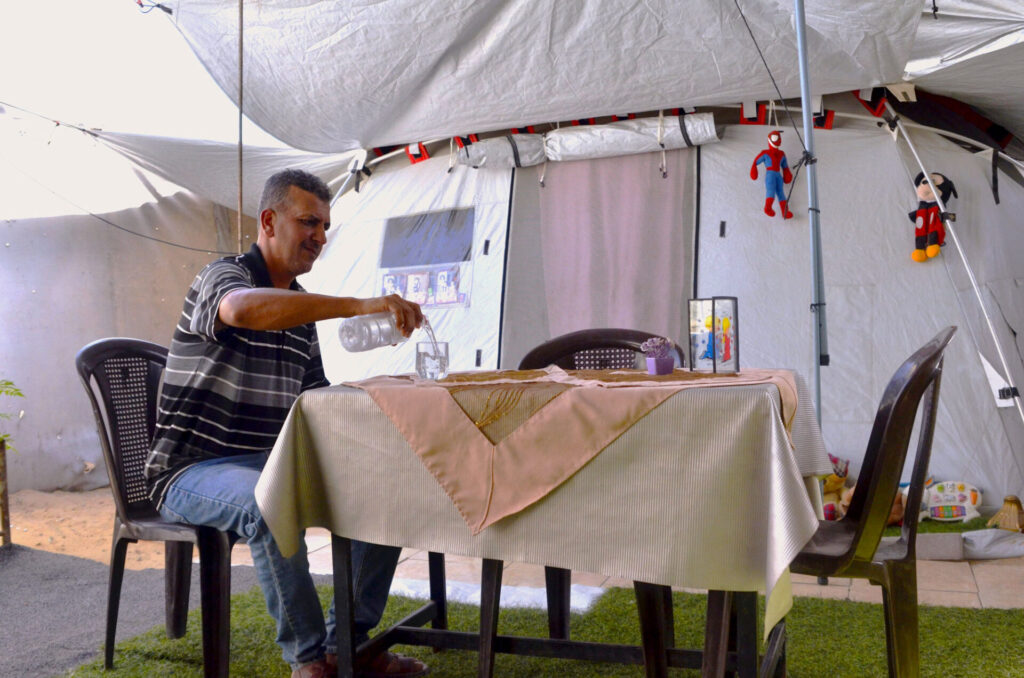
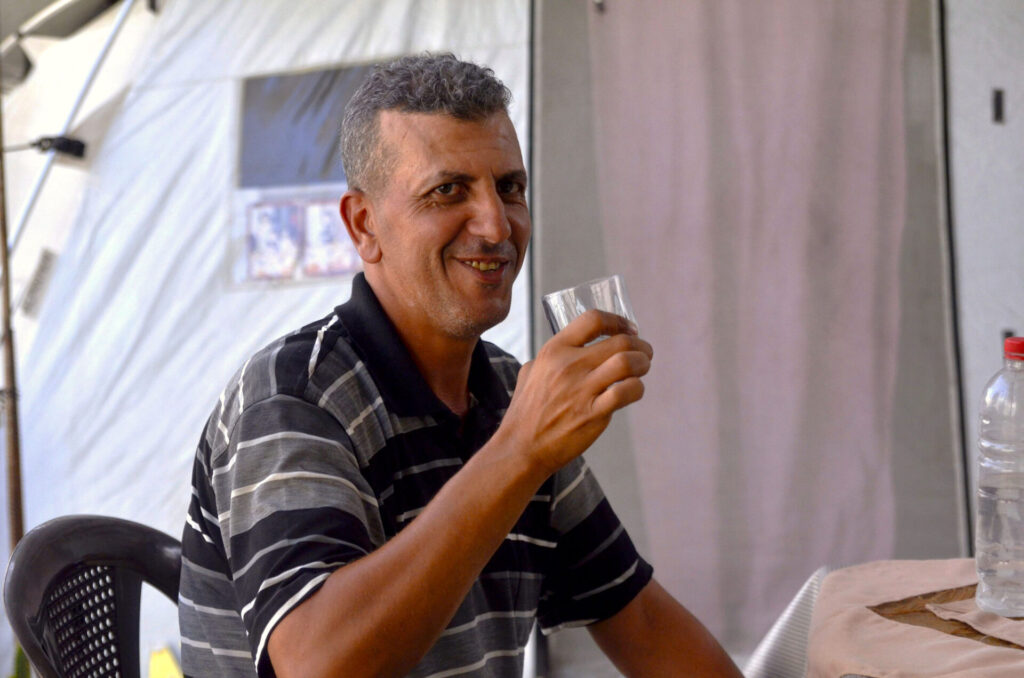
His children no longer need to spend the morning waiting for trucks. “Now my children can wake up for school,” he adds. The station has eased much of the family’s daily strain and brought greater peace of mind.
“We noticed a difference in the taste of the station’s water compared with truck water, which sometimes had visible sediment,” he explains.
Majed wishes his family had water storage tanks of its own, which would allow them to keep water in reserve. “I hope the station keeps working, the water remains available, and life becomes more normal again,” he says.
Now my children can wake up for school"
The Zeitoun station, installed at Ali Municipal Water Well in Gaza City, is one of two reverse osmosis (RO) units supplied and installed by Anera with funding from WF-AID.
Each unit produces approximately 15 cubic meters (15,000 liters) of safe drinking water per day. Together, the two units provide 30 cubic meters daily, serving approximately 5,000 people based on the WASH Cluster’s recommended minimum allocation of six liters per person per day for drinking and cooking.