
Food Prices Surge in Lebanon
 by Anera
War, Inflation, and the Growing Threat to Food Security
Food prices in Lebanon are rising again. For many families, the increase is not gradual. It is immediate, visible, and impossible to ignore.
At the supermarket, a routine trip that once covered essentials now forces choices. Items are put back. Quantities are reduced. What used to last a week barely stretches for a few days.
This is not an isolated experience. It reflects a broader economic reality shaped by war, rising fuel costs, and deep structural vulnerabilities.
Lebanon’s economy was already miserable for most residents. Since the 2019 economic collapse, families have been navigating currency devaluation, banking restrictions, and a sharp loss in purchasing power. Years of instability, including the previous war and repeated shocks, have left the country without a full recovery. This latest escalation is not starting from zero — it is further strain on an already fragile system.
Rising Costs Driven by Fuel and War
Lebanon imports more than 80% of its food. This makes the country highly sensitive to global disruptions, especially in energy and transportation.
Recent developments have made things worse.
Fuel prices have surged sharply. Gasoline has gone up by around 80%, while diesel has risen by 85%. These increases affect every stage of the supply chain, from production to transportation to storage.
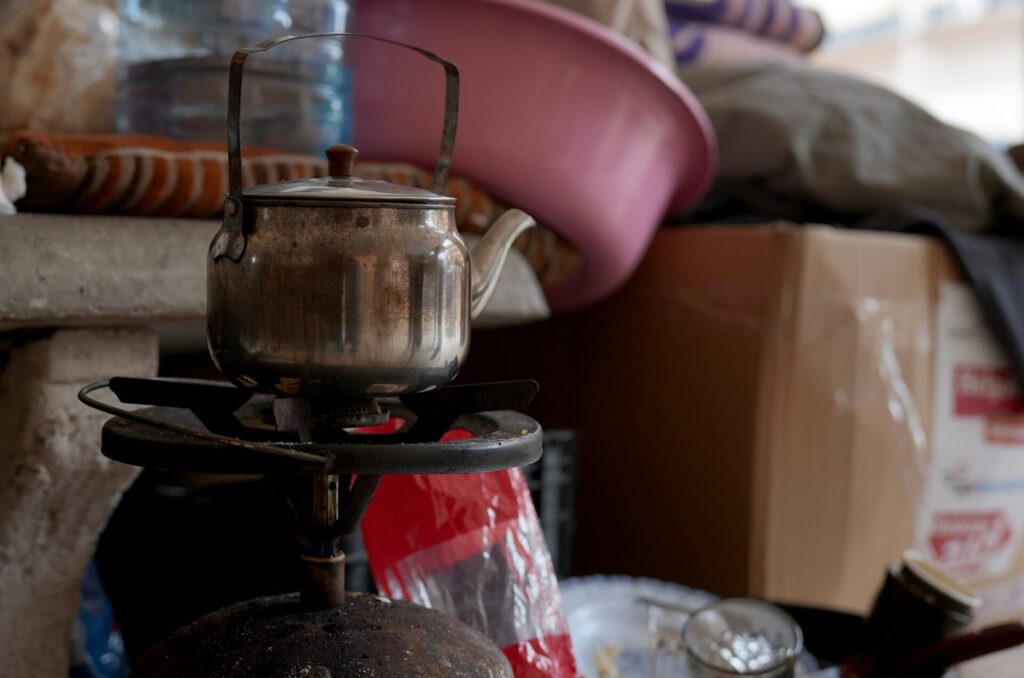
According to the head of the Food Importers Syndicate, Hani Bohsali, fertilizer prices have increased by 40%, a change that will directly affect crop prices. He also noted that goods in Lebanon have already risen by 5% to 7% due to higher fuel costs, with further large increases expected across sectors.
Prices of some foods have jumped by more than 30%.
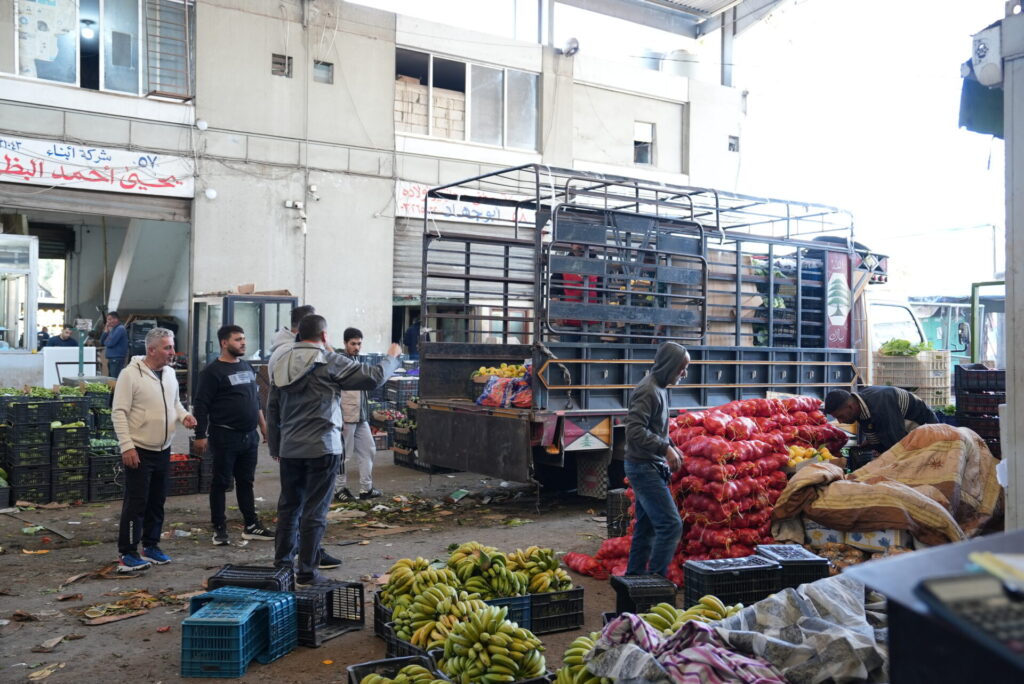
The pressure is not limited to food production. Energy costs are reshaping daily life.
“Lebanon imports all of its petroleum.” As Energy Minister Joe Saddi explained recently, any increase in global prices is immediately reflected inside the country. In the electricity sector, fuel prices have nearly doubled. With the same budget, only half the previous quantities can now be secured.
For households, this translates into higher generator bills and fewer hours of electricity. Some areas are already cutting generator supply at night to reduce costs.
When electricity becomes more expensive, so does food. Refrigeration, transport, and storage all depend on energy. Every increase is passed along.
A System Under Strain
The economic impact of war extends beyond prices.
Disruptions in regional logistics, fuel shortages, and instability are limiting supply chains. At the same time, demand remains high. This imbalance pushes prices further up.
Air travel costs have also surged, reflecting broader energy disruptions and highlighting the scale of the crisis. Lebanon’s reliance on imports and limited alternatives makes it particularly vulnerable to these shocks.
At the same time, internal displacement is adding pressure on local markets. Families forced to flee their homes arrive in new areas with immediate needs that cannot always be met. Demand rises suddenly in already strained communities.
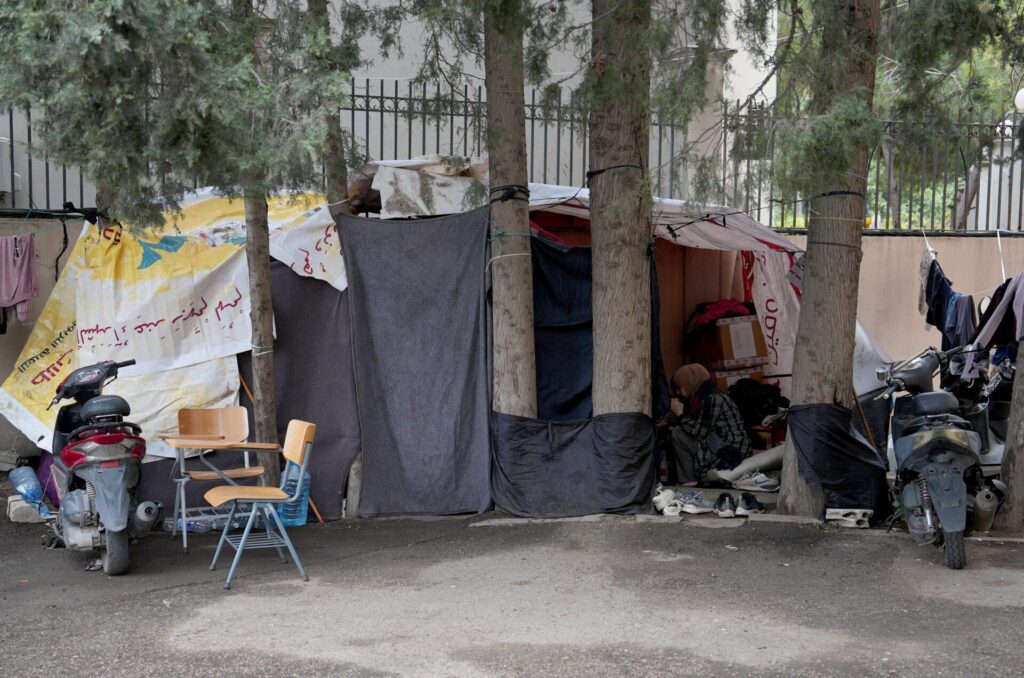
The result is a compounding crisis. Prices increase while incomes remain stagnant or decline. Purchasing power drops sharply. Access to food becomes more difficult.
The Human Impact Behind the Numbers
Ali Al-Zein, a 42-year-old father of three from Maarakeh in Tyre, fled his home in the middle of the night.
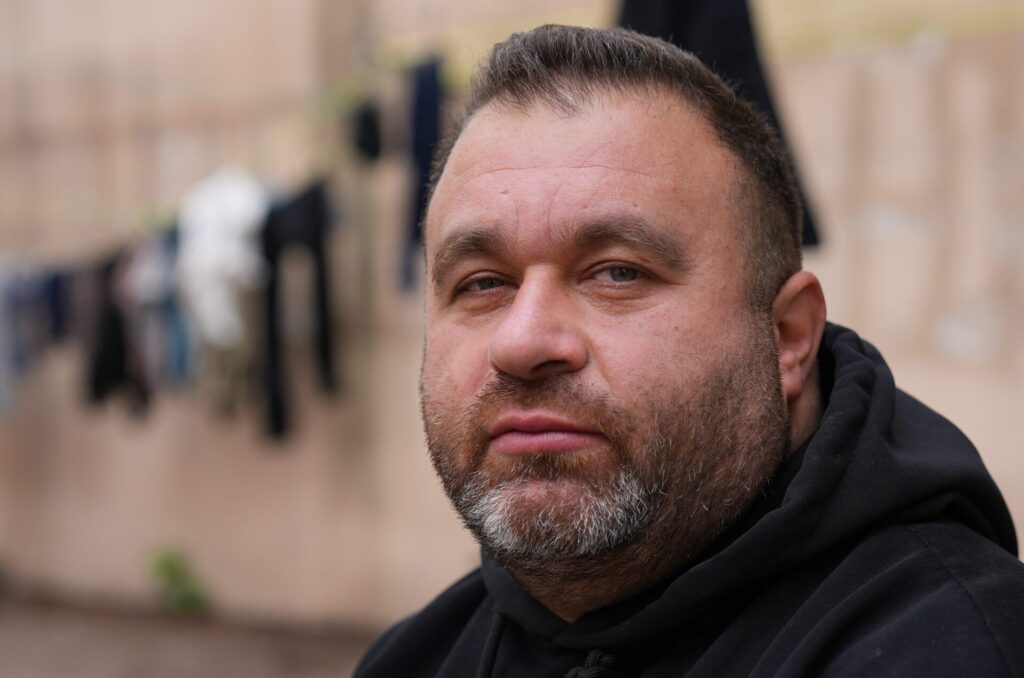
“At 3:00 a.m., when we heard the explosions, we rushed to our cars to escape the shelling. We didn’t even have a minute to take any belongings with us. It took us 20 hours to reach the shelter center in Saida.”
Ali owns a butcher shop. The building, he says, has been bombed.
“Even if we return, we have nothing left there.”
For Um Ali, from Burj Al Barajneh, the decision to leave came later.
“We didn’t leave our home immediately. We stayed for a while. We never expected the threats to escalate with such intensity.”
When nearby buildings were hit, he fled on foot with her family.
“As soon as I arrived, I tried to find a house for rent, but everything we found was beyond what we could afford. The minimum was $1,000, and they required three months’ payment in advance.”
With limited savings, the shelter became the only option.
“Now I keep thinking. Even if the war ends, will our home still be livable after all this destruction?”
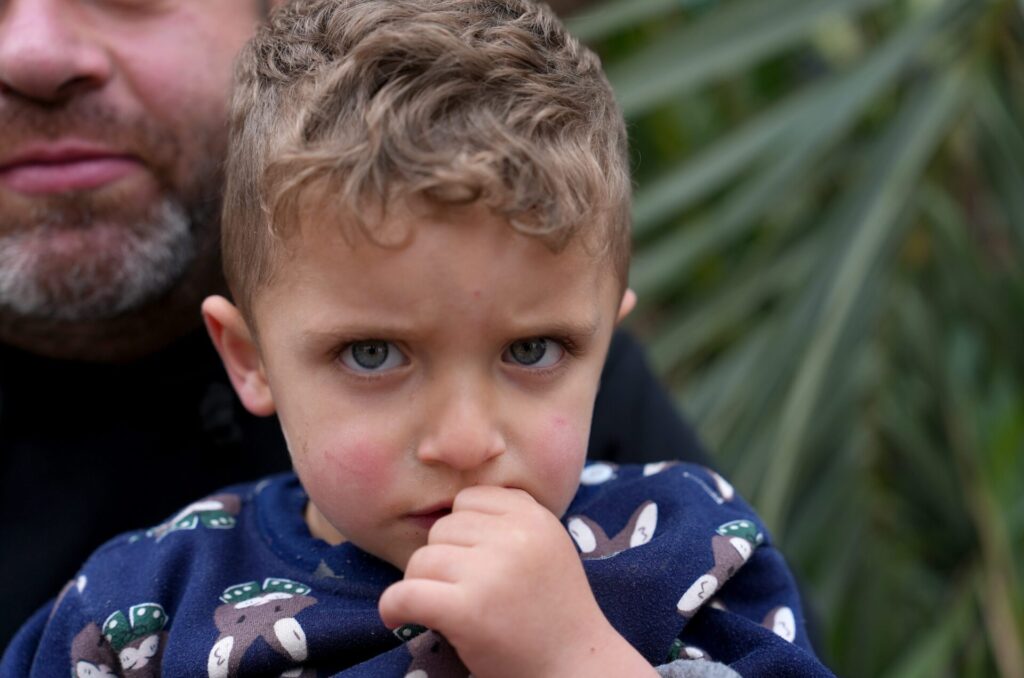
These stories reflect a wider reality. Rising prices are not just an economic issue. They are part of a larger pattern of loss, displacement, and uncertainty.
Food Security at Risk
The link between rising costs and food insecurity is direct.
As prices rise, families cut back on food spending. Diets become less diverse. Nutritional quality declines. Vulnerable groups, especially children and the elderly, are affected first.
In Lebanon, where the economic crisis has already eroded incomes for years, the margin for coping is not just narrowing, it’s gone.
The current escalation is pushing more families into food insecurity.
Even a temporary ceasefire between Iran, the United States, and Israel has offered little relief. Lebanon remains outside these arrangements for now, and the impact of conflict continues to shape daily life.
Standing With Lebanon
Nohad, 62, displaced from Tyre, now lives in a school shelter.
“We don’t own a car. When we were shocked by the shelling at dawn, our neighbors called us and took us with them to Saida.”
She lives with her sister. They had a stable life before.
“Now, after contacting someone who remained in the area, we learned that the only thing we owned in this life, our home, has been bombed.”
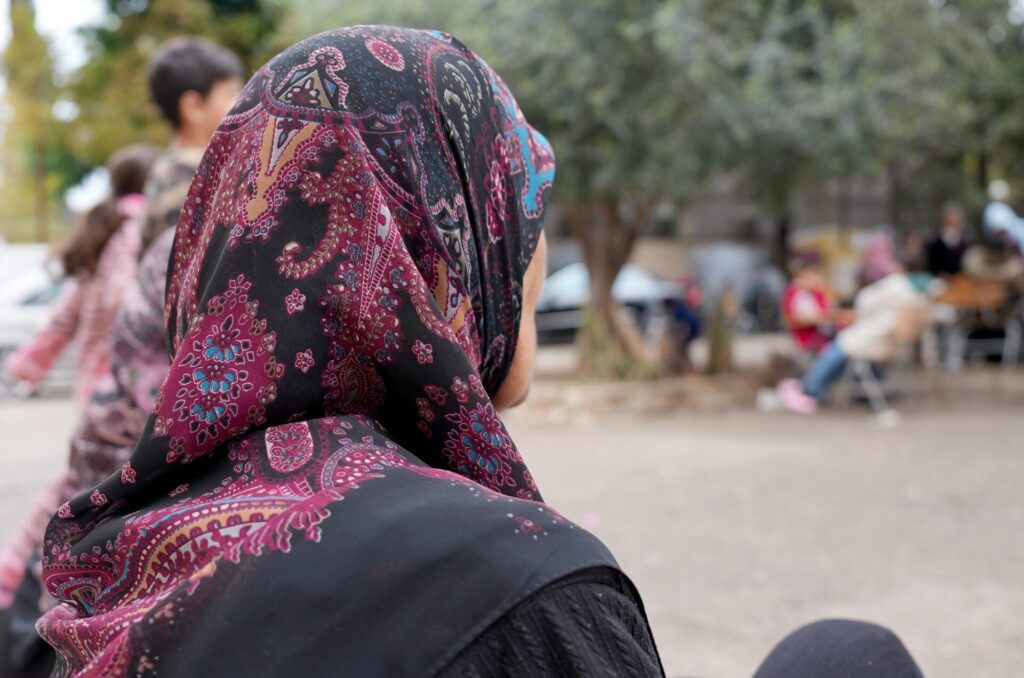
She pauses on the question that many are asking.
“I don’t know what will happen if the war ends. Will we return?”
The return of war in Lebanon has amplified everyday struggles for people who were already living in a difficult economy. Destruction and displacement derail lives, and rising prices make the financial choices facing families even more challenging.
Lebanon is a country filled with people who deserve to live in peace. Free from fear. Free from displacement. Free from wars.
Stand with the families forced from their homes.
Stand with the communities holding each other together.
Stand with the people who continue to choose life, even in the face of war.
Support efforts like Anera’s that provide food, healthcare, and emergency relief assistance to those affected. Speak about what is happening. Share their stories.
Donate now to support Lebanon.

 by
by