
Southern Lebanon’s Unofficial War and Escalating Crisis
 by Anera
Posted in: News
The world, understandably, is very tuned in to what is happening in Palestine and Israel. We all see the war and its horrifying humanitarian consequences in Gaza unfolding in graphic form every day. But, as we all look towards those horrors, many are missing the ripple effect in the greater region. Lebanon, just next door, has been experiencing its own unofficial war with Israel.
Since October 8, one day after Hamas attacked Israel, which then began bombing Gaza, Israel and Hezbollah in Lebanon have been exchanging fire across Lebanon’s southern border with Israel. Clashes have been constant since and have increased in breadth, with Israel evacuating citizens from towns near the border and some 600,000 people living along Lebanon’s southern border in danger. There are more than 46,000 internally displaced people (IDP) in Lebanon who have moved to nearby shelters or to locations further north. The clashes have also tragically killed at least 14 civilians in Lebanon. (Read Anera’s latest situation report from Lebanon for more information.)
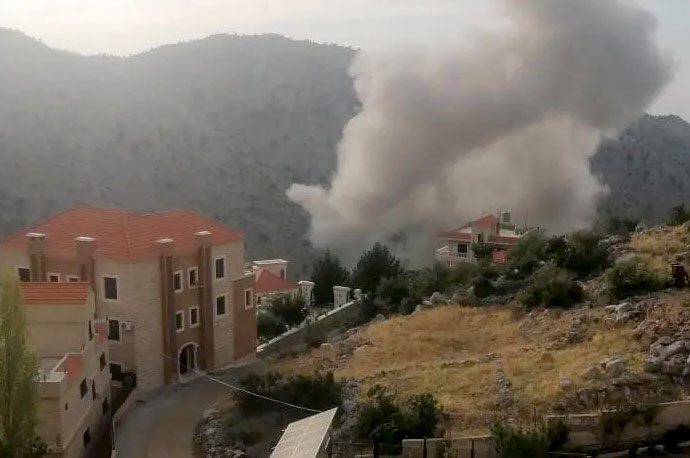
Lebanon is too fragile for war
Even prior to the recent escalation of tensions, Lebanon was already on a precarious path, facing an anticipated deterioration in its humanitarian situation in 2024. The country has been contending with an unprecedented and prolonged economic crisis over the past four years, marked by political uncertainty and a bleak economic outlook.
Lebanon’s economic collapse has sharply devalued its currency, and rising living costs have compelled most people – Lebanese as well as Palestinian and Syrian refugees – to heavily rely on international aid and dollars from overseas.
As families from southern Lebanon seek refuge in safer areas further north, communities across the whole country face heightened pressure amid Lebanon’s prolonged economic struggles. In the event of a large-scale war, the humanitarian community is preparing for a potential displacement of one million IDPs across the southern governorates of Lebanon and into Beirut and Bekaa. Lebanon’s critical public services are barely functioning and are ill-prepared to withstand the pressure of mass displacement and war.
Additionally, increased movement of large numbers of people within the country could exacerbate vulnerabilities among different segments of the population, particularly among refugees, raising concerns about equitable access to aid for all communities. Lebanon hosts more than 1.5 million refugees.
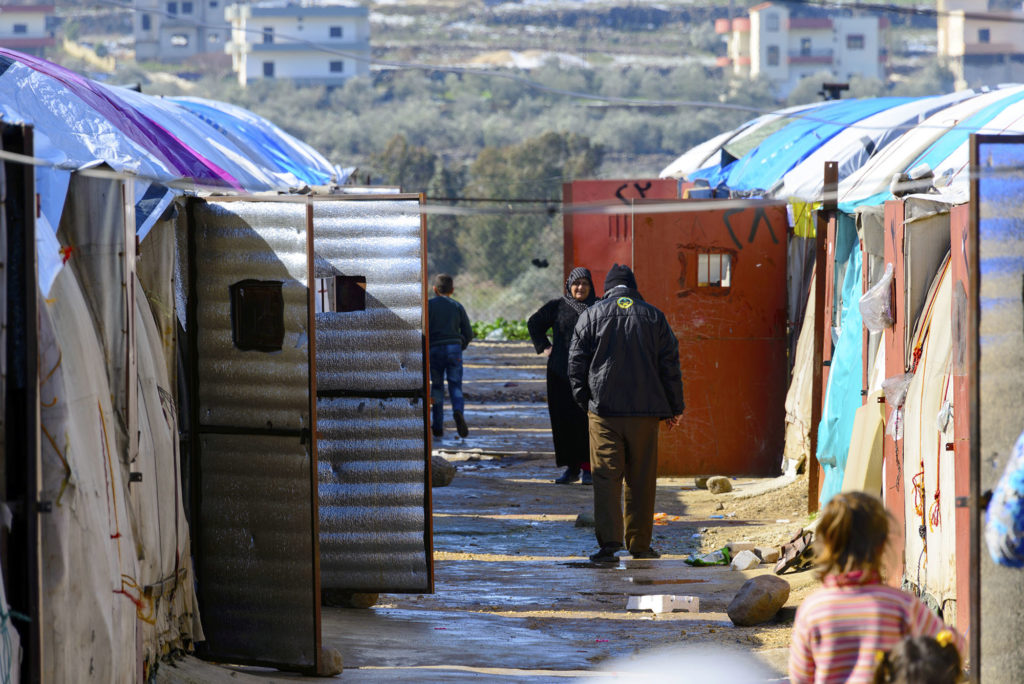
Schools in Lebanon are struggling to stay open and they only have funding to operate for a few months. The recent influx of displaced people into Tyre, the closest big city, is straining the schools there and raising concerns that the facilities may turn into shelters, which would force students to vacate. Schools are likely underprepared for a large-scale war, as they have received limited emergency plans from the education ministry.
The ongoing clashes are also disrupting livelihoods. As reported by Al Jazeera, the restaurant sector has suffered an 80% decline in business since October 7th. Tourism, constituting 20% of Lebanon’s GDP, has also been severely impacted. Many nations, including Australia, France, Germany, the United Kingdom, and the United States, have not only discouraged their citizens from visiting Lebanon but have also advised those in the country to leave while commercial flights are still available due to the border’s volatile situation.
It is peak olive harvest season now, but workers are fleeing olive-farming villages leaving farmers without sufficient help, while in shelled areas, access to crops is entirely restricted. Human rights groups also have reported that Israel has fired white phosphorus in military operations along Lebanon’s southern border, causing fires that destroyed some 40,000 olive trees. And, fishermen in Tyre are now grappling with the dangers of the border clashes, which prevent them from safely accessing nearby fishing grounds.
Don’t forget Lebanon!
Anera has a strong team in Lebanon. We are making strategic preparations for the possibility of an escalation of the conflict and further displacements. We are pre-positioning medical supplies and mobilizing resources for the swift purchase and distribution of essential relief items. Currently, with support from UNICEF, we are employing students from Anera’s vocational sewing program to produce 2,957 winter kits, filled with some 21,230 items, for families displaced by hostilities in the south of Lebanon.
As humanitarians who care about the places where Anera works, we all owe it to the people of Lebanon to break the silence surrounding this unofficial war. So, as you tune into the events unfolding in Gaza every day, take some time to cast your eyes a little further north to check on what is happening in Lebanon as well. Share what you learn with others and keep your support coming for the work of Anera’s amazing team in Lebanon.