Lebanon War Escalation 2026: What Happened and Why Thousands Are Fleeing
 by Anera
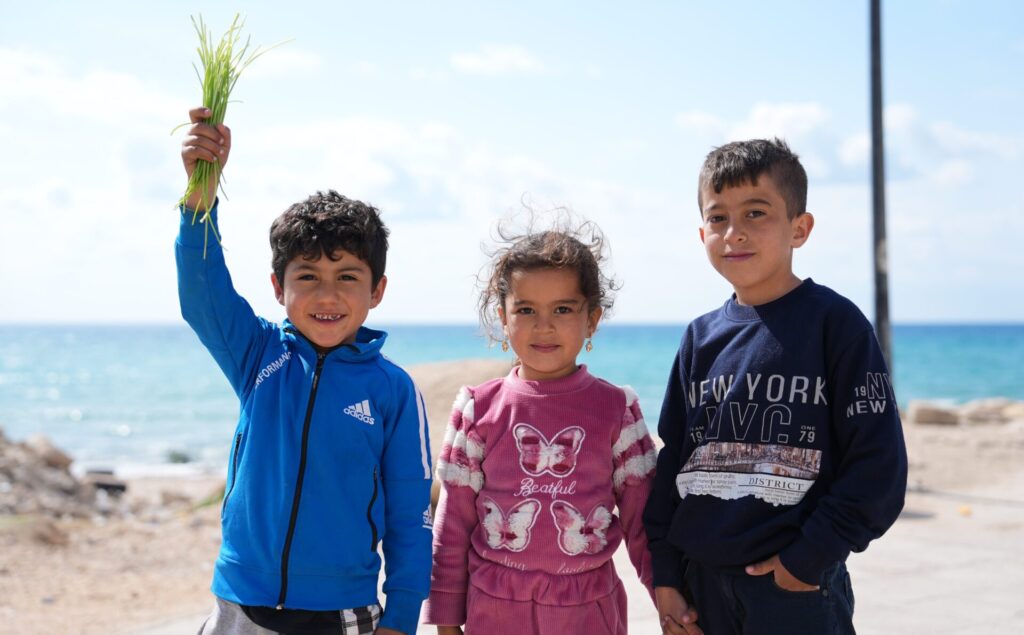
In the first days of March 2026, a sharp escalation of violence pushed Lebanon into another dangerous chapter of conflict. Airstrikes, rocket fire and widespread evacuation orders forced tens of thousands of families to leave their homes within hours.
Across southern Lebanon, the suburbs of Beirut and the Bekaa Valley in the west, neighborhoods that had already endured years of economic hardship suddenly faced the possibility of large-scale war, ground invasions and mass destruction. Families quickly packed what little they could carry and headed north in search of safety.
Within a matter of days, Lebanon was once again confronting a familiar reality: mass displacement and an urgent humanitarian crisis.
How the Escalation Unfolded
The current escalation follows a period of rising regional tension linked to the broader conflict in the Middle East. Exchanges of fire along the Israel–Lebanon border intensified in early March, quickly expanding beyond the usual border areas.
Airstrikes hit multiple locations in southern Lebanon and the Bekaa Valley. Soon after, warnings extended to parts of Beirut’s southern suburbs, a densely populated area where hundreds of thousands of people live, and even reached previously “safe areas” in Mount Lebanon.
Israeli evacuation orders instructed residents of hundreds of villages in southern Lebanon and large parts of Beirut’s southern suburbs, which affected some of the most densely populated areas in the country. Based on population estimates for these regions, nearly 900,000 people may have been forced to leave or prepare to leave their homes in the first days of the escalation, creating one of the largest displacement waves Lebanon has seen in recent years.
The result was a rapid wave of internal displacement, reaching an estimated 400,000 individuals from the southern area. Thousands of vehicles crowded highways leaving the south. Others traveled in buses, shared rides or made the long journey on foot. It took some of them 22 hours to reach Beirut and beyond.
For many families, the evacuation began in the middle of the night. Mohammad Kaddoura, Anera’s south area manager, was among those forced to leave.
“We left our home at 2 a.m. after the threats came. There was no time to pack, only to run. We grabbed what little we could carry and joined the crowds pouring into the streets. Panic was everywhere. The roads were jammed for hours as people tried to escape. It took more than seven hours to reach a safer place. Along the way we passed broken-down cars, exhausted families and children crying in fear.”
Despite the fear and uncertainty, Anera staff quickly shifted from protecting their families to preparing an emergency response.
“The first thing I did was check in with the rest of the staff to make sure everyone was safe and had access to basic necessities. Even in the middle of the chaos, our team was ready to respond and help displaced families in Saida, coordinating with ministries and local municipalities.”
Displacement Across Lebanon
Within the first days of the escalation, tens of thousands of people were displaced. According to the Lebanese Ministry of Social Affairs in Lebanon, as of March 6, 101,952 internally displaced people are in 482 collective shelters, while the numbers continue to rise as airstrikes and military operations expand.
Public buildings, schools and municipal halls quickly converted into collective shelters. Classrooms and hallways are filled with mattresses, placed one right after the other, while families have been forced to wait in long lines for basic supplies.
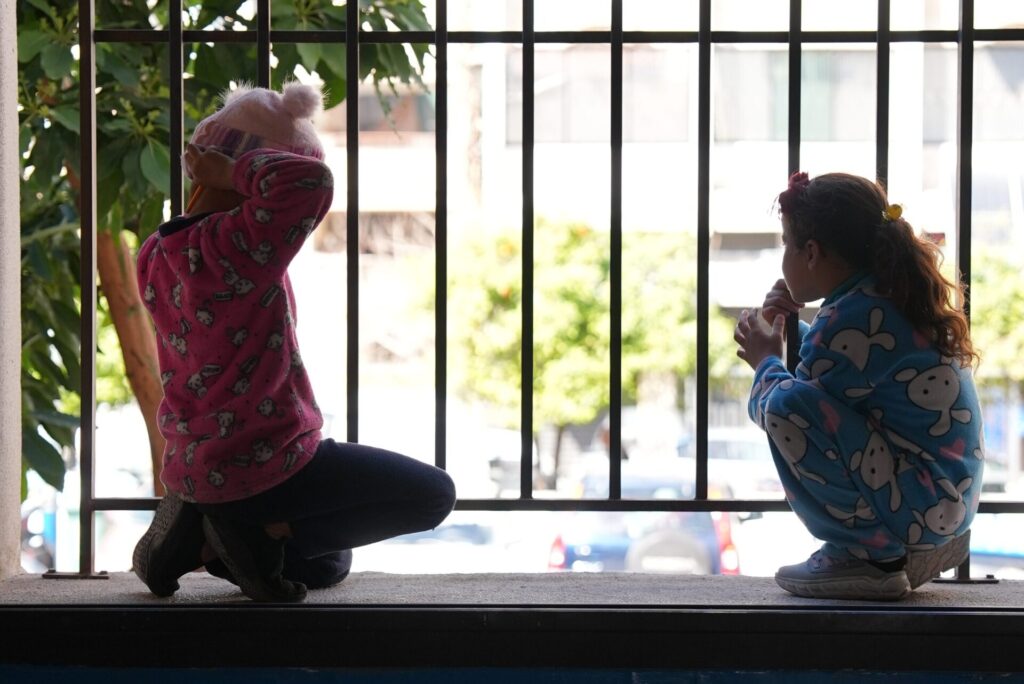
Some shelters were ready when families began arriving, but most had to open suddenly as the number of displaced people grew faster than expected. Cities such as Saida, Beirut and towns across Mount Lebanon began receiving large numbers of families fleeing the south and the southern suburbs of the capital.
Many families left so quickly that they carried nothing with them. Mohsen Suleiman, a 64-year-old Anera driver from Nabatieh, fled his home before dawn with his family.
“We were forced to flee because of the bombardment nearby and the threats targeting our area. We left our home at 3 a.m., still wearing our pajamas, without taking anything with us. By the time we reached Naameh at 5 p.m., everything had changed. We went from living a dignified life to starting over with nothing. Right now, the only thing we have is the food we can find for the day.”
What Happens When Shelters in Lebanon Are Full
As displacement continues, not everyone has been able to find space in collective shelters. Some families have been forced to sleep outdoors while searching for help.
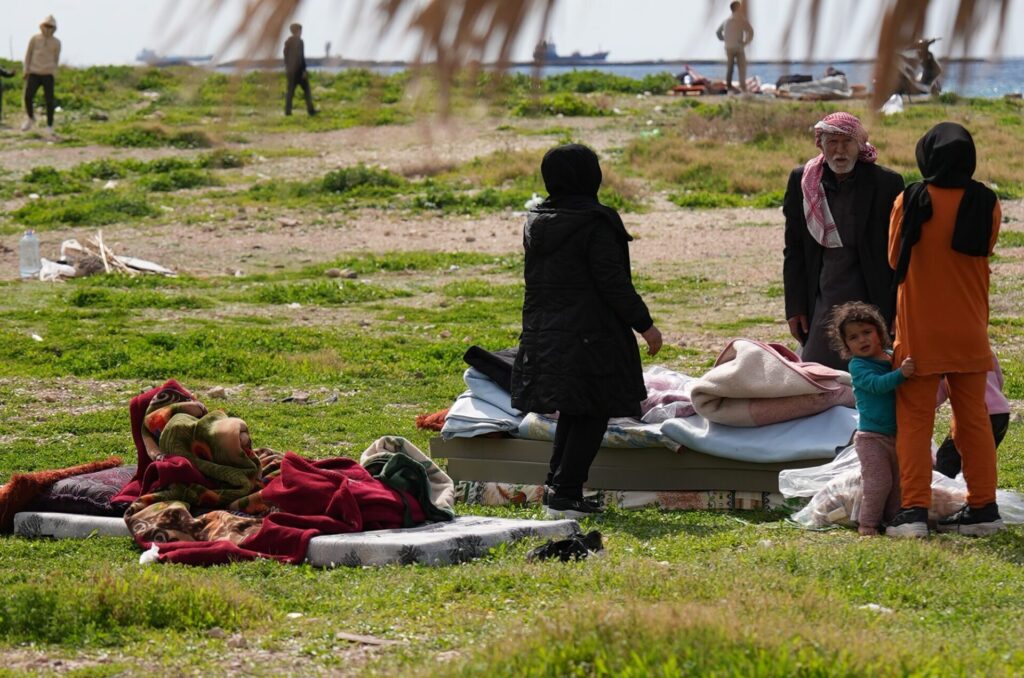
Zakieh Mohammad, a 54-year-old Syrian mother of six, described walking for hours after fleeing Nabatieh.
“Before arriving in the Saida area, we were in Nabatieh. We left our home at 3 a.m. Because we don’t have a car and couldn’t find anyone to give us a ride, we were forced to walk with the children to reach safety.”
After arriving in Saida, her family still struggled to find shelter.
“The situation is miserable. We could not find places in the shelters, so we had to stay here on the beach. No one comes here to ask about us or check on us. The children are cold, and it could start raining at any moment. My husband is elderly and cannot do much. We only hope that someone will look at the children.”
For many displaced families, the uncertainty continues even after they reach safer areas. Mohammad Al-Shaiba, a 66-year-old Syrian father of four, described spending hours traveling to Saida only to discover that shelters were already full.
“My wife, my children and I fled the south at dawn. The threats and airstrikes came so suddenly that we left with nothing. After eight long hours on a crowded bus with other families, we finally reached Saida, only to find that the shelters were already full. We had nowhere even to sit. Now, I am spending what little money I have left in my pocket on water and food, but it will not last for more than two days. I am a day laborer, and I left everything behind to protect my family.”
Lebanon’s Economic Crisis Deepens the Impact
The humanitarian consequences of this escalation are intensified by Lebanon’s ongoing economic collapse. Since 2019, the country has experienced one of the worst financial crises in modern history. The national currency has lost most of its value, poverty has increased dramatically, and public institutions are struggling to function.
Many families were already struggling to afford food, rent and healthcare before the conflict intensified, and displacement under these conditions can quickly become a long-term hardship. Municipalities have limited resources to support the sudden influx of displaced families, housing is scarce and expensive, and public services are already under pressure. Even a short period of displacement can have lasting economic and social consequences.

Anera’s Emergency Response
As the first waves of displacement began, Anera teams mobilized to support families arriving in shelters. Staff and local partners quickly began distributing emergency supplies, like hygiene kits and bottled water, in areas receiving displaced families.
In Saida and the surrounding areas, Anera’s response focused on the most urgent needs. Teams quickly began coordinating with local authorities to identify priorities, distributing hygiene kits, water, blankets and mattresses to provide basic necessities that many shelters lacked, while working closely with administrations to ensure displaced families received the support they needed.
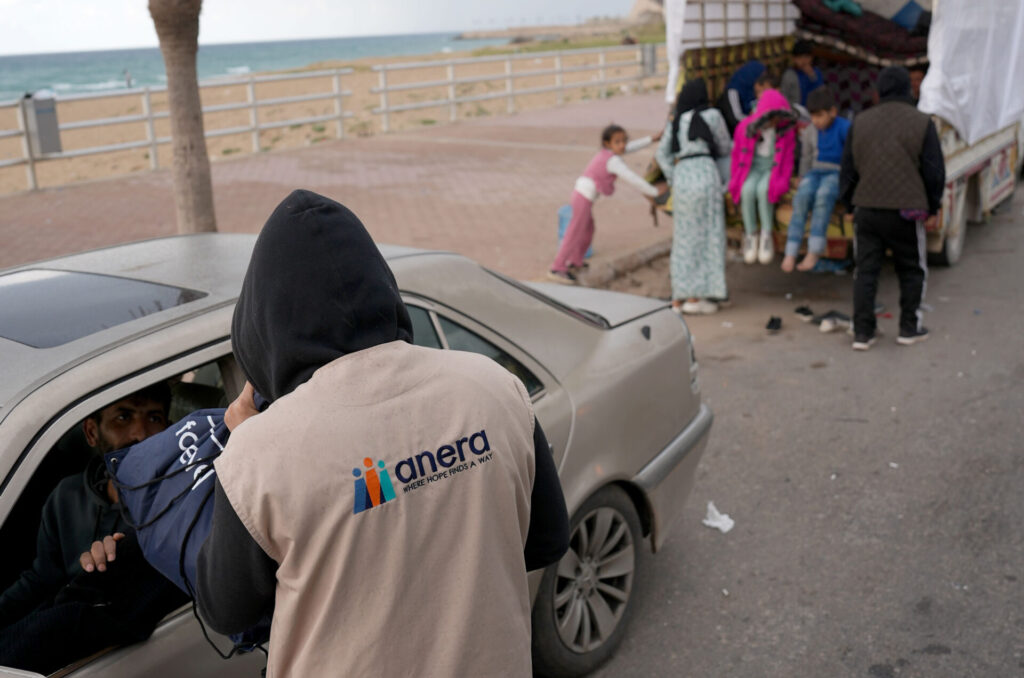
Other major distributions took place where Anera distributed sleeping bags and winter clothing kits produced by youth trainees participating in UNICEF’s Learning to Earning Programme implemented by Anera. The winter kits provide critical protection against the cold as families settle into shelters during the first days of displacement.
Still, the needs continue to grow. “What is available is still less than what is needed,” Kaddoura said. “There are thousands of displaced people in shelters and outside of them. We hope that all of this will end soon and that we can return to our normal lives.”
In Mount Lebanon, we began distributing “ready-to-eat” food parcels across various collective shelters, while in the Bekaa Valley, we focused on providing mattresses and covers, all part of Anera’s emergency response plan to meet the immediate needs of displaced families.
“The situation in the Bekaa remains highly volatile, with attacks occurring across multiple locations. The number of internally displaced people is rising by the hour, and new shelters are opening daily. The needs on the ground are urgent, particularly for heating and winter supplies, as families flee Beirut and Baalbek and temperatures drop sharply at night,” Anera’s Bekaa Area Manager Mahmoud Abdallah reports.
What Could Happen Next in Lebanon
The situation remains highly uncertain. If the conflict expands further, the number of displaced people will increase significantly. Evacuation warnings affecting southern Lebanon, the Bekaa and parts of Beirut have already raised concerns that additional communities may be forced to leave their homes.
Large-scale displacement would place even greater pressure on Lebanon’s already strained infrastructure and humanitarian services. Economic conditions could deteriorate further as businesses close, transportation is disrupted, and public resources are redirected toward emergency response.
For many families, the greatest fear is that the crisis could last far longer than expected.
How You Can Help
As the conflict escalates, thousands of families across Lebanon are trying to adapt to life in shelters or temporary spaces after leaving everything behind.
“In less than 24 hours, hundreds of thousands of people have been forced to leave their homes,” said Samar El Yassir, Anera country director in Lebanon and Jordan. “Families are arriving at shelters with almost nothing. Our teams are already on the ground delivering essential supplies, but the needs are growing by the hour. Support now will help us reach displaced families with the assistance they urgently need.”
Humanitarian assistance helps provide displaced families with the essentials they need to stay safe and warm during this difficult time. Anera continues delivering emergency aid to families affected by the war. Your support helps expand these efforts and reach more communities facing sudden displacement.
Donate today to help provide emergency relief to families affected by the war in Lebanon.