
INFO
Lebanon’s Recent History: A Simple Guide
This guide explains the key events that shaped modern Lebanon, from the Lebanese civil war to today’s economic collapse and humanitarian crisis. Learn how decades of political conflict, regional tensions and financial instability have affected millions of people and continue to shape daily life across the country.
Lebanon is one of the most socially and religiously diverse countries in the Middle East. Its population includes 18 officially recognized religious communities, including Sunni Muslims, Shia Muslims, Christians of multiple denominations and the Druze, along with smaller groups such as Alawites. In addition to citizens, Lebanon hosts large refugee populations, particularly Palestinians and Syrians. While most Lebanese identify as Arab, the country’s culture reflects influences from Phoenician, Arab, Ottoman and European colonial history. This diversity has shaped Lebanon’s distinctive cultural life, though differences among communities have at times contributed to political tensions, especially when regional conflicts intensify divisions within the country.
Since the end of the civil war in 1990, Lebanon has faced a fragile political system, ongoing internal and regional tensions, a 29-year Syrian occupation and persistent economic challenges affecting millions of people. In recent years, these pressures have only intensified, increasing humanitarian needs and leaving many families struggling with poverty, displacement and limited access to essential services such as food, healthcare, and education.
Lebanon’s past continues to shape the humanitarian challenges families face today.
Help Anera support vulnerable communities across Lebanon.
Key Facts About Lebanon
Capital: Beirut
Population: ~5.7 million
Official language: Arabic (MSA), though Arabic (Lebanese dialect) is overwhelmingly the native language. French and English are also widely spoken
Government: Parliamentary republic. Key leadership roles are designated along communal lines, with the president being a Maronite Christian, the speaker of the Parliament a Shia Muslim, and the prime minister a Sunni Muslim. Parliamentary seats are divided into half Christian and half Muslim.
Major recent crises: economic collapse, Beirut port explosion, political paralysis, regional conflict spillover
Currency crisis:
Before the Lebanese civil war in 1977, one U.S. dollar (USD) was equivalent to 3.9 Lebanese Pounds (LBP). In 2018 before the current currency crisis began, one USD was equal to 1,500 LBP. This rose to one USD equal to around 90,000 LBP as of early 2026.
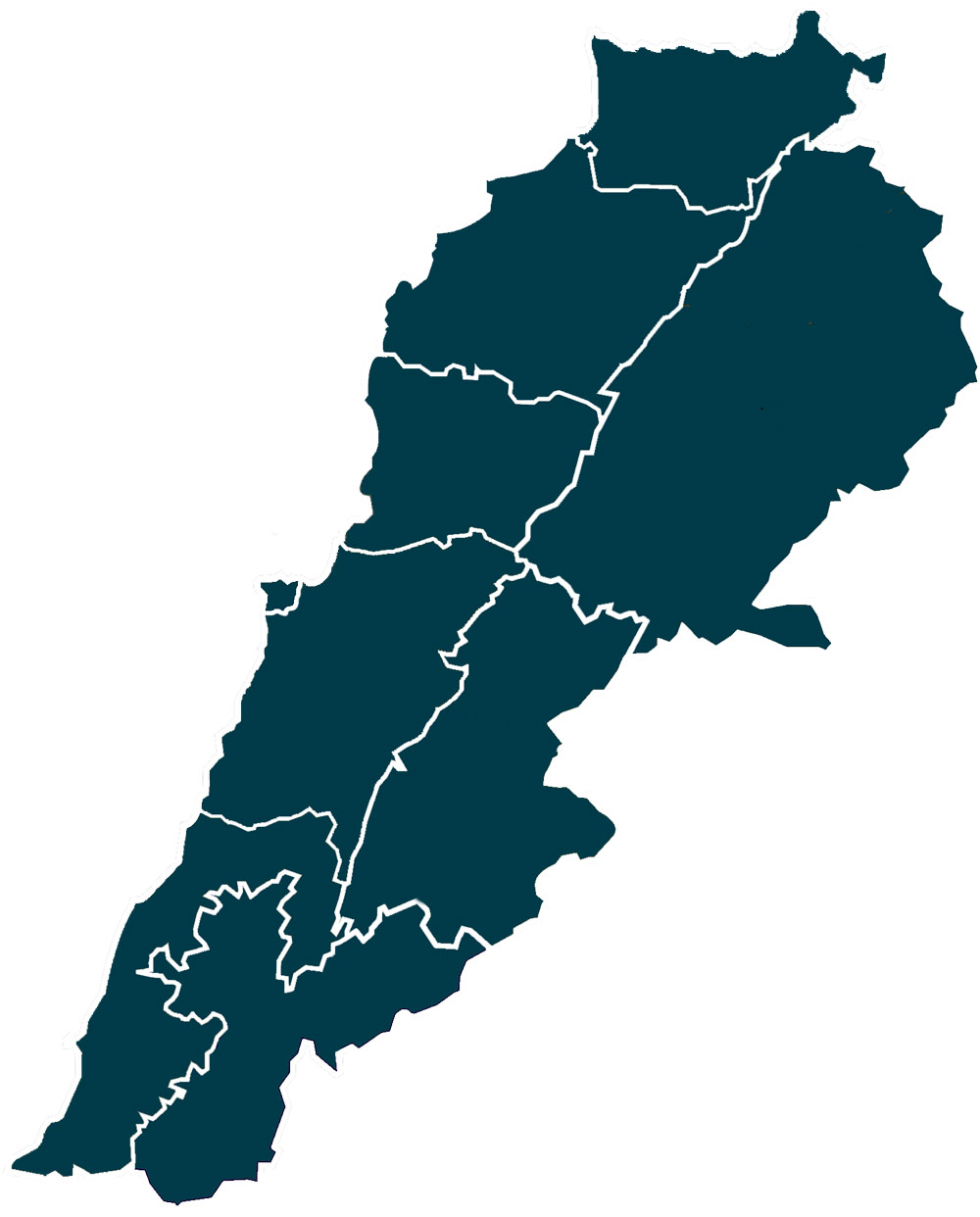
Timeline of Lebanon’s Recent History
1975–1990: Lebanese Civil War
From 1975 to 1990, Lebanon was engulfed in a devastating civil war marked by sectarian divisions and the involvement of multiple Lebanese factions and foreign powers. The fighting tore communities apart, caused massive destruction across cities and rural areas, and forced countless families to flee their homes, leaving deep scars on the country’s social fabric and infrastructure.
The war finally wound down with the Taif Agreement in 1989, a political accord that helped bring an end to the hostilities by restructuring Lebanon’s political system and setting the stage for a fragile peace.
Today, 50 years after it began, Lebanon continues to face the long-term consequences of the civil war, including political gridlock, sectarian governance, economic fragility and social divisions, highlighting the ongoing need for institutional reform and inclusive governance.
The civil war left deep scars that many communities are still recovering from. Support programs helping families rebuild and recover from generational trauma.

1982: Hezbollah’s Beginnings
Hezbollah emerged during the Lebanese civil war following Israel’s invasion of Lebanon in 1982. At the time, southern Lebanon had become a major battleground involving Israeli forces, Palestinian armed groups and various Lebanese militias. Many Shia communities in southern Lebanon and Beirut’s southern suburbs were heavily affected by the conflict and felt politically and economically marginalized.
In the early 1980s, Hezbollah formed as a Shia political and militant movement with support from Iran. Its early focus was armed resistance against Israeli forces operating in southern Lebanon, along with defending Shia communities in areas most affected by the conflict.
Over time, Hezbollah expanded beyond a militant organization and built strong political and social networks. It established schools, clinics and social programs in areas where government services were limited, helping the group gain significant support among parts of Lebanon’s Shia population. Israel withdrew most of its forces from southern Lebanon in 2000 after years of conflict with Hezbollah fighters.
Today, Hezbollah remains both a political party and an armed organization with significant influence in Lebanon. It holds seats in parliament and plays an important role in political alliances while maintaining an independent military structure. In recent years, however, its military capabilities have been significantly weakened by renewed conflict with Israel, including a 2024 war and broader regional tensions involving Iran.
1976-2005: Syrian Occupation
Syrian forces entered Lebanon in 1976 as peacekeepers but gradually extended control over the country’s political, military, and security institutions for nearly three decades. Their presence was marked by repression, human rights abuses, and lasting social trauma, with many victims never accounted for. While some saw Syria as a stabilizing force, others viewed the occupation as a breach of Lebanon’s sovereignty.
It formally ended in 2005 after the assassination of former Prime Minister Rafik Hariri and the Cedar Revolution, a nationwide protest movement that demanded the withdrawal of Syrian forces.
2006: War Between Israel and Hezbollah
In the summer of 2006, Lebanon endured a devastating 34‑day military conflict between Hezbollah and Israel, which caused widespread destruction across southern Lebanon and the southern suburbs of Beirut. The fighting claimed more than 1,200 lives, left thousands wounded, and displaced tens of thousands of people.
Civilian infrastructure suffered immense damage: approximately 30,000 homes and shops were destroyed, 92 bridges were knocked out and other infrastructure of all kinds sustained heavy losses, with total damage costs estimated at $3.6 billion.

2005–2008: Political Assassinations and Bombings
After the Syrian withdrawal in 2005, Lebanon experienced a series of explosions, assassinations and bombings targeting political figures, security forces and civilians. Notable incidents include the assassination of former Prime Minister Rafik Hariri (Feb 2005) and multiple car bombings in Beirut, Mount Lebanon and other areas. This period was marked by political instability, sectarian tension and repeated explosive attacks, including clashes between pro- and anti-Syrian factions.

2011–2018: Impact of the Syrian War on Lebanon
When conflict broke out in Syria in 2011, Lebanon became one of the countries most affected by the resulting humanitarian crisis. Over the course of the war, Lebanon hosted more than one million refugees from Syria, many living in overcrowded informal settlements, tents and cramped spaces alongside long‑standing Palestinian camps. These living conditions often meant large families sharing small spaces, limited or no access to running water, sanitation or electricity, and heightened vulnerability to disease and poverty.
The sudden and massive influx of people placed severe strain on Lebanon’s already fragile infrastructure and public services, including clean water systems, healthcare and education. Many Syrian children struggled to access formal schooling, with only a small number able to attend school regularly.
The presence of so many refugees exacerbated social and economic pressures on Lebanon, as public services and community resources struggled to keep up with rapidly rising demand. The conflict’s legacy reshaped population patterns and highlighted the country’s ongoing need for investment in infrastructure, basic services and inclusive development.
Lebanon hosts one of the largest refugee populations in the world. Anera works with vulnerable Lebanese, Syrian and Palestinian families every day. Help provide food, medicine and education.
2013-2014: ISIS-Linked Attacks
During the Syrian civil war spillover, Lebanon faced attacks linked to ISIS ("Islamic State of Iraq and Syria), particularly in border regions and northern cities like Tripoli. Bombings targeted security forces, Hezbollah positions and communities hosting Syrian refugees, reflecting the regional reach of extremist groups and Lebanon’s vulnerability to cross-border violence.
2015: Garbage Crisis
In July 2015, Lebanon faced a nationwide waste management crisis when the Naameh landfill, which served Beirut and Mount Lebanon, closed after reaching capacity and following years of protests from nearby residents. With no immediate alternative plan in place, garbage collection stopped across large parts of the country.
Trash quickly piled up in the streets of Beirut and surrounding areas, creating serious environmental and public health concerns. The crisis sparked large demonstrations under the “You Stink” protest movement, which criticized government corruption, poor public services and the lack of long-term infrastructure planning.
Although temporary solutions were later introduced, Lebanon continues to struggle with sustainable waste management.

During this period, organizations like Anera supported local efforts through recycling programs and community-based environmental initiatives. Anera continues this work today, helping communities manage waste more sustainably amid Lebanon’s ongoing infrastructure challenges.
2019: Economic Crisis and Mass Protests
In 2019, Lebanon entered one of the worst economic crises in its modern history. Years of government debt, political corruption and weak financial oversight caused confidence in the banking system to collapse. Banks began limiting withdrawals and transfers while the Lebanese lira rapidly lost value against the U.S. dollar. As the currency collapsed, the cost of basic goods such as food, fuel and medicine rose sharply, putting many families under severe financial pressure.
According to the World Bank, the Lebanon economic crisis ranks among the most severe financial collapses in the world since the mid-19th century. In terms of scale and impact on the population, economists have compared it to historic downturns such as the Great Depression in the 1930s. Large portions of the population saw their savings disappear while unemployment and poverty increased dramatically.
In October 2019, nationwide protests broke out across Lebanon. Demonstrators from different regions and political backgrounds gathered in cities and towns demanding an end to corruption and meaningful political reform. Although the protests showed widespread public frustration, major economic reforms stalled. Today, the effects of the economic collapse continue to shape daily life in Lebanon, contributing to high poverty rates, weakened public services and growing reliance on humanitarian aid.

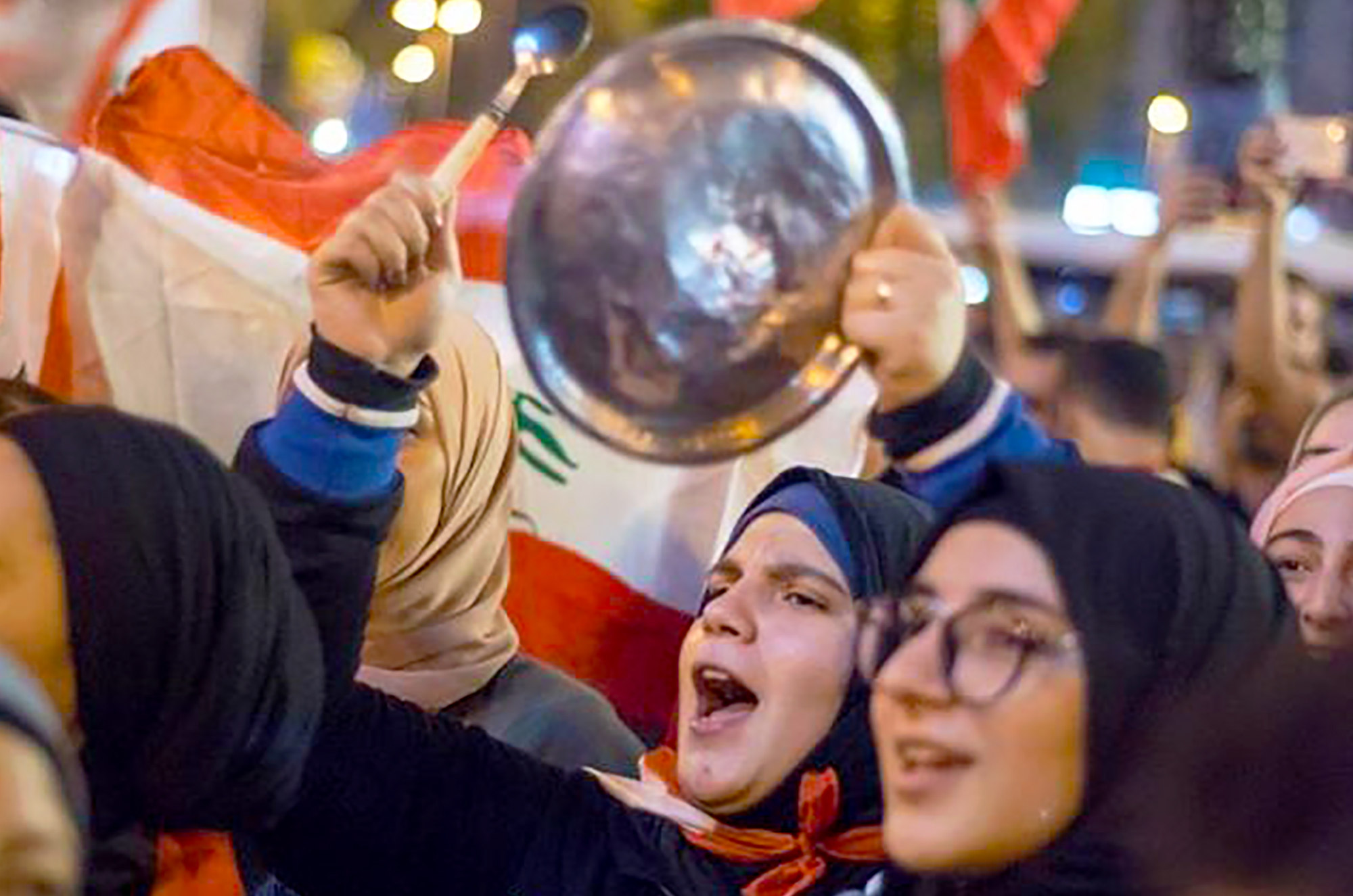
Lebanon’s economic crisis has pushed millions into poverty and strained essential services. Your support helps deliver medicines, food and education to those in need.
2020-2021: COVID-19
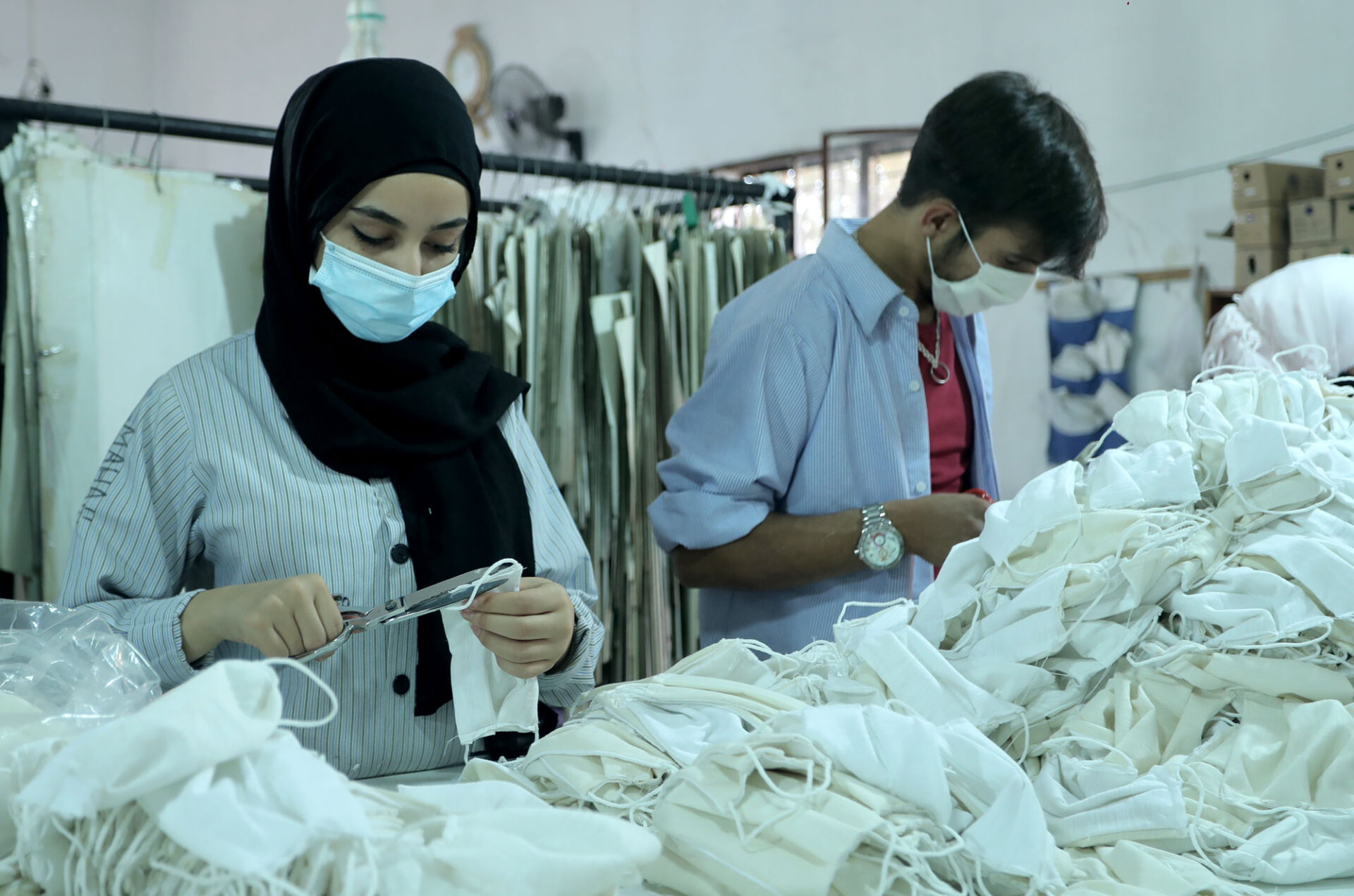
The COVID‑19 pandemic exacerbated widespread unemployment, poverty and food insecurity as lockdowns and reduced economic activity strained household incomes and pushed more and more families into hardship. Health services, dominated by private hospitals, were quickly overwhelmed; shortages of medical supplies, equipment and fuel, along with unpaid government debts to facilities, weakened the system’s ability to respond effectively.
Many healthcare workers left Lebanon in search of better opportunities, further reducing capacity just as demand surged. The pandemic amplified social stressors, with households facing hunger, limited access to care and rising mental health challenges.

2020: Beirut Port Explosion
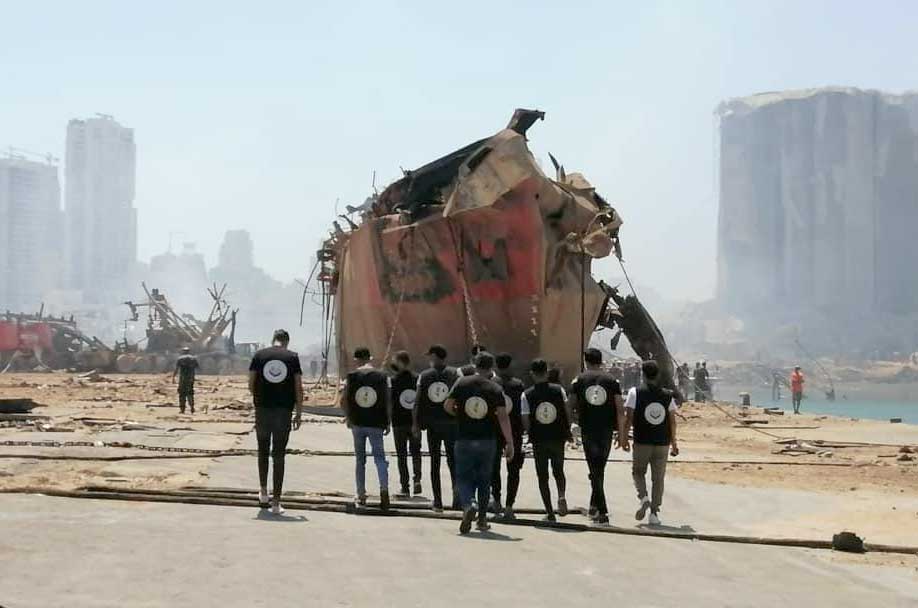
On August 4, 2020, a massive explosion at the Port of Beirut devastated large parts of the Lebanese capital. The blast occurred after more than 2,700 tons of ammonium nitrate had been improperly stored in a warehouse at the port for years.
The Beirut port explosion, one of the largest non-nuclear explosions ever recorded, killed more than 200 people, injured thousands and displaced an estimated 300,000 city residents. Entire neighborhoods were destroyed or heavily damaged, including homes, hospitals, schools and businesses. The port itself, a critical hub for Lebanon’s imports, suffered extensive damage, further disrupting the country’s already fragile supply chains.
The disaster intensified public anger over government negligence and political mismanagement. In the aftermath, Lebanon’s government resigned and the country entered another period of political instability. Combined with the ongoing economic crisis, the port explosion further weakened Lebanon’s infrastructure and economy. Years later, many communities in Beirut are still rebuilding while the country continues to face deep economic and social challenges.
Present Lebanon: Upheaval and Economic Crisis
Lebanon continues to face a deep and prolonged crisis driven by economic collapse, political instability and regional conflict. The Lebanese currency has lost most of its value since 2019, inflation has surged, and the cost of basic necessities such as food and fuel has risen sharply, leaving millions struggling to meet daily needs. As a result, around 80% of the population now lives in poverty and many families are forced to cut back on food or rely on humanitarian assistance.
Essential services have deteriorated. Electricity shortages are severe, with many households receiving only a few hours of power per day and relying on expensive private generators to meet basic energy needs. At the same time, hospitals and healthcare facilities face shortages of medicines and fuel, making it difficult to provide consistent care to patients.
The Gaza war began in October 2023, with violence spreading into Lebanon, leading in 2024 to more than 3,000 deaths and 14,000 injuries in Lebanon alone. Ongoing hostilities in 2026 involving the U.S., Iran and Israel have further worsened humanitarian conditions. Israeli attacks have displaced hundreds of thousands of people from southern Lebanon, the southern suburbs of Beirut and multiple villages in western Bekaa, with many families sheltering in temporary sites across the country. As conflict continues, displacement, infrastructure damage and humanitarian needs are expected to grow, compounding years of overlapping political and economic crises.
Why is Lebanon Facing a Crisis Today?
Lebanon’s current crisis did not emerge from a single event. Instead, as chronicled above, it is the result of several overlapping political, economic and social challenges that have developed over many years, gradually weakening the country’s institutions and public services. These pressures have made it harder for Lebanon to respond effectively to major shocks and crises.

Economic Collapse
Lebanon’s economic collapse, which began in 2019, has reshaped nearly every aspect of daily life in the country. For years, Lebanon relied on a financial system that depended heavily on foreign deposits, remittances from the Lebanese diaspora and government borrowing. When confidence in the system began to collapse, banks imposed strict limits on withdrawals and transfers, preventing many people from accessing their own savings.
At the same time, the Lebanese lira lost most of its value against the U.S. dollar. In 2018, one U.S. dollar was officially worth about 1,500 Lebanese lira. By early 2026, it fell to roughly 90,000 lira on the parallel market. This dramatic currency devaluation caused the prices of imported goods to surge, making essentials such as food, fuel, medicine and electricity far more expensive.
The crisis also severely affected businesses and employment. Many companies reduced operations or shut down entirely as costs increased and purchasing power declined. Unemployment rose sharply, while many professionals and young workers emigrated in search of more stable opportunities abroad. As a result, poverty increased rapidly across the country, with many families now struggling to afford basic necessities or relying on humanitarian assistance.
In addition, the economic collapse has caused a significant degradation in public services. Roads, bridges and infrastructure have deteriorated due to lack of maintenance, while electricity, water and waste management services have become unreliable or intermittent. Public transport has suffered, hospitals and clinics face shortages of supplies, and schools struggle to operate effectively.
The crisis has also accelerated the emigration of skilled youth and professionals, often referred to as a “brain drain.” Many young Lebanese, including doctors, engineers, teachers and IT specialists, have left the country seeking stable salaries, career development and security abroad. This loss of talent has affected families and communities, and undermined Lebanon’s long-term capacity for economic recovery and public service delivery.
Political Gridlock
Lebanon’s political system has played a significant role in the country’s prolonged crisis. The system is based on a sectarian power-sharing arrangement that distributes key government positions among religious communities. Under this structure, the president must be a Maronite Christian, the prime minister a Sunni Muslim and the speaker of parliament a Shia Muslim, while parliamentary seats are divided evenly between Christian and Muslim representatives.
The Taif Agreement of 1989 helped end Lebanon’s civil war and established a system designed to balance representation among the country’s religious communities. While it ensured inclusion, the sectarian distribution of political power has also made decision-making slow and complex, as major actions require consensus across competing factions. The agreement envisioned this as a temporary measure, with non-sectarian reforms, including a new electoral law and a future senate, intended to reduce sectarian gridlock. Lebanon’s current political deadlock largely reflects the failure to implement these reforms.
Forming governments can take many months and sometimes years. Political disputes frequently delay cabinet appointments, presidential elections and major policy decisions. Lebanon has experienced several prolonged periods without a president or a fully functioning government. Many proposed reforms stall due to disagreements among political blocs or concerns about how changes could shift the balance of power between sectarian groups.
The resulting, persistent political gridlock has weakened public trust in institutions and limited Lebanon’s ability to pass economic reforms, address corruption or respond quickly to national emergencies.
Weak Social Safety Net
Lebanon’s social safety net system has long struggled to meet people’s basic needs. Government-funded social assistance programs receive very little public investment, with Lebanon spending less than 1% of its GDP on social assistance. As a result, many families rely heavily on private charities, community networks and nonprofit organizations such as Anera for essential support.
The country’s main formal program, the National Social Security Fund, was established in the 1960s to provide healthcare coverage, family benefits and retirement support. However, it primarily serves workers in the formal private sector and offers only limited coverage today due to financial constraints and currency devaluation. Because many people work in informal jobs, such as agriculture, construction or domestic work, roughly half of Lebanon’s labor force is not eligible for social security benefits. Refugees from Syria and Palestine are excluded from most government programs.
The Ministry of Social Affairs operates additional programs to assist vulnerable groups, including people with disabilities, children in institutional care and families living in extreme poverty. One key initiative, the National Poverty Targeting Program, provides limited support such as food assistance, healthcare subsidies and education aid to the poorest households, largely funded by international donors.
Despite these programs, the scale of need far exceeds the available support. Following Lebanon’s economic collapse beginning in 2019, poverty surged dramatically. Much of Lebanon's population experiences multidimensional poverty, lacking adequate access to essentials such as healthcare, electricity, housing, food or education.
Severe Infrastructure Strain
War and repeated crises have deeply damaged Lebanon’s infrastructure, affecting electricity networks, water systems, roads, farmland, health facilities, homes and schools. Years of conflict have compounded long-standing economic and governance challenges, leaving critical systems fragile and difficult to repair. Following the 2024 hostilities with Israel, the World Bank estimated that Lebanon’s reconstruction and recovery needs reached $11 billion. With renewed violence in 2026, those needs are expected to grow much more.
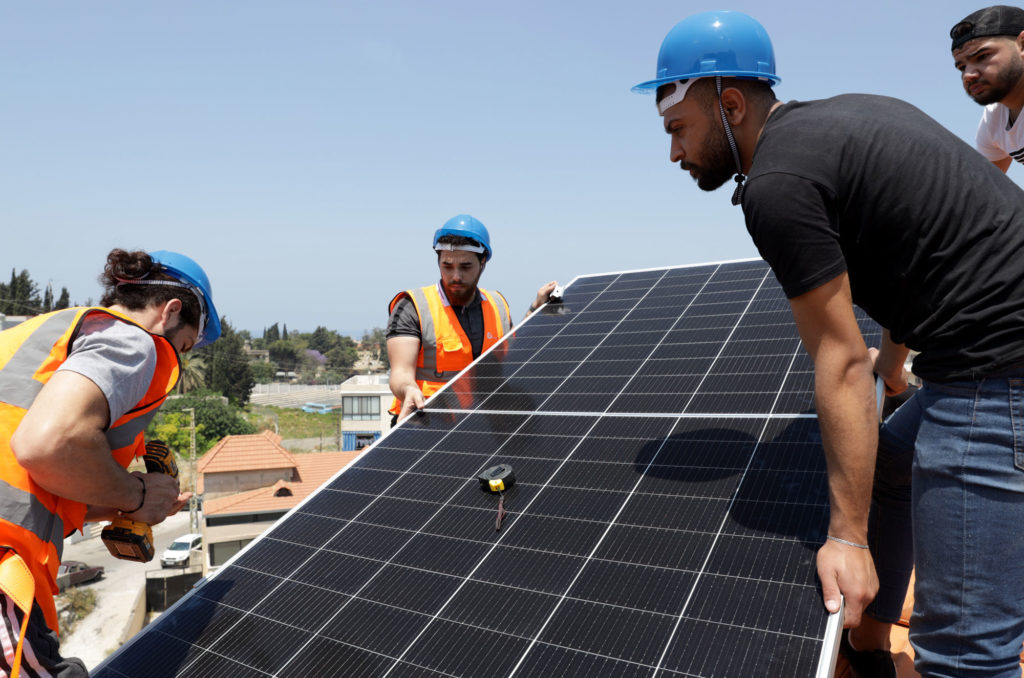
Lebanon’s infrastructure was already under strain before the latest conflict. The country has long struggled with unreliable electricity and overstretched public services, problems worsened by economic collapse and rising humanitarian needs. Decades of underinvestment and repeated shocks have left the national power grid unable to meet demand, resulting in daily power outages that disrupt households, schools, hospitals and water systems.
Electricity shortages also ripple through other essential services. Because most water pumping and distribution systems depend on the national grid, outages can halt water supply or force facilities to rely on costly diesel generators. This reduces access to safe drinking water and sanitation, particularly for vulnerable communities in informal settlements and refugee camps where infrastructure was already stretched thin.
Regional Conflict Affects Lebanon’s Daily Reality
Hostilities between Israel and Lebanon have marked a sharp increase in Lebanon’s humanitarian crisis in recent years. In 2024, Israel and militant forces in southern Lebanon exchanged military strikes across the countries’ borders, killing civilians and destroying infrastructure. Israeli attacks in Lebanon have continued nearly daily since the ceasefire agreement in 2024.
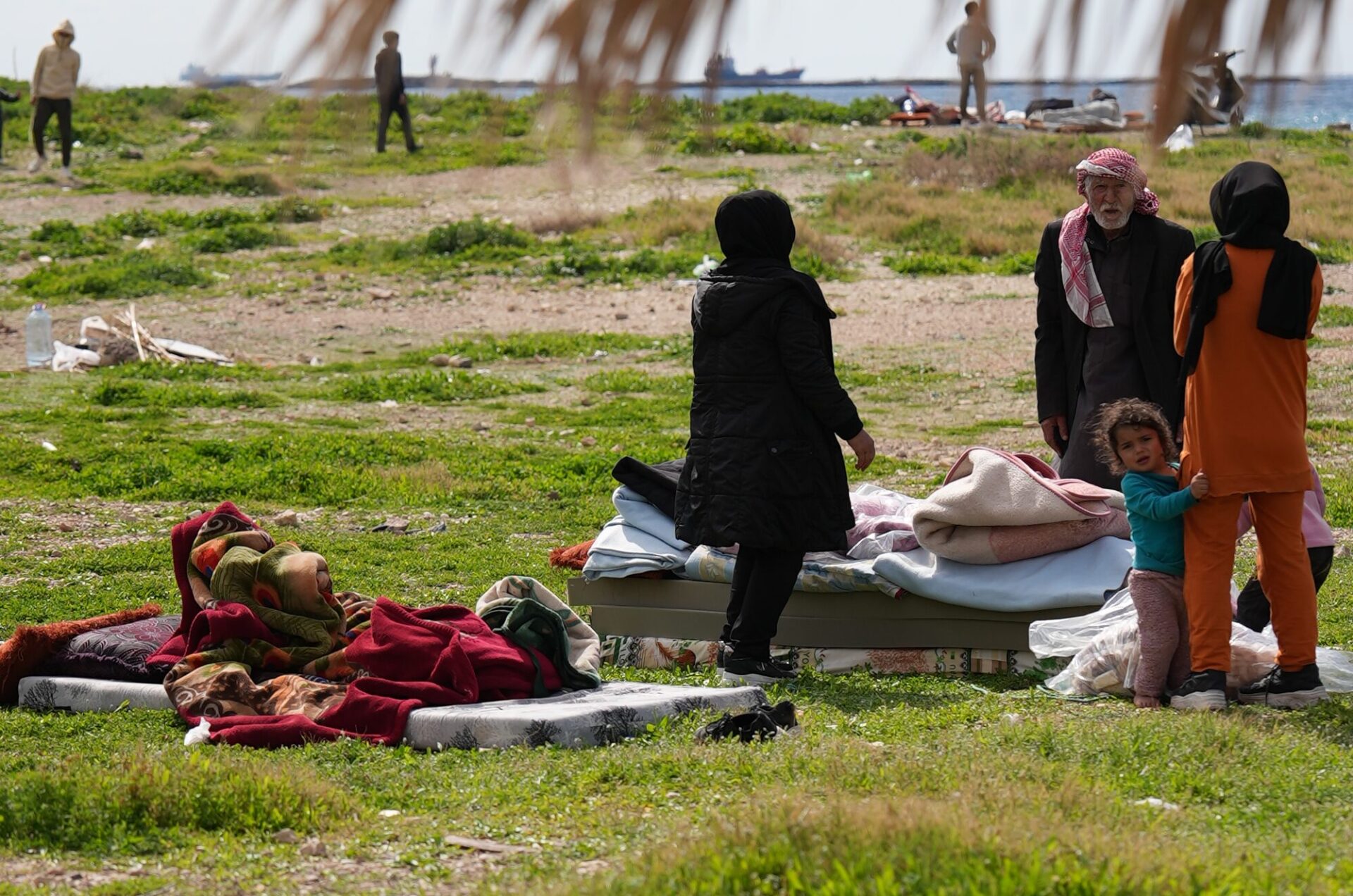
In March 2026, U.S. and Israeli strikes on Iran were followed by renewed hostilities along the Israel–Lebanon border. Hezbollah fired rockets into Israel for the first time since the 2024 ceasefire, prompting Israel to escalate its military operations in Lebanon. Hundreds of thousands of people fled their homes in southern Lebanon with airstrikes causing hundreds of deaths and thousands of injuries. Only a week into the war, an estimated 100,000 are sheltering in some 538 shelters across the country, many of them schools or temporary facilities, and humanitarian organizations expect these numbers to rise as fighting continues. In addition, more than 500,000 people have registered as displaced. Lebanese citizens as well as Syrian and Palestinian refugees have moved toward areas such as west and central Bekaa and Baalbek-Hermel in search of safety, placing additional strain on already limited resources and services.
Damaged infrastructure, displaced communities and disrupted education and livelihoods will only increase as conflict continues.
Massive Humanitarian Needs
Years of crises overlapping alongside escalations of conflict have left Lebanon facing one of the most severe humanitarian emergencies in its modern history, leaving many communities dependent on international aid and humanitarian organizations for essential support.
Families forced to leave their homes often end up in temporary shelters or overcrowded communities, struggling to access food, healthcare and other basic services.
At the same time, Lebanon hosts one of the largest refugee populations per capita in the world, including large numbers of Syrian and Palestinian refugees. Many live in informal tent settlements or crowded refugee camps with limited access to employment, education and healthcare.
More than half of Lebanon’s population now lives below the poverty line, and conditions are even more dire among refugees, the vast majority of whom require humanitarian assistance to meet basic needs. Food insecurity is widespread, with millions of people, including Lebanese citizens, struggling to afford the food they need to thrive.
Frequently Asked Questions
What is the demographic make-up of Lebanon?
Of the estimated 5.7 million people in Lebanon, nearly half live in the metro area of Beirut. Lebanon has the highest refugee population density in the world, made up mostly of Palestinian and Syrian refugees. There are 18 officially recognized religious communities (also referred to as confessions or sects) in Lebanon: five Muslim (Sunni, Shia, Druze, Alawite, and Ismaili), 12 Christian (Armenian Catholic, Armenian Orthodox, Assyrian, Chaldean, Coptic, Greek Catholic, Greek Orthodox, Latin Catholic, Maronite, Protestant, Syriac Catholic and Syriac Orthodox), and Jews.
Why does Lebanon host so many refugees?
Regional conflicts, especially the Syrian war, led millions to flee to neighboring countries including Lebanon.
Why is Lebanon’s economy collapsing?
A combination of debt, banking failures, corruption, and political instability triggered the crisis in 2019.
What happened in the Beirut port explosion?
Improperly stored ammonium nitrate detonated in August 2020, causing catastrophic damage and casualties. To learn more, read Anera's on-the-ground report: "Rebuilding Beirut: The World Responds After Blasts Rock Lebanon's Capital."
How Anera Responds to Humanitarian and Development Needs in Lebanon
In Lebanon, when conflict and displacement surge, Anera’s teams are among the first to respond, delivering emergency essentials like food, water, bedding and hygiene kits to families forced from their homes. During intensified hostilities, our teams have distributed meals directly to people sheltering in temporary spaces, ensuring that vulnerable families receive nourishment even when access is limited.
Anera also partners with local organizations across all of Lebanon’s governorates to strengthen community health and wellbeing. We deliver health and hygiene supplies, support prevention and treatment programs, and train community volunteers to respond to public health challenges in crowded camps and shelters. In northern Lebanon and the Bekaa Valley, home to large numbers of Syrian and Palestinian refugees, these programs help reduce the spread of illness and improve access to care for families who otherwise have limited services.
Recognizing that sustainable recovery goes beyond immediate relief, Anera supports longer‑term development efforts that enhance self‑reliance and economic opportunity. Our education initiatives provide children with access to learning through informal and remedial programs, while vocational training and livelihood support help youth and adults build skills that can translate into work and income. These efforts are often carried out with local partners, reinforcing community capacity and ownership.
Anera also engages in infrastructure and services projects that improve everyday life. In response to Lebanon’s electricity shortages, we have installed solar power systems at health clinics and community centers, reducing dependence on costly generators and ensuring reliable power for essential services. Water access projects, including the installation of tanks and water delivery in underserved areas, help families maintain safe drinking water and hygiene.
Across all of these interventions, Anera’s approach combines immediate humanitarian relief with sustainable development, focusing on dignity, resilience and local leadership. By working closely with community partners and adapting programs to evolving needs, Anera helps people in Lebanon survive crises today while building the foundations for a more stable and prosperous tomorrow.
Anera works across Lebanon to strengthen healthcare, education and livelihoods. Join us in supporting communities working toward recovery.

Further Reading About Lebanon
- Lebanon - Rapid Damage and Needs Assessment | World Bank
- Legacies of Lebanon’s 1975-1990 Civil War | Arab Center Washington DC
- Economic and Social Consequences of the Escalating Hostilities in Lebanon | UNDP
- Financial Crisis in Lebanon and How it Happened | Reuters, Edmund Blair
- Lebanon’s Chernobyl | New York Review of Books, Ursula Lindsey
- House of Stone | Anthony Shadid
Anera on-the-ground report series