Oct, 2025
“It’s what we grew up eating, the real taste of Masafer Yatta,” says Um Bilal. "The new generation hardly knows it now. Just like our dish, our land is slowly being erased.”
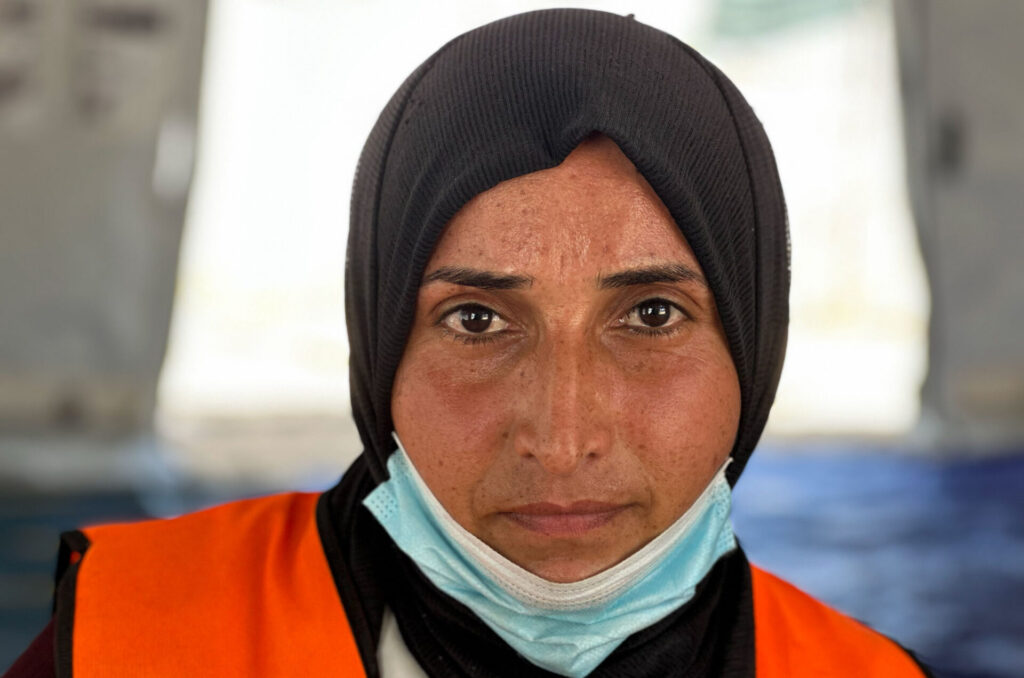
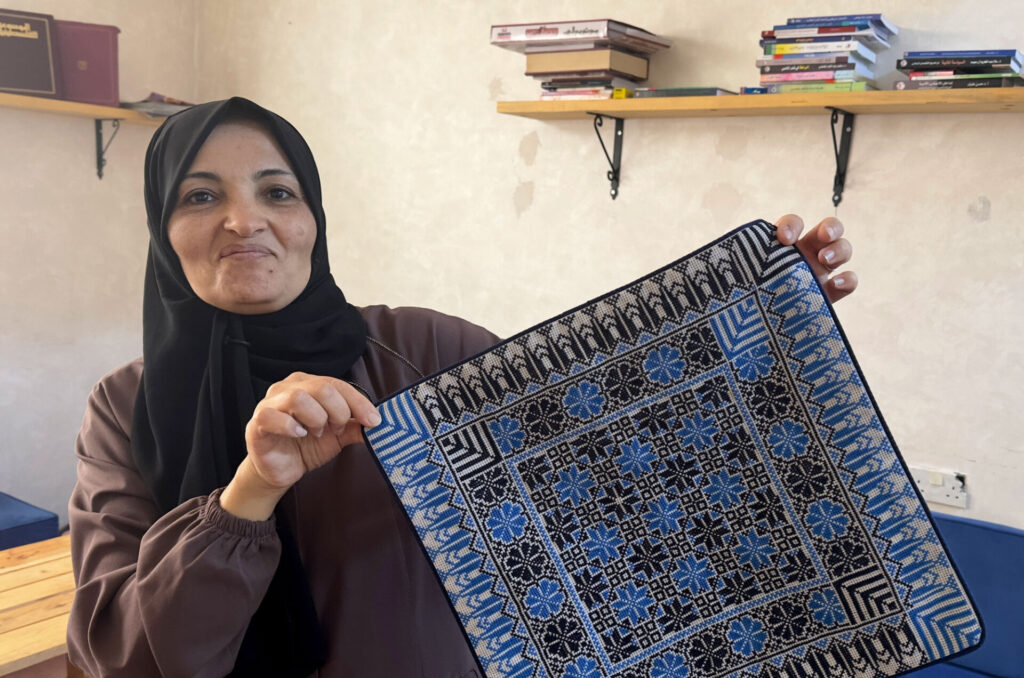
At 60 years old, Um Bilal is a mother of 11 children, most now married. She shares a small, makeshift home with her son’s family — nine people in total, including two children with disabilities. Most of her days are spent caring for her family and preparing traditional meals that remind her of home.
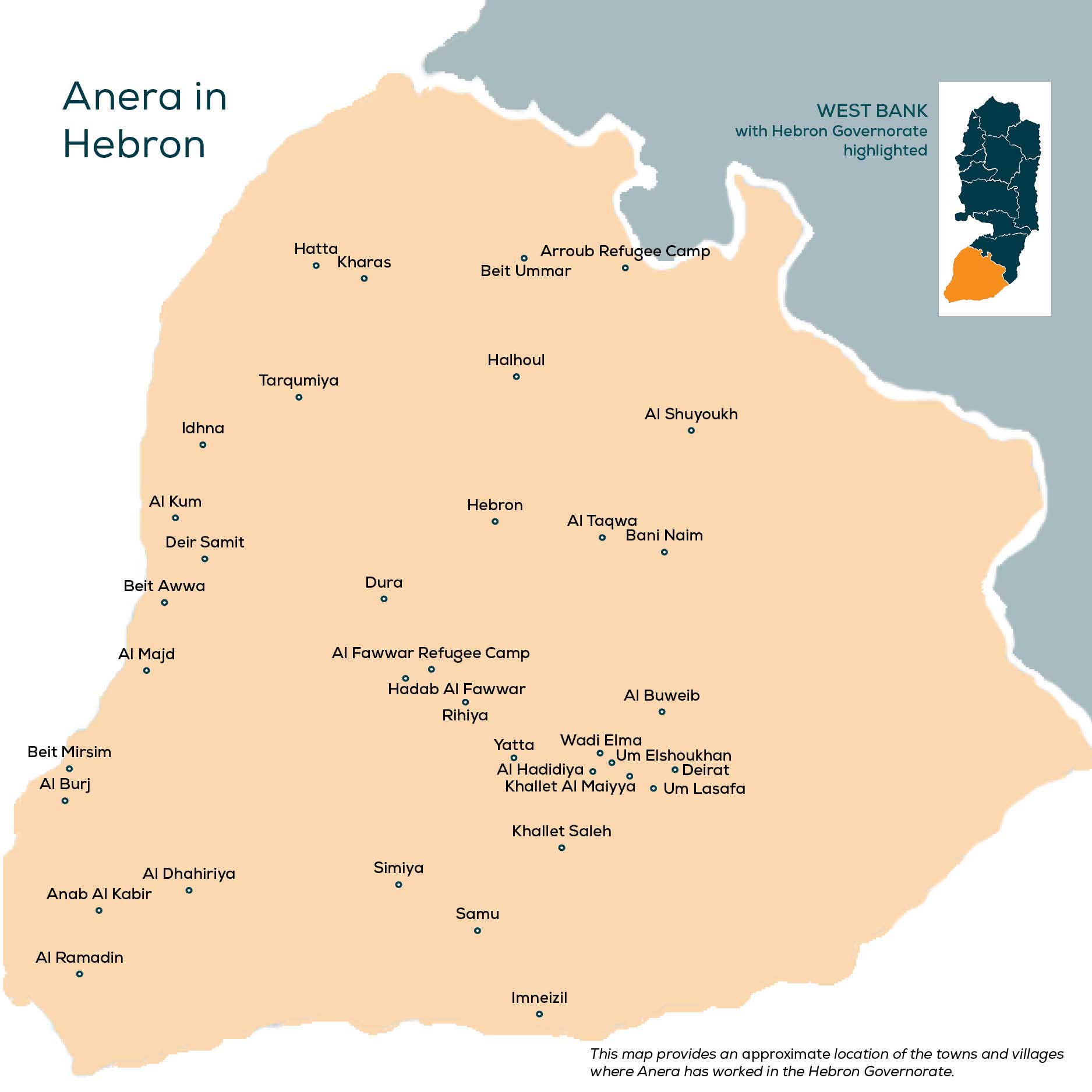
Um Bilal lives in Masafer Yatta, a cluster of 19 villages in the south of the West Bank, home to about 4,500 residents. The area is surrounded and separated by illegal Israeli settlements, leaving its people isolated and under constant threat of displacement.
Families here have long depended on herding and small-scale farming, but life has become increasingly difficult. Home demolitions, settler attacks, and displacement orders have become part of daily life, sometimes happening two or three times a day. The land available for herding has become increasingly limited, as settler attacks often prevent families from accessing their grazing areas.
Basic services are limited. Children walk long distances to school. Healthcare access is scarce. And even moving between villages can be a challenge.
For Um Bilal, these challenges hit especially close to home. Just a month ago, settlers stole 14 of her 26 sheep.
"Those sheep weren’t just my livelihood, I’ve raised them for years, and losing them feels like losing a part of my daily life," she says softly. “Every morning, we wake up wondering if our home or our animals will be safe.”

"Every morning, we wake up wondering if our home or our animals will be safe.”
To reach the nearest town, Yatta, for groceries, school or a doctor, Um Bilal walks 40 minutes across the hills, pausing several times because of her asthma. Harsh weather and scarce resources make daily life even harder. “The road is long, and my breathing is heavy,” she says. “But we keep going, this land is all we have.”
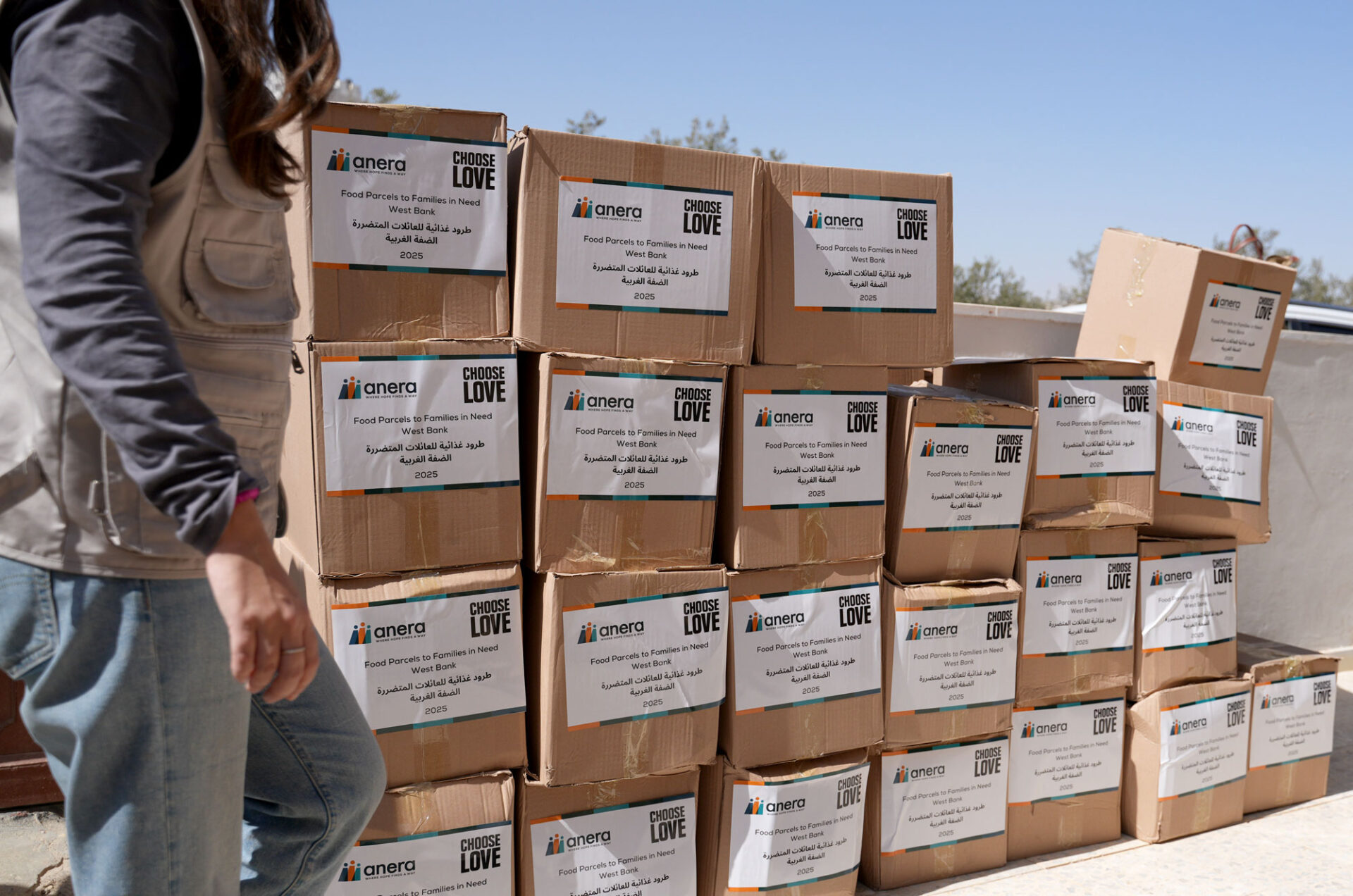
Despite everything, families like Um Bilal’s continue to hold on to their homes, their memories, and their recipes. To help them meet daily needs and ease the strain, Anera, with support from Choose Love, is delivering essential food parcels to households most in need. So far, we have provided nearly 2,000 parcels to some 10,000 people across six West Bank governorates. Each package has enough to put food on the table for five to seven days.
With the food parcel, Um Bilal can now cook jareesh, the traditional dish she loves most and what she considers the real taste of Masafer Yatta.
“I’m so excited. Now I can make it for my grandsons — Omar, Amin, and Ayman — it’s their favorite,” she says with a smile.
"Every time they ask for it, it’s like a piece of Masafer Yatta is being remembered and kept alive. If jareesh lives on in them, then maybe Masafer Yatta will too — its stories, its land, its people.”
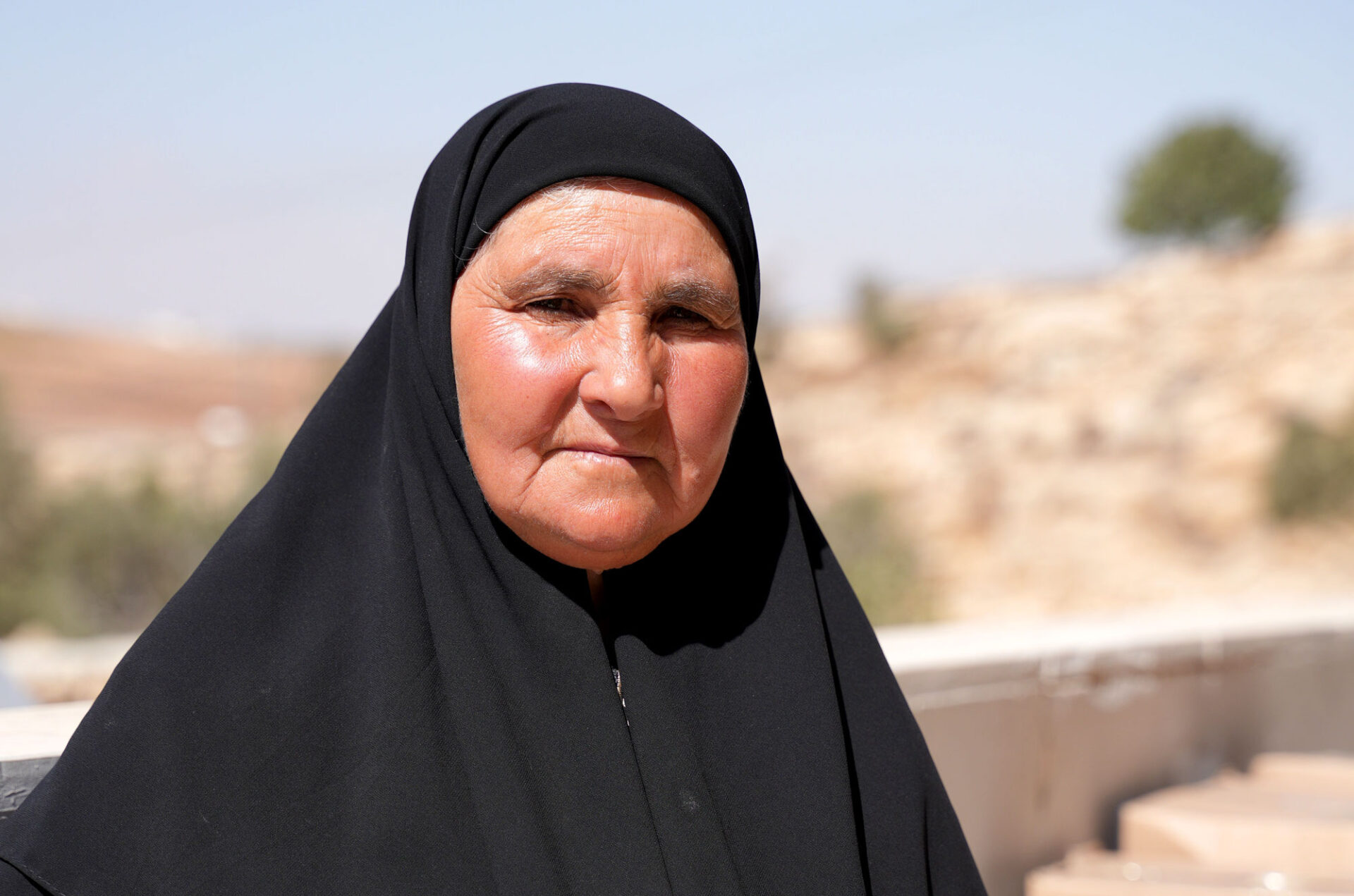
“If Jareesh lives on in them, then maybe Masafer Yatta will too — its stories, its land, its people.”
PLEASE NOTE: We’ve left jareesh a little mysterious on purpose. It’s a dish that sparks curiosity. By looking it up on search engines, learning about it, and sharing it, you help preserve this rich part of Palestinian cuisine. Every question, every search, keeps the story of jareesh alive for future generations.