Feb, 2026
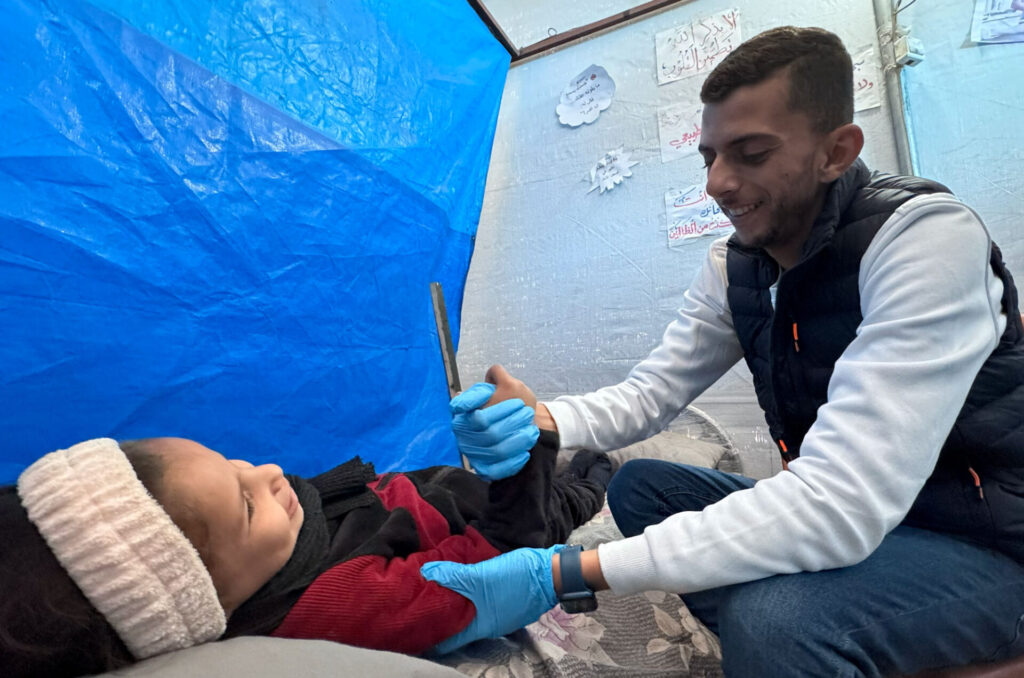
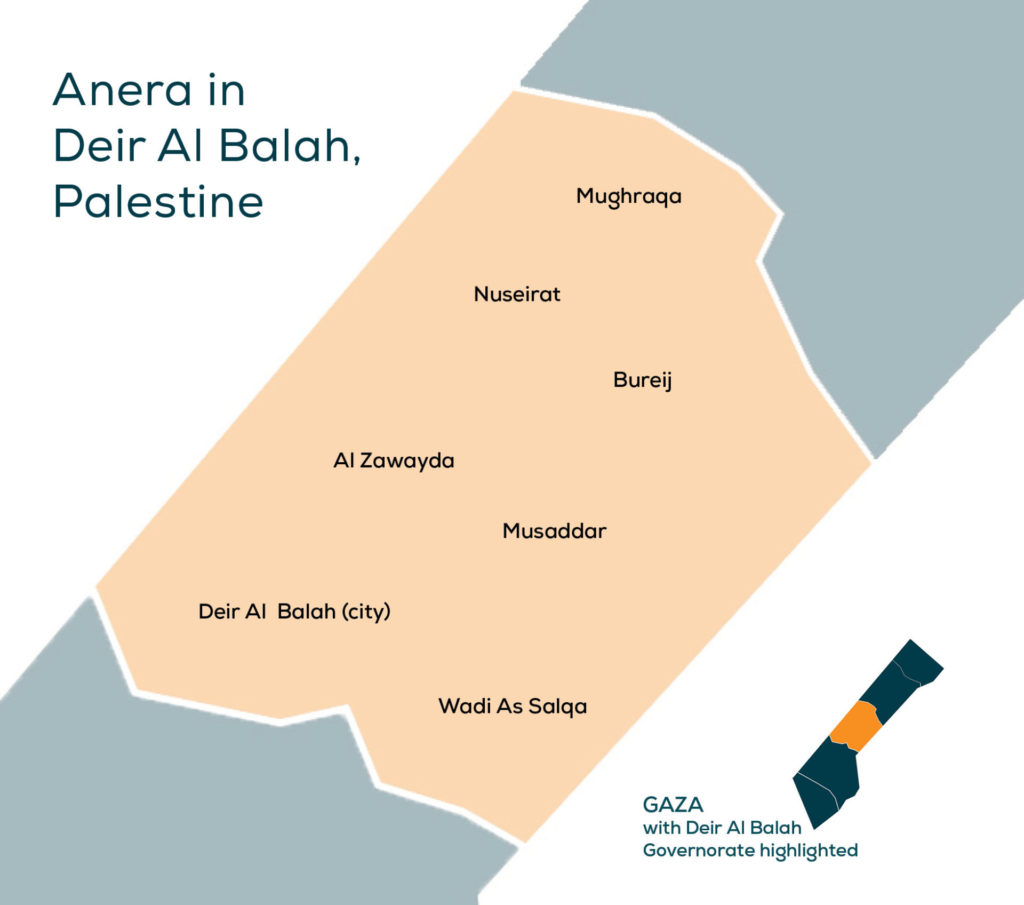
With support from Tearfund, Anera's physiotherapy clinic in Deir Al Balah is helping patients like Raeda regain function and health.
“Every time Raeda comes to the clinic, she wears her best clothes,” her mother says. “As if she knows this place gave her back her life.”
Raeda, eight years old, is from Khan Younis but was displaced to Deir Al Balah after her home was destroyed. While she was asleep, an airstrike hit their house. She was pulled from the rubble with a severe head injury.
She was taken to hospital unconscious. When she woke up days later, she could not recognize her family.
The right side of her body was completely paralyzed, and she could not speak. Doctors explained that the injury had affected both movement and speech.
“They told me her case was hopeless,” her mother says. “They said she would not walk or speak again.”
One day while Raeda was in the hospital recovering from her head injury, her father left to get her a blanket. On his way back, he was hit by an airstrike, leaving him badly injured. He was admitted to another ward in the same hospital as his daughter.
For a time, father and daughter were patients in the same hospital. Raeda’s mother was moving between wards, caring for her injured child while waiting for updates about her husband.
He passed away a few days later. The family was devastated.
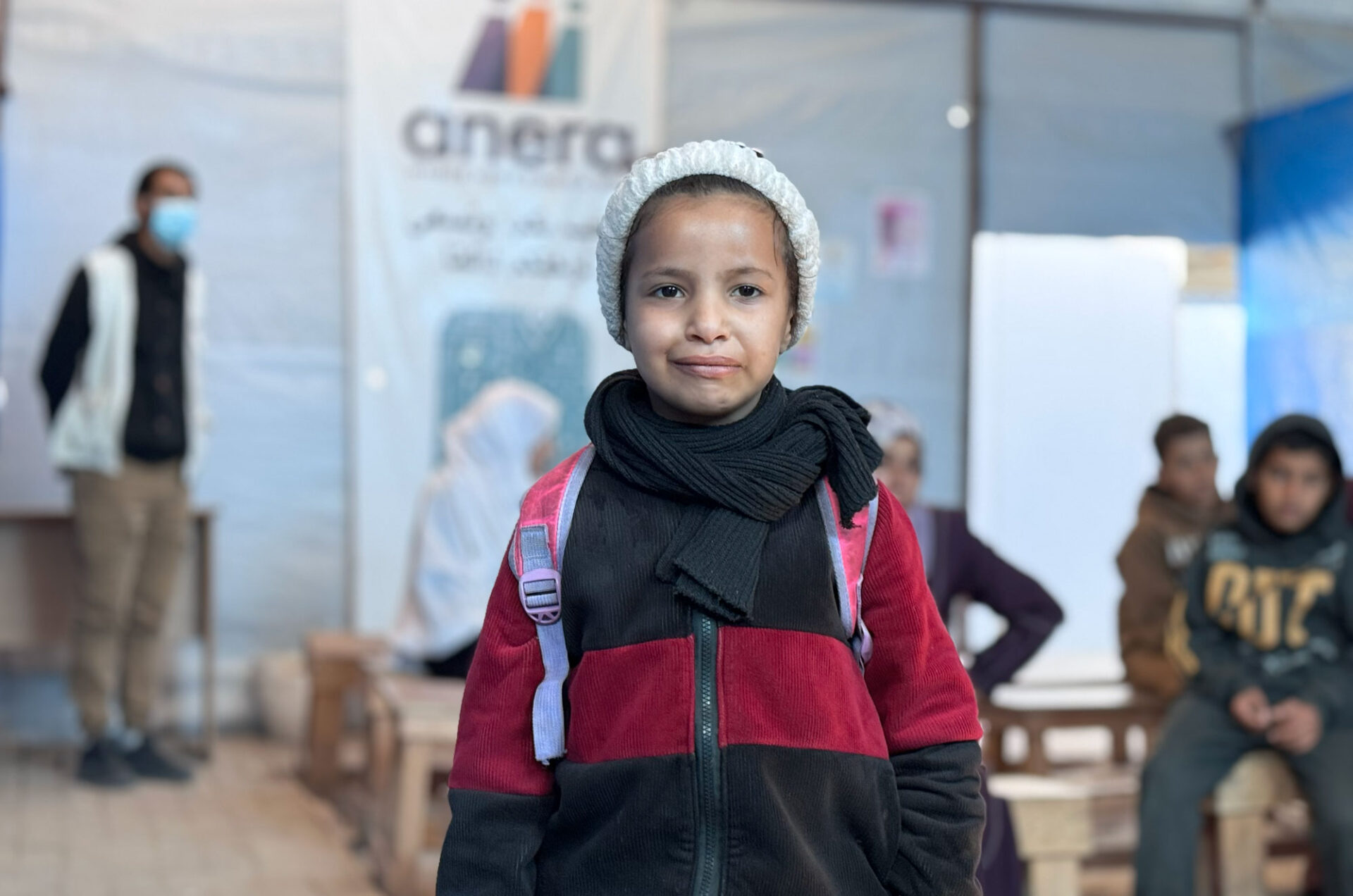
Raeda was eventually discharged from the hospital, but she was far from healed. Her mother searched for rehabilitation services across Gaza.
Many organizations refused to take her case. Some said their projects were funded for only one or two months. Others told her directly that Raeda’s condition would require long-term care and that improvement was unlikely. “They told me not to expect anything,” her mother says.
Eventually, Raeda was referred to Anera’s clinic in Deir Al Balah, supported by Tearfund, a Christian development charity. A physiotherapist at our clinic assessed her condition and recommended daily therapy rather than the standard three sessions per week.
“He said she needed treatment every day,” her mother recalls. “Not three times a week.”
Although his official workday begins at 8 a.m., the physiotherapist arrived each day at 7:30 a.m. to work with Raeda. He began doing this in light of her condition and the need for consistency.
At first, progress was limited. Raeda struggled to sit, then to stand. Her right side remained stiff and unresponsive. Over time, the daily sessions led to movement returning gradually — first in her hand, then her leg.
After three months, Raeda was able to walk independently. Her speech also began to return, moving from sounds to words, then full sentences.
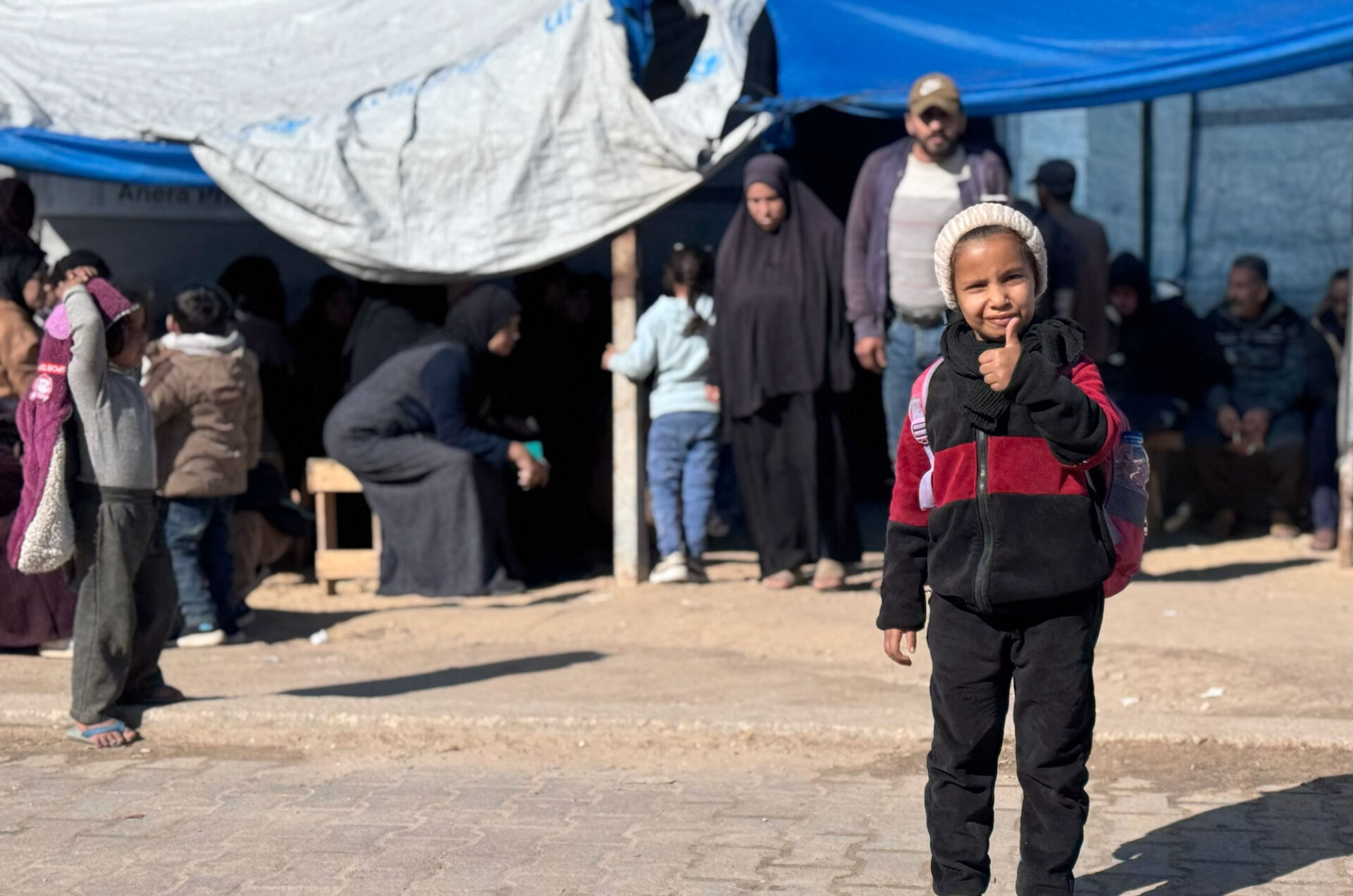
“When she started talking, I remembered what they had told me earlier in the hospital,” her mother says. “That she would never speak again.”
Today, Raeda walks into the clinic on her own. She speaks clearly and follows conversations. Before each visit, she gets dressed up. After years of war and displacement, Raeda now has few clothes but carefully chooses the best of what she has.
“She always wants to look her best,” her mother says.
For her mother, the change was not only physical. “They didn’t see her as a hopeless case,” she says. “They treated her like a child who deserved care.”
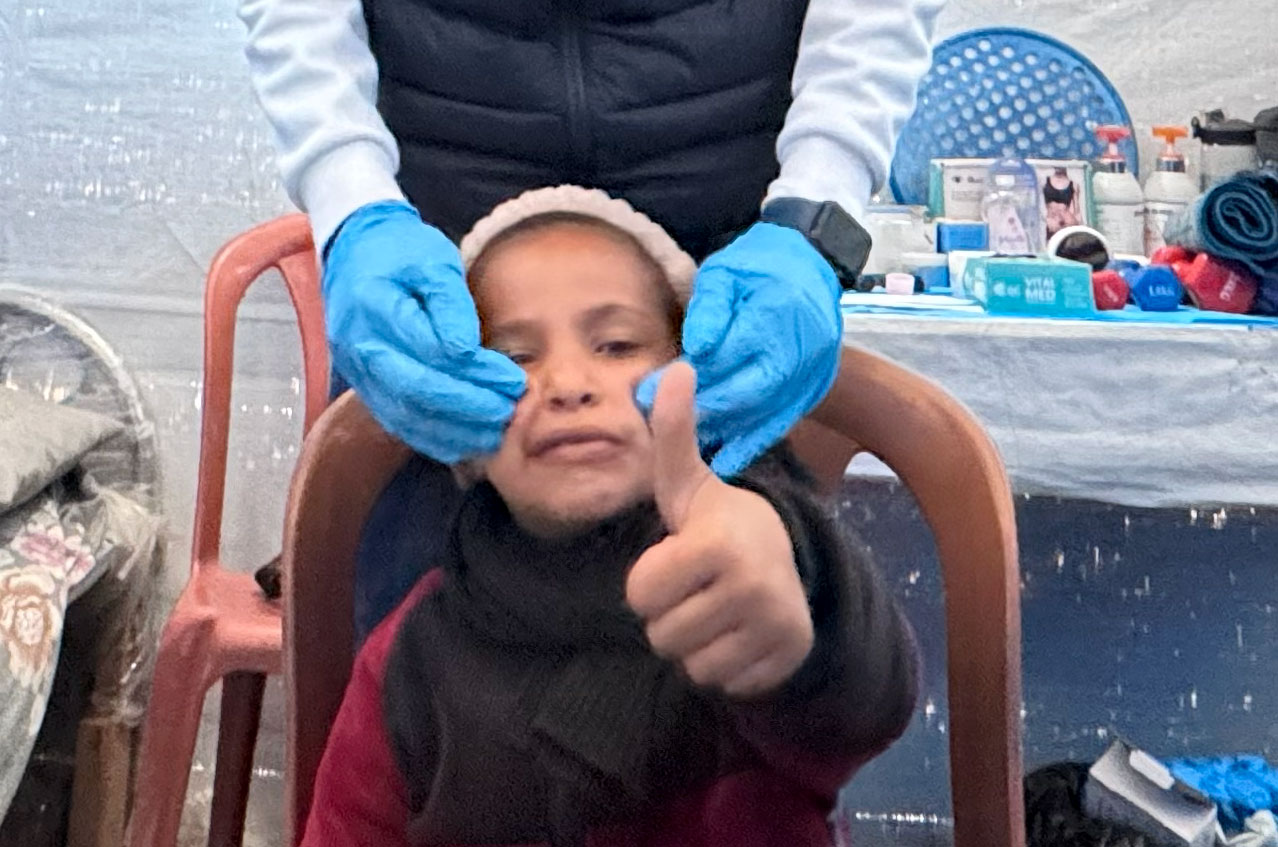

“They didn’t see her as a hopeless case. They treated her like a child who deserved care.”