Mar, 2026
With support from Tearfund, Anera’s interventions at primary healthcare clinics help give patients like Bara'a a chance at life.
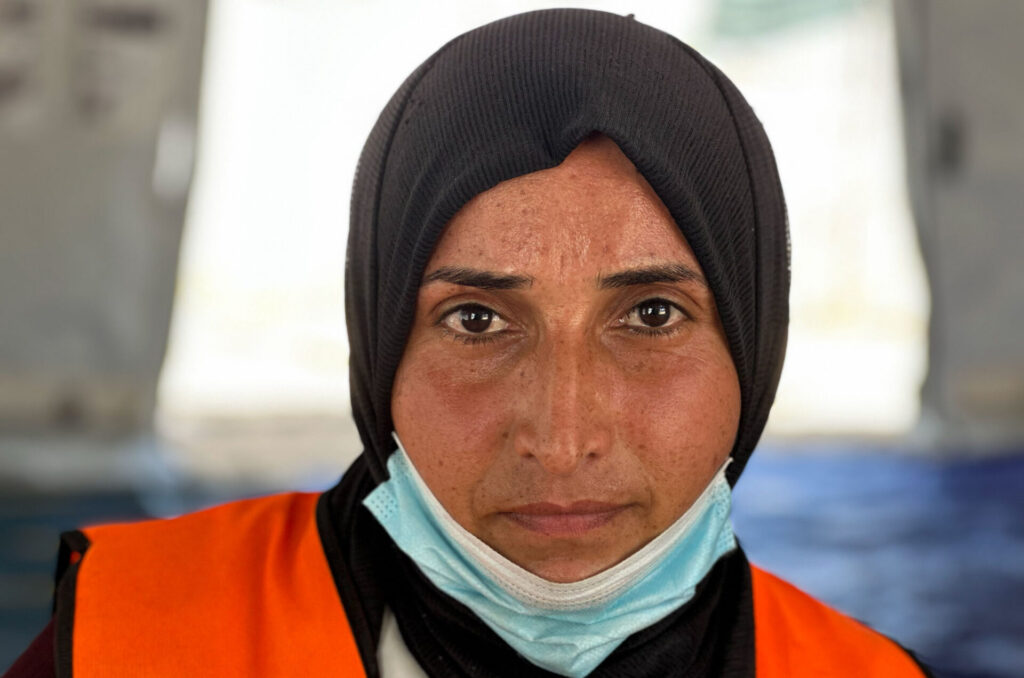
“I didn’t know how I could feed her,” Randa, 36, says of her daughter, Bara’a. “Hunger was everywhere. My own body had no strength and I couldn’t produce milk. I felt helpless.”
Bara’a is 11 months old and lives with her family in a tent in Gaza. In July 2025, when she was just four months old, she was healthy and breastfeeding normally — but the forced starvation and mass food shortage changed everything. The family became malnourished, Randa’s body weakened, and her breast milk stopped, leaving Bara’a without her primary source of nutrition.
“My body had nothing left to give her,” Randa says. “I would hold her, and she would cry, and I would cry with her. I couldn’t feed my own baby.”
Desperate to keep her four children alive, Randa tried to create something, anything, that felt like food. “I boiled water and added spices to make fake food for my children,” she says. “Sometimes we only had one meal a day. Sometimes even that felt impossible.”
Bara’a’s health quickly deteriorated. From four to six months old, she remained at just 8.8 pounds (4 kilograms) and was unable to feed properly. She was hospitalized three times.
“I watched her getting smaller,” Randa says. “She wasn’t growing. She wasn’t getting stronger.
“Every day I woke up in fear. I would check her breathing, touch her chest to feel her heart. I lived in constant fear that one day I would wake up and she wouldn’t be there.”
The aftermath of the famine did not end when food became available again. Losing her mother’s milk at such a critical stage reshaped Bara’a’s feeding and growth.
“Even when food started to return, my milk didn’t,” Randa says. “My body didn’t recover. And she never went back to feeding from me. From that moment, everything changed for her.”
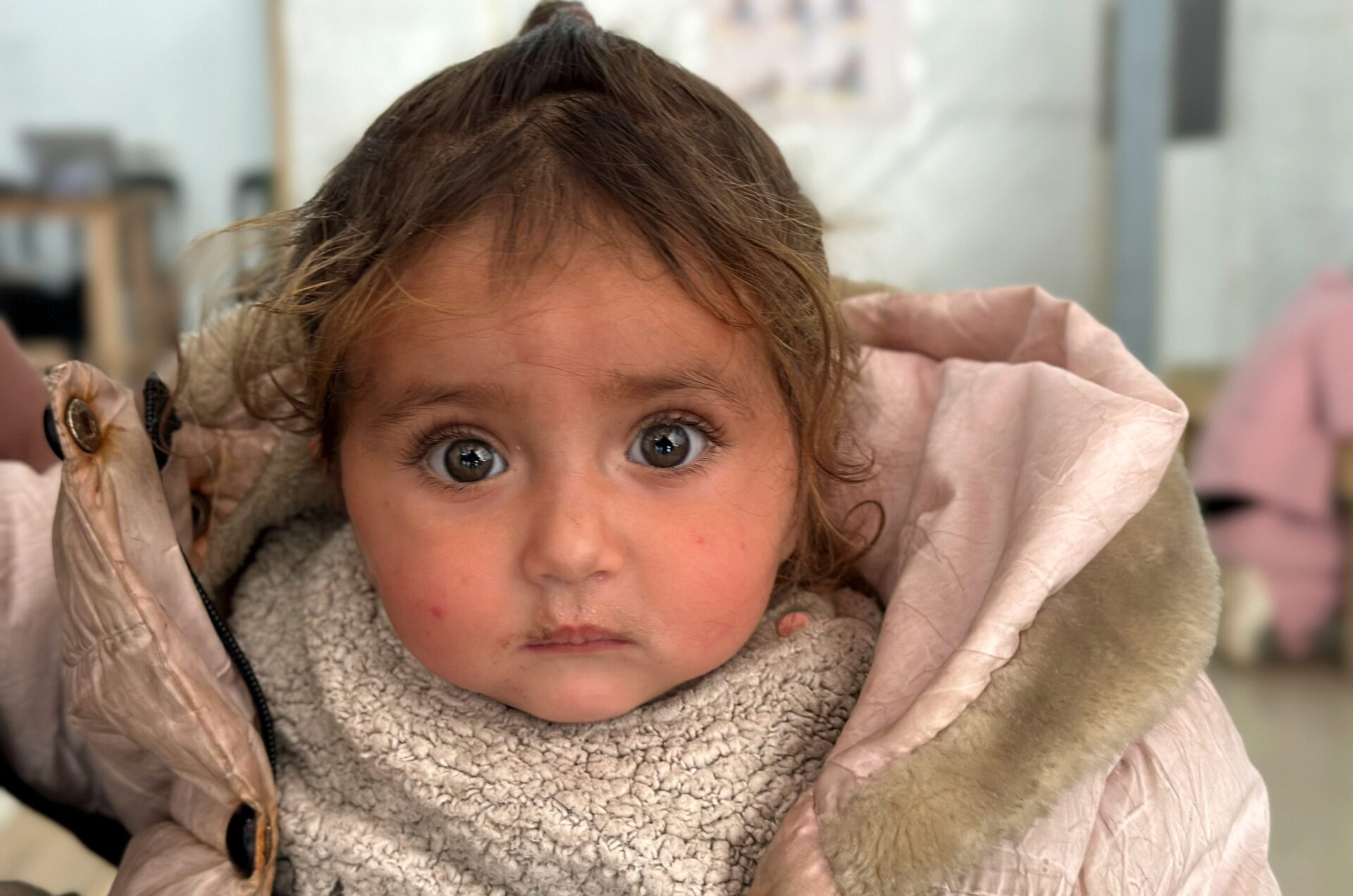

“I didn’t know how I could feed her... My own body had no strength, and I couldn’t produce milk. I felt helpless.”
Through Anera’s intervention at primary healthcare clinics, funded by Tearfund, a Christian development charity, Bara’a began receiving nutritional supplements and fortified high-energy biscuits. Randa was guided on how to feed her daughter the supplements, support her recovery and continue care inside the tent.
“They showed me how to feed her properly,” Randa says. “They taught me how to give her strength again. For the first time, I felt like I wasn’t alone.”
Slowly, Bara’a began to respond. Her body started absorbing nutrients. Her energy returned. Her weight increased.
“Every day I looked at her, I saw change,” Randa says. “Her face became fuller and her body felt warmer in my arms. She started moving more, and laughing.”
In just one month, Bara’a gained three kilograms. She now weighs 15.5 pounds (seven kilograms) at 11 months old. She is stronger, more active, able to sit and interact normally for her age.
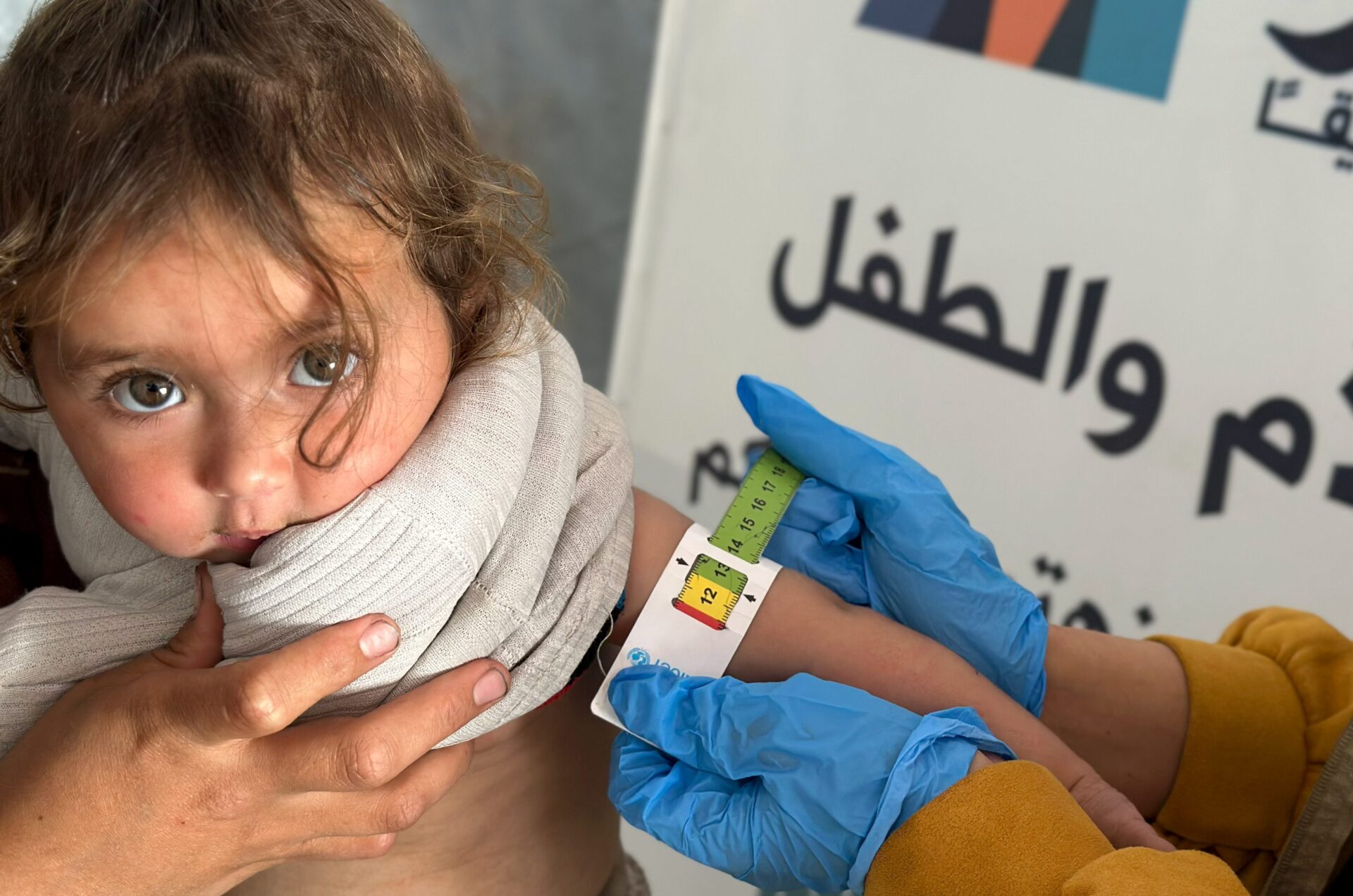
In emergency conditions, where families are malnourished and food is scarce, access to consistent nutrition and health services can mean the difference between life and death, and between permanent harm and thriving.
“She doesn’t even have teeth yet, and every time I feed her, I check to see if they’ve come in. I hope for the day she can bite and chew like other children,” Randa ends.