Jul, 2025
Anera's Qurbani project, with support from Islamic Relief USA, provides food aid to displaced Palestinians families.
When Eyad reflects on his life just a year ago, he describes it in one word: comfortable. At 53, he had built a solid life for his wife and five children in Nour Shams refugee camp in the northern West Bank. He worked in construction inside Israel, making a decent income and investing all he was able to save into building a modest home in the camp — a place of bustling social life, tight-knit neighbors, and shared hardships eased by community warmth.
Today, that life feels like a distant memory.
In January 2025, Israeli military operations intensified across the West Bank, and Nour Shams became a regular site of violent incursions. Eyad’s home was one of many destroyed during a raid. The family fled with whatever they could carry.
“I spent years building my house with my life savings,” Eyad says, his voice quiet. “People saw it as just walls and a roof, but it was more than that. It was our history, our safety. Now it’s rubble.”
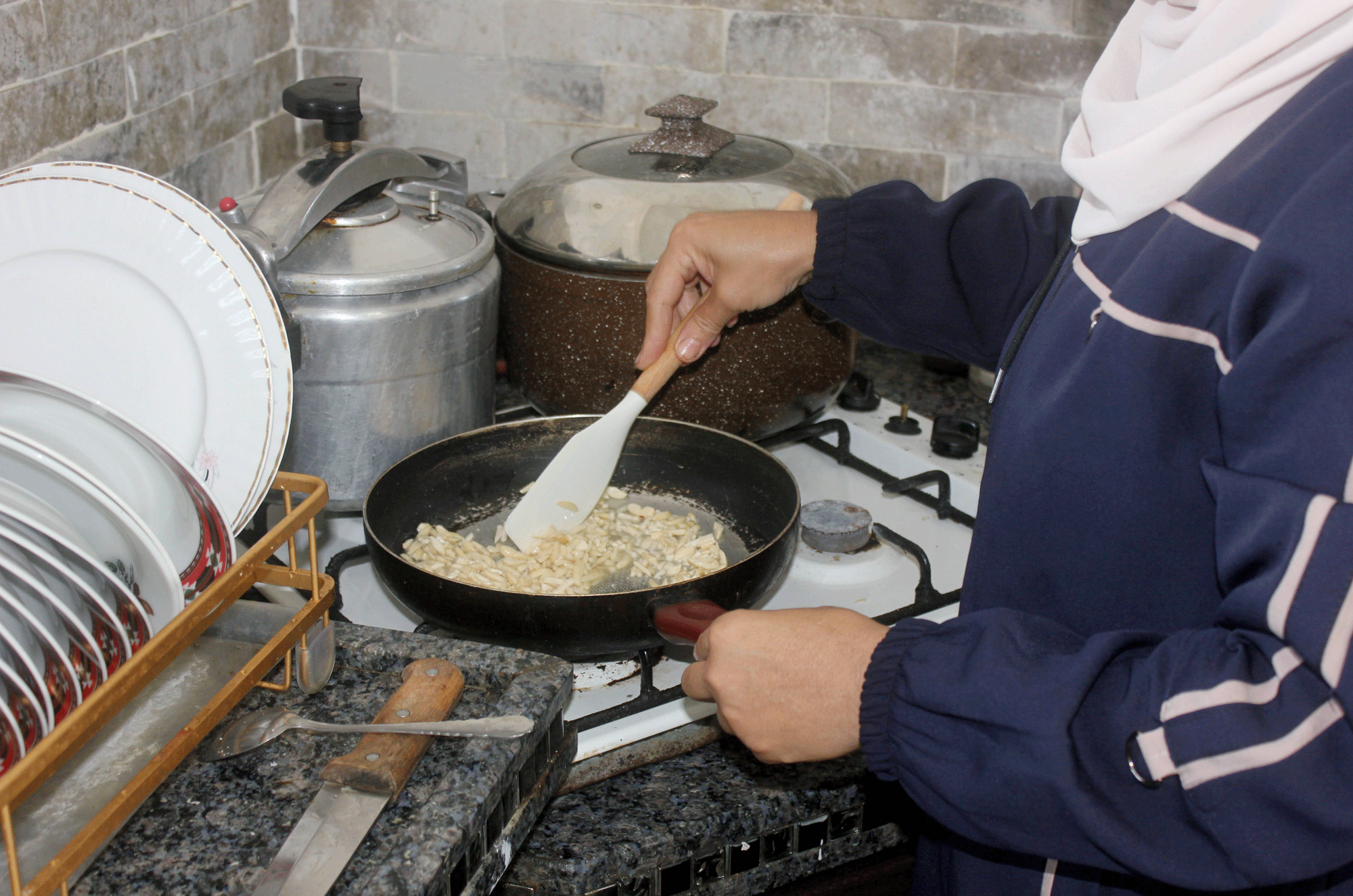

"It was our history, our safety. Now it's rubble."
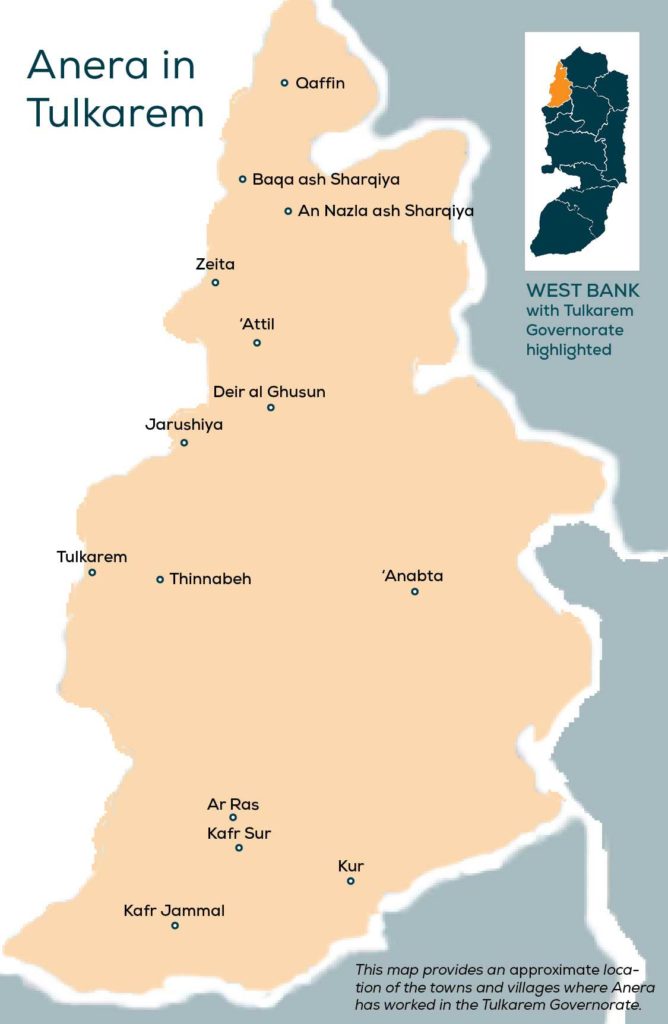
Since then, his family has been living in a cramped one-bedroom apartment in the village of Deir Al Ghusun, just north of Tulkarem. The rent is 1,000 shekels ($300), which Eyad used to easily be able to earn with his construction work. But when the war in Gaza began inn October, 2023, Israel revoked all Palestinian work permits. Eyad, like tens of thousands of others, suddenly found himself jobless.
“Now I take whatever work I can get, mainly cleaning schools and other buildings. There’s nothing wrong with it, but I’m not used to it,” he says. “Still, it feeds my kids. That’s what matters.”
The family is trying to adapt to their new reality, but Deir Al Ghusun feels foreign. They don’t know their neighbors, and most of their old friends from the camp are now scattered across the northern West Bank. Without a car, visiting them is very difficult.
“Even though Nour Shams is a refugee camp, life there was good,” Eyad explains. “Everyone knew everyone. It was noisy, crowded, but full of life. Here, we’re strangers. We’re starting over. Again.”
This year’s Eid al-Adha was especially difficult. Red meat, central to the holiday’s rituals and meals, has become a luxury. Prices have nearly doubled and, like many displaced families, they had resigned themselves to a meatless celebration.

"Here, we're strangers. We're starting over. Again."
“If you know Arabs, you know they love their meat,” Eyad says with a tired smile. “And we are no exception. But this year, we couldn’t even dream of it.”
That’s when Anera’s Qurbani project delivered. Through local partnerships and generous donations, Anera distributed parcels of fresh, halal meat to thousands of displaced and impoverished families across the West Bank, including Eyad’s.
“When we received the parcel, it was like a blessing,” Eyad says. “It came at the perfect time, just when we were craving some meat but couldn’t afford it. My kids were so happy. It reminded us of better times.”

But not everything can be improved through a hot meal.
Eyad’s youngest son, 17, suffers from kidney disease and developmental challenges. Though he’s had surgery in the past, he still requires special care and struggles to understand the chaos of the last year.
“Mentally, he’s like a 10-year-old,” Eyad says. “He doesn’t understand why we can’t go home. He wakes up in the night screaming from nightmares about the soldiers. I don’t know how to help him.”
It’s a heavy burden for a father who once prided himself on providing everything his family needed.
“I was always the man who provided,” he says. “Now, I have to rely on others. It’s hard to accept help. But what else can I do? I want to be a better father, a better husband. But I can’t change the circumstances I’m in.”
"I want to be a better father, a better husband. But I can't change the circumstances I'm in."
The family’s story is just one among thousands across the West Bank, where cycles of displacement, poverty and violence continue to unravel lives. Though humanitarian support can’t rebuild a home or restore lost years, it can bring moments of relief and dignity.
Eyad’s roots go deeper than Nour Shams. His grandfather was born in the now-destroyed village of Subbarin, near Haifa. Though he’s never seen it, Eyad says he can picture it vividly in his mind, from the stories passed down through generations.
“I’ve never been to Subbarin, but I know it in my heart,” he says. “We’ve been displaced again and again. I just want to live like a normal person.”
He pauses for a moment, looking out the small window of their temporary home.
“My advice for everyone is: ‘Do not take anything for granted no matter how big or small. Pray for us,’” he adds quietly.
Through the Qurbani project, with support from Islamic Relief USA, Anera was able to share a small but meaningful gift with Eyad and thousands like him, helping preserve joy, tradition, and dignity during the hardest of times.
This program is funded by Islamic Relief USA