Feb, 2026
“Where tomatoes once grew, families’ children now sleep. I work on the other plot.”
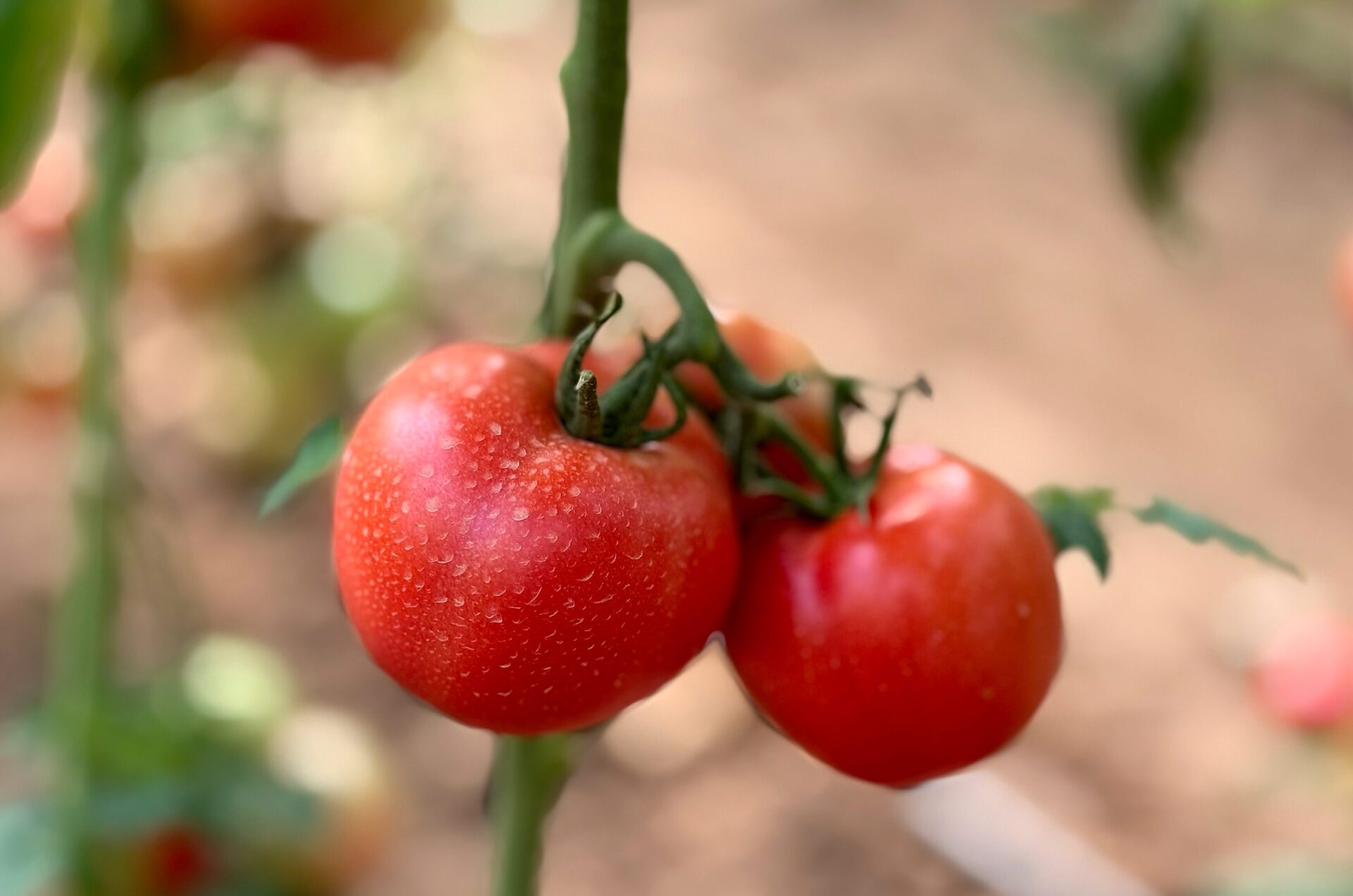
Issam, 60, is from Deir Al Balah and a father of three. He has spent most of his life farming tomatoes and hot peppers in a greenhouse to support his family.
Before the war, Issam farmed two dunums (half an acre) of land. When displaced families arrived during the war, they settled on one dunum, living in the greenhouses there.
“They came with nothing,” Issam says. “Even if it was only plastic, at least they had a roof over their heads.”
Across Gaza, over 92% of homes have been damaged or destroyed, leaving most people displaced. For Issam, it meant strangers now lived on land he had worked for decades, carving a home out of the hot, humid greenhouses. He had no problem with it, as long as it helped people.
“If my land can give someone a safe place, that is enough for me,” he says.
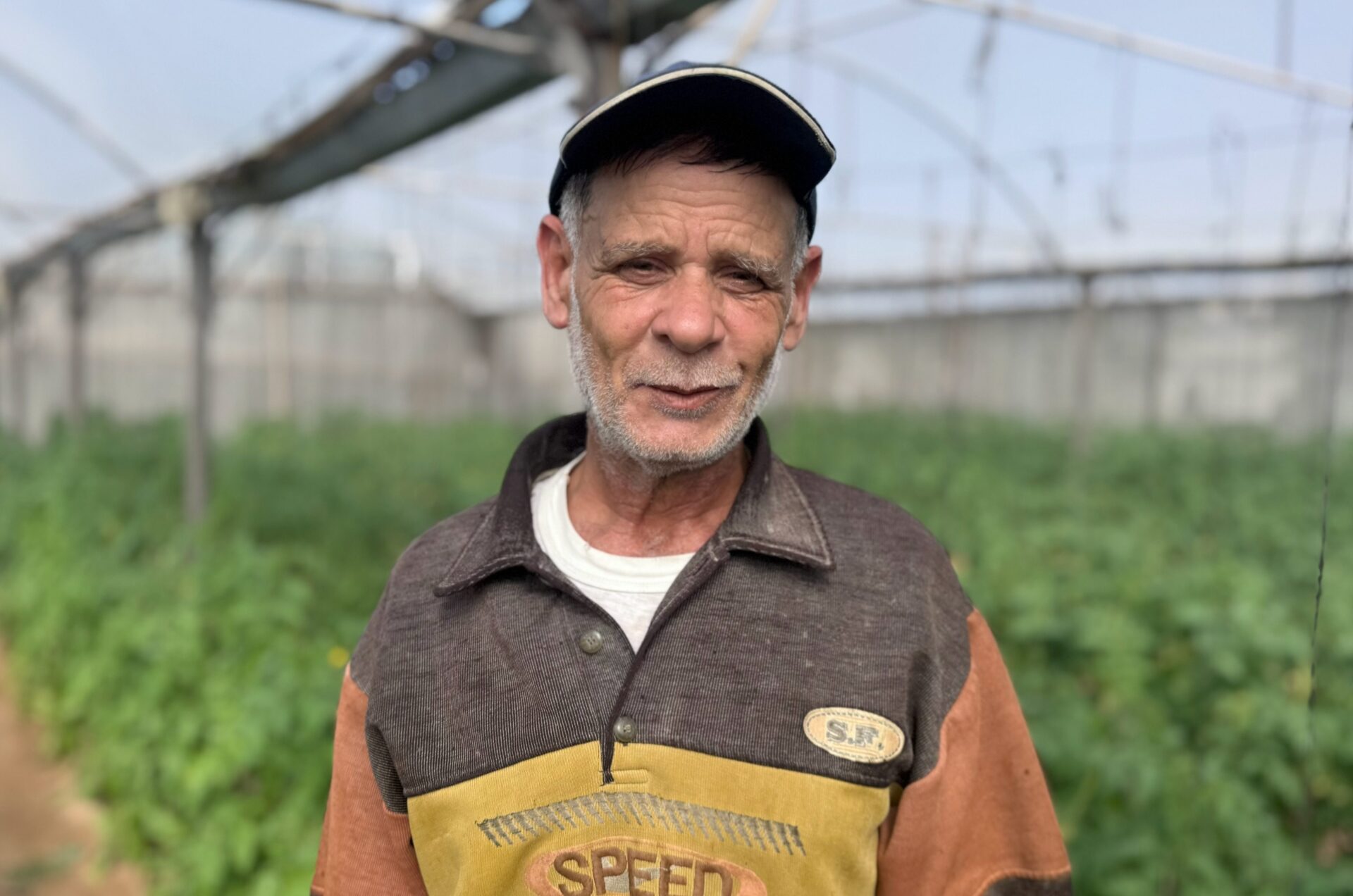

“If my land can give someone a safe place, that is enough for me.”
While he offered shelter to others, Issam did not escape the destruction caused by shelling. Much of his house was destroyed, and the upper two floors of his three-story home were leveled, leaving the family to live on the lowest floor, which leaks during winter rains.
“We move things around when it rains,” he says. “It’s not perfect, but at least we still have a place to live.”
His greenhouse was also hit, leaving damaged structures and unusable space that he later had to clear and rebuild.
“At 60, I lost almost everything,” he says. “My house, my greenhouse, the land I worked for decades. You know, most people my age would be resting, enjoying what they built. I had to start again.”

Even the remaining land has its challenges. Farming is Issam’s only livelihood, and the war has made everything more expensive and harder to access.
“You need money before you even put a seed in the soil,” he says. Issam says one meter of greenhouse plastic used to cost 12 shekels (about $4). Now it costs 70, almost six times more. One greenhouse needs 1,000 meters. Tomato seedlings that once cost 330 shekels ($106) per 1,000 now cost 3,000, nine times more expensive.
“You spend everything just to plant,” he says. “Then you pray to God the plants survive.”
Through support from Anera, funded by the Big Heart Foundation, Issam returned to farming on his remaining land. Anera provided greenhouse plastic, pesticides, and plant medicines, and offered training for farmers on crop care and pest protection.
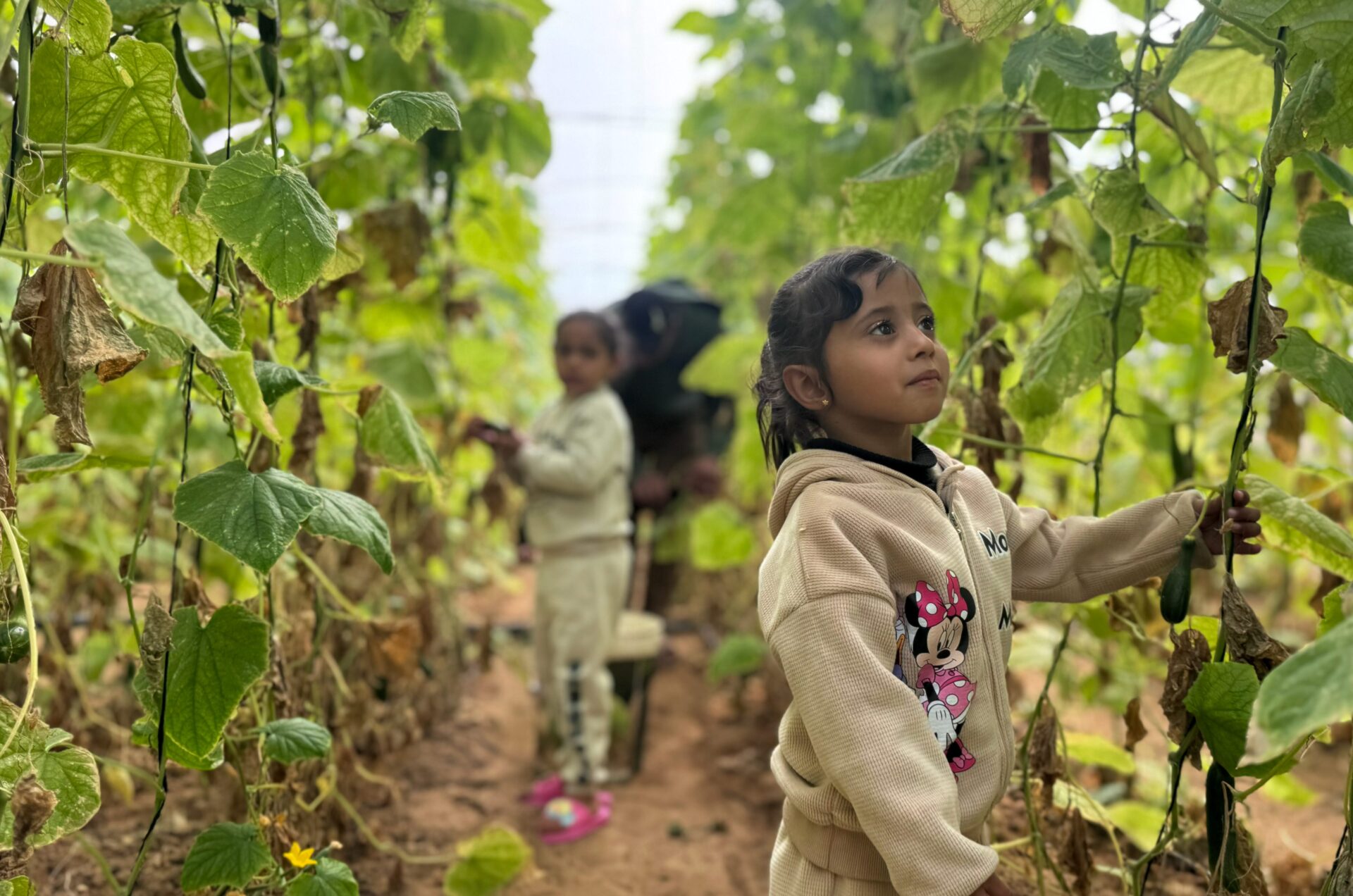
“The training was useful because we learned from each other,” Issam says. “We shared our struggles and practical solutions.”
Issam spends his days tending the land that remains, planting tomatoes and hot peppers. From his harvest, he makes shakshouka, his favorite dish, which he cooks and eats once or twice a week.
After all these years, this land has become part of him, and caring for it is as natural as caring for his own family. “This land is all I have left, and I simply love it.”

“This land is all I have left, and I simply love it.”
PS: If you’re interested in shakshouka, here’s Issam’s recipe:
“I like it simple,” he says. “I take five tomatoes and two hot peppers from my greenhouse, chop them, and fry them a little in olive oil.
"Then I break three eggs on top and cover the pan until they’re cooked. A little salt, a little black pepper. That’s it. That’s my meal.”