
Anera Regional Update From Lebanon, Palestine and Jordan
 by Anera
Posted in: News
Across Lebanon, Palestine and Jordan, conditions are shifting rapidly. Escalating insecurity, economic strain and access constraints are reshaping daily life – and humanitarian response – across the region. Anera’s teams are continuing to adapt in real time to meet growing and evolving needs.
Lebanon
In Lebanon, the escalation of warfare has increasingly cut off areas south of the Litani River from the rest of the country, including Tyre and surrounding communities. These areas are becoming progressively harder to reach, raising serious concerns about access to aid and basic services.
Reports from Palestinian camps – including Al Bass, Rashidieh and Burj Shamali – indicate that many residents have not evacuated despite official orders. The same is true in nearby Lebanese towns and villages, where families remain in place even as risks grow. As routes are disrupted, movement is restricted and access to assistance is becoming more difficult.
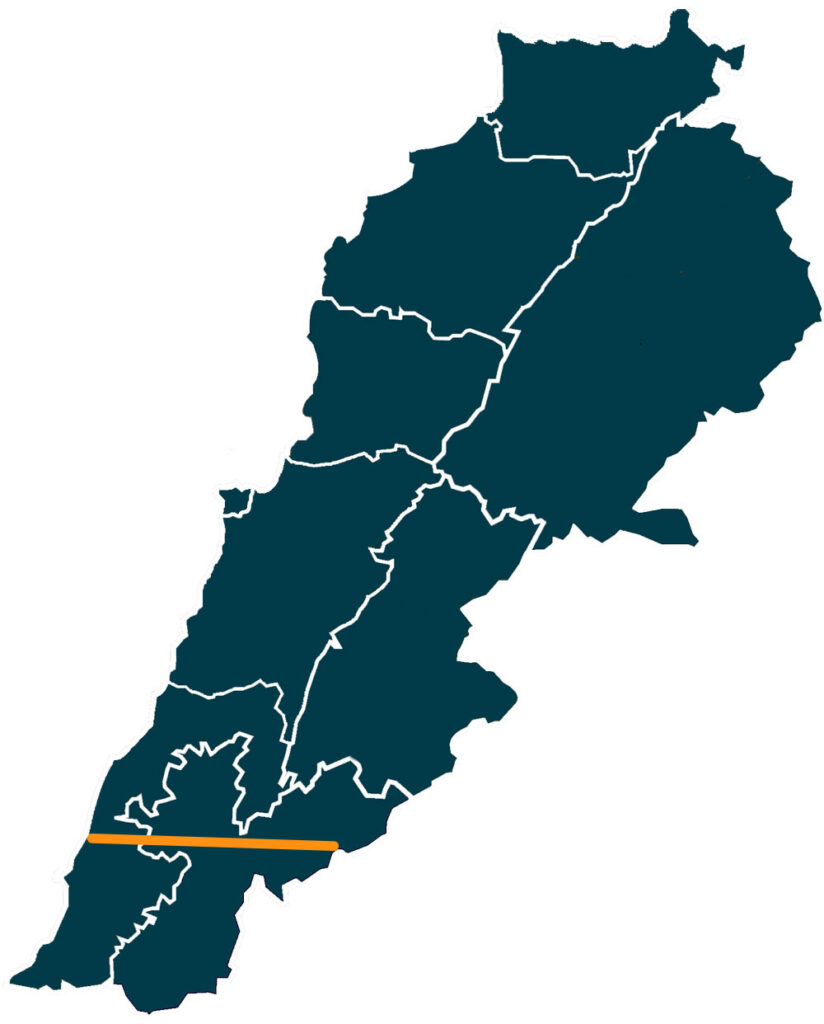
Despite these challenges, Anera has already reached approximately 11% of Lebanon’s displaced population, with plans to scale up to 20% in the coming weeks. The organization is also supporting roughly a quarter of the country’s internally displaced persons’ shelters.
As it becomes clear that the war may be prolonged, Anera is shifting toward more sustainable interventions, particularly in areas that may remain cut off for extended periods. Water systems are a key priority. In addition to bottled water and trucking, Anera is installing 30 filtration systems in shelters to provide consistent access to safe drinking water while reducing reliance on repeated deliveries and overuse of plastics. At the same time, in the area of sanitation, our efforts are focused on rehabilitating existing facilities rather than installing costly temporary units.
To prepare for further fragmentation, Anera is prepositioning contingency stocks across Saida, the Bekaa Valley and northern Lebanon, in coordination with partners such as OCHA. These measures are critical in a context where a single strike on infrastructure could isolate entire regions overnight.
Palestine
Across the West Bank and Jerusalem, Anera’s staff report a marked escalation of the war. Air raid sirens, interceptions and falling debris are happening across multiple areas, including Ramallah, where fragments have caused damage in residential neighborhoods. The frequency and intensity of these incidents have increased noticeably in recent days.

At the same time, the broader environment remains highly volatile. Rising settler violence continues to affect communities, with attacks reported in areas such as Jerusalem’s Silwan neighborhood and repeated incidents in villages like Al-Mughayyir, near Ramallah. Movement restrictions are tightening, with checkpoints and closures continuing to limit access and disrupt daily life.
Education and livelihoods are also affected. Schools in Jerusalem remain closed, and universities across the West Bank have shifted to online learning as students are unable to travel. Economic pressures are mounting, with many households facing income disruptions.
In Gaza, conditions have slightly improved compared to previous weeks, with communities supporting one another to meet immediate needs. However, the situation remains fragile. Heavy rainfall has created new risks, particularly in displacement camps in low-lying areas such as Jabalia, where flooding is exacerbating already difficult living conditions.

There are tentative signs of movement at crossings. The reopening of the Rafah crossing into Egypt has been reported, though details remain unclear. Meanwhile, the Kerem Shalom crossing into Israel continues to operate at similar levels, allowing aid into Gaza but not yet at the scale required.
Anera’s programs across Palestine are continuing and evolving. While teams are actively delivering aid in the form of food, healthcare and other services, they are also adjusting in real time to changing conditions on the ground. For instance, our agronomists are working now to align long-standing agriculture programs with increased demand for food assistance among displaced communities in the West Bank with the goal of better connecting agricultural production with immediate food access.
Some activities had been temporarily adjusted to avoid unintended market disruption. For example, vegetable parcel distributions were briefly paused during periods of sharp price increases, to prevent exacerbating inflationary pressures on local communities. As markets begin to stabilize, these distributions are now resuming.
Across all interventions, Anera is applying a “do no harm” approach by prioritizing local procurement wherever feasible. Analysis has shown minimal cost differences between importing food parcels and sourcing them locally. Procuring within local markets allows Anera to meet urgent needs while reinforcing – not distorting – local economies, helping sustain jobs, vendors and supply chains under strain.
Jordan
In Jordan, Anera staff are reporting that they feel the ripple effects of regional escalation in very immediate ways. Recent statements from Iran identifying Jordan as a potential target have heightened anxiety across the country. While the security situation remains stable, these threats are shaping public behavior, and the economic impact is already visible.
Prices of basic goods have surged. Items that were once inexpensive are now significantly more costly. In some cases, prices have doubled or more. Something as simple as a candle, previously negligible in cost, has become a meaningful expense for families. As a result, people are stockpiling essentials, preparing for uncertainty.
Anera’s Jordan team is also seeing increased demand for alternative energy sources. Households are purchasing heaters and solar-powered systems, anticipating potential disruptions. This shift reflects a broader sense of unease and the need for self-reliance.
These pressures are also affecting humanitarian operations. Rising costs and uncertainty are complicating staff movement and logistics. At the same time, trade disruptions are emerging, with certain imports slowing or stopping altogether. Price increases in key commodities, including fresh produce, reflect these shifts.
Given Jordan’s role in regional supply chains, these economic changes are not contained within its borders. They have direct implications for neighboring countries, particularly Palestine and Lebanon, where supply networks are closely interconnected.
Despite everything, our programs in Jordan continue to operate as usual.
Looking Ahead
Across all three contexts, conditions remain highly fluid.
In Lebanon, the risk of further geographic fragmentation is growing. In Palestine, escalating security dynamics and access restrictions continue to reshape daily life. In Jordan, economic pressures and regional uncertainty are adding new layers of complexity.
Anera is actively planning for multiple scenarios, recognizing how quickly conditions can change. Across all country programs, teams are strengthening coordination, refining systems and preparing to scale as needed and with a focus on continuing to deliver aid that is grounded in the realities communities are facing every day.

OUR BLOG
Related
by Anera
Anera partners with other international organizations through our product donations program, supporting our efforts to bring life saving medical supplies and other resources to medical centers serving refugees across Palestine, Lebanon, and Jordan. Amal’s angioedema treatment was made possible through…