
Foot-and-Mouth Disease Outbreak in Lebanon
 by Anera
Posted in: Report
Lebanon is experiencing a rapidly escalating outbreak of foot-and-mouth disease among cattle, posing a serious threat to farmers’ livelihoods and the country’s food security. The highly contagious viral disease, which affects cloven-hoofed animals such as cattle, sheep and goats, has spread quickly across wide geographic areas, overwhelming already vulnerable farming communities.
According to local reporting and sector estimates, between 60% and 70% of Lebanon’s cattle herds are believed to be affected, contributing to an estimated drop of up to 50% in milk production nationwide. Beyond the immediate impact on farmers, the outbreak is also putting pressure on everyday staples in the Lebanese kitchen, including laban (yogurt) and cheeses, central to daily diets across the country, linking the health of livestock directly to household food security and rising costs.
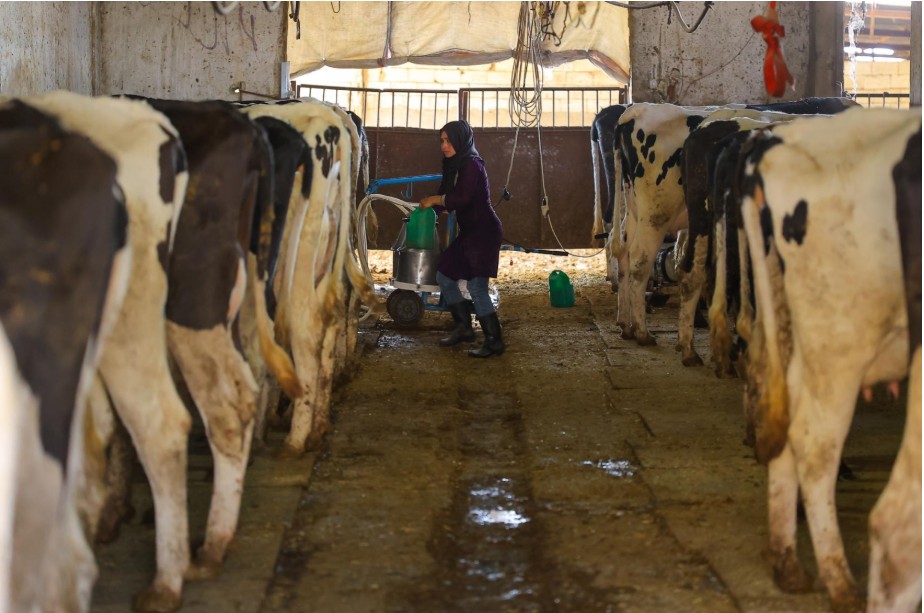
Anera was first alerted to the outbreak in mid-December 2025, when the Ministry of Agriculture convened an emergency coordination meeting with the Food and Agriculture Organization of the United Nations and partner organizations. The speed and scale of the outbreak raised immediate concern, particularly as many farmers lack the financial means to access vaccines, veterinary care or even basic protective measures.
“We’re alarmed by the outbreak’s overwhelming speed and by the critical vulnerability of Lebanon’s farmers,” says Lama Ghaddar, senior program manager at Anera. “After years of compounded economic, political, and social crises, farmers have no capacity to absorb another shock.”
A rapid response to contain the spread
Foot-and-mouth disease spreads primarily through direct contact, contaminated equipment and movement between farms. In unprotected herds, the virus can spread extremely quickly, infecting a large percentage of animals in a short period of time. Without swift containment, the outbreak underway in the Bekaa, Baalbek-Hermel and Akkar can rapidly escalate into a nationwide disaster.
Recognizing this risk, Anera moved quickly to support the ministry of agriculture’s emergency response plan, focusing on prevention and containment as the first line of defense.
Anera’s cash assistance centers on enabling farmers to immediately access biosecurity and outbreak-prevention kits, which include disinfectants, protective equipment, animal health monitoring tools and materials to isolate infected animals. These kits directly address the root cause of transmission by helping farmers disinfect equipment, hands, and farm environments, effectively breaking the chain of spread between farms.
“These biosecurity and outbreak-prevention kits are the frontline defense in the ministry of agriculture’s strategy,” Ghaddar explains. “While other partners may support vaccination or veterinary services, Anera’s targeted contribution has been to remove the financial barrier that prevents farmers from acting quickly. Our cash assistance allows them to procure and use these critical tools immediately.”
Each kit costs approximately $300, an amount that is out of reach for many farmers amid Lebanon’s ongoing economic crisis. By prioritizing prevention and early containment, Anera’s response aims to limit losses before they become irreversible.
As part of these efforts, the ministry of agriculture reported that 19,972 cattle were vaccinated nationwide in the second wave as of January 29, 2026. These vaccinations help slow the transmission of the virus, protect healthy herds and ensure that farmers can continue producing milk, safeguarding both their livelihoods and food security.
Protecting livelihoods and food security
For farmers whose entire income depends on their livestock, the outbreak’s impact is existential. The loss of animals can mean the collapse of household income, rising debt and long-term food insecurity, particularly in rural areas where agriculture remains a primary source of livelihood.
“This support represents the line between collapse and resilience,” Ghaddar says. “By making rapid biosecurity measures possible, we are helping farmers protect their animals, preserve their livelihoods, and maintain local food production.”
Anera plans to conduct a post-intervention assessment to measure the impact of this support, documenting how timely prevention and coordinated action helped contain the disease and mitigate losses on the ground.
National coordination as a shared responsibility
Central to the response is close coordination with the ministry of agriculture and local authorities. Anera operates as part of the national coordination mechanism, aligning all activities with government protocols, beneficiary selection criteria and outbreak-control strategies.
The Minister of Agriculture, Nizar Hani, emphasizes the importance of this collective approach, stating:
“Preventing foot-and-mouth disease and other animal diseases is a shared responsibility to protect local production and strengthen food security. The ministry of agriculture extends its thanks to livestock breeders, veterinary teams and all partners, and reaffirms its commitment to continuing support to safeguard animal wealth and ensure safe and healthy food.”
Coordination ensures that emergency interventions are not fragmented, but instead contribute to a unified national effort to protect livestock, stabilize food supplies and support farming communities.
The cost of inaction
Delays in responding to outbreaks like foot-and-mouth disease can have cascading consequences: uncontrolled national spread, widespread loss of livestock-based livelihoods, deepened food insecurity and broader social and economic destabilization.
“Rapid action is not optional,” Ghaddar notes. “It is the only way to prevent a manageable animal health incident from spiraling into a national humanitarian crisis.”
As the outbreak continues, Anera remains committed to translating emergency plans into immediate action, supporting farmers with the tools they need to protect their animals, their families and Lebanon’s food system.
“Right now, farmers in Lebanon are facing a livestock crisis that threatens both their animals and the country’s food supply,” says Ghaddar. “Support from donors is what makes this urgent response possible; turning national emergency plans into immediate action on the ground, and providing the tools and assistance farmers need to protect their animals and sustain their families.”
Stand with Lebanon’s farmers in this critical moment
While this campaign is a decisive step toward halting the disease, our duty does not end with vaccinations and managing the outbreak. We must now make sure our farmers receive the direct support they need to recover from the profound losses they have endured and continue to face. Protecting their livelihoods is the next essential phase in securing the resilience of our entire agricultural community.
Your donation helps stop the spread of the disease, protect livelihoods, and safeguard food for entire communities.

OUR BLOG
Related
 by
by Yazdan is Anera’s branch director in Gaza In Gaza, we have learned not to believe anything until we see it. Announcements are made. Timelines are promised. Crossings are said to be opening. Conditions are said to be improving. And yet,…