
April 9 Update on Conditions & Response in Lebanon, Palestine and Jordan
 by Anera
Posted in: News
Lebanon Update
Lebanon is reeling after one of the most intense waves of airstrikes in recent months. In the span of just minutes, more than 100 strikes were reported across the country, reaching from the south to the capital, Beirut. The bombardment did not stop there. Attacks continued into the night, hitting densely populated neighborhoods and leaving devastation in their wake.
According to the Lebanon Ministry of Health, more than 200 people have been killed, thousands injured, and more than 30 are missing. While the strikes have been described as targeting military infrastructure, reports from the ground tell a different story: residential buildings reduced to rubble and civilians caught in the violence.
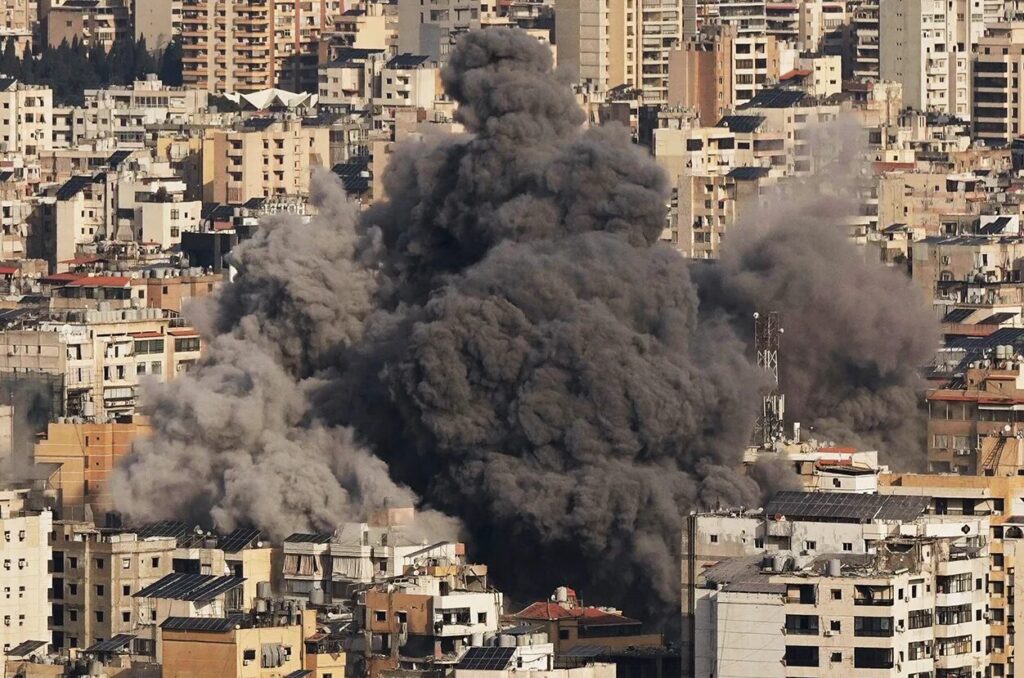
Today has been declared a national day of mourning. Across Lebanon, families are grieving, searching for loved ones, and trying to make sense of what happened yesterday.
Even in Beirut, long considered a relative refuge, people are now fleeing. Families are packing what they can and heading to the mountains or other areas they hope might be safer. But safety is no longer clear or guaranteed.
Many of our Anera colleagues have already been displaced multiple times. Some are relocating for the second or third time since the escalation began. Others are weighing impossible decisions about whether to leave their homes, their jobs or even the country altogether.
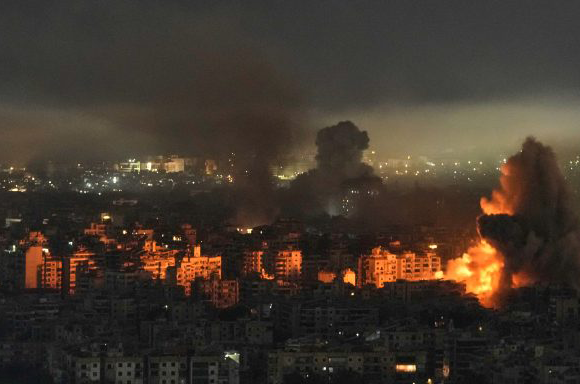
Warnings of potential strikes send families into the streets late at night, unsure whether to stay or flee. In some cases, people leave their homes for hours, only to return when an attack does not materialize.
One of our staff, a mother of two, fled Beirut after a strike hit a building directly across from her home. Her children, who were deeply shaken, could not sleep through the night. Another colleague left with her family to stay in a mountain hotel after nearby explosions made it impossible to remain.
For some, the violence has already claimed loved ones. One colleague’s relative was killed while simply passing through an area that was struck, an ordinary moment turned tragic without warning.
In the aftermath of each strike, people scramble to reach loved ones, waiting fearfully for a single message or call confirming they are safe. Those minutes of silence can feel unbearable. As one colleague described, keeping a family member on the phone until they arrived home safely was the only way to cope with the anxiety. The unpredictability of the strikes, where no place feels safe, has left people unable to make even the most basic decisions.
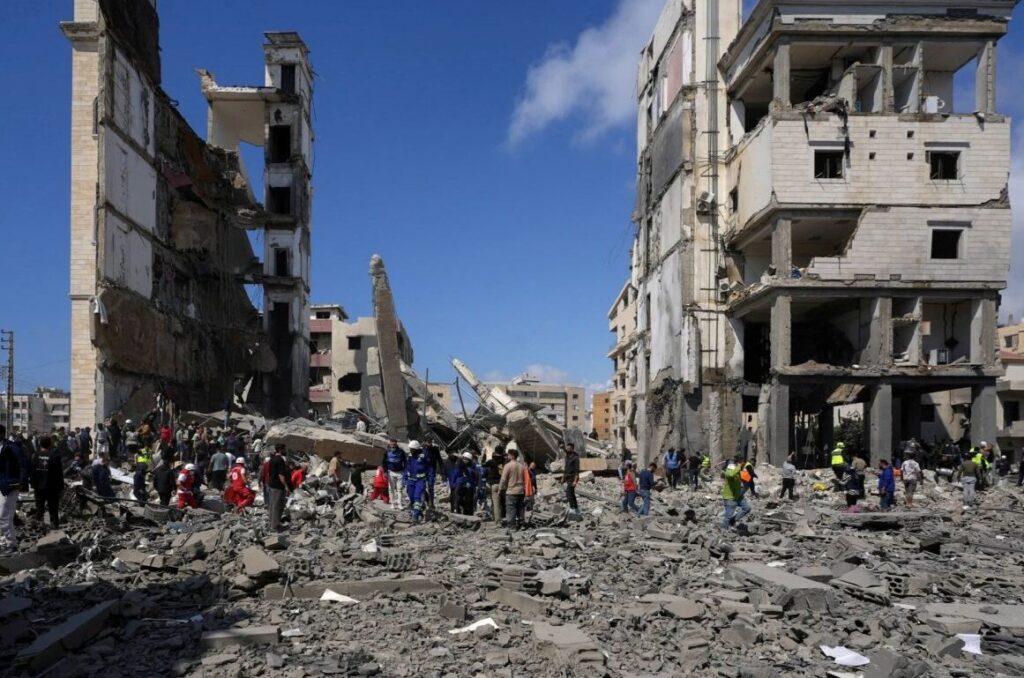
Amid ongoing diplomatic discussions and political statements, many in Lebanon feel a growing sense of abandonment. There is little confidence that international efforts will bring immediate relief or restraint. What remains is a population that is grieving, displaced and exhausted.
At Anera, we have paused operations for the day today to allow staff to care for themselves and their families. The emotional toll is profound. Many of our team members are directly affected. As one colleague put it simply: people are not okay.
Palestine Update
Communities across Palestine are facing a convergence of environmental, economic and security-related crises that are compounding already fragile living conditions.
In the West Bank, over the past 10 days, there have been repeated reports of killings of Palestinians by settlers and Israeli forces. Communities are also facing increased land seizures and attacks on villages. Local observers note that this surge in violence has coincided with global attention shifting elsewhere, particularly to the war involving Iran. In this moment of distraction, many feel that conditions on the ground are deteriorating with little international scrutiny.
Yet amid the fear and frustration, there are also signs of civic response. For the first time in months, Palestinians have been demonstrating in Ramallah, Nablus and Hebron in protest of the regional violence and expressing solidarity with those affected in Lebanon. These public gatherings reflect both anger and a shared sense of regional connection.
In Gaza, the flow of goods continues to be inconsistent. Over the past two days, no commercial trucks have entered, exacerbating shortages that had already been building. This disruption is driving up prices and limiting access to basic necessities, including food.
Fuel shortages are also intensifying. Diesel and gasoline are increasingly scarce, affecting everything from transportation to essential services. Water desalination plants as well as water trucking operations, both essential to many communities, are at extreme risk as fuel supplies tighten.
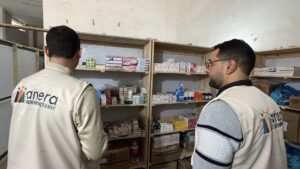
Perhaps most concerning are the shortages of essential medicines. Supplies of drugs for chronic illnesses and other critical treatments are running dangerously low. While recent deliveries, including pallets of donated medicines and healthcare supplies from international partners, offer some relief, they are far from sufficient to meet the scale of need.
In the meantime, in Gaza City, solid waste is accumulating at alarming levels. With limited access to designated dumping sites, many of which are unreachable due to security restrictions, garbage is piling up in central urban areas. This is contributing to the spread of disease and compounding already dire living conditions.
Local authorities and international partners are attempting stopgap solutions, such as covering waste with sand and designating temporary dumping areas at the edges of communities. But these measures are insufficient to address the scale of the problem. Anera teams are working on multiple fronts: supporting waste removal where possible, carrying out sterilization efforts, and raising public awareness to reduce health risks. These interventions are critical, but they cannot replace the need for systemic solutions and sustained access.
Despite these immense challenges, Anera continues to adapt and deliver aid. Staff remain in constant communication, with additional measures in place to support their safety and well-being under increasingly difficult conditions.
The situation is fluid and deeply uncertain. What is clear, however, is that needs are growing while access, resources and safe operating conditions remain constrained. And without urgent, coordinated action, the risks to health, to safety, and to basic human dignity will only intensify.
Jordan Update
Jordan has remained relatively stable, despite brief regional tensions at the outset of the war with Iran. Initial reports indicated that missiles launched by Iran toward Israel were intercepted over Jordanian airspace. No major incidents or damage were recorded. Since then, the situation has remained calm. There have been no additional attacks, sirens or security alerts. Anera’s staff is carrying out their work as usual.