
April 3 Update on Conditions & Response in Lebanon, Palestine and Jordan
 by Anera
Posted in: News
Lebanon Update
The situation in Lebanon is deteriorating rapidly. In recent days, Israeli ground forces have advanced into southern Lebanon from multiple points along the 75-mile (120-kilometer) border. Analysts estimate that troops have moved as much as 7 miles (11 kilometers) into Lebanon, with incursions continuing from several directions.
There is also expansion of operations beyond the south, with movements toward western areas of the Bekaa, suggesting the prospect of a further fragmentation of the country, cutting off the south from central regions and deepening the humanitarian impact.
At the same time, airstrikes continue. Much of the bombardment remains concentrated in Beirut’s southern suburbs, but strikes are increasingly reported in other parts of the capital and across the country. More than 100 high rises have reportedly been destroyed in Beirut alone. There is, for now, no clear diplomatic path forward.
Mass Displacement Across the Country
The scale of displacement is staggering. Current estimates suggest that as many as 1.2 million people, roughly one in five people in Lebanon, have been forced from their homes. Families are fleeing from south of the Litani River, from the Bekaa Valley, and from densely populated areas of Beirut, particularly the southern suburbs.
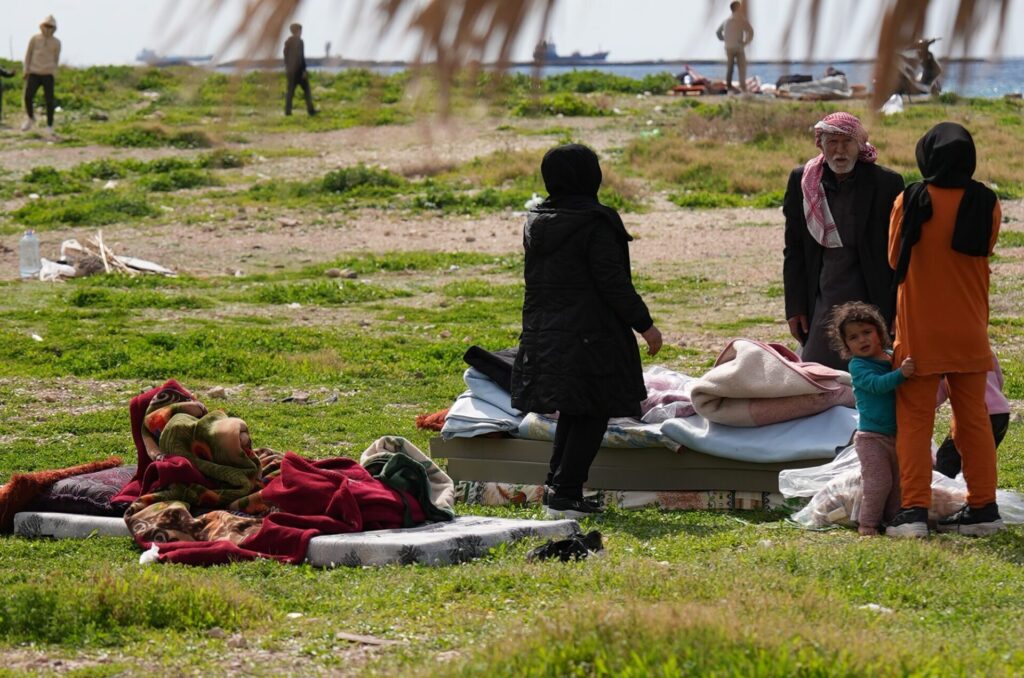
Some families leave with little more than what they can carry. Others are choosing to stay, even in high-risk areas. In one southern village, where Anera previously supported the installation of solar energy systems, families are still holding on. Cut off from fuel and electricity, they now depend on that solar system to power essential services, an investment that has taken on unexpected, critical importance.
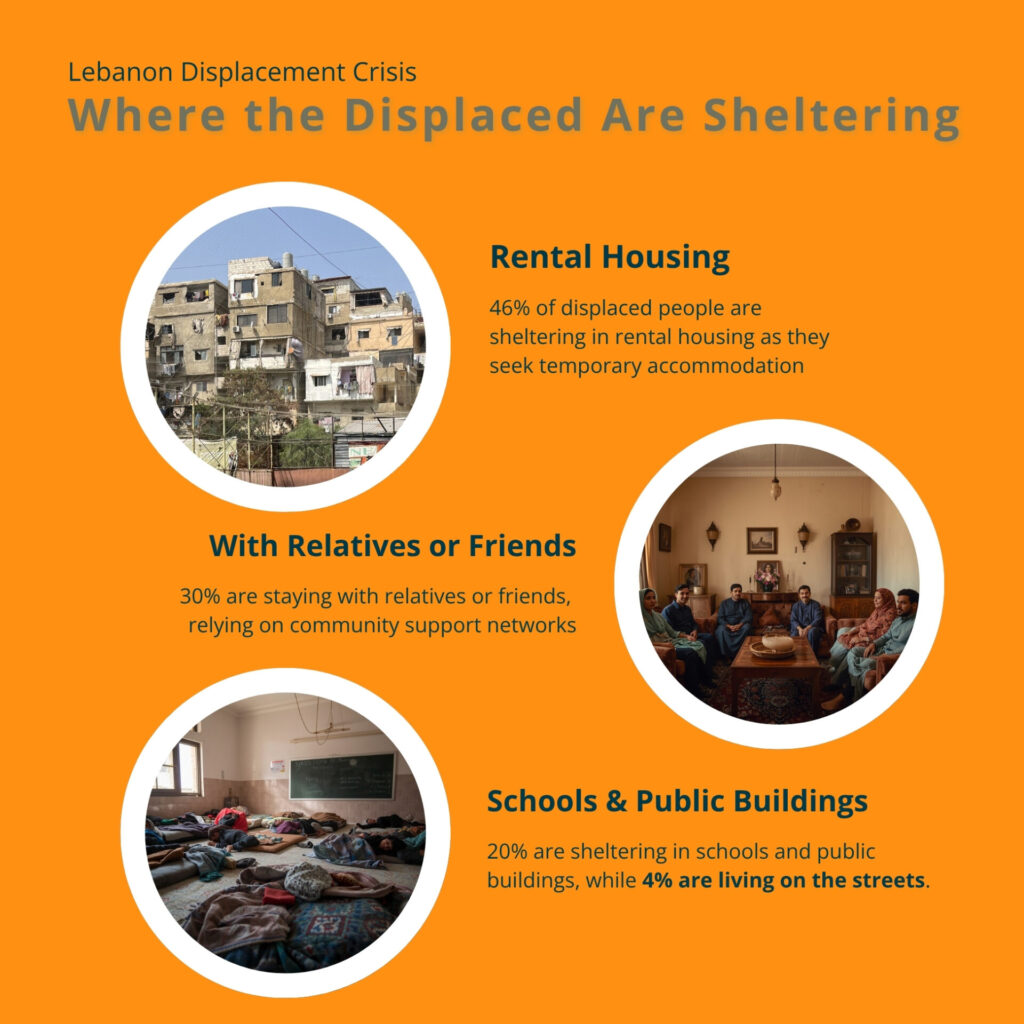
But other communities are making different choices. As bombardment intensifies and uncertainty grows, more families are leaving, often with no clear destination. Across the country, displacement is fluid and constantly shifting. The vast majority of displaced families are outside formal shelters, often in already strained or unstable conditions. Estimates indicate around 20% of the displaced are sheltering in schools and public buildings, 46% are in rental housing, 30% are staying with relatives or friends and 4% are forced to live on the streets. How long this will last remains unknown, but as the escalation continues, further displacements will undoubtedly grow.
Anera Responds and Adapts in Real Time
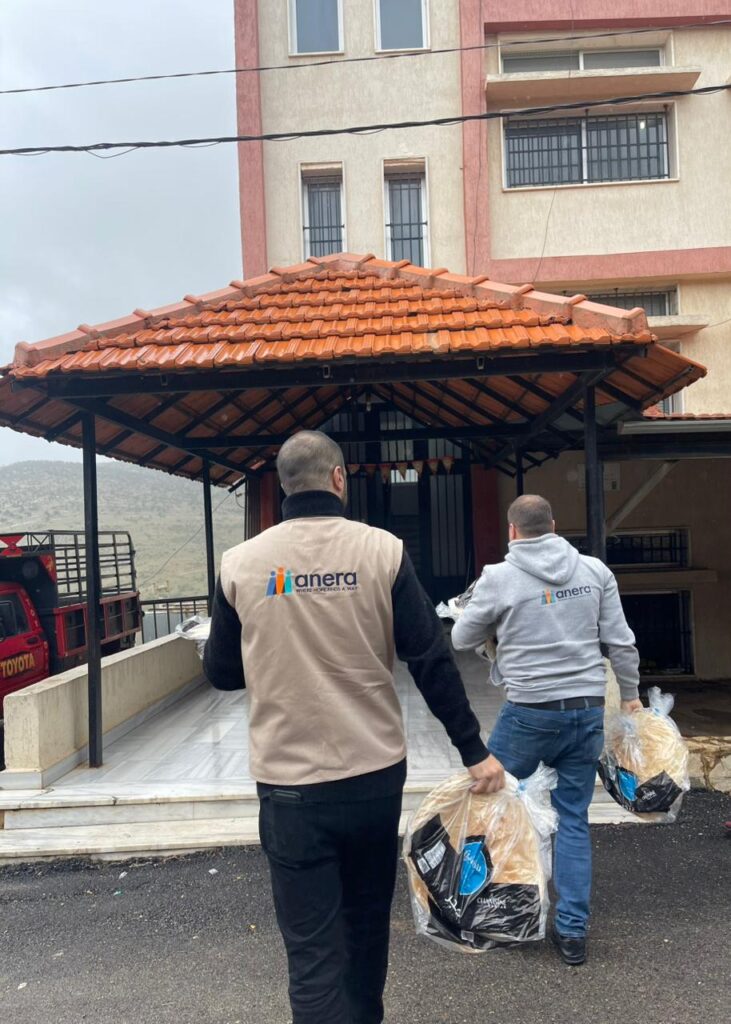
As conditions rapidly worsen, Anera’s response is expanding to meet growing and shifting needs. So far, teams have focused on immediate relief: mattresses, blankets, clothing, hygiene supplies, food and essential medicines. Clean water and sanitation remain top priorities, especially as overcrowded conditions put additional strain on already fragile systems.
But as the crisis evolves, so does the response. Anera is now scaling up along two parallel tracks: preparing for newly displaced families while continuing to support those already uprooted.
When four villages in West Bekaa were evacuated totally in the middle of the night on April 1, families arrived in shelters with nothing. Our Anera team based in Bekaa responded immediately, distributing essential supplies to help them through the first critical hours. To stay ahead of further displacement, Anera is pre-positioning contingency stocks across multiple locations, enabling faster and more flexible response as needs arise.

Anera’s approach is adapting to reflect how people are actually living through this crisis. For families in shelters, such as schools or public buildings, conditions are extremely difficult, with multiple families sharing a single room. Three urgent needs are emerging:
- Water and sanitation: Access to clean water remains a daily challenge. Families are asking for water filtration systems, additional shower facilities, and laundry machines. In response, Anera is installing filtration systems across dozens of shelters and rehabilitating sanitation infrastructure to serve large populations.
- Education in emergencies: With schools closed or moved online, displaced children are falling behind. Overcrowding and limited internet access make learning nearly impossible. Anera is planning temporary learning spaces to give children a safe place to continue their education.
- Food assistance: Many families are requesting a shift from ready-made meals to raw ingredients, allowing them to cook for themselves and regain a sense of normalcy. Anera is making that shift.
At the same time, the organization is expanding beyond shelters to reach the majority of displaced families living within host communities. Teams are distributing bedding, clothing and essential household items, alongside targeted support for host families. To ease immediate pressures, Anera is also providing vouchers for cooking fuel, including propane, so families can prepare meals and maintain daily routines.
Across both shelters and host communities, Anera is helping sustain daily life by supporting meal distribution, organizing hygiene campaigns and creating opportunities for community engagement.
Palestine Update
Across Palestine, the humanitarian situation is worsening, reshaping daily life for millions. In Gaza, a prolonged system collapse is taking hold, one that goes beyond a short-term emergency and points instead to near-total humanitarian dependency of indefinite duration. In the West Bank, a rapidly intensifying environment of settlement expansion and settler violence is driving displacement and economic strain.
Gaza
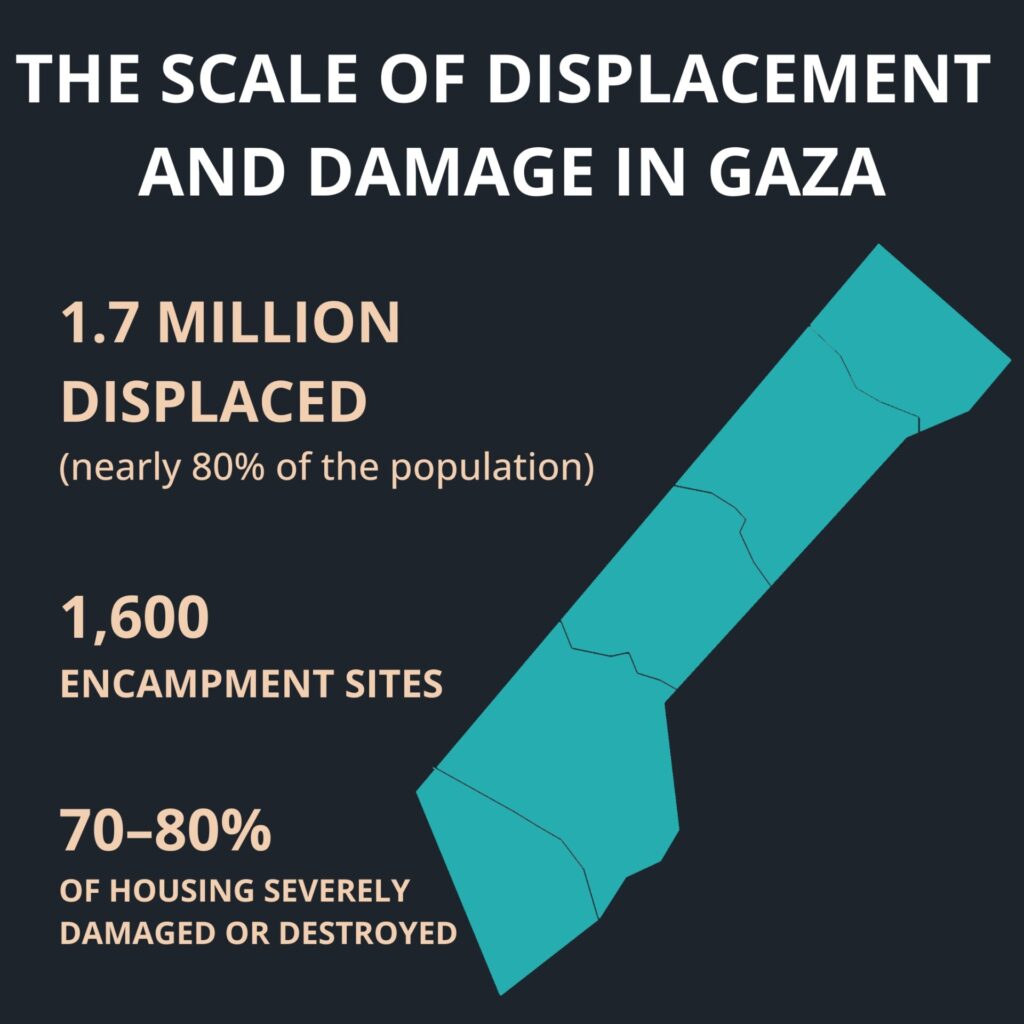
In Gaza, what began as a war and humanitarian emergency has evolved into something more entrenched and complex. An estimated 1.7 million people, nearly 80% of the population, are displaced, spread across roughly 1,600 encampment sites. At the same time, 70–80% of housing has been destroyed or severely damaged, forcing families into overcrowded shelters that lack even the most basic services.
Critical healthcare, water, sanitation electricity, and road infrastructure has been widely damaged. The result is that services like clean water, waste removal and functioning streets become daily challenges, especially in overcrowded areas where the risks to health and safety increase quickly.
Despite expectations that conditions might improve following the October ceasefire, access into the territory remains severely restricted. Fewer than 100 humanitarian trucks per day have entered on average, well short of the 500–600 trucks widely considered necessary. Humanitarian aid is limited primarily to food, some medical supplies and tents. Essential materials for shelter, infrastructure repair and recovery are still largely blocked.
Food, Health and Water
While aid is reaching some families, it is not enough. Families are forced to reduce meal sizes and portions, and prices are rising again. Across Gaza, approximately 1.5 million meals are prepared weekly through a network of community kitchens. Yet even this system is under strain.
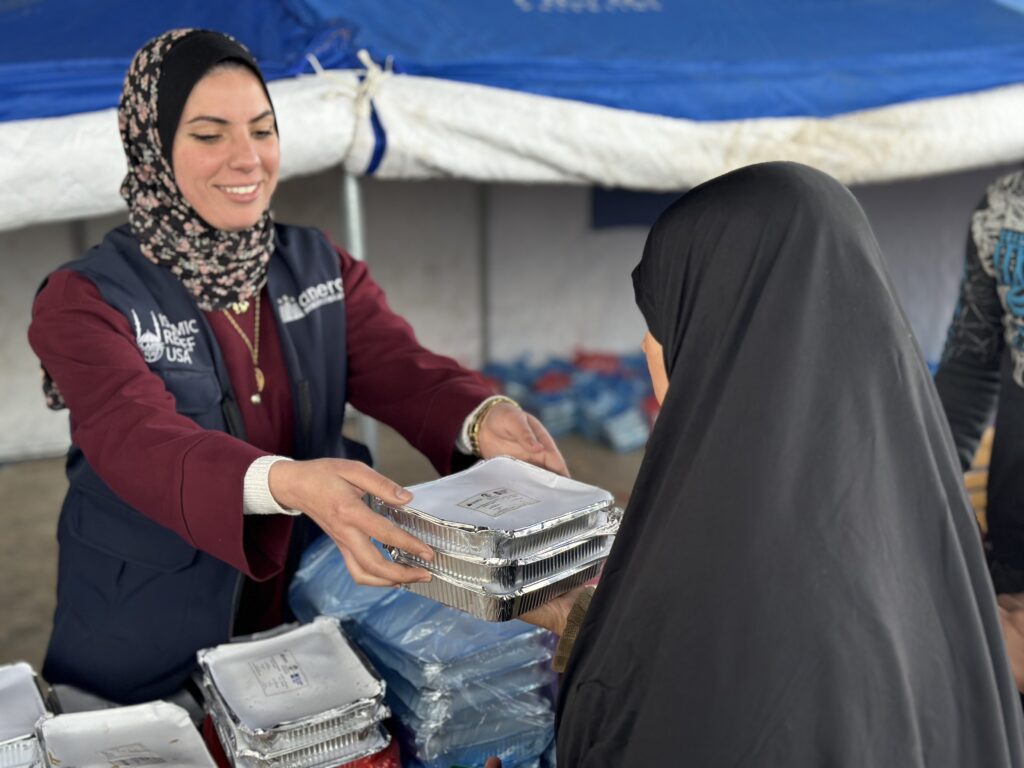
The health situation is increasingly alarming:
- An estimated 70% of newborns are underweight or premature
- 60% of children screened show signs of malnutrition or deficiencies
- Births are increasingly happening outside medical facilities, often without proper care
Water access remains critically low, with people receiving just 1 to 1.5 gallons (4 to 6 liters) per person per day for all uses, far below international standards.
Anera continues to respond: operating six clinics that serve tens of thousands weekly, delivering clean water, and expanding storage and distribution systems. But needs continue to outpace available resources.
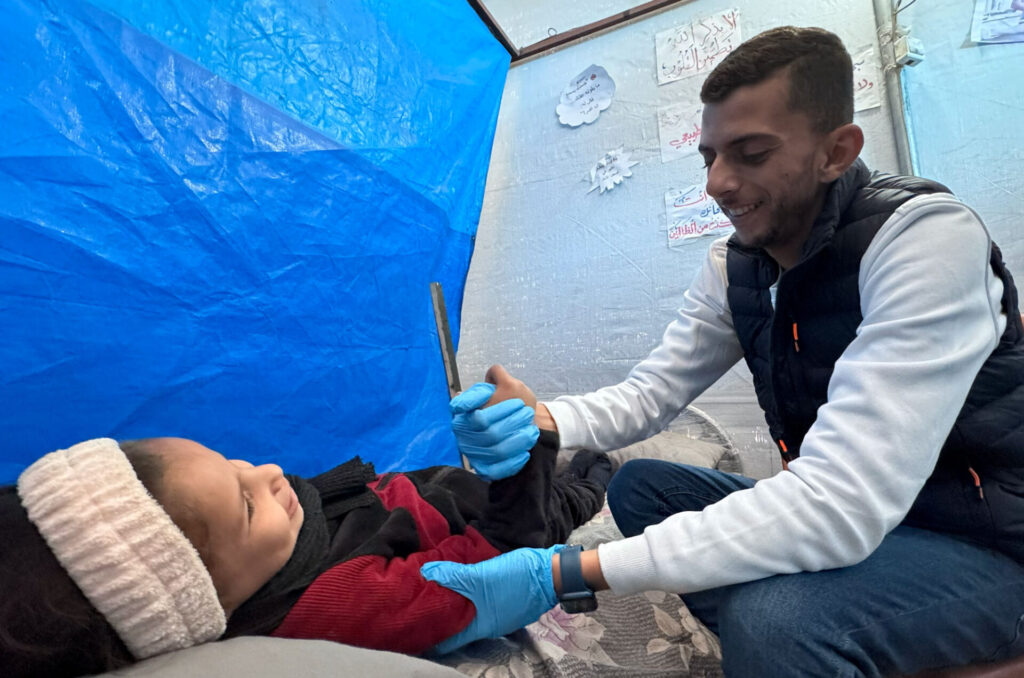
Daily Life in Gaza
Despite everything, people continue to live their lives, because they have no other choice. Markets reopen where they can. Families gather at newly opened cafes and patronize businesses, even in damaged neighborhoods. Any window of normalcy, however small, is seized. But this should not be mistaken for stability.
People describe a constant sense of uncertainty, living day by day, unsure of what will come next. There is little trust that conditions will improve, and many expect the situation could deteriorate again at any moment. The feeling of abandonment runs deep.
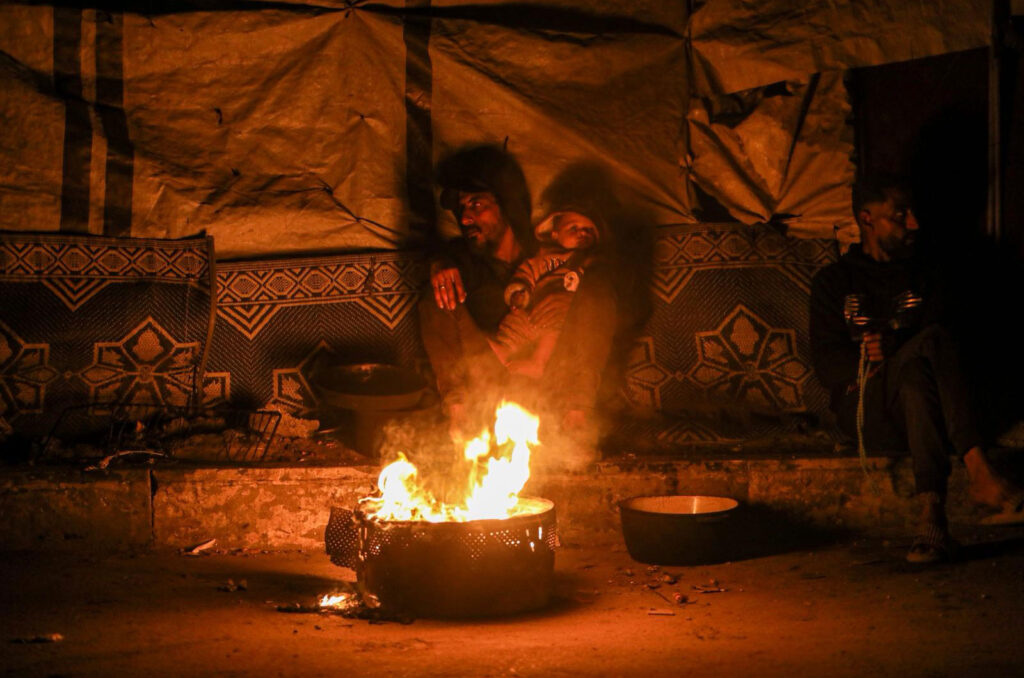
And yet, even in these conditions, people continue to care for one another, to rebuild routines, and to create moments of relief and even joy where they can.
West Bank
In the West Bank, the crisis is unfolding differently, but no less urgently.
Since the start of the year, more than 1,700 Palestinians have been displaced, already surpassing displacement levels from all of last year. At the same time, settler violence is increasing sharply, with an average of six to seven attacks per day in recent weeks. These attacks target villages, homes and farmland, contributing to growing insecurity and forced movement.
Communities are also facing tightening restrictions on movement. Checkpoints, road closures and access limitations continue to make daily life more difficult, and more dangerous. For many, the risk of violence is now part of everyday life.
One of our colleagues in the Hebron governorate reports that his family woke up one morning to find settlers on their land cultivating it. He was able to prove ownership and the settlers left, but other Palestinians in the West Bank are not so fortunate and face the likelihood of losing their lands entirely.
Economic Pressure and Daily Strain
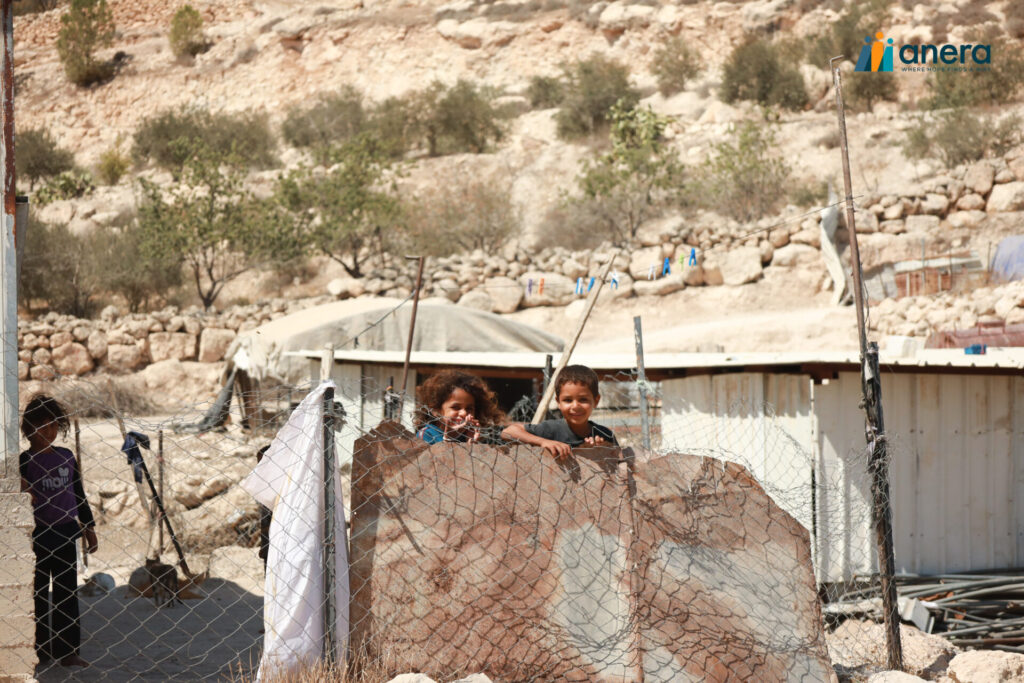
Economic conditions in the West Bank are also deteriorating. Fuel prices have risen sharply in recent days, adding to the burden on families already struggling with irregular incomes and limited job opportunities. Many workers have been unable to access employment for years, and public sector salaries are unreliable.
For ordinary families, this means difficult choices – how to heat homes, how to afford transportation and how to meet the most basic needs. Requests for assistance are growing, even as resources remain limited.
Anera’s Continuing Response

Despite these challenges, Anera’s teams continue to operate across both Gaza and the West Bank, adapting in real time to reach communities where they are.
In Gaza, this means sustaining essential health, water and food programs under severe constraints. In the West Bank, it means continuing to support communities while navigating increasing risks to staff and movement. Across both contexts, the needs are growing more complex. And so is the response.
Jordan Update
Jordan has recently seen a worrying rise in regional tensions. Military bases inside the country have been targeted, marking a significant escalation, while intercepted projectiles have fallen in civilian areas. So far, there have been no reported casualties. But the sense of risk is real, and communities are watching developments closely, hoping the situation does not worsen.
Despite this uncertainty, daily life, and Anera’s work, continues. Our teams remain fully operational and programs across the country are moving forward without disruption.

 by
by