Mar, 1968
With support from Direct Relief, we're expanding access to insulin for diabetic patients in the West Bank
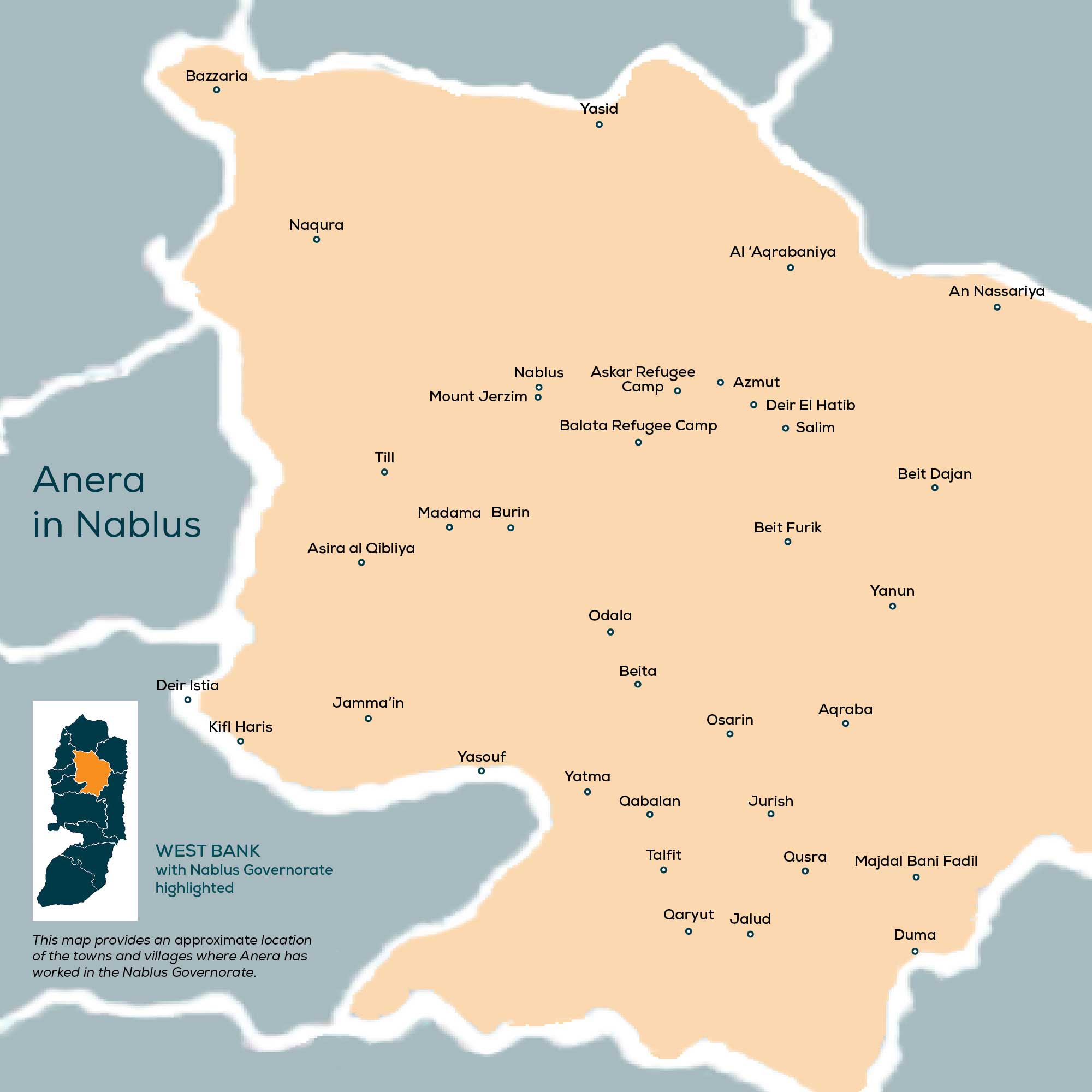
Imad, 59, lives in Askar Camp in Nablus in the West Bank with his wife and six children. He has diabetes and no steady income. Managing the disease depends on insulin, something he cannot afford to purchase at full price.
“Each insulin shot costs 60 shekels,” he says. “I need four every month. That’s around 240 shekels [around $77]. For a family with no income, that is a lot.”
For Imad, that amount makes a real difference. Through Anera’s support, he now receives the insulin he needs each month, saving him around 200 shekels.
“When you don’t have income, every shekel matters,” Imad says. “With what I save from the insulin, I can buy groceries for my children.”

“With what I save from the insulin, I can buy groceries for my children.”
For people living with diabetes, insulin is not optional. Without it, blood sugar rises quickly and the condition can become life-threatening. Reliable access to the medication allows patients to manage their disease and continue daily life.
Healthcare is a fundamental human right. No family should be pushed into the position of prioritizing life-saving treatment like insulin over their safety, financial security, or food access; yet this is the reality for many in the West Bank, and for displaced people in the communities Anera serves.
Through a project supported by Direct Relief, Anera is expanding access to insulin across the West Bank. In 2025 alone, we distributed 21,750 short- and rapid-acting insulin treatments.
To support the growing need, Anera strengthened its cold-chain system, increasing the number of medical refrigerators from two to eight so more insulin can be safely stored and delivered to patients who depend on it.
For Imad, receiving insulin regularly brings a measure of stability.
“I can eat now,” he says. “But only small portions.”
But in the camp, even keeping medicine safe can be a challenge. During military invasions, homes are often searched and belongings damaged. Insulin stored in home refrigerators is sometimes broken during these raids, leaving patients without the medication they rely on to survive.
Tamara, an Anera product donations officer, explains:
"During home invasions in the northern area, we’ve seen insulin destroyed or taken, leaving patients vulnerable. That’s why ensuring a reliable supply and safe storage is critical; every dose can literally save a life."
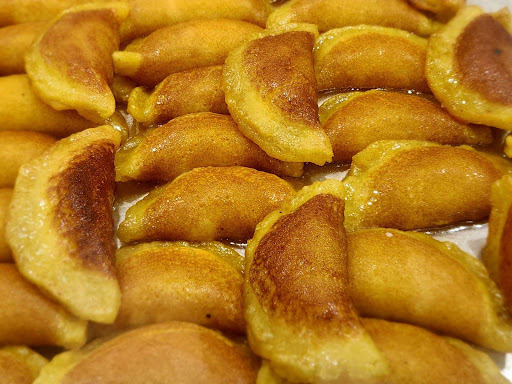
Still, Imad holds on to small moments of normal life. Sometimes he walks through the Old City of Nablus and buys qatayef.
“Just one piece,” he says. “I sit and enjoy it.”
Our Partner

Anera and Direct Relief are members of