Mar, 2026
The Day I Couldn't Buy My Son a Banana
In Gaza, losing everything is not a single moment; it is something that follows you. It settles into your days.
You feel it in the constant displacement, the sleepless nights, and the strength you must summon each morning just to keep going.
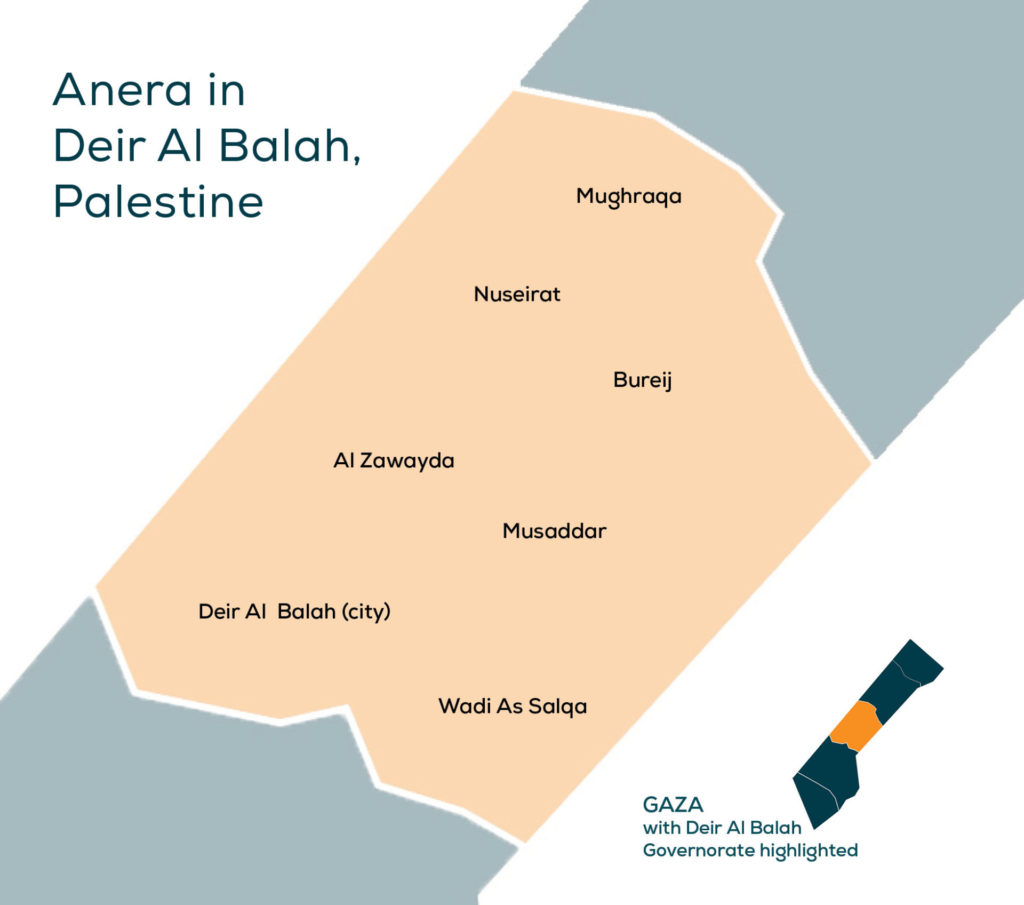
My name is Khaldiya. I am 54 years old, originally from Beit Lahia in northern Gaza. Today, I am displaced in Deir Al Balah.
The war took my husband and one of my sons. Another son was injured, and our home was destroyed. Overnight, I became the sole caregiver for my children, responsible for their safety and survival while carrying my own grief.
One of my sons depends on me for everything. His legs were badly wounded, and I have to help him stand and move each day. Some days, surviving meant supporting his body while barely holding up my own.

“The war took people from me, but it did not take my responsibility to keep my children standing.”
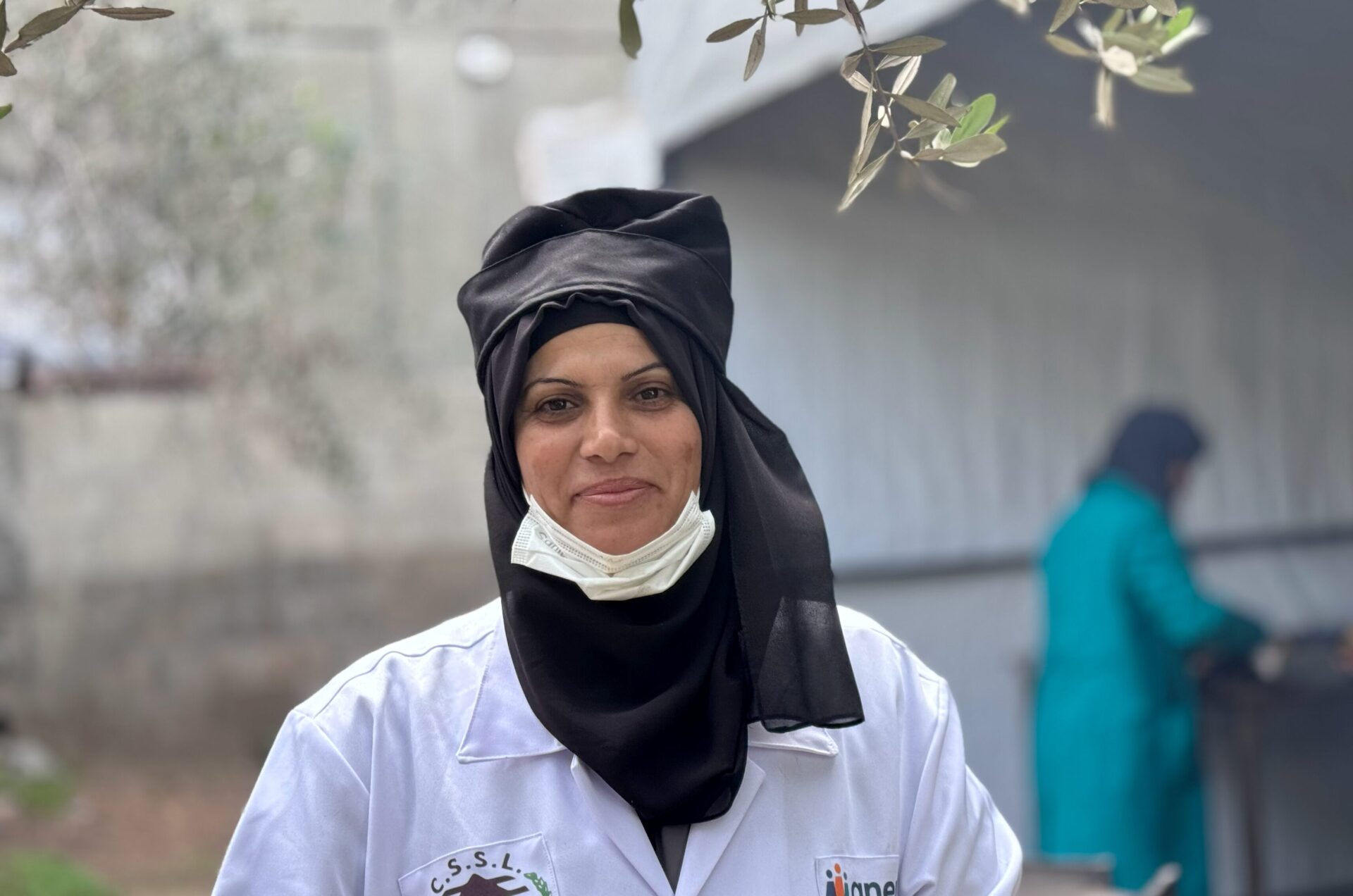
Before the war, I did not work. My husband provided for our family. We lived simply, but with dignity. After his death, everything changed. With food shortages across Gaza and prices rising beyond reach, even the most basic needs became difficult to secure.
One day, my son asked me if I loved him. When I said, "Of course I do," he hesitated before asking for something so simple: a single banana. I could not provide it.
I wasn’t able to meet the smallest of requests, and it broke me.
In that moment, I did not just feel helpless. I felt erased. What kind of mother cannot provide something so basic? That was when I truly understood how far we had fallen, how deprivation had quietly stripped us, piece by piece.
I carried that shame with me. But I also carried something else: refusal. I refused to let that be the story my children would grow up remembering. I began searching for anything, any door that was still open, and I found Women Can.
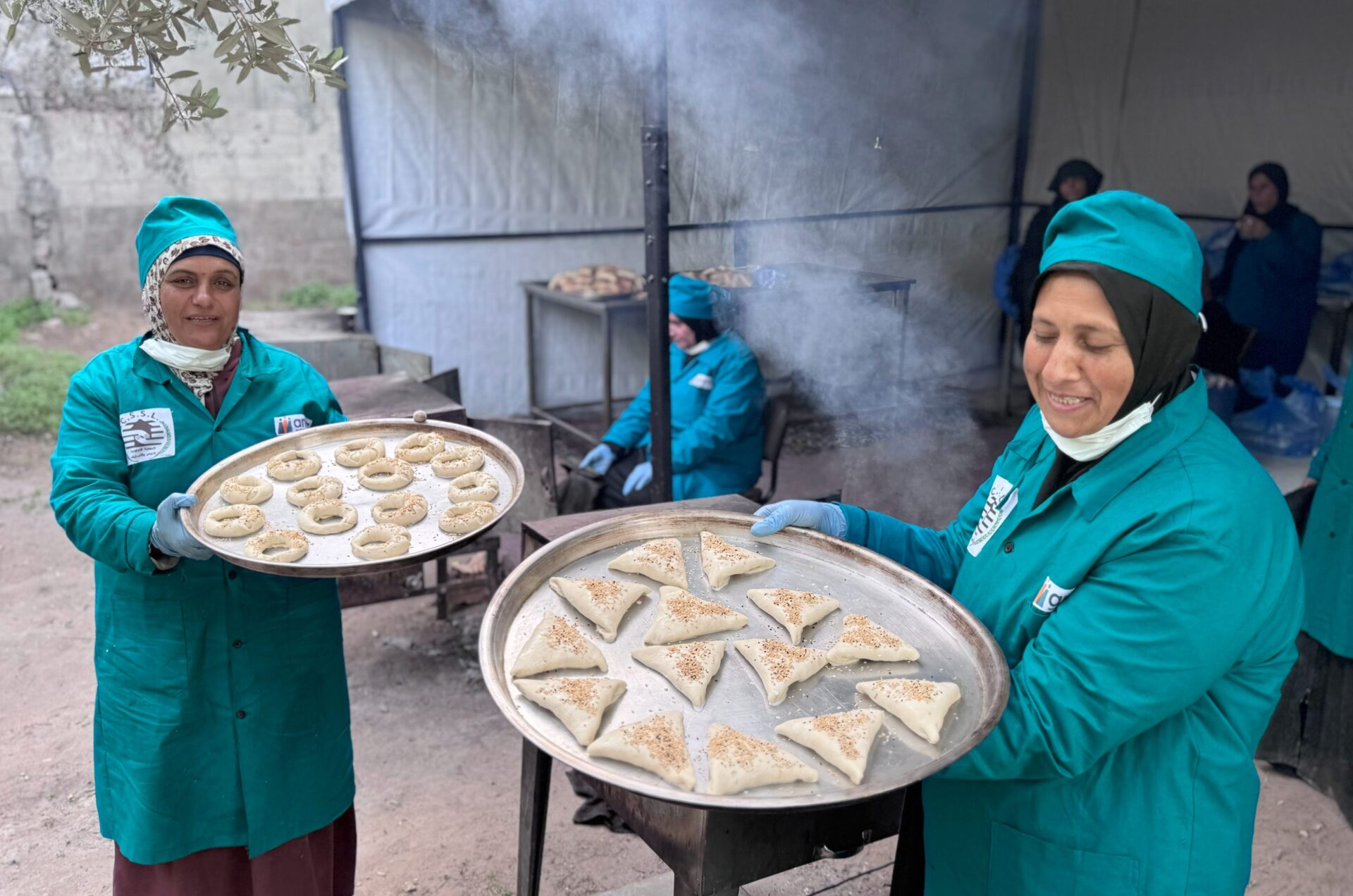

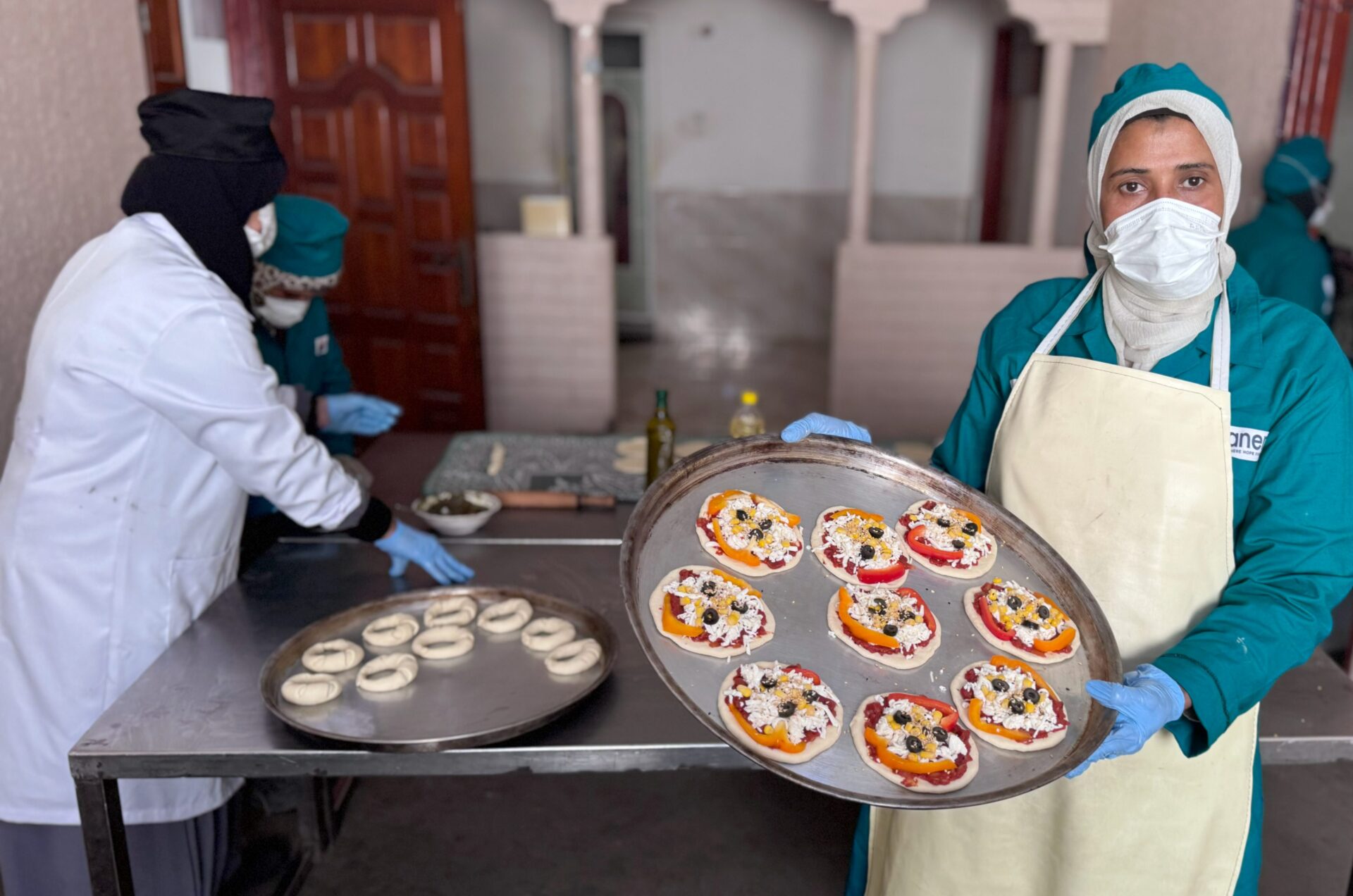
When I heard about Women Can, it did not sound like a program. It sounded like a way back. Through Anera, Women Can pays me for my work and is helping me rebuild the financial independence my family lost when the war took everything else.
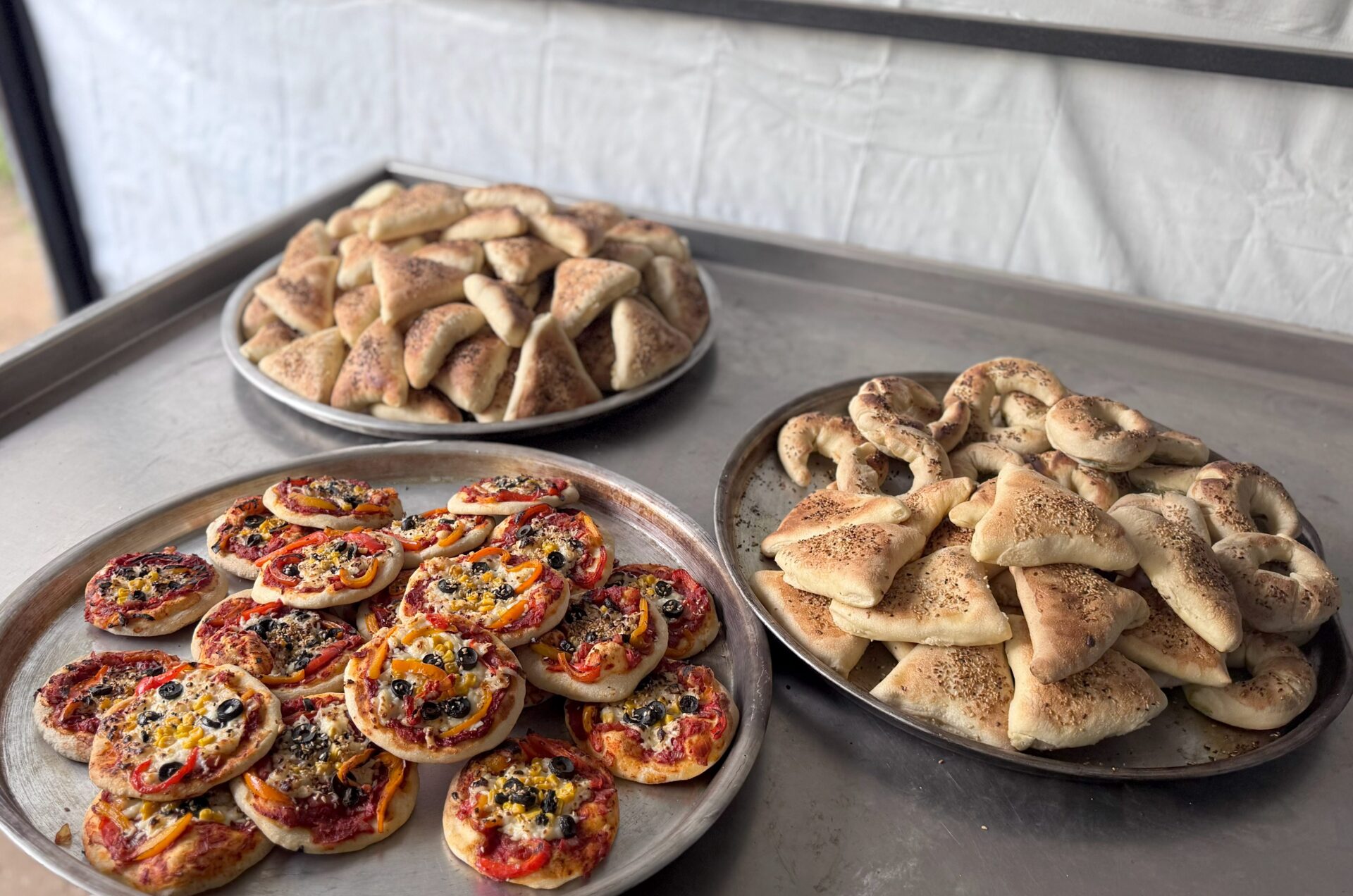
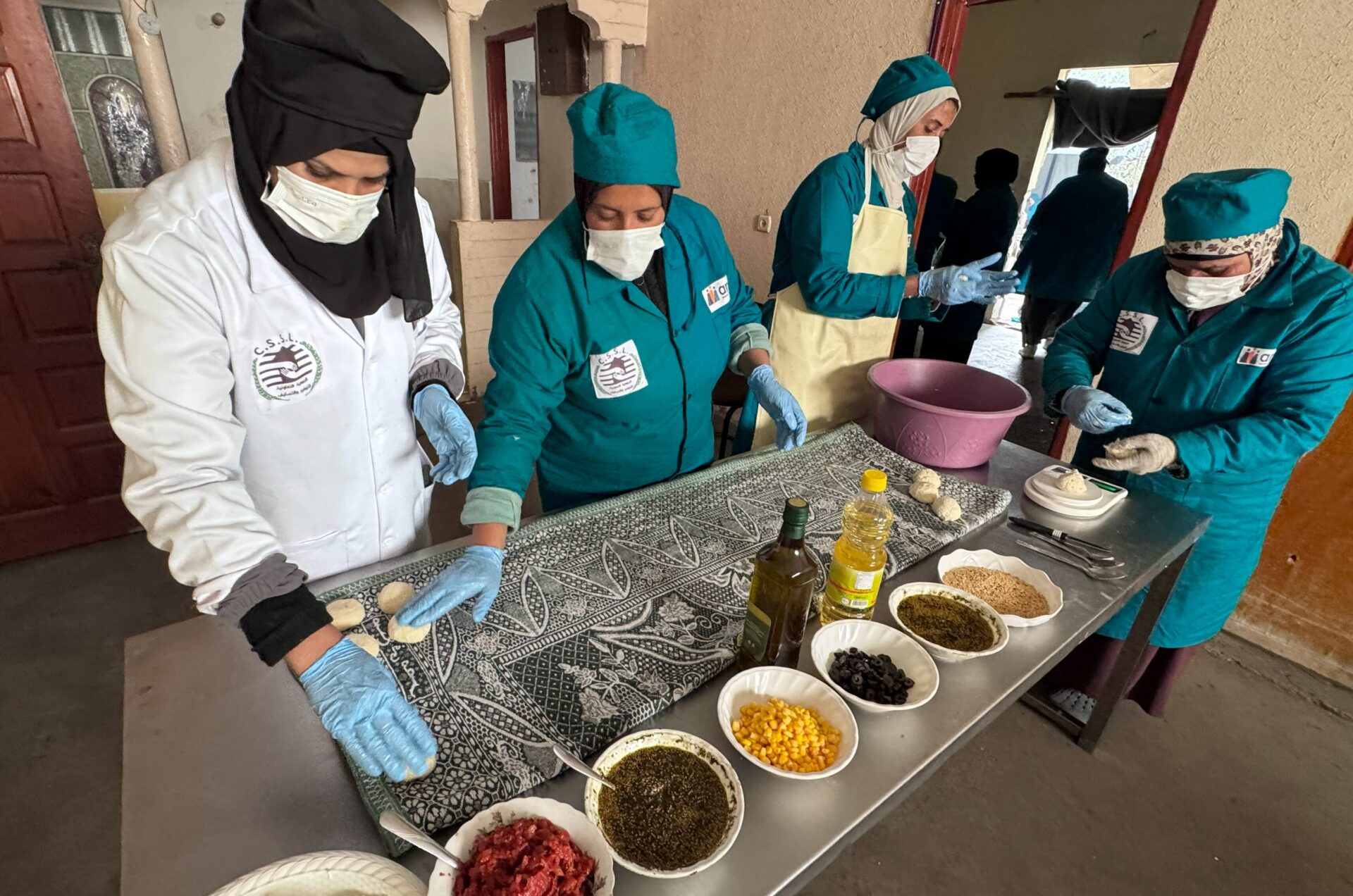
Being part of this isn't just a job for me. Getting into the kitchen to bake traditional ka’ak and pastries gives me a real sense of purpose again. There’s something deeply healing about preparing food for my people; it feels like I’m actually doing something that matters.
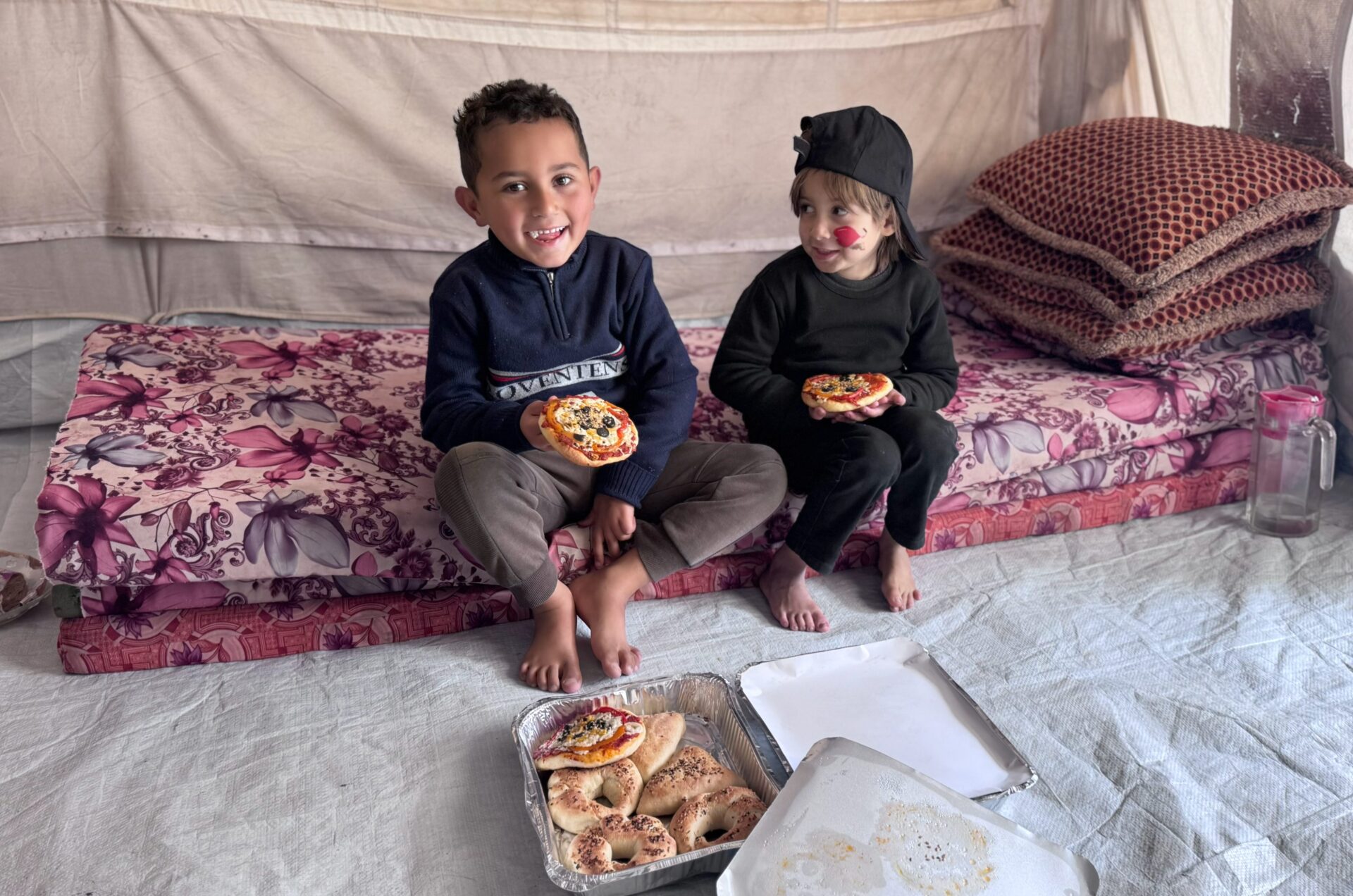
The best part is knowing that what we bake goes directly to families in need living in shelters and camps. We’re able to earn a living, and in return, our people get fresh, homemade food.
Through this work, I am now able to provide food for my family, buy medicine for my injured son, and support my daughter as she prepares for her tawjihi exams. She has chosen the scientific stream because she wants to make her father proud.
The hardest moment of my life came when we fled south. I had just lost my husband and my son. I walked with my injured child, my daughter, and my other son, with nowhere to go. That night, we slept on the street.
Coming to work now helps quiet the thoughts that once kept me awake at night. The women I work with feel like family. This work also gave me back my confidence. It reminded me that I still have value, that I am still capable, even after everything.
What Anera offers is reassurance. It is standing with women like me and saying: you are not alone, and you will not face this by yourself. I am still displaced. In the mornings now, I tie my apron before the sun fully rises. The dough rises beside me. For the first time in a long time, our future feels like something we are working toward, not just waiting for
"I still live in a tent. I am still grieving. But I am no longer alone."