Mar, 2026
With support from Tearfund, our medical clinics are providing care in Gaza, including home visits to patients in their tents

“I couldn’t walk. It hurt so much... I didn’t know how I would get the care I needed.”
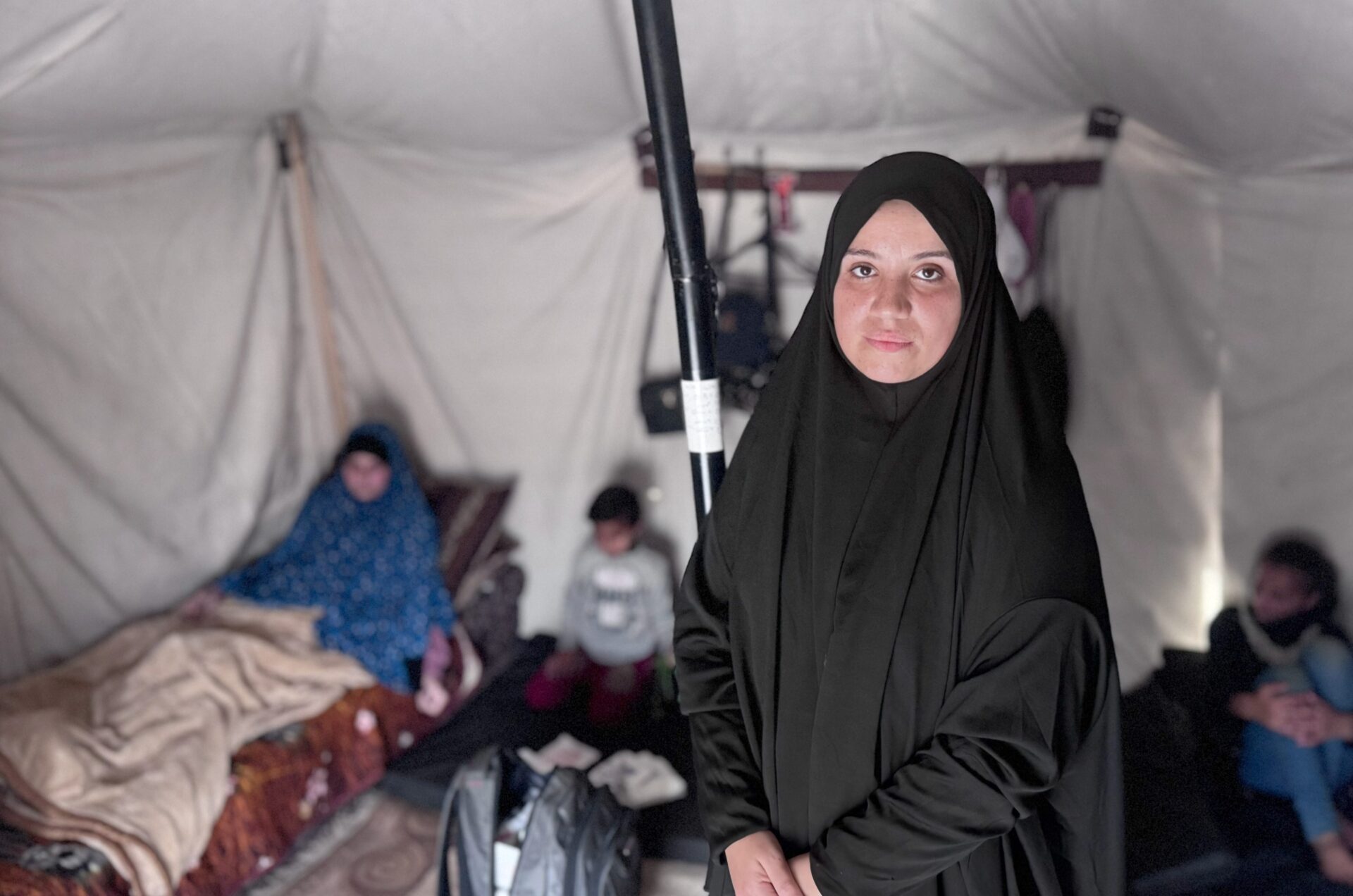
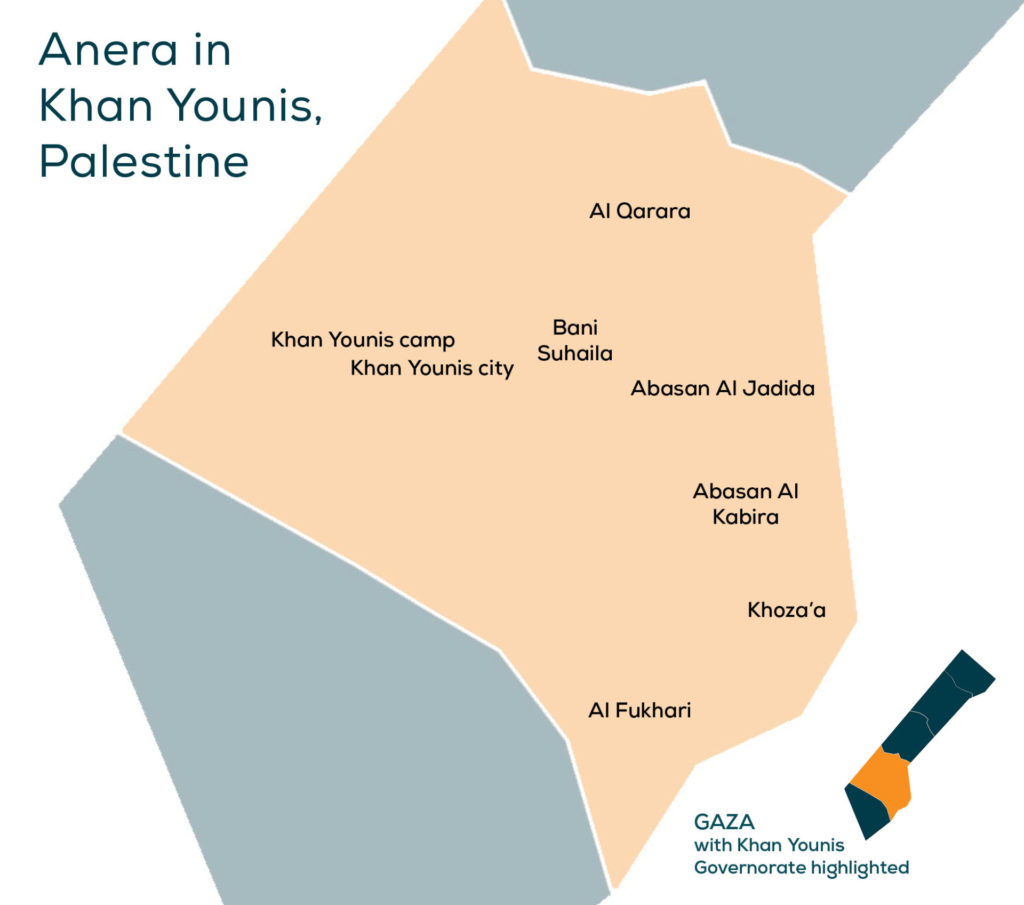
Tala, 14 , lives with her family in a tent in Al Masri Camp, a displacement camp in Khan Younis, Gaza. She recently had emergency surgery to remove her appendix, which had ruptured, causing an excruciating and life-threatening infection. At the hospital, her doctors made surgical openings to let the infection drain safely.
The day after being discharged, Tala had to walk to the hospital to have her dressings changed. She had to climb through soft, shifting sand that pressed painfully on her incisions. Her muscles cramped with every step. She could barely move.
“I couldn’t walk,” Tala says. “It hurt so much, and I was scared I would make the wound worse. I didn’t know how I would get the care I needed.”


“I didn’t know how I could take care of her in this tent,” Islam says of her daughter, Tala. “The sand gets everywhere. I was terrified I would hurt her.”
Thanks to funding from Tearfund, a Christian humanitarian and development charity, Anera's medical team was able to visit Tala in the tent where she lives. Our team cleaned the wound, changed the dressing, and treated the infection.
They explained why daily care was essential and taught Islam how to safely care for her daughter at home and minimize the risk of new infections, even in the cold, damp, sandy conditions.
“The fluids have to drain,” one of her health workers said. “[Otherwise], she can become very sick. Cleaning the wound every day keeps her safe.”
The team trained Islam to clean the wound, change bandages, manage the drainage, and recognize danger signs.
After three weeks of home care, Tala’s wound began healing, her strength returned, and she was finally able to go back to school. Returning to class was a major milestone for her and her family after weeks of weakness, pain, and limited mobility.
“Now I can go to school, and I feel like myself again,” Tala says.
In these profoundly challenging conditions, where most hospitals have been destroyed or severely damaged and access to medical care is limited, such interventions are not just treatment, they are life-saving.