World Environment Day
 by Anera
Posted in: About Anera, Days of Observance
First established by the United Nations in 1972, World Environment Day has become a global event promoting awareness and action to protect our environment. Celebrated every year on June 5th by civil society in over 140 countries, the day is an occasion to coordinate advocacy for environmental causes.
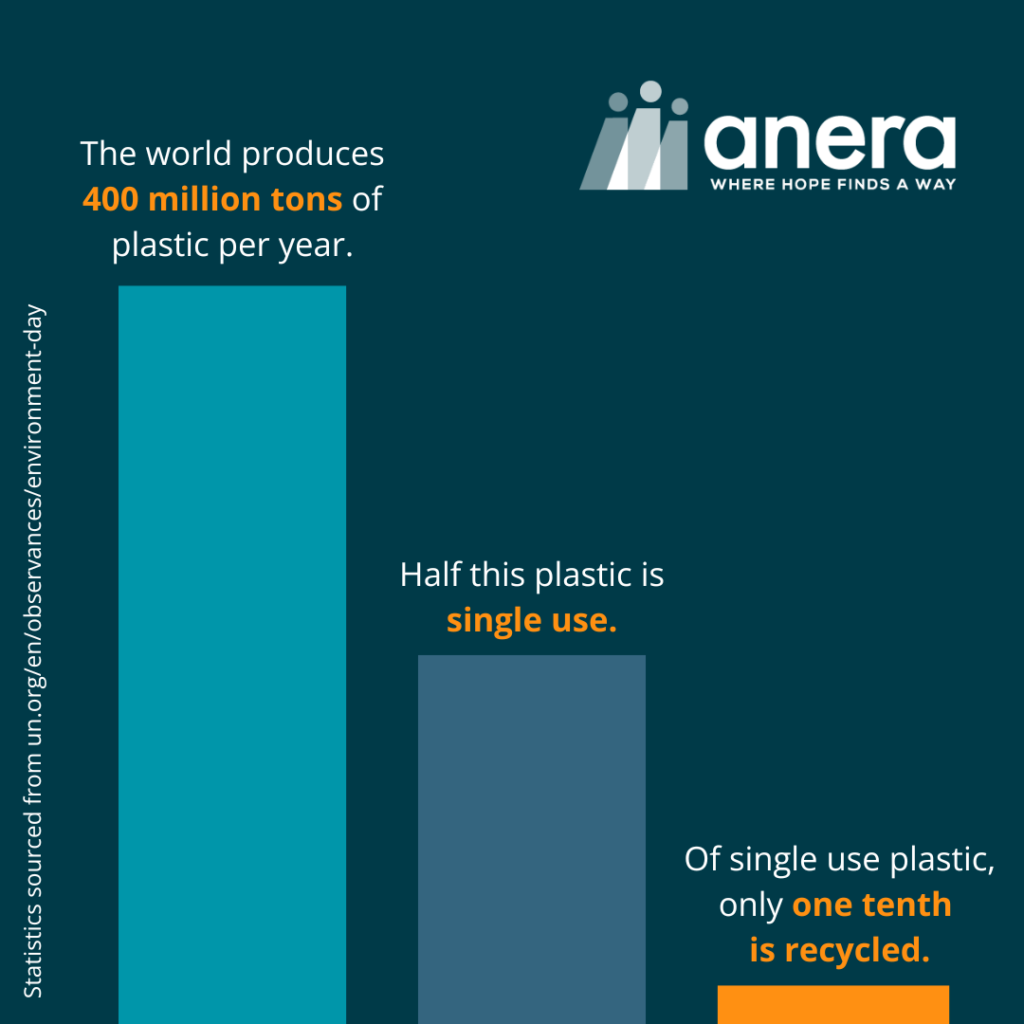
World Environment Day 2025: #BeatPlasticPollution
Each year, World Environment Day is a call to action for individuals, organizations and governments alike to take meaningful steps toward healing our planet. The theme for 2025, #BeatPlasticPollution, resonates deeply in the communities where Anera works, where the challenges of conflict and poverty are compounded by environmental degradation, and where plastic waste has become both a symbol and a symptom of crisis.
Despite these realities, communities in Palestine, Lebanon and Jordan are finding ways to build more sustainable futures. Anera is proud to walk beside them, supporting programs that reduce plastic waste, recycle materials and introduce eco-conscious practices.
Water Scarcity, Agriculture and Plastic Pollution Challenges
In many places where Anera works, such as refugee camps, people struggle with water scarcity, leaving many relying on bottled water for their drinking, cooking and hygiene needs.
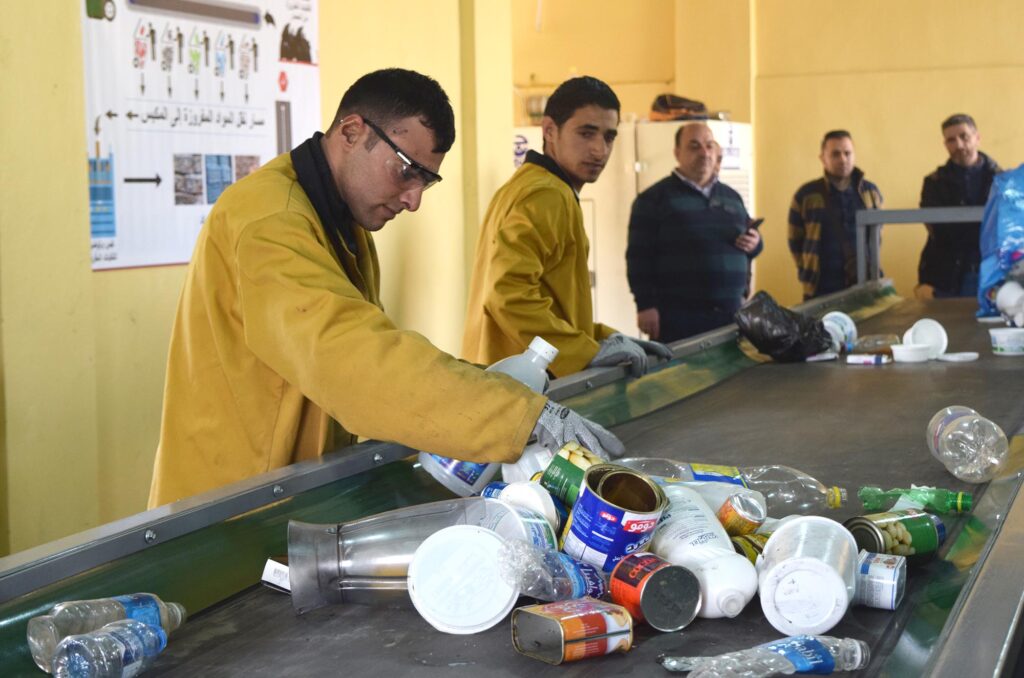
In Lebanon, where waste management systems have long been strained by overlapping crises, Anera has taken practical steps to tackle plastic pollution at its source. Through our community-based programs, we’ve supported the construction of four recycling centers in underserved areas – facilities that sort and process plastics and other solid waste, keeping landfills, waterways, and public spaces clean. But the impact doesn’t stop at collection. These centers are part of a closed-loop system that transforms plastic waste into usable materials.
Anera also provides families with water and sanitation infrastructure like desalination plants, communal water tanks and reverse osmosis systems that pipe water to homes and community gathering points, significantly reducing plastic waste.
Rooftop Gardens: Sustainable and Less Plastic Waste
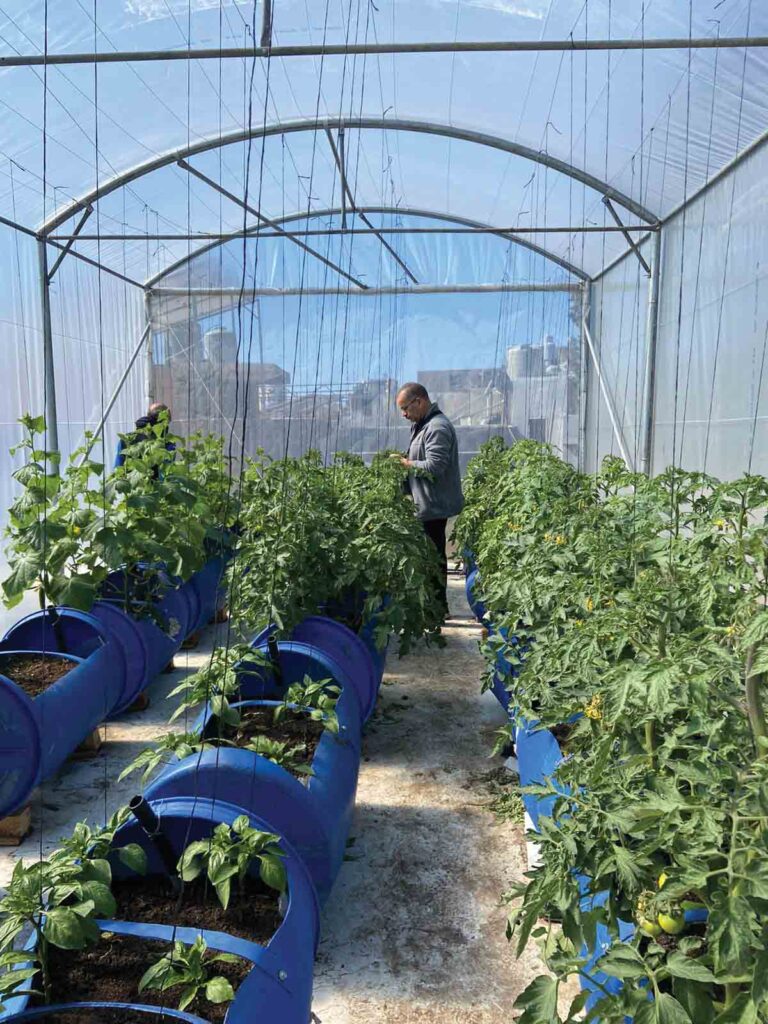
Anera’s rooftop gardens project across Palestine, Jordan and Lebanon is one of our most innovative systems for repurposing plastic. Used and recycled plastic barrels are cleaned, cut and repurposed as planters. These upcycled containers are durable, affordable, and widely available, making them ideal for urban agriculture.
The result is a win-win: less plastic waste clogging the environment, and more fresh produce growing in spaces once left idle. In dense urban neighborhoods across the region, these rooftop gardens are producing food, building community and proving that sustainability and resilience go hand in hand.
A Legacy of Environmental Action and Education
Anera has a long history of addressing environmental challenges in the region through innovative, community-based projects.
Anera promotes eco-friendly farming techniques across Lebanon, Palestine, and Jordan that reduce the agricultural sector’s reliance on plastic. By training farmers to employ practices like composting, natural pest control, and the use of biodegradable materials in greenhouses, farmers can move away from plastic mulch, synthetic fertilizer bags, and pesticide containers. Instead, they enrich their soil with organic compost and manage pests using natural alternatives, lowering both environmental impact and plastic waste on farms.
In Lebanon, through our cash-for-work and community development initiatives, Anera has supported local municipalities and youth groups in launching cleanup campaigns, sorting and recycling efforts, and upcycling workshops. One standout initiative involved training young people in Bekaa and Akkar to collect plastic waste and repurpose it into useful items – from eco-bricks used in construction to furniture for community centers. These projects not only reduce the burden of plastic waste, but also provide livelihoods, skills, and dignity in communities with limited options.
War’s Toll on Gaza’s Environment
The war in Gaza is not only a humanitarian catastrophe – it’s an environmental one. The destruction of infrastructure, including water networks, sewage systems, agricultural land, and solar installations, has turned large swaths of Gaza into uninhabitable rubble. Among the overlooked consequences is the sheer volume of plastic waste generated by conflict: shattered water tanks, water bottles delivered as aid, and medical supplies now litter the landscape with no functioning waste management system to contain or recycle them.
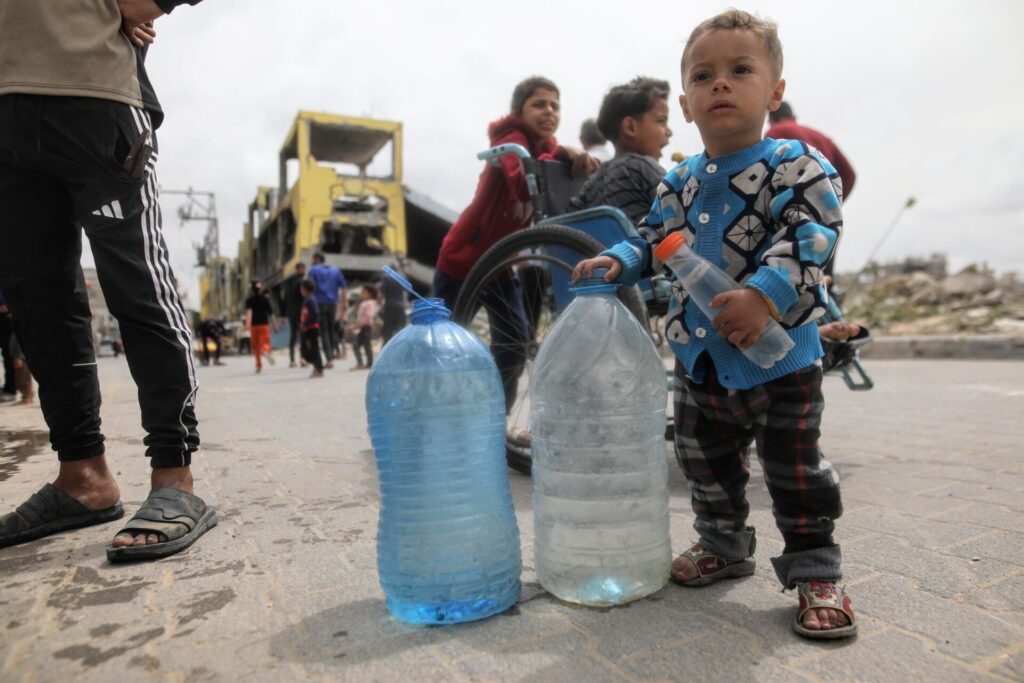
With Gaza’s only recycling facility destroyed and landfills overwhelmed, plastics and other solid waste are piling up in streets, open fields and displacement shelters. The blockade and ongoing hostilities prevent the regular flow of materials and fuel necessary to manage waste or operate machinery. In many areas, people resort to burning plastic just to make space – releasing toxic fumes into already-polluted air.
Gaza’s environment is being torn apart. When the war ends, just as rebuilding homes, hospitals, and schools will be essential, so too will rebuilding a livable environment – which includes tackling plastic pollution. Anera will be there, delivering our programs that restore critical infrastructure, restart waste management systems, repurpose plastic waste for agriculture and construction, and equip communities with the tools to heal both their land and their lives.
Our Common Future is a Shared Responsibility
On this World Environment Day, as the world rallies to #BeatPlasticPollution, Anera stands with the communities we serve – people who are not only surviving against immense odds, but also striving to protect and restore their environments. Whether it’s transforming discarded plastic containers into rooftop gardens in Jordan, reducing microplastics in Lebanon, or preparing to rebuild Gaza’s shattered ecosystems, our work shows that environmental action and humanitarian response must go hand in hand. The path to recovery is long, but a healthier, more sustainable future is possible if we continue to work together to turn the tide on plastic pollution, even in the hardest-hit corners of our world.
Making Peace with the Land 2024: Our Land. Our Future. We are #GenerationRestoration.
This year, the celebrations will be hosted by Saudi Arabia, and will focus on land restoration, halting desertification and building drought resilience. The goal is to make this happen through reforestation, reviving water sources and restoring soil. Recognizing that it is impossible to turn back time, the theme focuses on how to rehabilitate water and soil as the connective tissues of the earth.
At Anera, however, it is impossible to discuss the environment without bringing up Gaza and southern Lebanon. Constant airstrikes and the impact of chemicals on the water, air and soil are damaging the connective tissues that this day is advocating for. It is certainly impossible to turn back time, but it is not too late to prevent further environmental damage from happening.
In Gaza, bombings since October have flattened around 62% of the buildings, releasing hazardous materials into the soil, water and air. As of February 15, over 46% of all the cropland and trees in Gaza have been razed in an assault upon agriculture. People looking for firewood due to fuel shortages have been forced to cut down trees as well. Where once an ecosystem of farmland and orchards grew, now only dry soil remains.
Meanwhile, the pollution to the air in Gaza cannot be understated. Burning wood and plastic to cook food creates hazardous pollutants, while the use of cooking oil as gasoline and the dropping of bombs themselves release chemicals that go directly into the air. Besides the immediate sickness and discomfort this is causing to residents in Gaza, some sources have reported that such long-term impacts on the environment may be a potential form of ecocide.
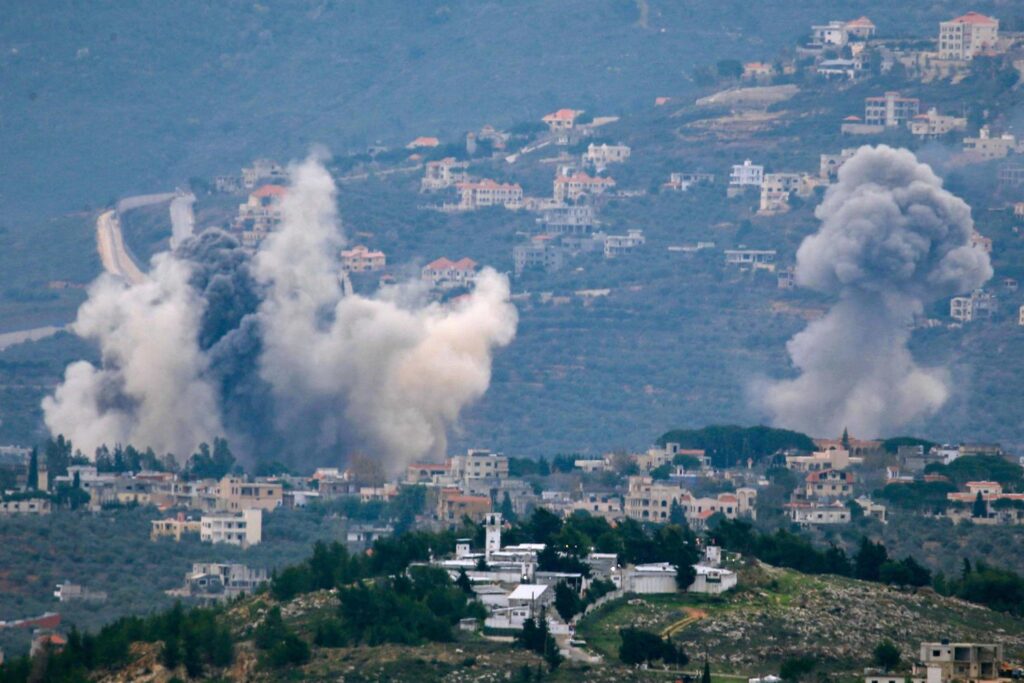
In southern Lebanon, many of the same issues from hostilities have emerged. In an especially concerning development, however, Israel has illegally used white phosphorus in its warfare. This chemical is prohibited under humanitarian law due to the long-term impacts it has upon the environment. The chemical ignites instantly upon contact with oxygen, sticks to subjects while burning, and can burn through bone. Compounds that remain unignited in water and soil can stay in the environment for thousands of years. In at least 120 instances, Israel has bombed southern Lebanon with the chemical, destroying 47,000 olive trees and other agricultural land.
The goal to make peace with the land is impossible without looking at the violence that is being presently inflicted upon it. To plant trees, resist drought and rehabilitate freshwater sources, the air, water and soil must be free from persecution. And, ultimately, the air, water and soil must be safe from environmental degradation for humans to safely exist. Through a ceasefire now, it may be possible to work towards the goals of World Environment Day in a tangible and sustainable way.
Protecting the environment in Gaza and southern Lebanon is not just an ecological necessity but a humanitarian imperative for the well-being and future of their people.
#OnThisLand: Anera promotes responsible, sustainable development in Palestine, Lebanon and Jordan
The theme for 2020 is biodiversity – an urgent global concern.
In Palestine, Lebanon and Jordan, the health of both humans and the environment suffers from water shortages, climate change and pollution. Urban areas grow more polluted as their populations increase. Farm fields lay fallow. And families struggle to get the water and other essentials they need to survive.
Since 1968, Anera has been delivering programs that help families make responsible and sustainable use of natural resources in the Middle East. Our programs reuse resources that would otherwise go to waste, respect land and water by using these natural riches in the most eco-friendly ways, and replenish the beauty of the land through responsible waste and water management and the use of renewable energy sources.
Environmentally sustainable programs Anera donors make possible
Using treated wastewater
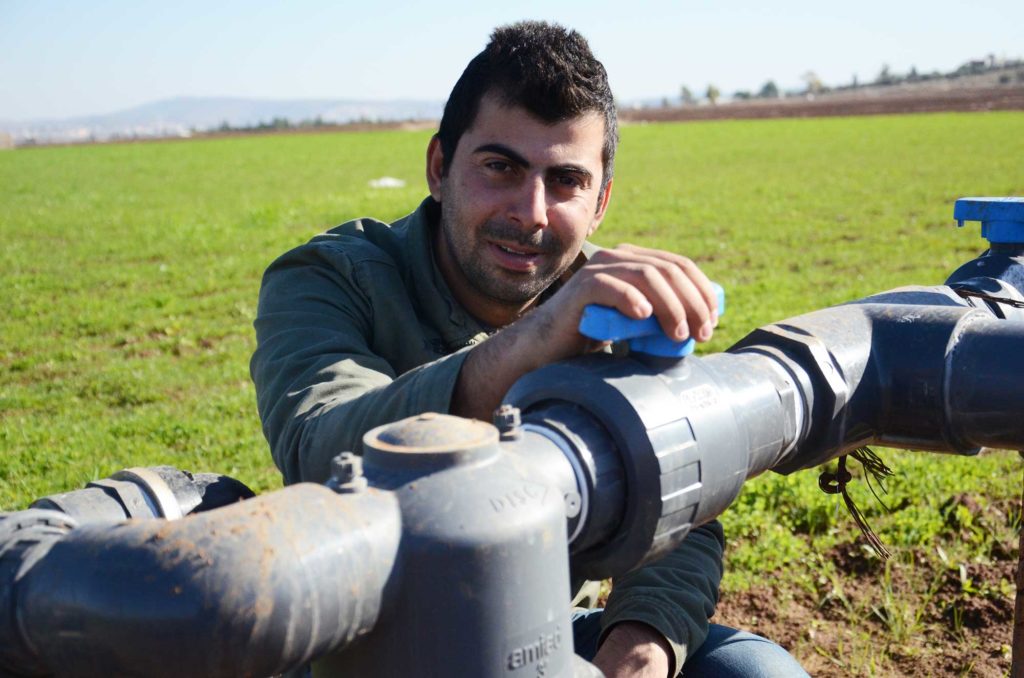
Water is precious and scarce in the arid West Bank, but Palestinian municipalities discard wastewater every day, often paying a fee to Israel to do so. Anera has found a way to save and reuse wastewater on a major scale in two locations: in Jenin, where 70 farming families now can irrigate 740 acres of fodder and tree crops; and in Ramallah, a city of 40,000, where the municipality can now make use of 79,000 gallons of wastewater a day for fire-fighting and irrigating parks.
Desalinating water
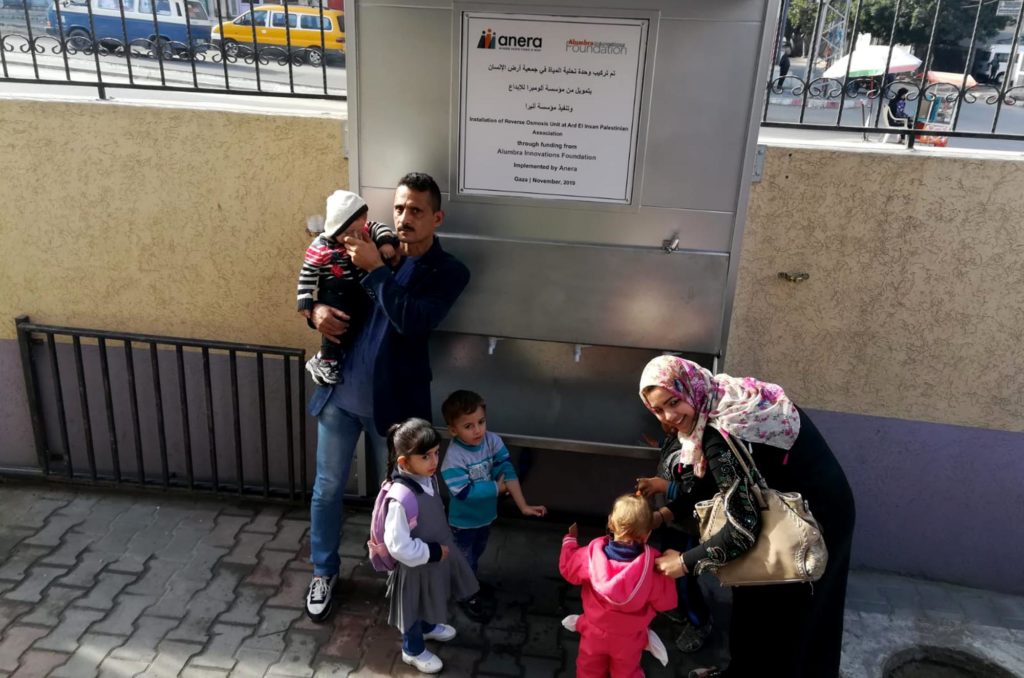
Gaza’s drinking water’s chemical and biological pollution is due to high levels of salinity and fecal contamination. Most tap water in Gaza is unfit for human consumption. To address these problems, Anera recently installed new desalination units at two health care centers in Gaza, one that works with malnourished children and the other is a major hospital. The units Anera installed deliver 15,840 gallons of water daily to these centers.
Recycling waste
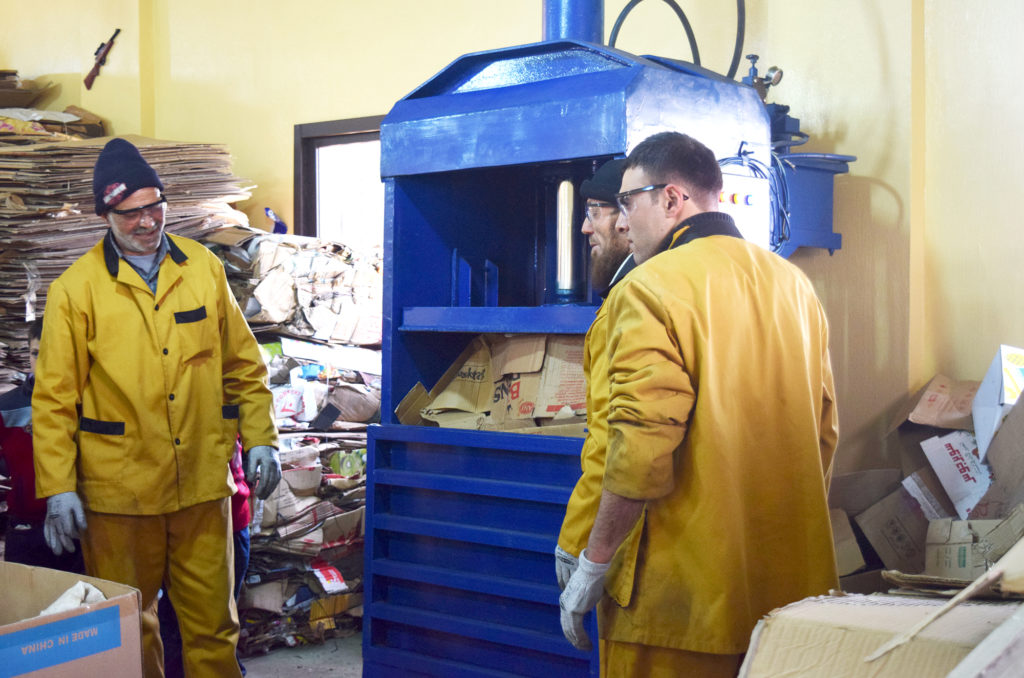
The Lebanon trash crisis is instigating a youth-led response in many communities where Anera works, from refugee camps to to remote villages. Anera volunteers promote a culture of recycling and proper waste collection through awareness sessions, distribution of recycling bins, tree planting and litter clean-up. Anera has built three sorting facilities that prepare ~70 tons of waste every day for recycling and composting.
Cultivating land
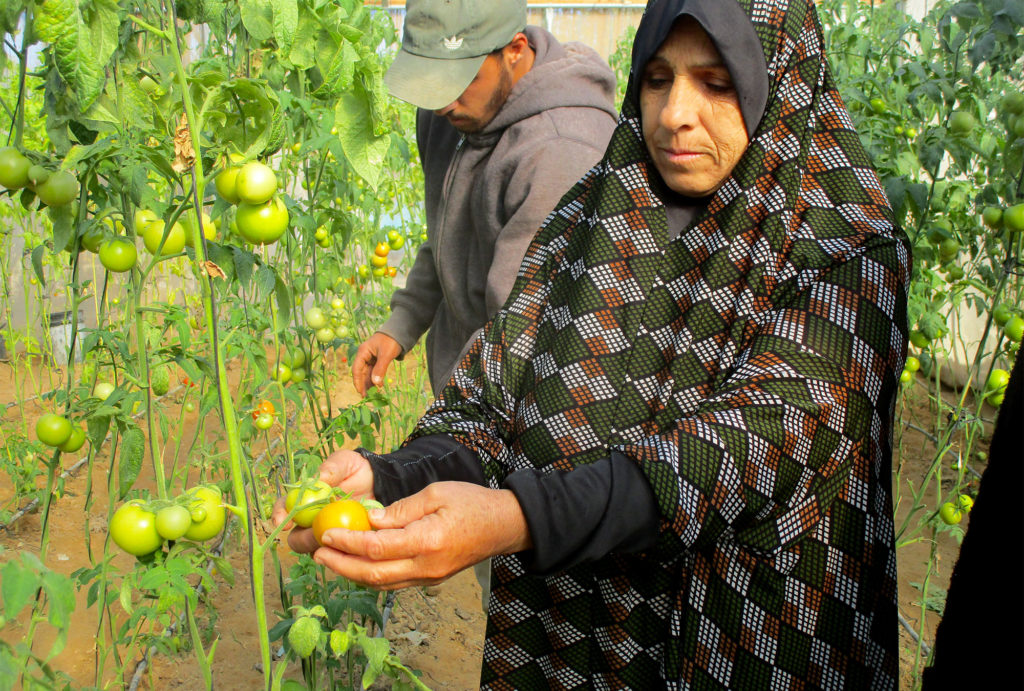
Farming is one of the few ways for Palestinians to make a living in uncertain times. But the shortage of water in the region and outdated cultivation techniques challenge farmers. Anera works on a small-scale and sustainable level. We support agricultural cooperatives that help Palestinian farmers share resources. Over the past two year years, we built greenhouses on 184 Gaza family lands, helping farmers use water efficiently and grow crops appropriate to the soil, climate and season.
Installing solar panels
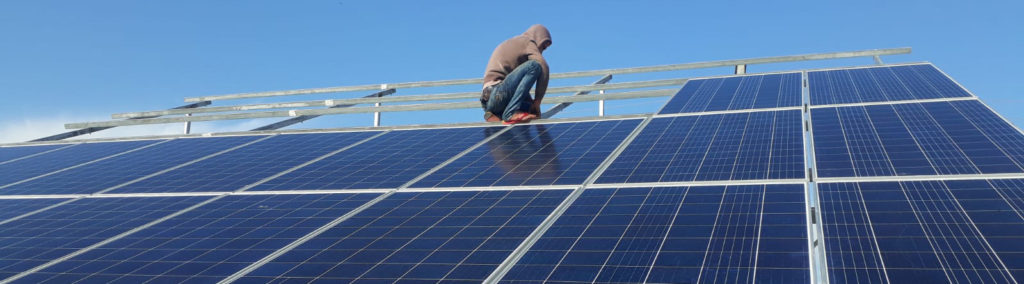
The availability of electricity can be hard to predict in the communities Anera serves. But, in resource-strapped Palestine and Lebanon, sunlight is one thing in ample supply. Anera is harnessing the sun’s rays to power buildings in both countries. We have installed solar panels on dozens of schools, community centers, hospitals and clinics, and waste-sorting facilities.
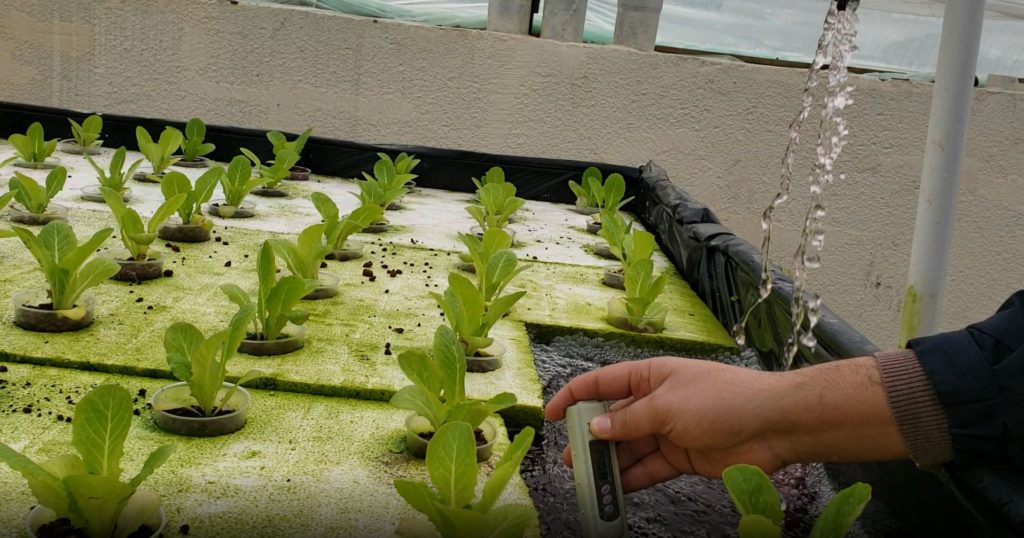
Establishing hydroponic gardens
Hydroponic cultivation can play an important role in meeting food security challenges. A small area can produce many fruits and vegetables at a very low cost with little more than PVC pipes and a pump to circulate a small amount of nutrient-rich water. Gaza, with its high population and scarcity of water, is in dire need of hydroponic agriculture. Anera just installed a hydroponic garden at a Gaza women’s center, providing fresh produce for its members.