
April 23 Update on Conditions & Response in Lebanon, Palestine & Jordan
 by Anera
Posted in: News
Lebanon Update
The situation in Lebanon remains highly volatile, particularly in the south, where Israeli demolitions, shelling, drone strikes and air raids continue despite ceasefire efforts. Large swaths of territory near the border remain unsafe and effectively inaccessible. Residents and local officials describe a newly imposed “yellow line” stretching across parts of southern Lebanon – areas that have been heavily damaged, depopulated or remain under threat. In some border areas where roughly 170,000 people once lived, only about 28,000 are believed to remain. In practical terms, the communities within the new zone cannot safely return, and access to food, water, healthcare and other essentials remains severely limited.
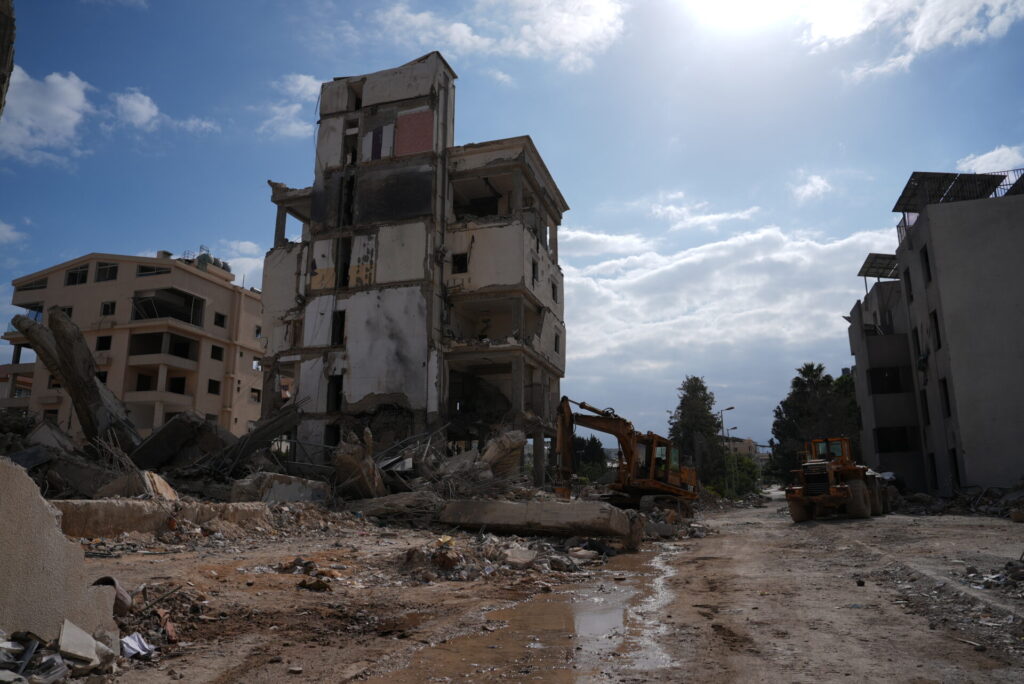
Displacement continues on a massive scale. During the height of the war, an estimated 1.2 million people were uprooted. While some families have attempted to return home since the ceasefire to assess damage, many subsequently returned to shelters after finding destroyed infrastructure or ongoing insecurity. Current estimates place displacement at around 800,000 people, including more than 100,000 still living in collective shelters. Population movement remains fluid, with families moving back and forth between homes, shelters and host communities depending on security conditions.
At the political level, Lebanon is pursuing negotiations aimed at stabilizing the south and preventing renewed conflict. Additional rounds of talks are expected in the coming days, potentially at a higher level of leadership. But the outlook remains uncertain and many fear that without a durable agreement, renewed escalation remains possible.
Amid this uncertainty, humanitarian needs remain acute and Anera’s response continues. Food distributions, hot meal programs and hygiene support are ongoing for displaced families and vulnerable communities. After briefly pausing some activities to reassess rapidly shifting displacement patterns, operations have resumed as needs remain high. Anera is also preparing cash-for-work programs designed to support both displaced families and host communities, beginning with pilot agricultural initiatives that can restore income while helping local recovery.
Water infrastructure is another urgent priority. Many villages in the south have suffered severe damage to water systems, leaving communities cut off from reliable supply. Anera is working with local water authorities to provide generators, spare parts and other equipment needed to restore service. Support from donors is helping accelerate these efforts so that water can reach towns and villages still struggling with the aftermath of war.
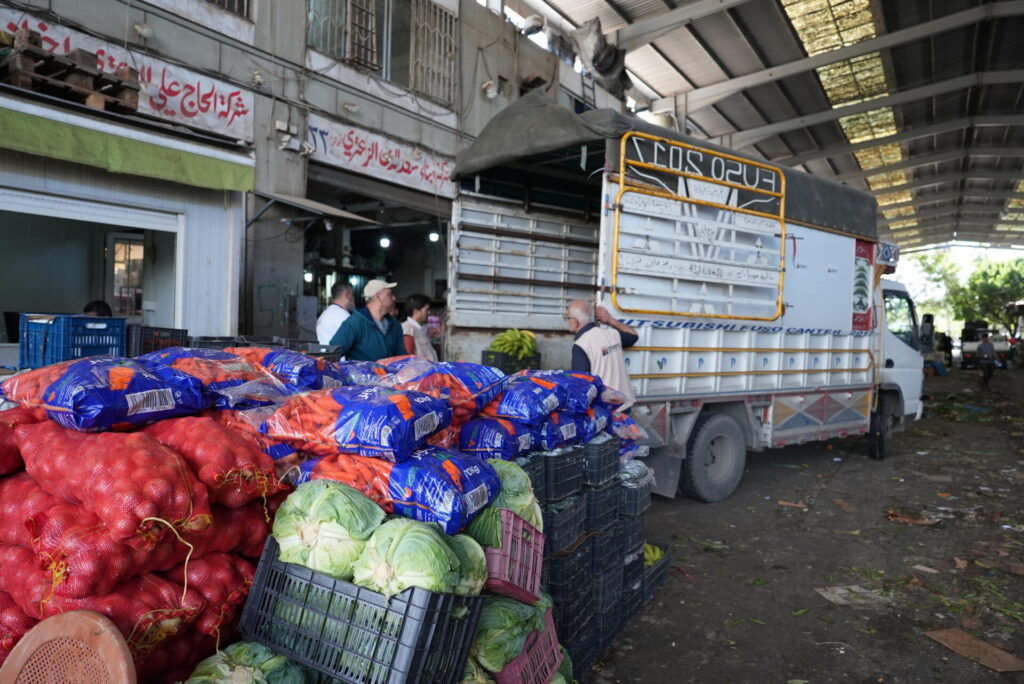
Anera has also begun reaching some of the hardest-hit and hardest-to-access areas in the south with humanitarian convoys. In one recent delivery, residents who had gone more than six weeks without fresh produce or bottled water received urgently needed supplies. These communities remain among the highest priorities for future assistance.
Healthcare needs are also growing. Lebanon’s hospitals and primary healthcare centers are under intense pressure, with shortages of medicines and supplies compounding existing strain on the health system. In response, Anera is procuring and distributing medical supplies, including more than $200,000 in medicines sourced locally, while supporting clinics and mobile or satellite health units serving displaced families.
For now, Lebanon remains in a fragile holding pattern: active insecurity in the south, large-scale displacement, overstretched services and uncertain diplomacy. Until conditions stabilize, humanitarian support remains essential for hundreds of thousands of families trying to rebuild their lives.
Palestine Update
Please check out our response log to learn about what Anera is doing in Palestine.
The situation in Palestine continues to deteriorate, with no meaningful signs of stabilization. Instead, conditions in both Gaza and the West Bank are becoming more complex, fragmented and difficult for residents to navigate. What was once described as a humanitarian emergency is increasingly a broader political and institutional crisis, with direct consequences for daily life, security and access to essential services.
GAZA
Despite periods described as ceasefire or de-escalation, violence in Gaza has continued. Civilians are still being killed and injured in shelling. Even in moments when fighting is expected to subside, insecurity remains a daily reality.
At the same time, Gaza is facing an increasingly dangerous internal fragmentation of authority and security. Reports continue of armed groups operating in different areas, localized clashes, and competing centers of control that further endanger civilians. This breakdown adds another layer of risk beyond the ongoing military conflict, making movement, aid delivery and community protection even more difficult. For humanitarian workers and local residents alike, the challenge is no longer only external violence but also growing instability within Gaza itself.
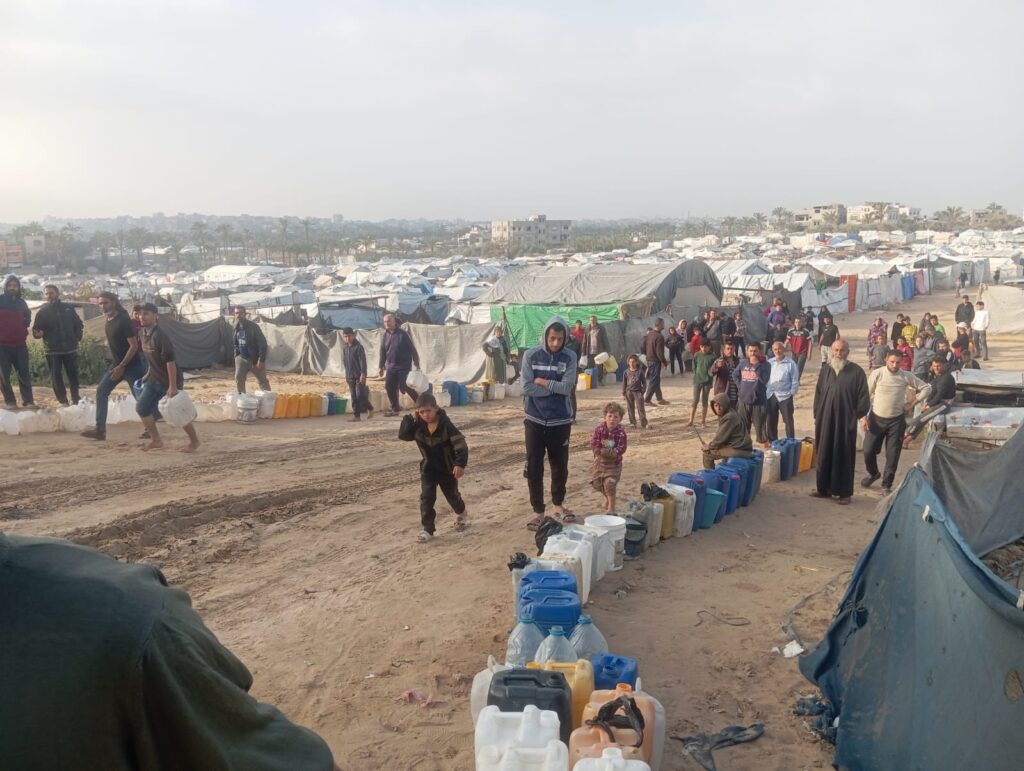
The humanitarian situation is worsening. Overcrowded displacement sites, severe water shortages, sewage overflow, accumulated waste and damaged infrastructure are contributing to rising rates of infectious diseases, particularly among children. Families in shelters report fevers, skin infections and fatigue, while lacking access to treatment, hygiene supplies or clean water. Large volumes of garbage and rubble in urban areas have created conditions for rodents, insects and further disease transmission. Gaza’s crisis is no longer only about food and shelter. It is increasingly a public health emergency.
Political uncertainty is also intensifying. Negotiations over governance, security arrangements and the future administration of Gaza continue, but no clear pathway has emerged. Questions over who will govern Gaza, how reconstruction will proceed, and what role different Palestinian factions and international actors will play remain unresolved. As a result, the humanitarian crisis continues without a stable political framework for recovery.
THE WEST BANK & JERUSALEM
The West Bank continues to face its own crisis marked by expanding military raids, arrests, demolitions, movement restrictions and settler violence. The security situation in the West Bank is the worst it has ever been. There is risk of settler violence everywhere, with Anera program teams having to think twice about visits and routes to project sites. Attacks are no longer limited to remote rural communities. Villages near major urban centers are also being targeted.
Daily life has been severely disrupted and residents describe growing fear. Roads and checkpoints remain unpredictable, with travel times that can shift from under an hour to several hours depending on closures or military presence. Students in some areas have struggled to reach schools and have been forced to take exams outdoors or in improvised locations because of access restrictions. Communities continue to move and function where possible, but under constant uncertainty and insecurity.
Jerusalem is also under mounting pressure. Economic conditions in East Jerusalem and the Old City remain severe, while restrictions on movement from the West Bank into Jerusalem continue to tighten. Educators and NGO workers face permit reductions or possible revocations, threatening livelihoods and access to institutions. Local leaders warn that these measures are contributing to the long-term erosion of Palestinian presence in the city.
Alongside the volatile environment, the Palestinian Authority faces a deepening fiscal crisis driven in part by the withholding of tax revenues. This has sharply reduced the government’s ability to pay salaries and maintain services. Public employees have received only partial and irregular payments, while some ministries are operating only one or two days per week.
The health sector is under particular strain. Hospitals are carrying large unpaid debts and struggling to pay staff or suppliers, leading some vendors to halt deliveries of medicines and equipment. This is especially affecting patients who require specialized treatment, including cancer care and cardiac services. Health workers have also gone out on strike periodically, leaving only emergency and critical care services functioning in some facilities.
Humanitarian assistance in Palestine remains essential, but it cannot by itself resolve the structural drivers of the crisis. Without political solutions, protection for civilians and restored institutional functioning, conditions are likely to worsen further in the months ahead.
JORDAN
Jordan remains stable, with no major security concerns affecting operations at this time. As a result, Anera’s programs across the country continue to be implemented as planned, allowing education, psychosocial support and community development activities to move forward without significant disruption.
Anera has launched its HIRE vocational training and employability initiative, creating new opportunities for youth and job seekers. Community agriculture efforts are also showing encouraging progress, with rooftop gardens in schools and homes now entering harvest season. These projects offer a welcome example of growth and stability amid a difficult regional environment.
 by
by