Today, Palestinians in the West Bank face long-standing restrictions and a rapidly worsening humanitarian crisis. Movement restrictions, settlement expansion, demolitions, settler violence, military operations and limits on land, construction and water access make it harder for families to reach work, school, healthcare, farmland and markets.
Anera’s work in Palestine began in 1968, when a group of concerned Americans and U.S. charities came together to provide relief to Palestinians in the West Bank who had been displaced by the 1967 Arab-Israeli War.
Because of the Anera Community
Donor Impact
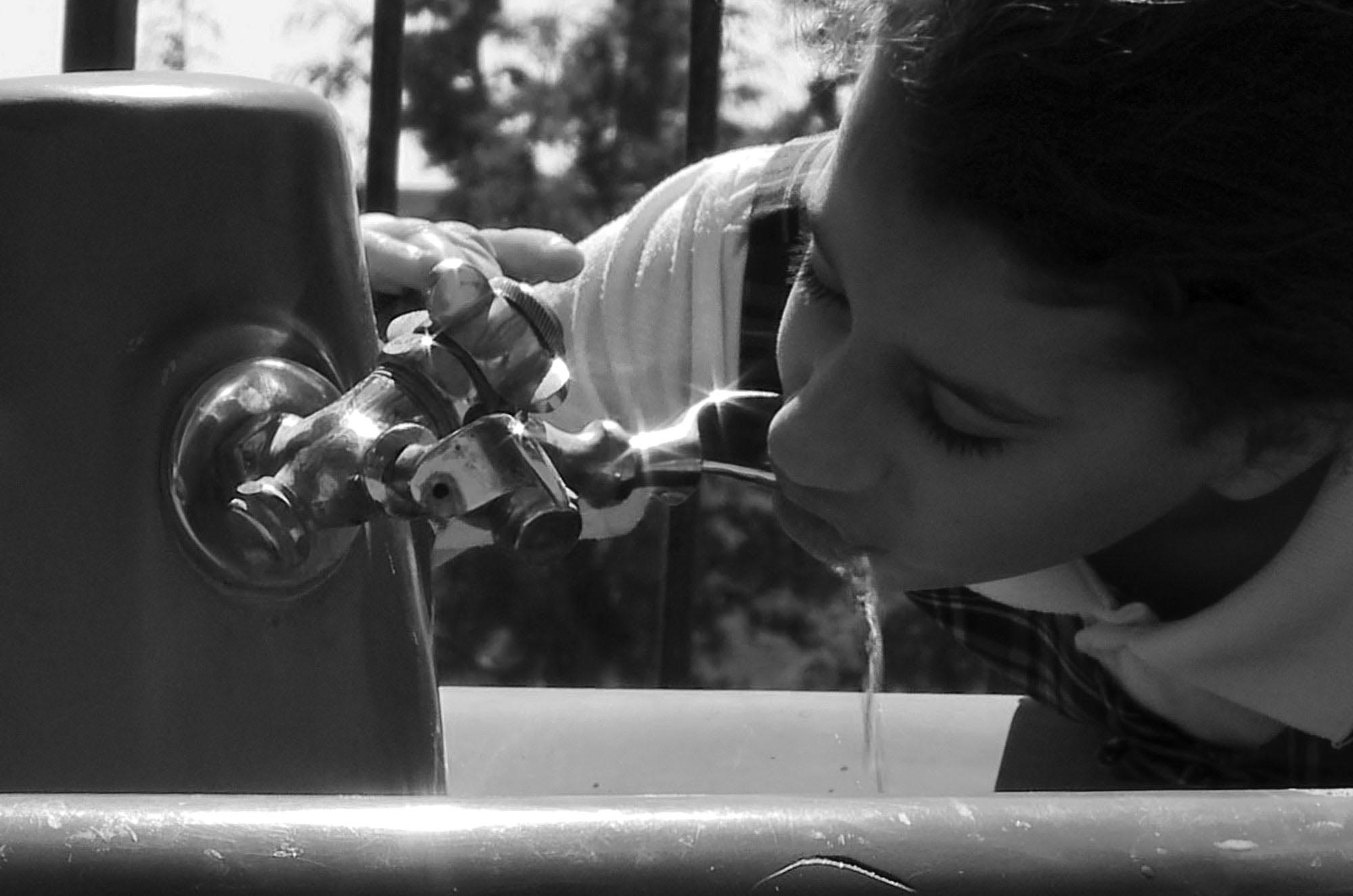
Water is Restored to Remote West Bank Areas
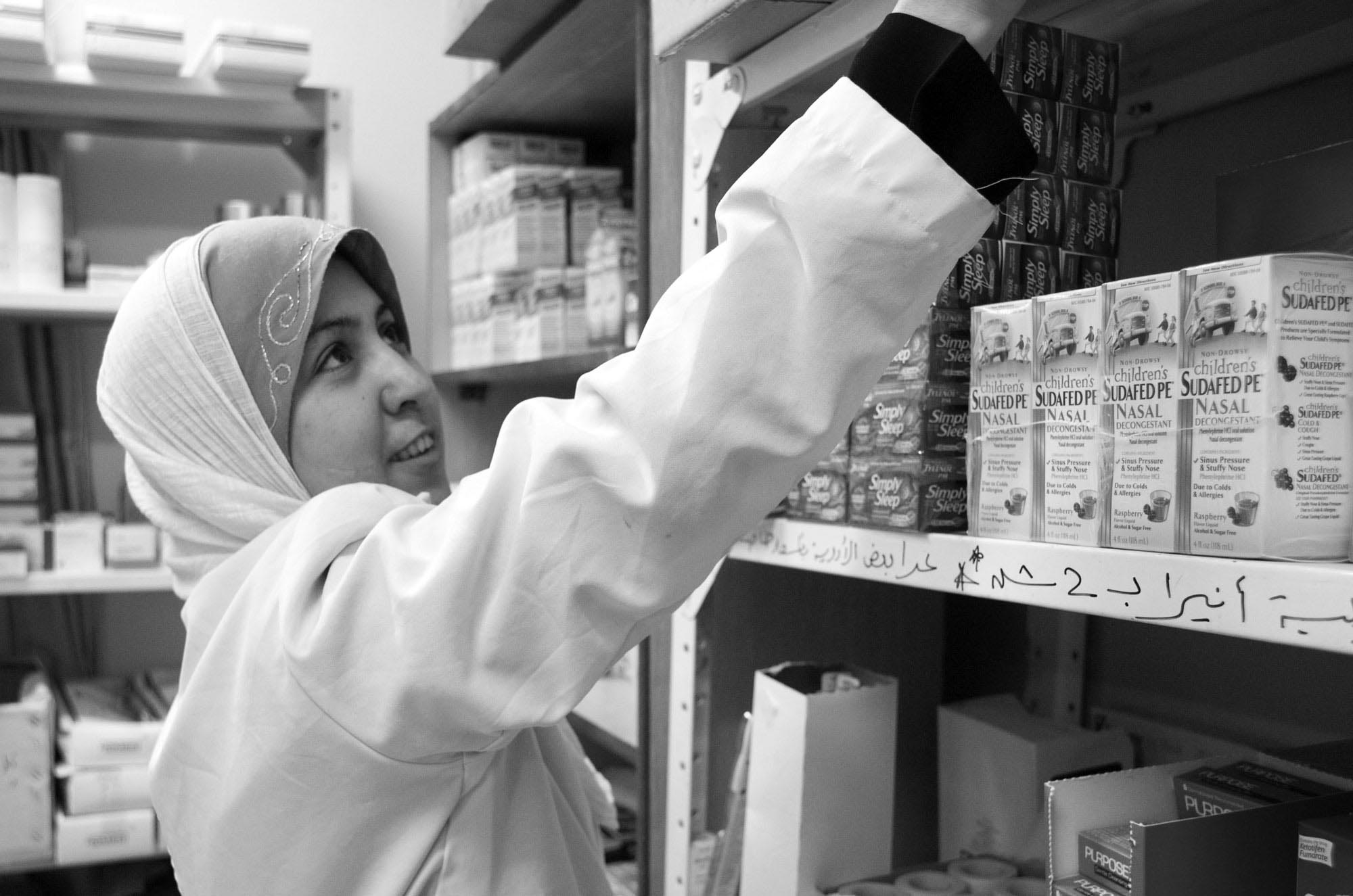
Hundreds of Much-Needed Wheelchairs for Ramallah, West Bank
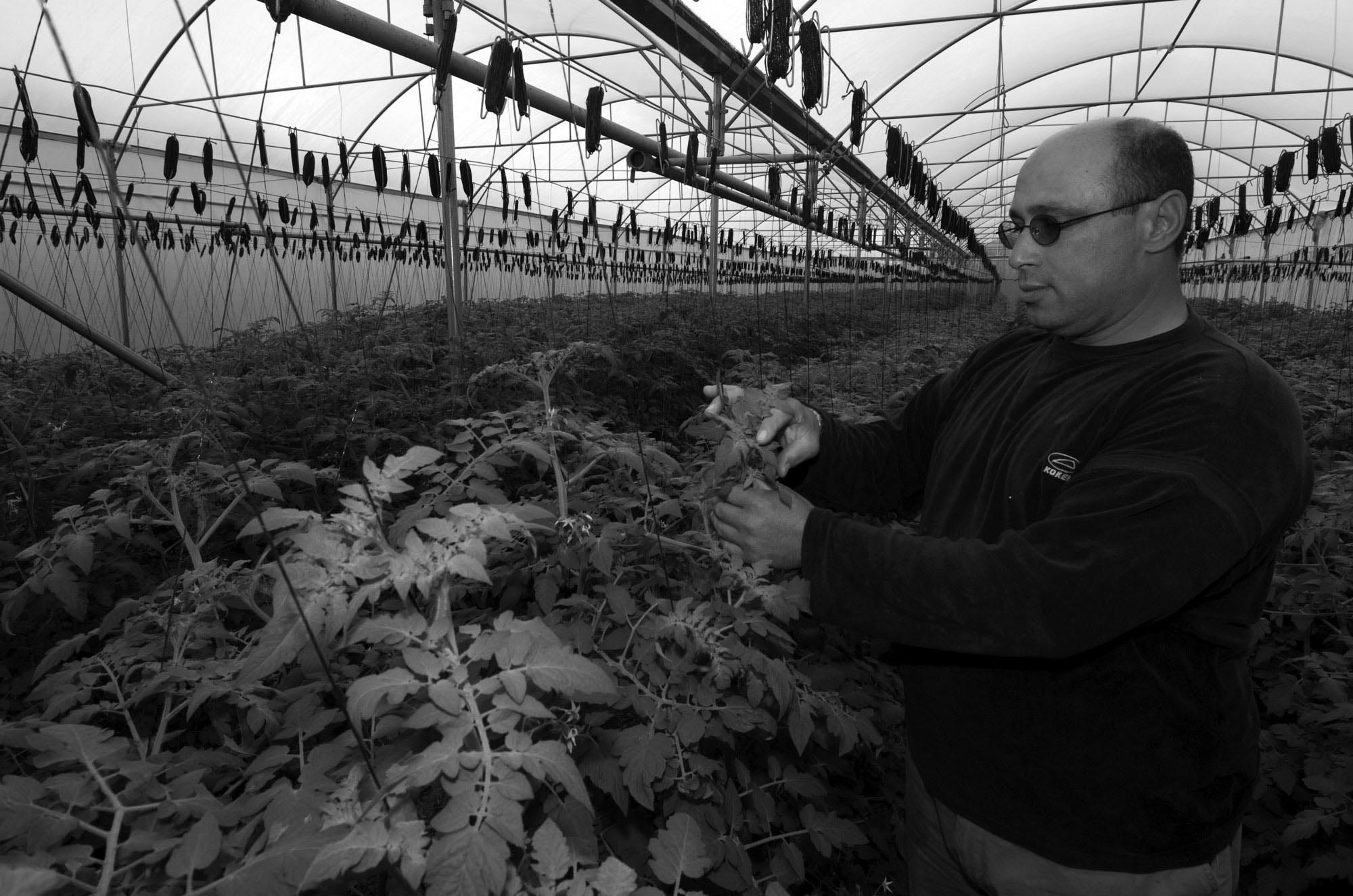
Saving Palestine Olive Trees as Part of School Repairs
What Your Donation Supports in the West Bank
With donor support, Anera helps communities across the West Bank improve access to healthcare, clean water, education, employment, agriculture and community infrastructure. Your support also helps families and communities respond to emergencies, displacement and rising economic pressure.
Donations to Anera support practical, community-led projects that help Palestinians meet urgent needs and build stronger futures. This includes delivering medicines, improving water systems, supporting farmers, expanding access to education, helping small businesses and strengthening local infrastructure.
Anera’s focus areas in the West Bank include:
- Agriculture: Supporting farmers with tools, infrastructure and systems that help them protect livelihoods and make better use of scarce water and land resources.
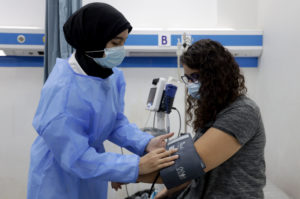
- Health: Delivering medicines and medical supplies to clinics and hospitals, including support for chronic conditions and urgent healthcare needs.
- Livelihoods & Community: Helping Palestinians start businesses, improve local services and strengthen community spaces.
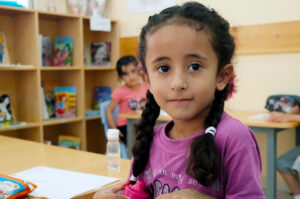
- Education: Expanding access to safe, supportive learning spaces for children, youth and adults, including job skills training.
- Water: Repairing and expanding water networks, improving water storage and helping families access clean water.
- Emergency Relief: Providing supplies and support during war, displacement, demolitions and other crises.
Anera's Deep Roots in West Bank
Anera has worked across governorates throughout the West Bank, supporting healthcare, education, water, agriculture, community infrastructure and livelihoods. Choose a governorate and click to learn more about Anera's work in that area.
Tulkarem
Current Projects
- Delivering medicines to the Palestine Red Crescent Society of Tulkarem
Recent Projects
- Constructed six metal reservoirs on farms in Thinnabeh
- Renovated the community park in Zeita
- Built a new three-story girls' school in Qaffin
Learn more about our long history and work in Tulkarem.
Ramallah
Current Projects
- Installing a wastewater reuse network in Ramallah
- Delivering medicines to the Treatment and Rehabilitation Center for Victims of Torture
Recent Projects
- Built new preschools in Qibya and Ni'lin
- Constructed a reservoir and water network in Bil'in
- Installed six new parks in Ramallah and nearby villages
Learn more about our long history and work in Ramallah.
Hebron
Current Projects
- Building a new preschool in As Sammu
- Delivering medicines to four Hebron area Palestine Red Crescent Societies
Recent Projects
- Connected five villages near Yatta to a water network
- Added a floor to the Hatta co-ed elementary school
- Built a new preschool in Al Majd
Learn more about our long history and work in Hebron.
BY THE NUMBERS
Current State of the West Bank
Life for Palestinians in the West Bank
Life in the West Bank is shaped by layers of restrictions that affect nearly every part of daily life. Palestinians must navigate checkpoints, road gates, walls and other obstacles that divide communities and limit access to work, school, healthcare, farmland and markets. These barriers also make it harder for aid organizations to reach communities in need.
The West Bank is divided into Areas A, B and C. Area C covers more than 60 percent of the West Bank and remains under Israeli control for planning, zoning and security. Hundreds of thousands of Palestinians live in communities located partly or fully in Area C, alongside Israeli settlements. Palestinians living in Area C often face major barriers to building homes, repairing infrastructure and accessing farmland.
In recent years, and especially since war broke out in October 2023, the situation has worsened. Settler attacks, demolitions, land access restrictions and Israeli military operations have displaced families, damaged homes and affected farms, water systems, schools and livelihoods.
Agriculture is central to Palestinian livelihoods, but farmers face shrinking access to land, grazing areas and markets. Water access is also under growing strain, with many communities relying on expensive trucked water when networks, wells or storage systems are damaged or inaccessible.
The Situation for Palestinian Refugees Living in the West Bank
More than 912,000 registered Palestine refugees live in the West Bank, with about a quarter living in 19 recognized refugee camps. Many others live in towns and villages near the camps. Refugee communities face many of the same challenges as other Palestinians in the West Bank, including movement restrictions and limited economic opportunity.
Conditions have become especially difficult in northern West Bank refugee camps. Since early 2025, tens of thousands of Palestinians have been displaced from Jenin, Tulkarm and Nur Shams refugee camps and surrounding areas due to ongoing operations and restrictions. Families who have fled often face urgent needs for shelter, healthcare, income support and basic supplies.
Palestinian Refugee Camps in the West Bank
The West Bank has 19 recognized Palestine refugee camps, the highest number of any region. These camps are generally smaller than refugee camps in Gaza, Lebanon and Jordan, but they still face overcrowding and limited resources. Recognized refugee camps in the West Bank include:
- Deir 'Ammar Camp
- Qalandia Camp (preschool)
- Am'ari camp
- Tulkarem Camp
- Balata Camp
- Ein Beit Al Ma Camp
- Shu'fat Camp
- Nur Shams Camp
- Dheisheh Camp
- Fawwar Camp (Anera history)
- Beit Jibrin Camp
- Jalazone Camp
- Aqabat Jaber Camp
- Far'a Camp
- Arroub Camp (playground)
- Ein El Sultan Camp
- Jenin Camp
- Askar Camp (preschool)
- Aida Camp
Across nearly more than 50 years of work, Anera has supported communities throughout Palestine, including refugee camps in the West Bank. WThis work has included building and renovating preschools, training teachers, developing playgrounds, supporting markets, improving irrigation systems and delivering medical aid to clinics and hospitals.