There is a humanitarian catastrophe in Gaza. Before October 7, about 80% of Gaza's population of over two million people relied on humanitarian aid. Now, nearly every resident urgently needs aid. Anera is delivering food, water, medicine and hygiene kits right now to those in Gaza displaced by the war. Donate now to help innocent lives in Gaza.
Stay up to date with the latest news in Gaza and follow Anera's work in our daily response log. Find answers to the most frequently asked questions about our emergency response in Gaza here.
The Situation in Gaza Now
The ongoing war since October 7, 2023 has devastated Gaza, with extensive Israeli bombings leading to widespread destruction of water and sewage infrastructure, healthcare, telecommunications and housing.
In the first two weeks of the war, Israel imposed a total blockade on the Gaza Strip, preventing the entry of vital necessities including food, water, medicine, fuel, and electricity. The restrictions tightened the existing blockade imposed since 2007, and worsened the humanitarian crisis. Fuel shortages meant drinking water could no longer be purified or pumped. Fuel was necessary for transporting aid and powering essential facilities like healthcare centers. Since October 21, trucks have been allowed to enter Gaza, but current restrictions mean they are entering at a rate well below prewar levels, and far below the numbers needed to address the huge needs.
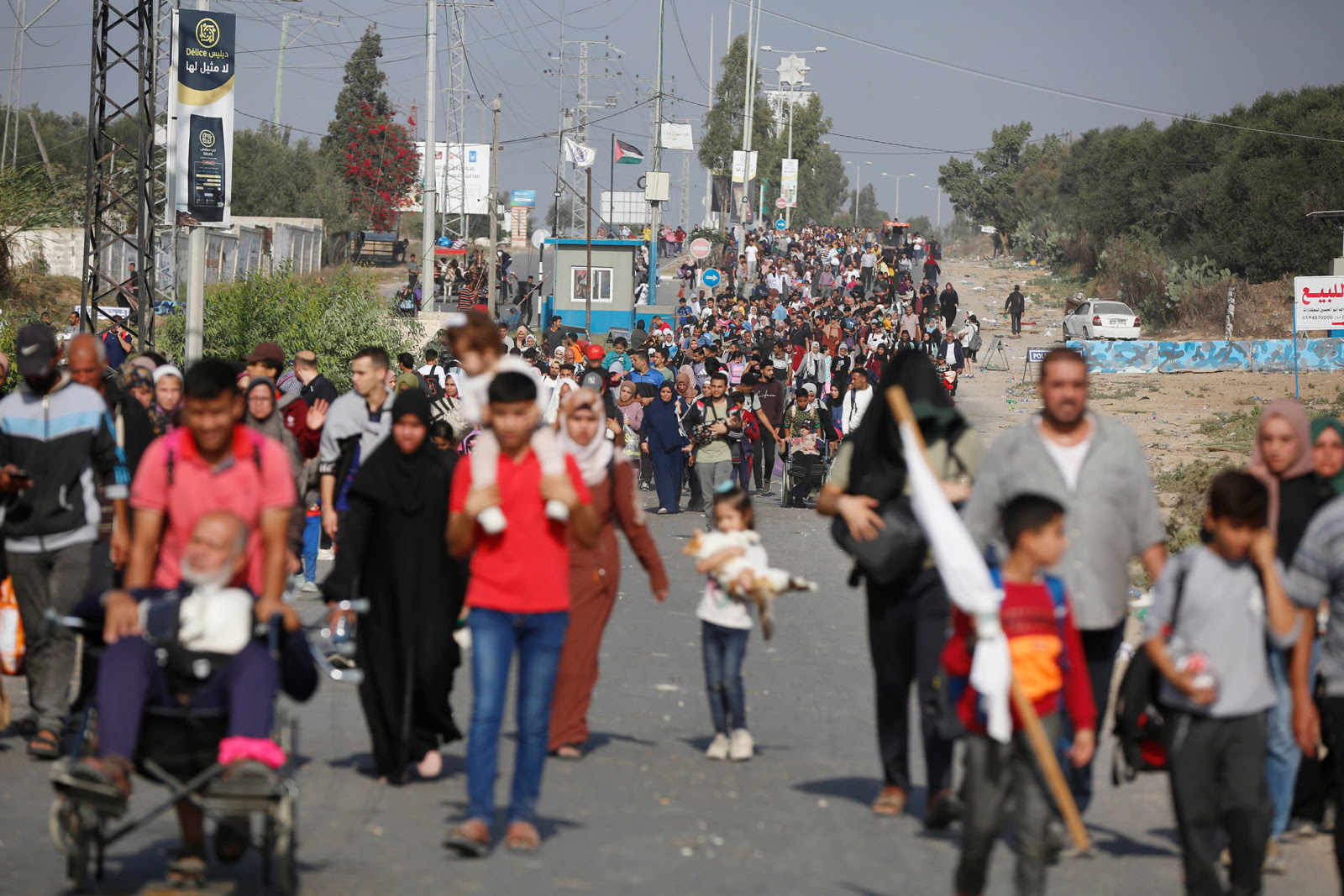
On October 12, 2023, 1.1 million Palestinians received evacuation orders to relocate south of Wadi Gaza to escape bombing and Israeli military operations. Despite promises of safety in the southern areas, bombing continued across all of Gaza. Some civilians in northern Gaza chose not to evacuate, either due to physical constraints or the fear of permanent displacement, echoing the collective trauma ingrained in Palestinians from generations of forced dislocation onto diminishing lands.
A pause in hostilities, from November 24 to 30, created space for more humanitarian aid to enter and get disbursed into Gaza in order to address civilian suffering. This surge in relief was far too brief to meet the overwhelming needs of the population. Since the resumption of hostilities on December 1, the situation has only deteriorated further.
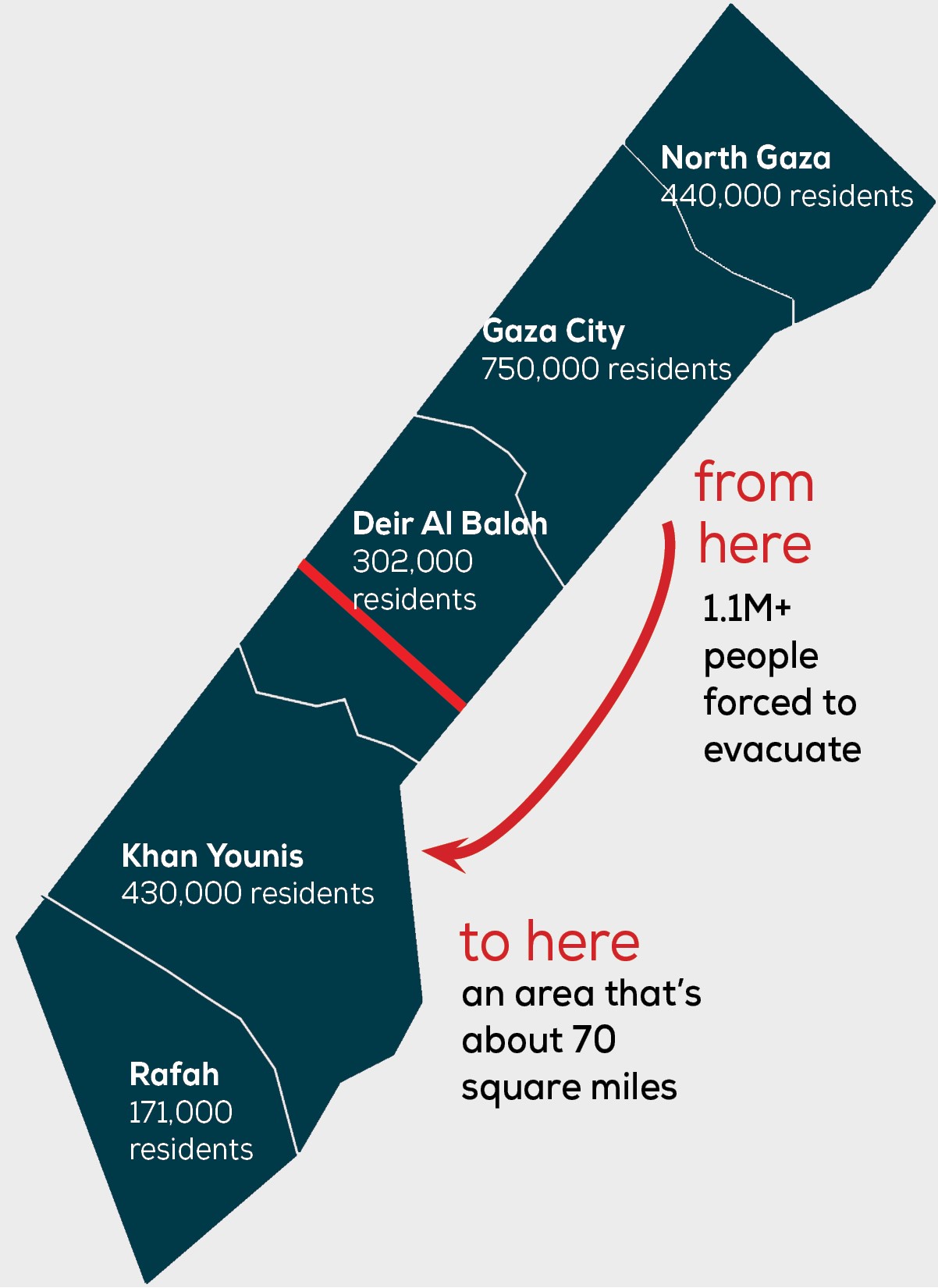
Following additional evacuation orders, over 1 million of Gaza's 2 million residents are now concentrated in Rafah, the smallest of Gaza's governorates. In these congested conditions, desperation for resources is rising, and people are resorting to extreme measures for survival. Despite the efforts of Anera and many other humanitarian actors to assist as many as possible, the situation is rapidly deteriorating.
Adding to the crisis, the Israeli military, as of December 3, has imposed restrictions on movement between Gaza governorates, impeding the delivery of crucial humanitarian aid. The Israeli military is urging Gaza’s 2 million civilians to relocate to a unilaterally designated 'humanitarian zone' smaller than the Las Vegas Strip and less than half the size of John F. Kennedy International Airport. With more than 85% of Gaza's population — approximately 1.8 million people — displaced, the humanitarian crisis is acute and only growing worse.

Help Gaza and Support Palestinian Civilians
Before October 7, Anera delivered sustainable development and humanitarian aid to Gaza by providing educational and livelihood opportunities, critical medical aid and supplies and infrastructure to help its residents. In the future, we will do this work again. Our priority at the moment is to provide civilians in Gaza with essential supplies to survive this humanitarian catastrophe.
What happens when you donate to Gaza?
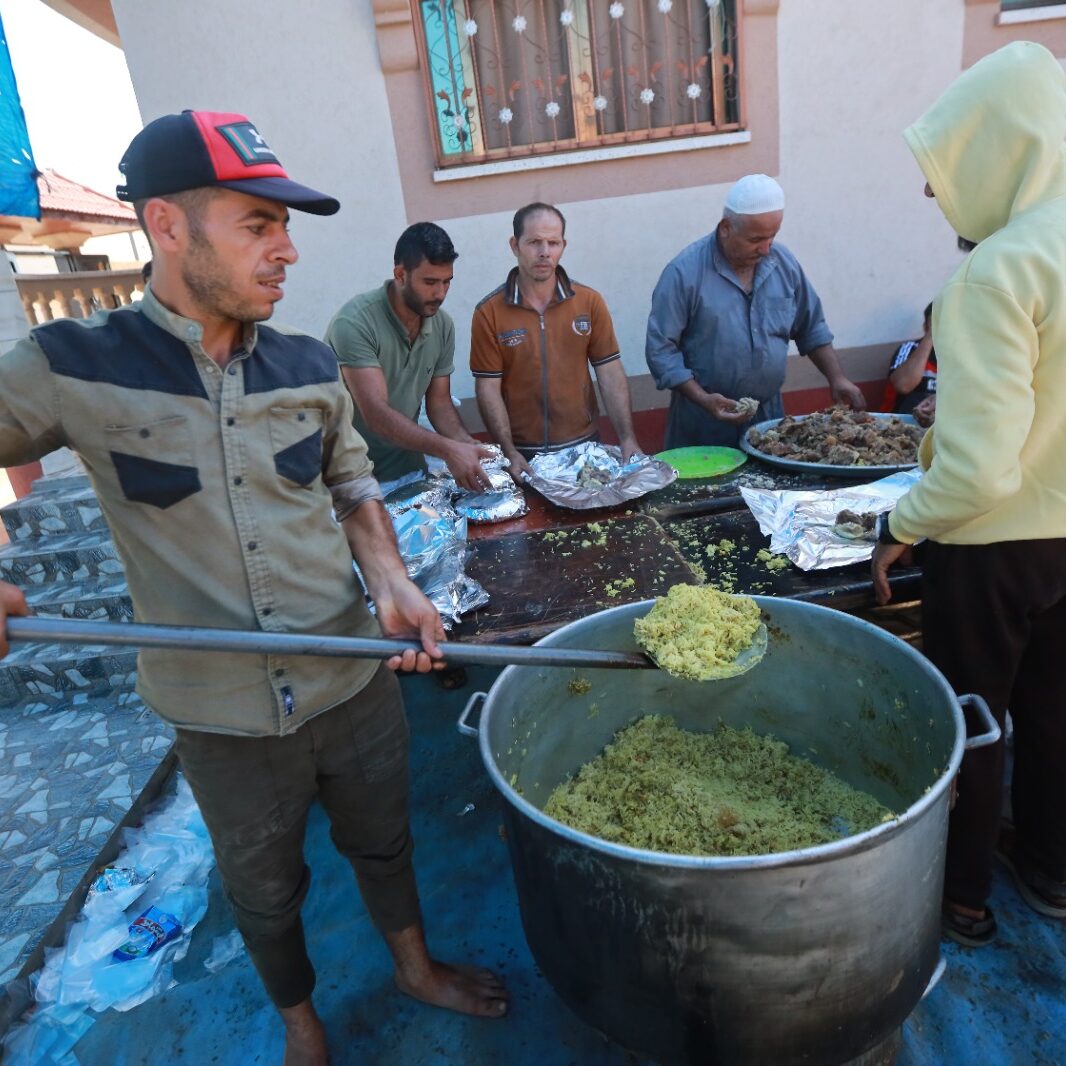
You help Palestinian families who have been displaced lessen hunger by supplying them with nutritious hot meals and fresh produce.
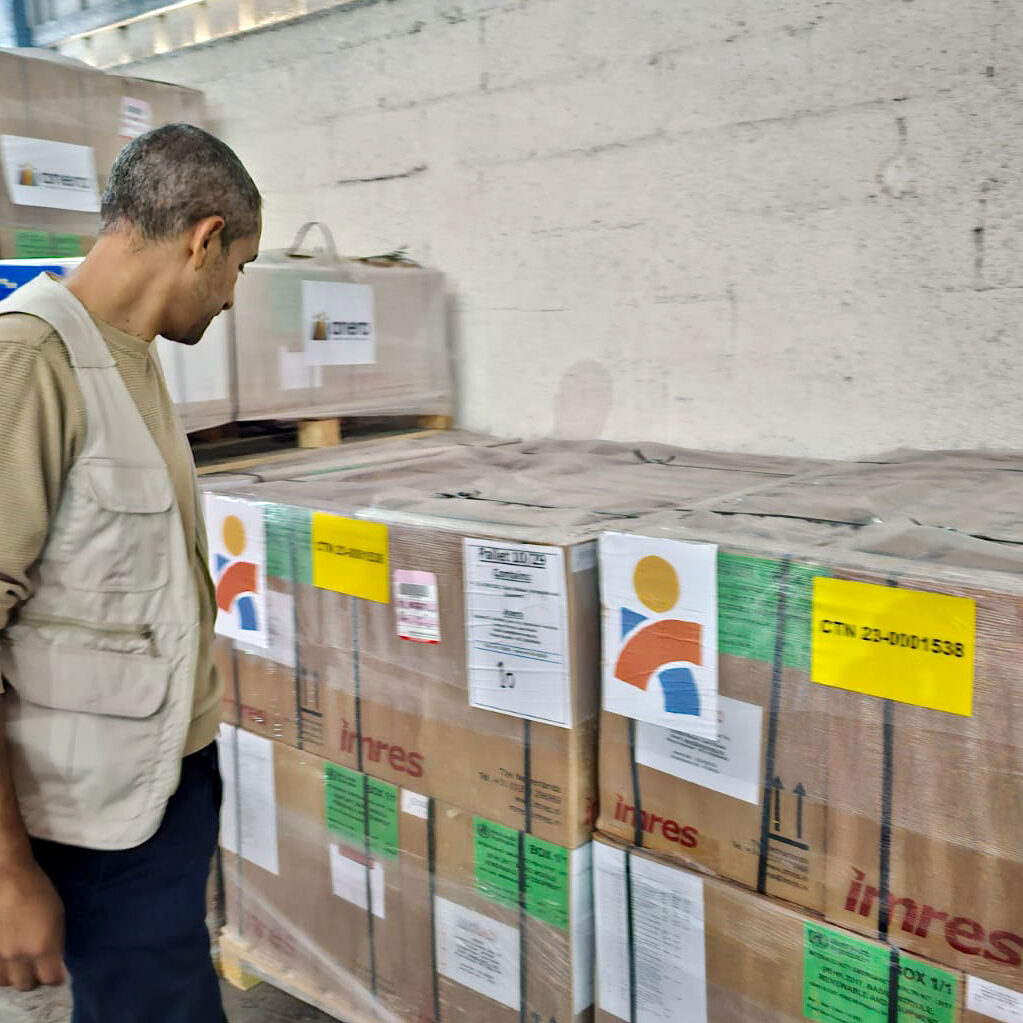
You enable deliveries and distributions of food, water, medical supplies, and medicines.
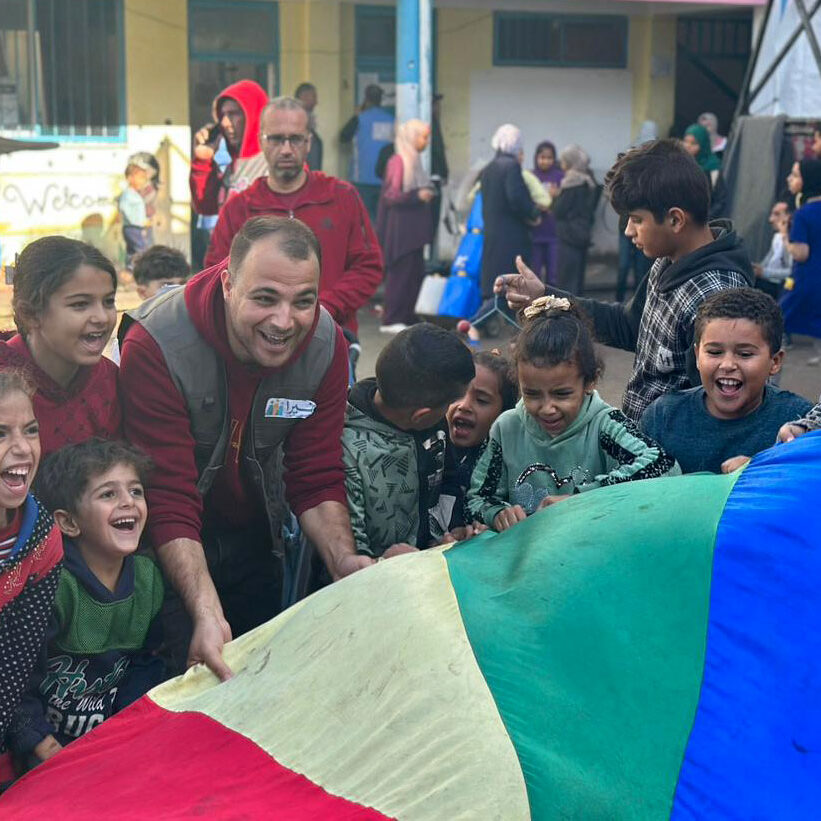
You provide psychosocial sessions for Palestinian children and parents, addressing the trauma caused by the ongoing war.
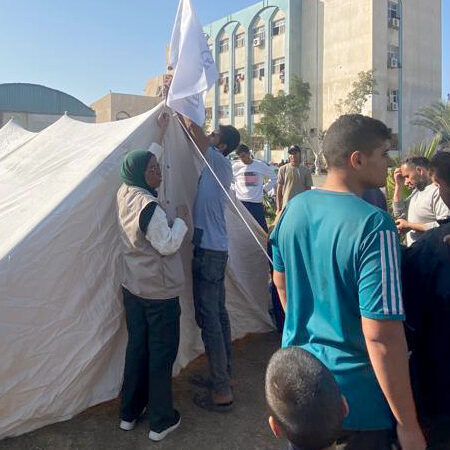
You facilitate free healthcare and treatments through pop-up medical tents located near shelters.
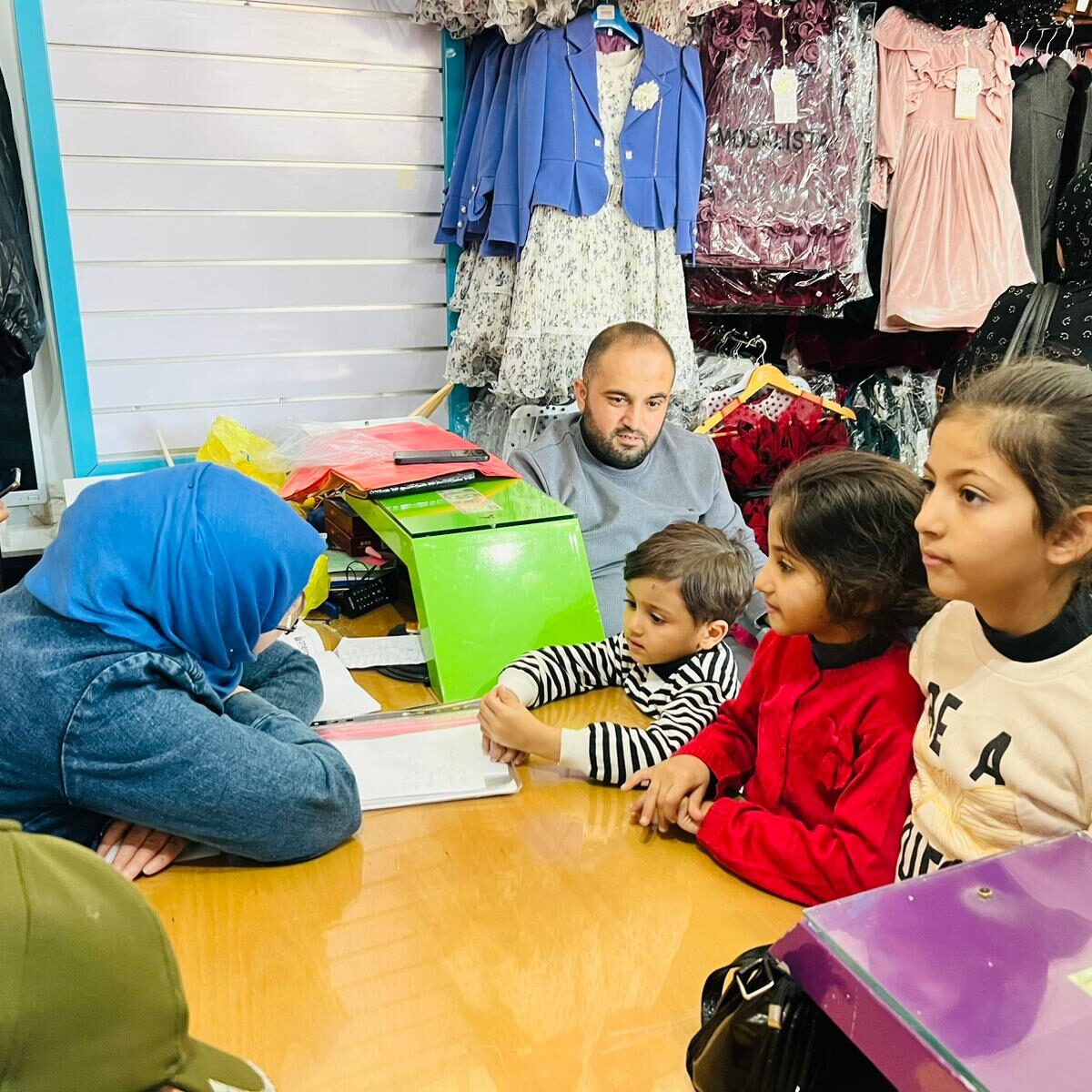
You supply winter clothing and blankets to families who have lost everything, providing some warmth during winter.
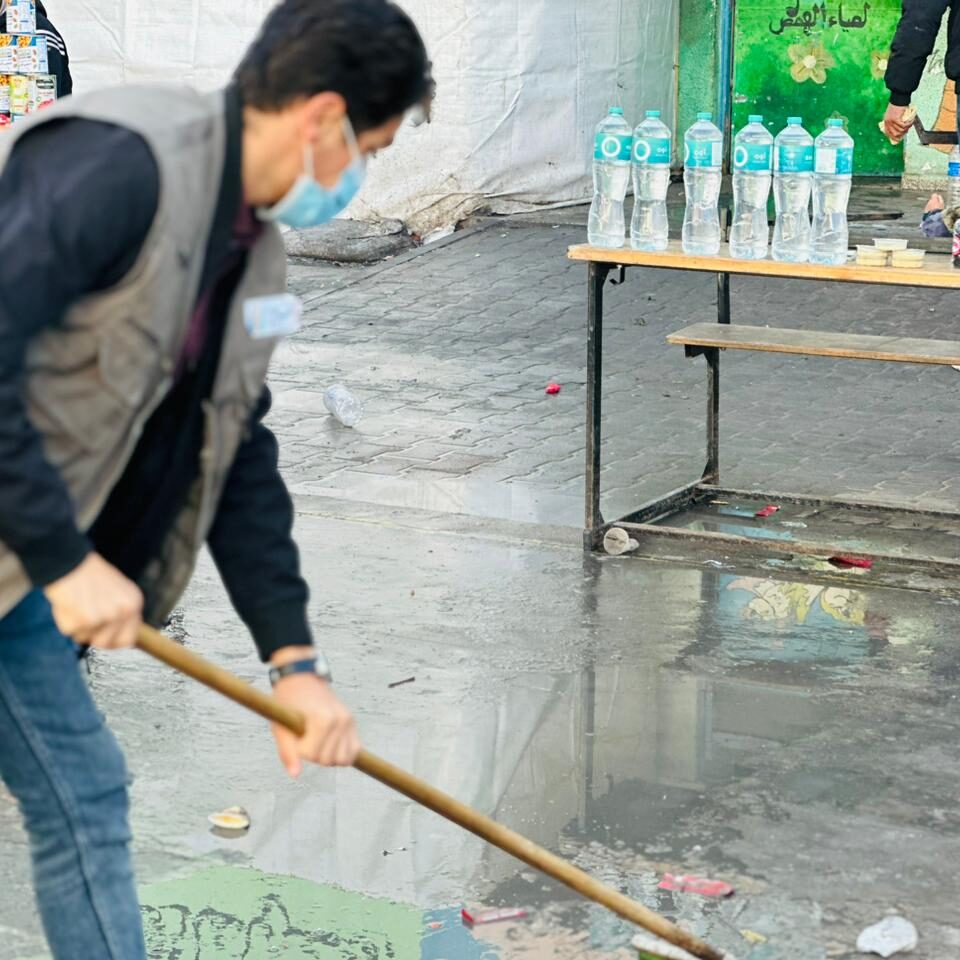
You help to clean UN shelters, preventing disease and sickness among displaced Palestinian families.
Anera's Gaza staff, from the very communities they serve, demonstrate extraordinary dedication in these challenging times. Their heroic efforts persist despite facing the same levels of violence and displacement as the rest of Gaza's population. Recognizing the imperative to prioritize safety, Anera emphasizes that our staff must adopt all reasonable measures to safeguard themselves and their families. This commitment extends to refraining from work or aid delivery until conditions are deemed safe. For more information about our work in Gaza, see our Gaza FAQs.
Who lives in Gaza?
A population of refugees and their descendants
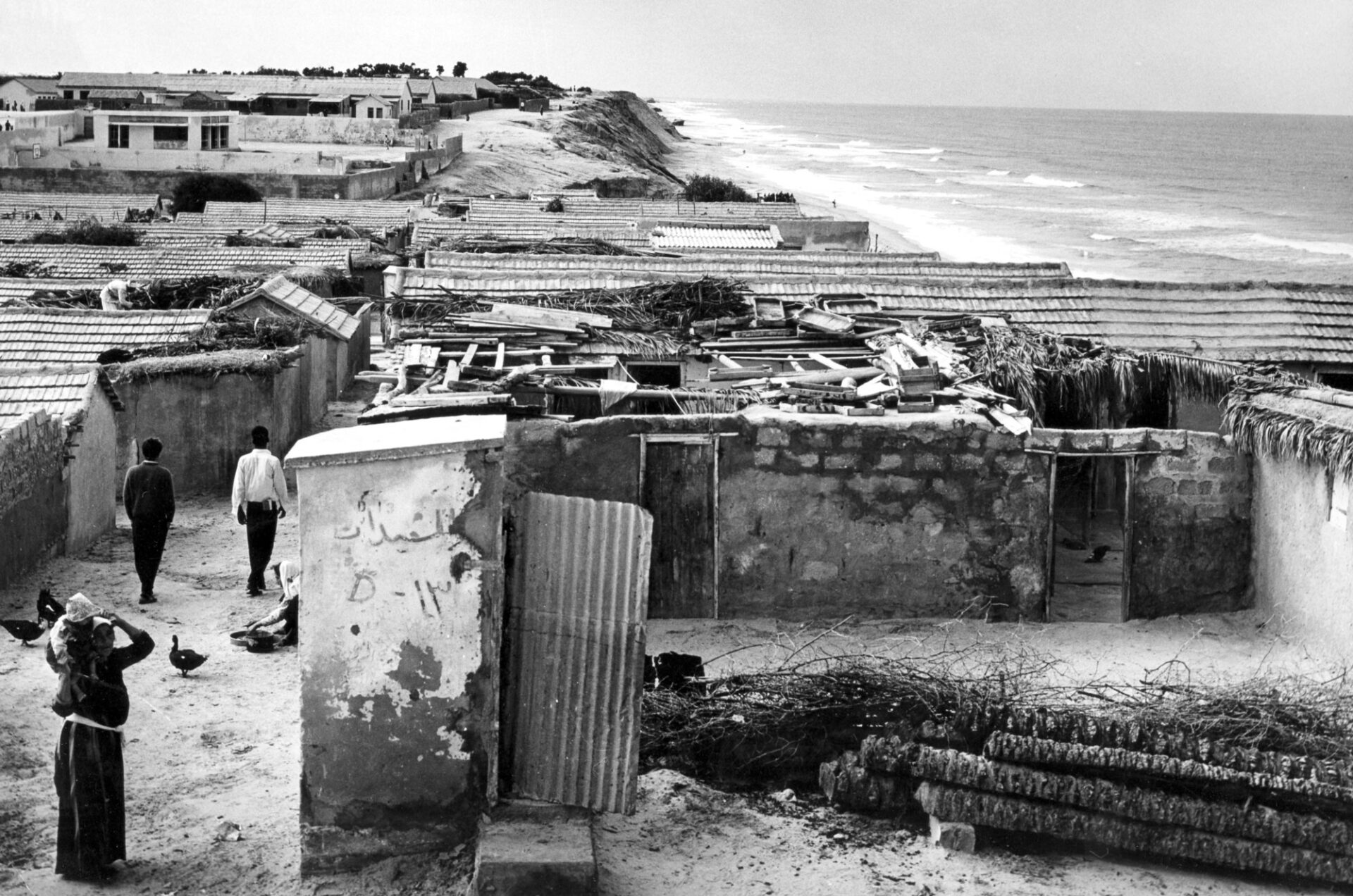
The wars of 1948 and 1967 left hundreds of thousands of Palestinians homeless. Many ended up in Gaza and approximately 80% of the current population is not from there, but instead originated from other parts of historic Palestine. Over time, the eight Palestinian refugee camps transitioned from tents to semi-permanent housing.
Deir Al Balah camp in Gaza, UNWRA photo
What Was the Situation in the Gaza Strip Before October 7th?
Between 2007 and October 2023, a blockade imposed by Israel and Egypt had stifled Gaza's economy, restricting the import and export of goods, including vital medical supplies and farmers' produce. This situation led to widespread poverty, with a shortage of medicines and medical equipment affecting Gaza's residents.
Hospitals in Gaza faced challenges treating patients due to outdated medical equipment and shortages of essential supplies like blood bags and medications. Individuals with disabilities encountered difficulties with inadequate care and inaccessible facilities. Water quality remained a concern, contributing to illnesses, while poor sanitation, exacerbated by the absence of sewage networks, further compounded the hardships faced by communities.
Critical resources like water and electricity were in severe shortage, with daily power cuts due to inconsistent supply from fuel and electricity providers. Gaza residents grappled with a power crisis, impacting water purification, farming, and daily tasks. The unpredictable nature of electricity availability disrupted daily routines, making it challenging for residents to focus on essential activities.
Despite these myriad challenges, the resilient people of Gaza had successfully built a functioning and intricate society that encompassed commerce, small businesses, education, art and culture, basic healthcare and private ownership of property and possessions. Regrettably, much of this progress was dismantled after October 7th, leaving the community devastated. In light of these dire circumstances, it becomes imperative for the international community to formulate and present a new vision for Gaza, aiming to alleviate the profound suffering experienced by the Palestinian population in the region.
GAZA STORIES
Our Impact
Many of these stories take place before the Gaza war started on October 7, 2023 and reflect Anera’s long term development work in the region.
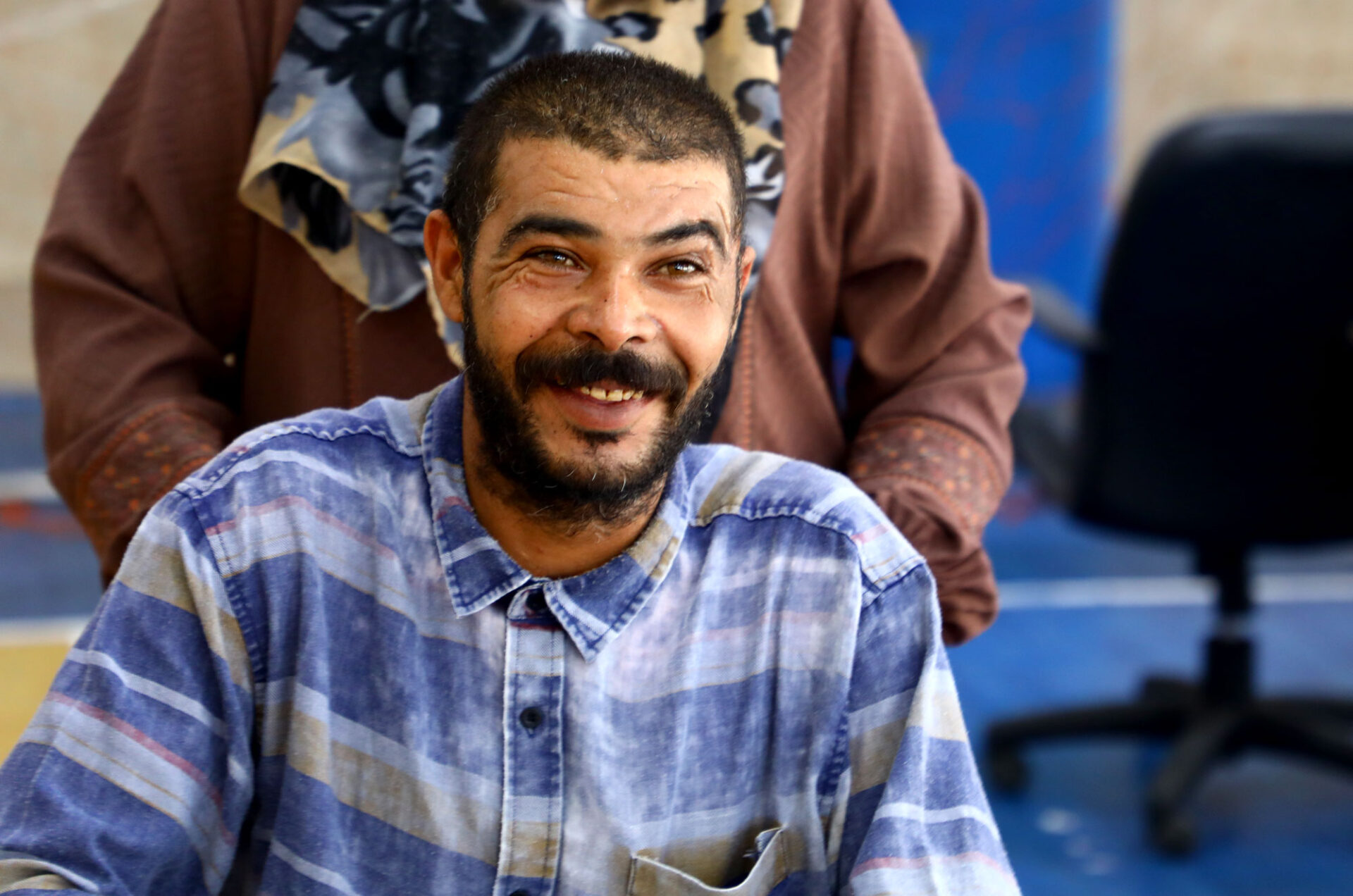
New Wheelchairs Expand Mobility in Gaza
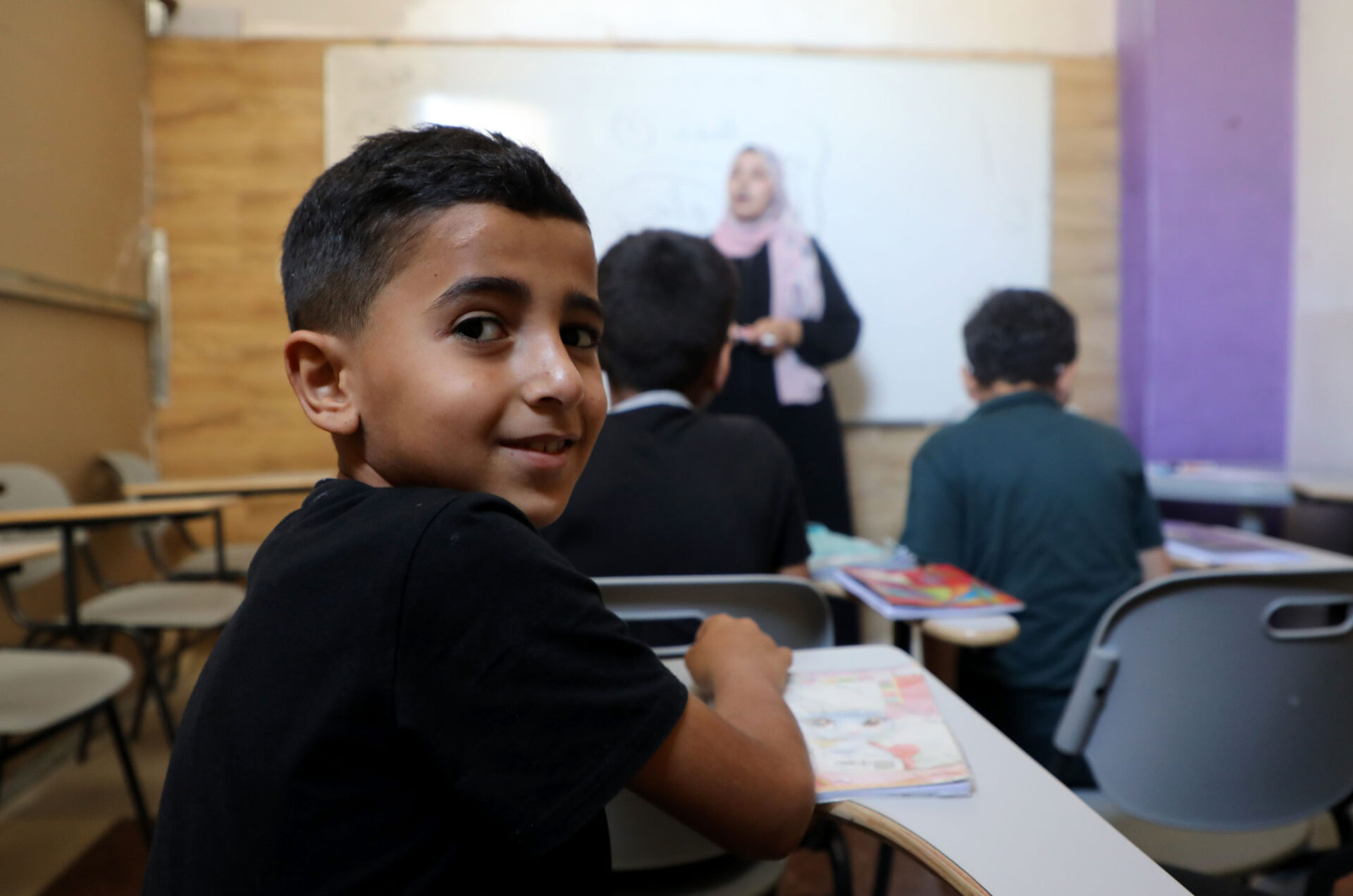
Woman Launches Tutoring Center In Gaza
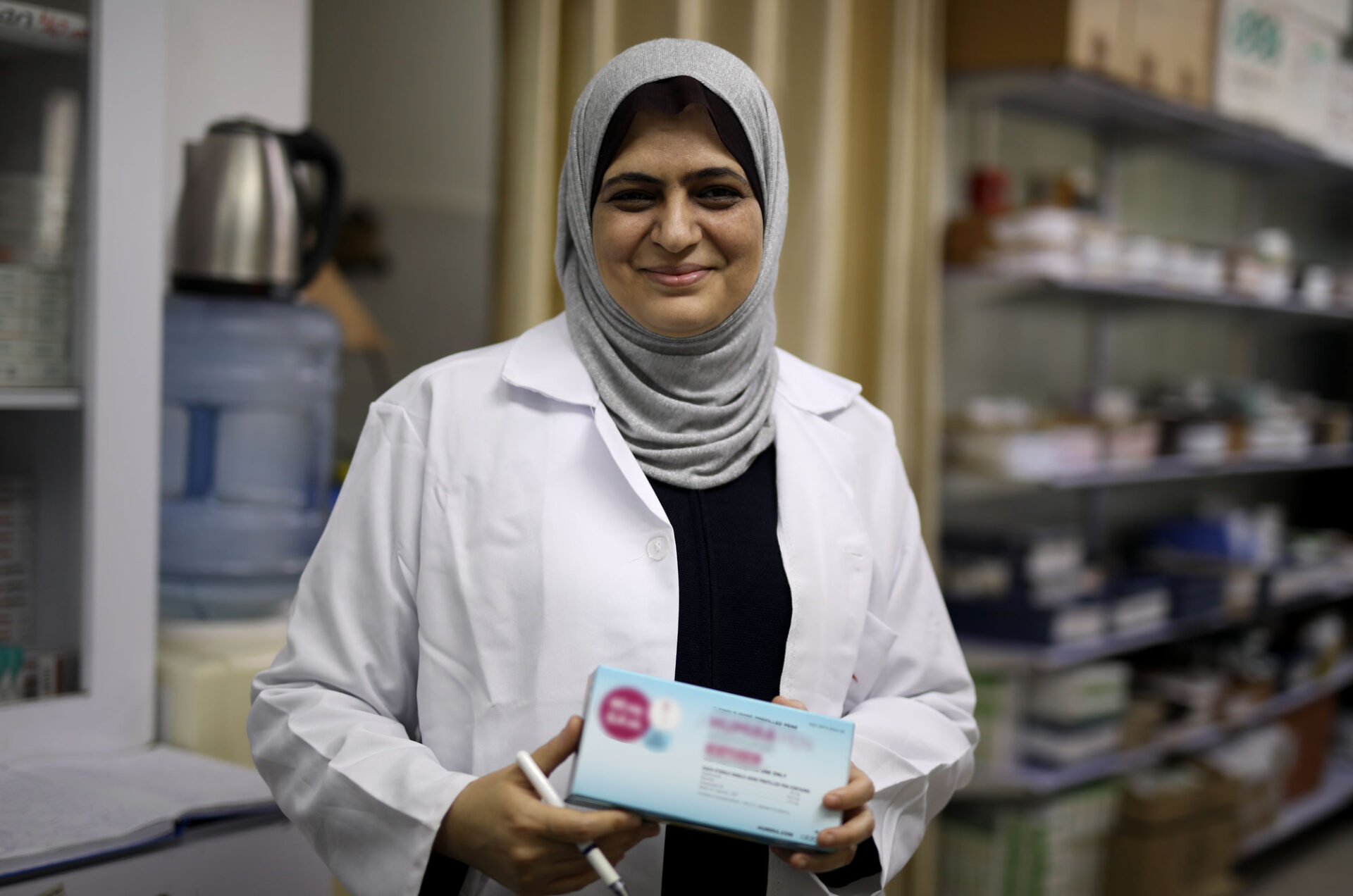
Treating Autoimmune Diseases in Gaza
Learn About Anera's Deep Roots in Gaza
Anera has delivered programs in Palestine since 1968. Choose a governate and click to learn more about Anera's work in that area.
North Gaza
Current Projects
- Supporting women’s cooperatives
- Delivering medical aid to local partners in Beit Lahia and Jabalia
- Supporting childhood nutrition and education through Farms to Fosool
- Providing greenhouses to vulnerable families
Recent Projects
- Rebuilt conflict-damaged kindergartens
- Build health clinics and rehabilitation centers
- Upgraded wells and water and wastewater networks
Learn more about our long history and work in North Gaza
Gaza
Current Projects
- Providing home rooftop gardens to families
- Installing reverse osmosis water filtration units at healthcare facilities, schools and community centers
- Supporting women entrepreneurs with equipment, training and mentorship through Women Can
Recent Projects
- Renovated the Asqula stormwater basin
- Renovated kindergartens and other educational institutions
- Renovated the Gaza Sports Club
- Delivered dialysis machines to Shifa Hospital
Learn more about our long history and work in Gaza City
Deir Al Balah
Current Projects
- Installing greenhouses and irrigation systems
- Delivering freshly prepared, nutritional meals to kindergartens
- Supporting women entrepreneurs through our Women Can program
- Distributing medical aid to local healthcare providers
Recent Projects
- Constructed a new educational space in Al Zawayda
- Rehabilitated agricultural roads
- Built or renovated a number of preschools
- Installed reverse osmosis desalination and solar systems at schools
- Renovated the Musaddar sports club
- Installed a new wastewater network that prevents flooding and contamination in the Deir Al Balah Refugee Camp
Learn more about our long history and work in Deir Al Balah
Khan Younis
Current Projects
- Supplying medical aid to local medical clinics
Recent Projects
- Built scores of greenhouses with irrigation networks
- Renovated a rehabilitation center for children with disabilities
- Constructed a brand new facility for the community center of the Charitable Future Society
Learn more about our long history and work in Khan Younis
Rafah
Current Projects
- Providing food vouchers during Ramadan to assist the most vulnerable families
- Distributing medical aid to local healthcare partners like the Rafah chapter of the Gaza Central Blood Bank
- Installing family greenhouses on small land plots and rooftops
Recent Projects
- Hosted a series of psychosocial support camps for young children in response to the August 2022 bombings in the area
- Renovated a number of kindergartens
- Installed reverse osmosis desalination system on an irrigation network, improving crop yields and quality
Learn more about our long history and work in Rafah
Gaza Palestinian Refugee Camps
Gaza is home to about 24 percent of the world's Palestinian refugees, second only to Jordan, which is home to about 40 percent. Many Palestinian refugees also live in the West Bank, Syria and Lebanon. Before the war, Gaza's refugees lived in eight different refugee camps. Now many of these camps have been bombed, depopulated and reduced to rubble.
Beach Palestinian Camp
As its name suggests, the Beach camp, known to residents as Al Shati, was located on the coast, near Gaza City. It is the northernmost refugee camp and was one of the most densely crowded. Conditions were difficult — the once-beautiful sea teems with refuse because Gaza's minimal electricity is insufficient to run the region's sewage systems. The coastal aquifer, the only local source of drinking water, was contaminated and salty, so residents struggled to find potable water or vegetables that were safe to eat.
Bureij Palestinian Camp
Bureij was a modest-sized camp with approximately 43,000 residents. It was located near the center of Gaza. The camp was situated close to a lake of open sewage, and sewage regularly flowed into the nearby sea. Many residents of the camp contracted gastrointestinal illnesses, and most of the water in the camp was too contaminated for residents to drink.
Jabalia Palestinian Camp
Jabalia was the largest of Gaza's refugee camps, with a refugee population of over 88,700. The camp was located in northern Gaza, close to Gaza City and near the Erez border crossing. Tens of thousands of refugees lived there in an area less than two square kilometers wide, making it one of the densest urban areas in the world.
Deir Al Balah Palestinian Camp
Deir Al Balah was Gaza's smallest refugee camp, with a population of about 113,000 refugees, and was located on the central coast. Its name referred to the date palms that grew abundantly in the area. Supplies of potable water were minimal. Though fishing could potentially provide a substantial livelihood for many residents, the fishing restrictions, which the Israeli navy often enforced with live ammunition, made this livelihood impracticable.
Maghazi Palestinian Camp
The Maghazi camp, with a population of 31,000, was located in central Gaza, not far from Bureij. This camp, with its small square footage, suffered from overcrowding and insufficient housing, as all the camps did to some degree. Poverty, unemployment, and intermittent electricity all contributed to the difficulties of day-to-day living in the camp.
Khan Younis Palestinian Camp
The Khan Younis camp was located in southern Gaza, about a mile from the coast. It was one of Gaza's larger refugee camps, home to about 235,000 refugees. This camp, unlike some smaller camps, had multiple health centers and food distribution centers, but conditions were still difficult.
Nuseirat Palestinian Camp
Nuseirat was located in a central cluster of camps, near both Bureij and Maghazi. It was one of Gaza's smaller camps, both in terms of its area and the number of its residents, about 161,000. It was nearer to the coast than its closest neighbors, so the dumping of untreated sewage into the sea and martially enforced fishing restrictions were heightened concerns.
Rafah Palestinian Camp
Rafah was one of Gaza's larger refugee camps — it was home to about 224,000 refugees. It was located in the south of Gaza, near the border with Egypt. Rafah once engaged in a small amount of commerce with Egypt through clandestine underground tunnels and by shipping truckloads of flowers over the border. These small acts of commerce had largely been curtailed, and much of the camp struggled with unemployment.
BY THE NUMBERS
The Situation in Gaza
85%
of Gaza's population is displaced.
With more than 1.8 million people forced from their homes, the humanitarian crisis is acute and only growing worse.
> 50%
of homes in Gaza have been completely destroyed.
Many Palestinian families are now homeless or at overcrowded UN shelters with little to no resources.
17 square miles
is the total size of the Gaza Strip.
Before the war, Gaza's more than 2 million residents were spread out in this small strip of land.
In this log, Anera will provide updates on unfolding war in Palestine and our response. Please stay tuned here for the latest information.