
50 Years of Giving Back
 by Carole Issel
Posted in: peopleofanera
I have spent most of my life in San Francisco. I was born there in 1943, and today I live just two miles away from the same house I grew up in. I studied journalism and music at San Francisco State College, eventually building a career in publishing and customer service. Though life took me away from the area for a time, I found my way back home. It’s my community.
But my family story doesn’t begin here. It stretches across generations and across oceans.
My father’s family came to San Francisco in 1910 from Btourram, a small farming village in the Koura district in central Lebanon, in the mountains. My paternal grandparents were both born and raised there before immigrating to the United States in search of better opportunities. They were determined to build a life rooted in education and hard work.
My mother and her family came from Palestine 28 years later. On May 17, 1939 they left their home in Haifa and left for the harbor to board the S.S. Palestina.
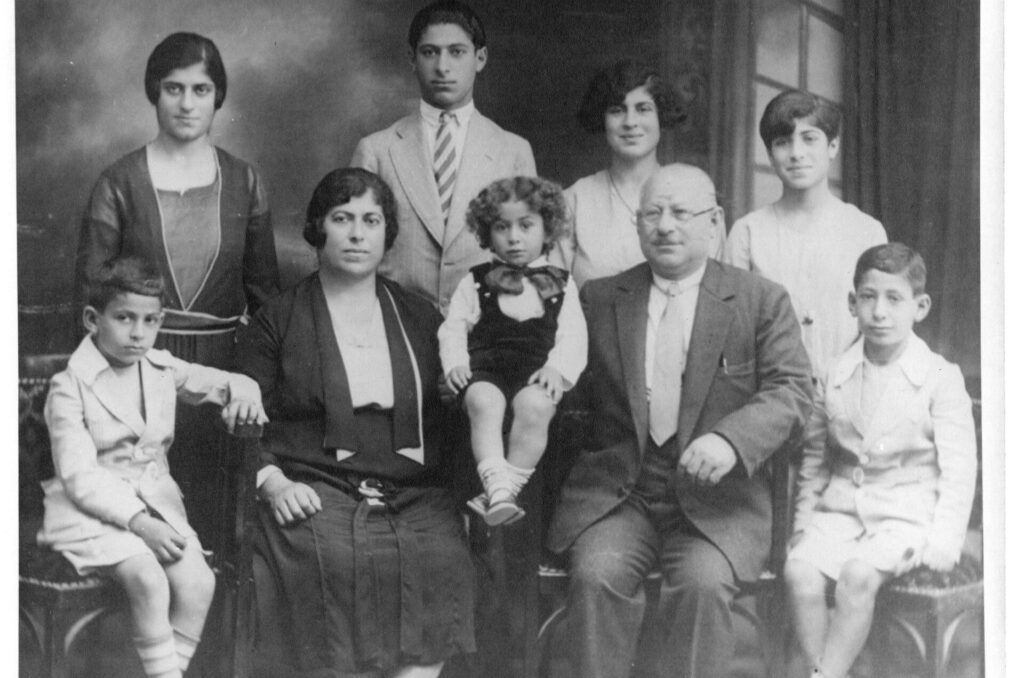
They left because they sensed that difficult times were ahead. Leaving 10 years before the Nakba that would displace so many Palestinians. That decision — to leave before the full weight of conflict fell on so many others — stayed with me growing up. I was raised with a deep awareness of what had been lost, and what it meant to carry that history forward.
My maternal grandfather believed strongly in education for all his children, including his daughters, which was rare at the time. He was an English-Arab scholar who wrote a short course of basic Arabic in his local dialect, which was used by officials of the Arab-American oil company working in the region. He also served as secretary of the Haifa Chamber of Commerce.
My connection to Anera is deeply tied to my parents. In 1966, they traveled to Palestine and Lebanon with my sister. When they returned, they shared what they had seen — the displacement, the tent communities, the reality of life for refugees. Not long after, the Six-Day War took place.
I began getting involved and donating in the 1970s, purchasing handmade goods made by refugees in the camps through Palestinian development organizations. I didn’t have much money, but I had a lot of feeling and support in my soul.
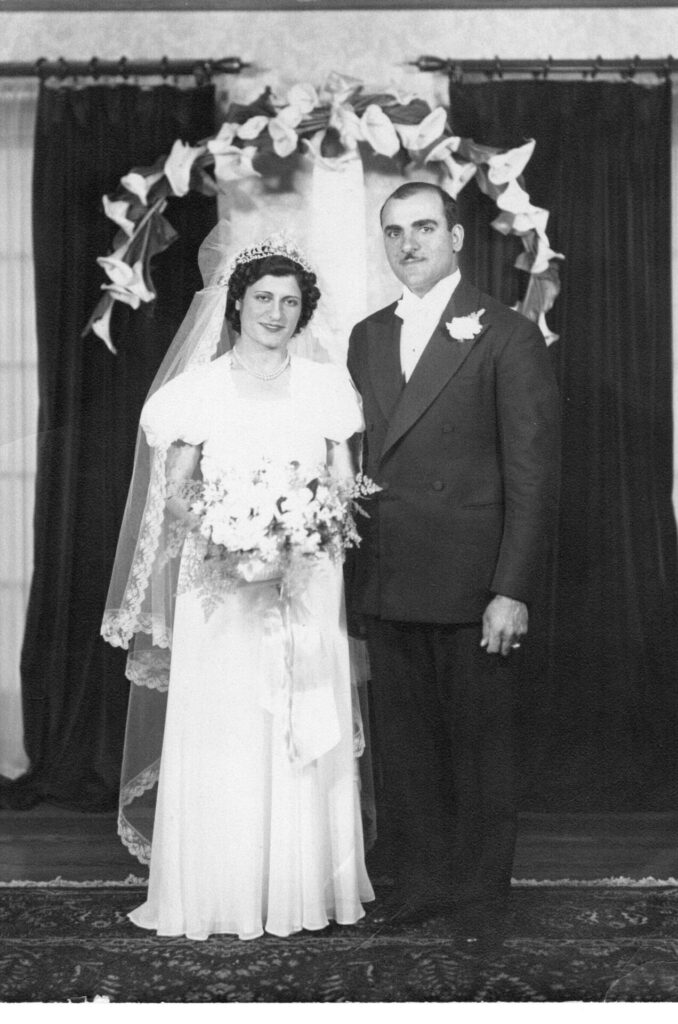
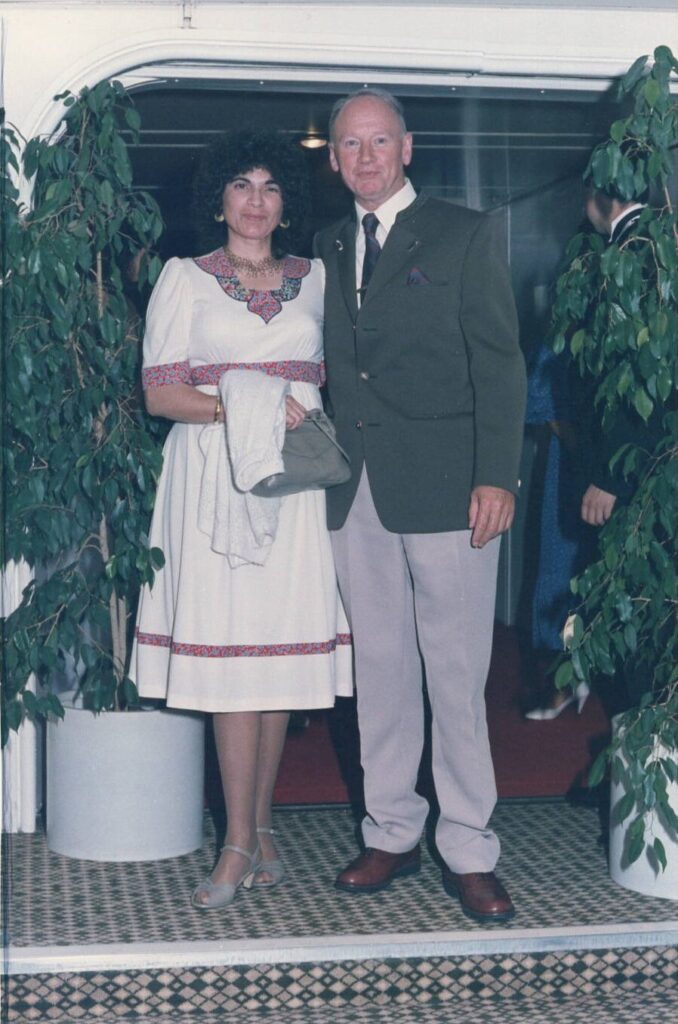
I met my husband around the same time in the early 1970s. He was born in Germany and brought his own global perspective — he was thoughtful, well-educated, and paid close attention to issues in the Near East. Our desire to support meaningful work in the region gave us common ground. He passed away in 2023, but we supported Anera together for almost 50 years, and I continue that support today with him in mind.
What has kept me invested all this time is seeing how Anera works with local communities. Anera finds the areas in Palestine, Lebanon, and Jordan with the most need and vulnerability, making sure that no one is overlooked.
I am especially pleased to see the many programs designed to help women learn ways to support their families — expanding their home arts, learning new skills, and building greater agency in their careers and education.
I’ve always appreciated the organization’s commitment to not just delivering aid, but investing in people, training local populations, listening to them, and trusting them to understand their own needs and work toward their own futures. That approach matters. It creates something more lasting than aid alone.
Seeing my contributions reflected meaningfully to communities that are often overlooked helps me feel connected with my history, even separated by thousands of miles and years of history.
More than anything, people in the region deserve safety, stability, and dignity; they deserve access to simple things like a clean glass of water or a safe walk to school.
OUR BLOG
Related
 by Anera
August 19 commemorates the annual World Humanitarian Day, a global observance of the violence, challenges, changes and hazards millions of civilians and volunteers in conflict-affected countries face every day with bravery, resilience, selflessness and sacrifice. World Humanitarian Day 2026 Today,…