
Five Strategies Every Nonprofit Fundraiser Should Implement for a Successful Giving Day
 by Jackelyne Briseno
Posted in: Days of Observance
What are giving days and why do they matter?
Giving days are time-bound, powerful campaigns that create momentum, excitement and drive critical funding for nonprofits. These campaigns tap into the power of people, usually drawing in thousands of donors who give less than $100. But when combined, they can have a significant financial impact on a nonprofit.
The most notable giving day across the world is #GivingTuesday. On December 3, 2025, more than 38 million people in the US donated a record-breaking $4 billion. At Anera, #GivingTuesday has become a staple of our online fundraising efforts, bringing together donors from all over the world for a common purpose.
What are the benefits of hosting a giving day?
There are many benefits to hosting a giving day, even for smaller nonprofits. Beyond securing critical funding for your organization, giving days present nonprofits with the opportunity to acquire new donors who were motivated by friends or family to give.
Giving day campaigns are also a great tool to generate brand awareness and visibility for your organization. Because these campaigns are people-led and run in a digital environment, they provide nonprofits with the opportunity to get exposed to new potential donors.
And finally, giving days –when executed correctly– build a sense of community among your supporters, no matter where they are in the world. If we do our jobs right, someone in the US, Singapore or the UAE will feel like they were part of something special. They will feel connected, not just to each other, but to your organization.
I’ve led giving day campaigns for nearly a decade. Here are the top 5 things I believe every nonprofit should do to have a successful giving day.
5 strategies for hosting a successful giving day
1. Segment
Segmenting is the action of grouping people based on giving behavior, communication preferences or interests, allowing the organization to send targeted messaging that speaks directly to that individual.
Segmenting your audience will lead to higher engagement, ROI and gift conversion. The more personalized the message, the better.
But that doesn’t mean you need to create many different versions of one appeal. Looking at subject lines, in-text call-to-actions, or even tweaking the wording in the intro or outro paragraph of your appeal can prove very effective. This shouldn’t be something that adds hours upon hours of work for you or your team. You should be able to make quick, easy adjustments that speak to a specific group of people without having to redo every appeal.
2. Gamify Your Giving Day
Gamifying strategies are used to create a sense of urgency, build community, and generate momentum for your campaign. The average human attention span is less than that of a goldfish’s, so you want to use these strategies to capture a donor’s attention and motivate them to give in that moment.
Some of my favorites include:
- Progress bars: used to track matches, total raised, donor count or project-related impact (e.g., meals served, animals rescued, etc).
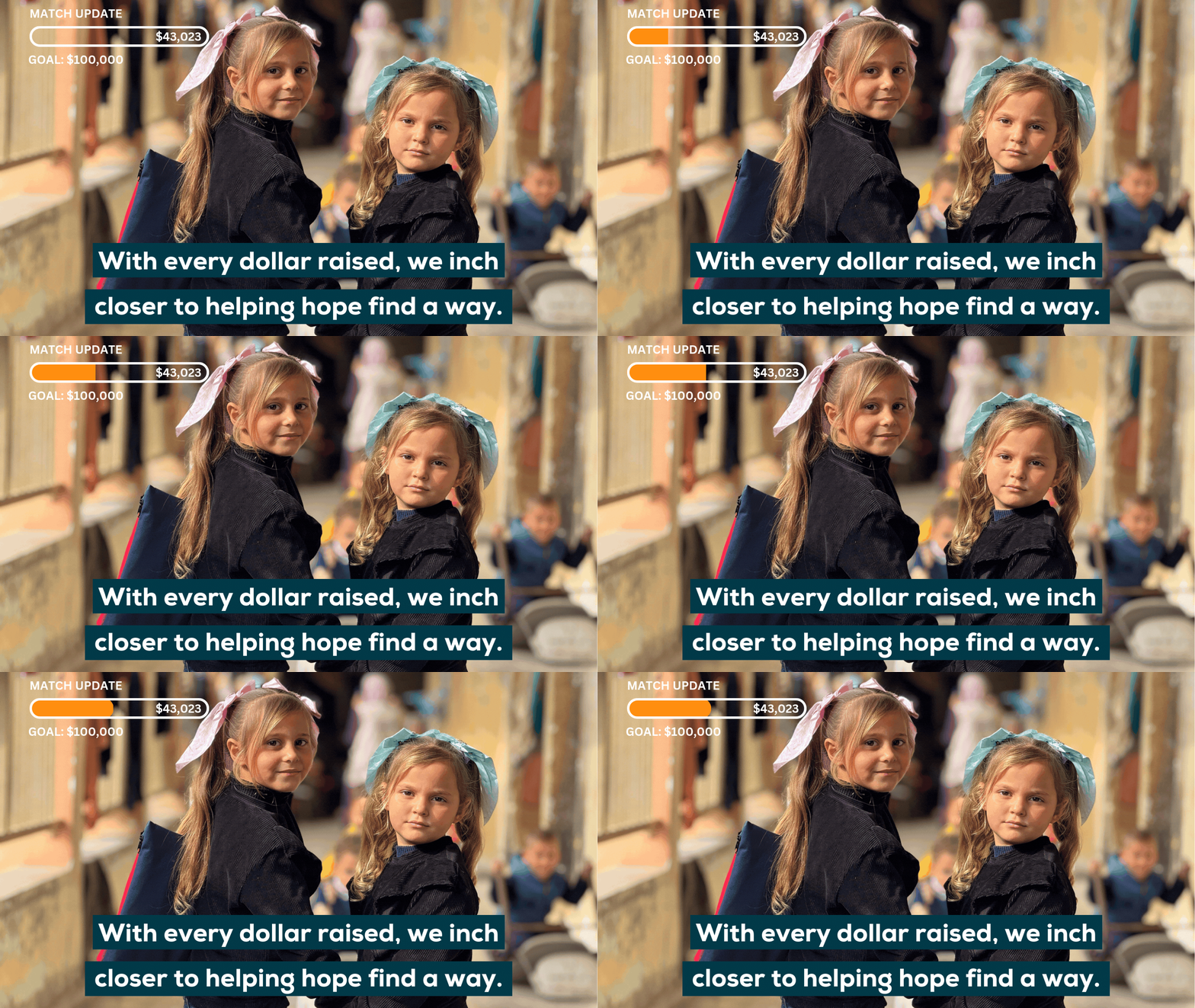
- Giving challenges: For instance, matching gifts (e.g., a donor will give $10,000 if we get 10 donors in the next 10 minutes) or peer-to-peer challenges that involve something physical (e.g. if we raise $100,000, our university president will kiss a pig).
- Countdowns: Can be used for matches, challenges or to mark the end of a campaign. Remember how we talked about giving days being time-bound and urgent? This ties into that setup perfectly.
- Price points: Donors love to know their impact, and price points are a great way to demonstrate what their donation can do for people, animals, the environment or whatever cause your nonprofit supports. Your price range will depend on your own donor data and average gift size. At Anera, our price points range from $10 to $500.
- Keep the momentum going after giving by leading donors to a volunteer signup page, event registration or even asking them to start their own fundraiser. This can vary depending on the specific goals of your organization and campaign.
Pro tip: layer gamifying techniques with one another. The example below includes a 3:1 power match, a timer, and price points.
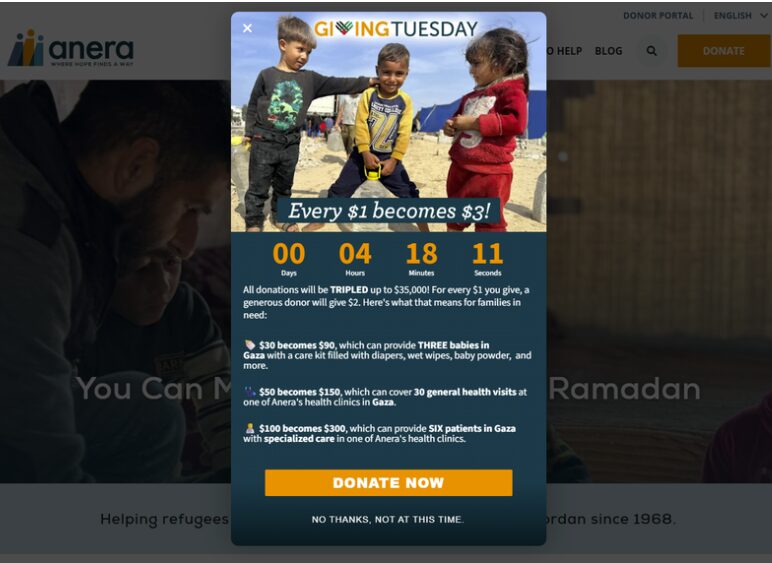
Caveat: these tools are meant to amplify your mission/ campaign. Don’t solely rely on them to motivate donors.
3. Find Your Champions
Identify people in your organization who need to be involved in the planning and execution of your giving day. If you’re hosting your very first giving day, here are two groups I’d start with:
- Major gift officers can secure matching funds for your campaign, which are a very important motivator for donors (especially first-time donors!). You want to put this on their radar at least four months in advance.
Pro tip: track and send results to your major gift officers on how a donor’s match helped drive revenue/ donors during giving day!
- The communications/ marketing team can help in many different ways, including:
- Publishing content on your website (save the date, reminders, blog pieces about giving days with price points, etc.)
- Updating your homepage to reflect the giving day campaign (you can even add a countdown timer for when your giving day will start)
- Work with social media influencers to post content during giving day and drive donations
- Help with design and marketing needs (if applicable)
4. Prepare Your CRM
A good campaign is only as good as the data behind it. That is why it is extremely important to prepare your CRM and any other software or platform that you plan to use during your giving day.
I think of this in three phases:
- Ensure your data is clean and reliable. This is especially important if you’re using multiple platforms or solutions for your donor database and front-facing fundraising needs.
- Create the campaign in your CRM, along with unique identifiers to track donations.
- Set up reports ahead of your giving day for real-time tracking. This should include basic information such as total number of donors and revenue, but you can also track revenue streams, new monthly donors, and other information.
Doing the prep work ahead of time ensures that come giving day, you’re not receiving angry emails from donors saying they got the wrong message, or worrying about creating reports in real-time to provide an update to your stakeholders. Set yourself up for success by doing this before your first appeal even goes out.
5. Timing & multi-channel messaging
I believe we should use all channels at our disposal when running campaigns of any kind, but especially giving days.
Here are some of the channels I’d recommend using, along with some best practices:
Email: segment, use suggested giving amounts, optimize for sharing, incorporate best practices based on your organization’s data and donor behavior
Social media: add the campaign to your profiles, use countdowns, customize content based on the social media channel, and secure influencer collaborations
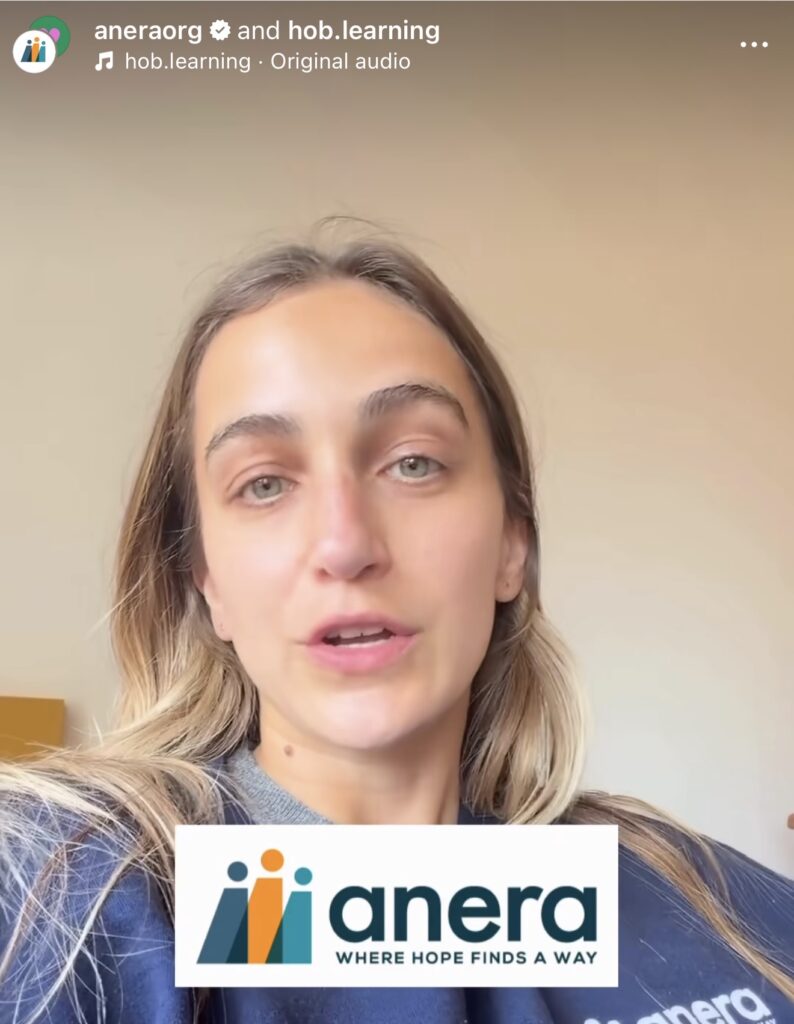
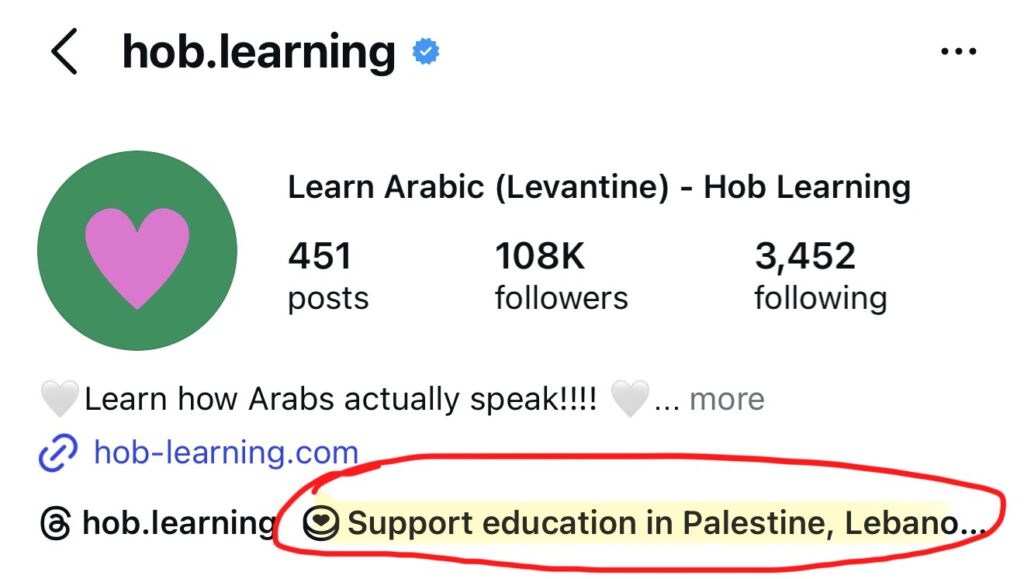
Website: Homepage takeover, blog posts, stories, web pop-ups
Direct mail: even though giving days are primarily hosted on digital platforms, there is no reason not to send a direct mail piece if you have a strong direct response program at your organization. Two things to think about:
- Use reply cards, QR codes, and short links
- Think about your arrival date. You want the piece to land in mailboxes at least a week and a half before your scheduled campaign date. This does two things: (1) it ensures you get the funds when intended, especially if donors are sending a check, which can take some time to arrive and process, and (2) it gives your campaign a mini-boost for anyone giving before your official start date
SMS/ MMS: use GIFs, text-to-give, emojis, impact-driven images, bold text (if you can), segment, and include an opt-out option
Timing: The first day of your campaign should not be the first time your donors are hearing about it. By the time the date arrives, you should have already sent a save-the-date, a reminder, and a chance for last year’s donors to make their gift early. Your website should have at least one publication two weeks before, and the homepage should reflect the campaign at least a week before you go live.
Below is an example template to plan your organization’s Giving Day:

Final thoughts
Your campaign isn’t about dollars raised, it’s about what those dollars can do. That should be central to your campaign messaging. People aren’t going to be motivated to “help you raise $1m” – they’re going to be motivated when you can tell them exactly what that $1m can do for people, animals, the environment or whatever cause your organization supports.
Use storytelling and compelling images to demonstrate impact. Find stories that showcase how your organization makes a difference, and don’t use fancy language. Aim for a third-grade reading level.
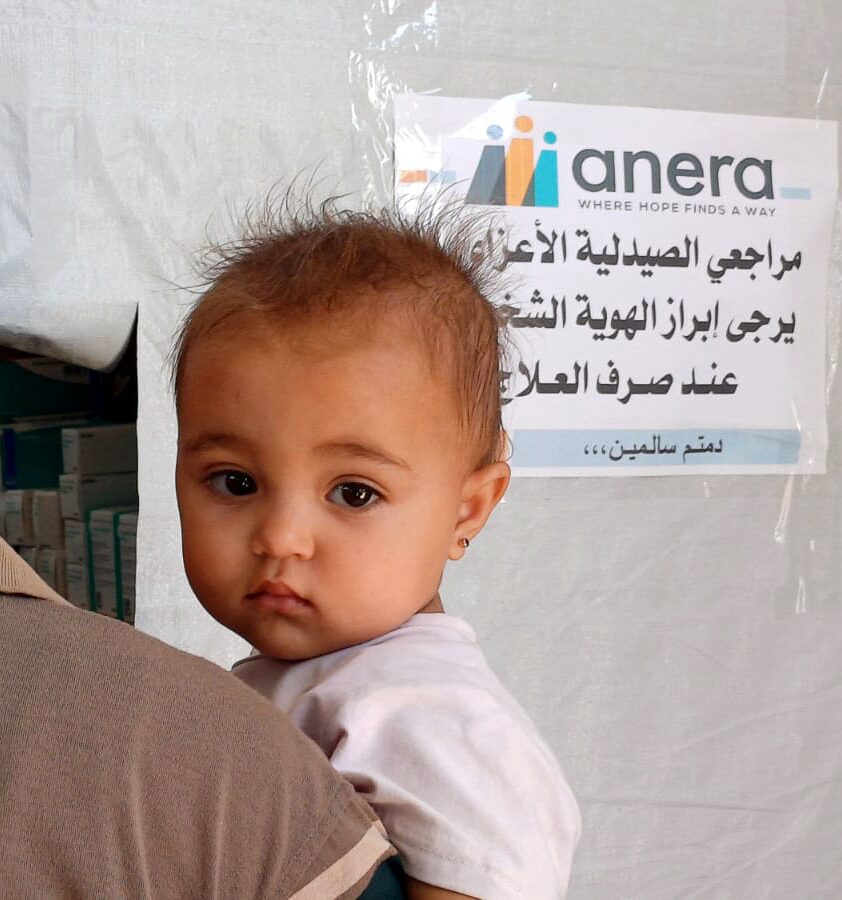
There is so much research about the use of imagery in inspiring a certain action. Even the use of certain colors can elicit different emotional responses in people. You want to be tactical and intentional about the images you use in your campaign.
And finally, thank your donors! Every single person is already used to getting an automated gift receipt/ thank you when they make an online gift. Go beyond that expectation by sending them a thank you after your giving day campaign with important feel-good information, like how much was raised, how many people donated, and what those funds will allow you to do.
Pro tip: segment your thank you for first-time donors and new monthly donors!
 by
by